To sell second-hand shoes in Poland, list them on a classifieds platform with clear photos, an honest condition note and a realistic price, then meet the buyer in a public place and accept payment only after they have checked the pair. The whole process takes a day if the listing is written well. Most delays come from bad photos and vague descriptions, not from the market.
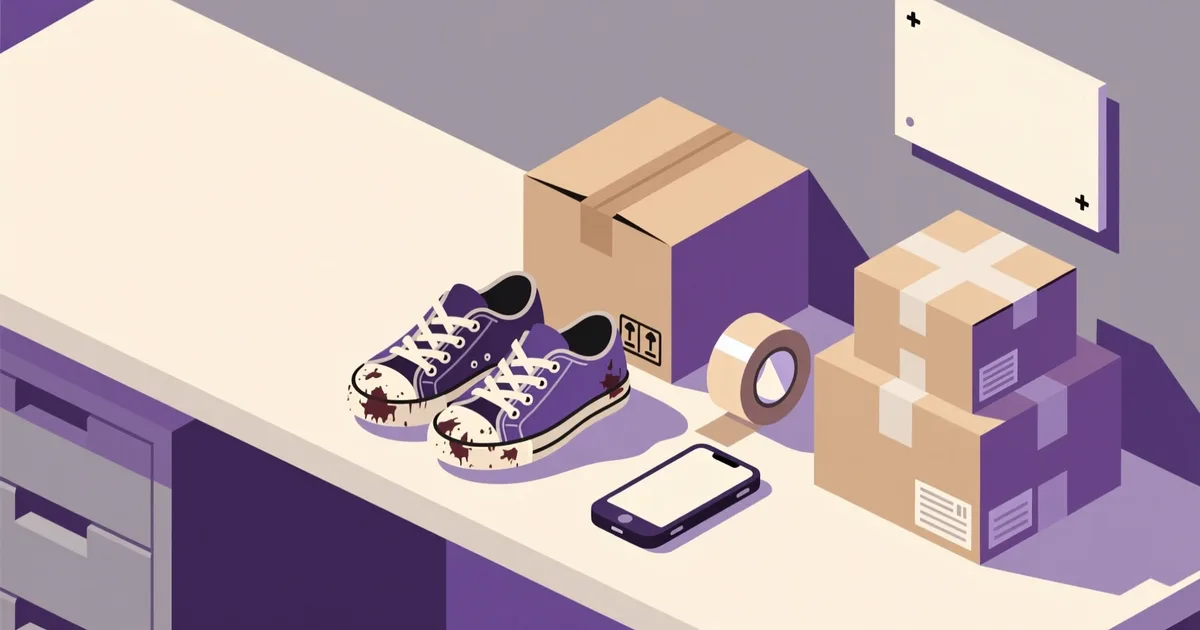
Poland has a deep second-hand market. Brands like Ecco, Clarks, Dr. Martens, Geox and Salamander hold value here, and a pair bought two seasons ago often sells for 30 to 60 percent of the original retail price if the soles are clean and the size is common. Sizes 37 to 41 move fastest among women's pairs, 42 to 45 among men's. Rare sizes sit longer. If you are selling ten pairs or more, treat it as a small shop: batch the photos, standardise the titles, and keep a simple spreadsheet of what sold and for how much. That record is what lets you price the next pair in two minutes instead of twenty. Private sellers in Poland can sell used personal items without registering a business, but once volume and repetition look commercial, the rules change, so keep an eye on how often you list. The sections below cover pricing, photos, buyer messages, scam patterns, safe handover and what Polish law expects from a private sale.
- Price against live listings in your city, not against the original receipt.
- Six photos minimum: both shoes side by side, both soles, both inner labels, one close-up of any wear.
- State the size in EU and the measured inner length in centimetres. That single number prevents half your messages.
- Meet in daylight, in a mall or a busy metro entrance, and hand over the pair only after payment clears.
How to price second-hand shoes in Poland
Start with the sold prices of comparable pairs, not the asking prices. Asking prices in Poland are often 20 to 30 percent above what the pair actually fetches, because sellers anchor on what they paid.
Search your brand, model and size on a classifieds site, filter by your city or a 30 km radius, and note the five closest matches. Then sort by how long they have been listed. A pair that has sat for six weeks is priced wrong. A pair that disappeared within three days was priced low.
What drives the number up or down
Condition is the biggest lever. Worn heels, cracked soles and visible creasing cut the price hard. Original box and spare laces add a little. Leather beats synthetic for resale in most categories. Colour matters less than you would think, except for white sneakers, which show every mark and sell slowly.
Location matters too. A pair listed in Warsaw, Krakow, Wroclaw or the Tricity finds a buyer faster than the same pair in a small town, simply because more people can collect it in person. If you are outside a big city, offer shipping and say so in the first line.
A working price formula
Take the current retail price of the closest equivalent new model, not what you paid in 2021. Multiply by 0.4 for good condition, 0.25 for visible wear, 0.15 for anything needing repair. Round to a figure ending in 9, which is what Polish buyers expect to see. Then leave 10 percent of room for negotiation, because most buyers will ask.
If nothing moves in two weeks, the price is the problem, not the photos. Cut by 15 percent and refresh the listing title.
How to photograph and describe shoes so the listing gets messages
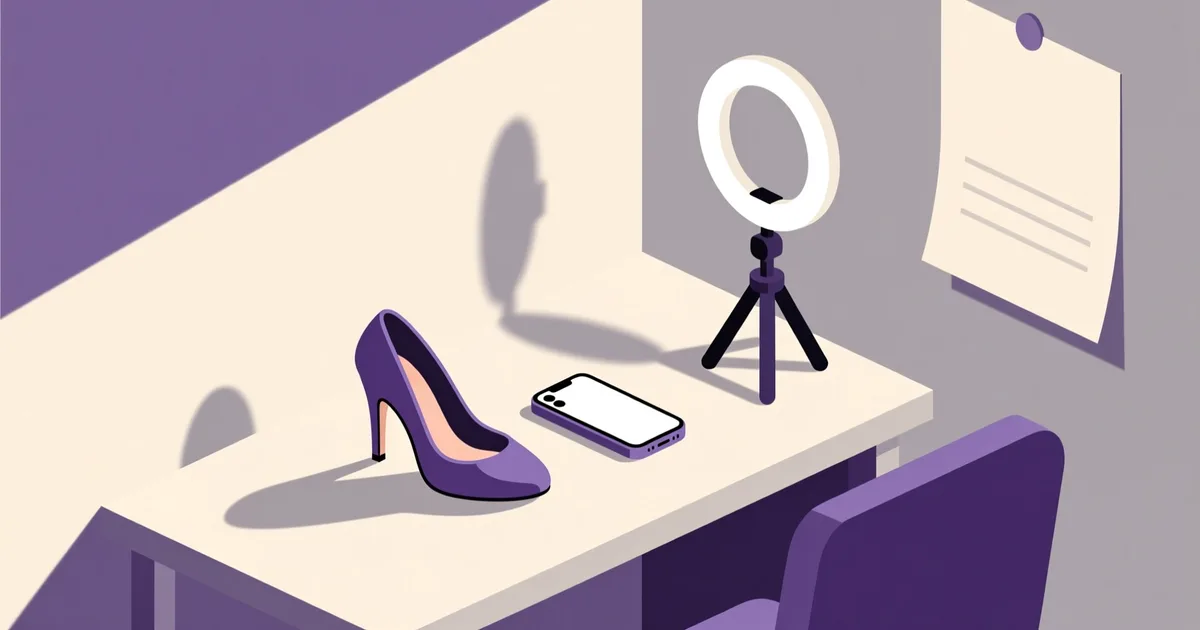
Photos decide whether anyone opens your listing. Buyers scroll fast, and a dark, cluttered photo gets skipped before the description is read.
Shoot in daylight near a window, on a plain floor or a white sheet. No flash. Six to eight photos is the sweet spot: both shoes side by side from the front, both outer sides, both soles, both inner labels showing the size and brand, one close-up of the worst wear, and one shot of the box if you still have it.
Describe condition honestly
Write the size in EU numbering and add the measured inner length in centimetres. State the brand, the model name if you know it, the colour, the material, and how many seasons you wore them. Then describe the flaws in plain words: scuffed toe on the left shoe, heel worn about two millimetres, insole replaced.
Honest flaw notes reduce returns and arguments. They also filter out buyers who would have wasted your afternoon.
Photograph the inner size label in every listing. It is the single photo buyers ask for most often, and having it upfront removes an entire round of messages before the meeting is even arranged.
Title and tags
Put brand, model, size and city in the title, in that order. Something like "Ecco Soft 7, size 42, leather, Krakow" tells the buyer everything in one line. Add the category and subcategory correctly so the listing appears in the right filter.
When you compare prices across similar listings, EX & GO shows each seller's history and reviews on the listing page, which helps you judge whether a low price is real or a bait listing. Posting rules are short and worth reading once at /en/rules before you publish your first item.
How to answer buyers and filter out scammers
Most scam attempts on shoe listings follow three patterns, and all three are easy to spot once you know the shape of them.
Fake payment screenshots
The buyer sends a screenshot that looks like a bank transfer confirmation and asks you to ship the same day. A screenshot proves nothing. Money in your account is the only confirmation that counts. If the funds are not visible in your banking app, the payment has not happened, no matter how official the image looks.
Courier prepayment tricks
Someone offers to buy the pair and asks you to pay a courier fee, a customs deposit or an insurance charge upfront, promising to reimburse you. There is no courier fee for a private sale between two people in Poland. Any request for you to send money first is the scam, full stop.
Overpayment and refund requests
A buyer "accidentally" sends more than the agreed price and asks you to return the difference. The original transfer is later reversed. Never refund money you have not confirmed as settled.
Red flags in the first message
Refusal to meet in person, pressure to decide within minutes, a request to move the conversation off the platform immediately, and a price offer far above your asking price all point the same way. A genuine buyer asks about the size, the condition and where you can meet.
We check listings before they go live and remove the ones that ask for upfront payments or push buyers off the site, which is why phone numbers are verified at registration and the reporting button sits on every listing page. Keep the conversation inside the platform until you have agreed a meeting, and report anything that feels off through /en/support.
Where to meet and how to hand over safely
Meet in daylight, in a place with people and cameras: a shopping centre entrance, a busy metro station, a petrol station forecourt. Avoid your own doorway and avoid meeting after dark.
Bring the shoes in a bag, let the buyer inspect them fully, and confirm the payment in your banking app before the pair leaves your hands. Cash works, but check the notes if the amount is large. An instant bank transfer on the spot is usually cleaner.
If you ship instead, use a tracked courier, keep the receipt, and photograph the packed parcel before sealing it. That photo settles most disputes about what was inside.
Quick sale, best price or trade-in

Pick your goal before you write the listing, because the three routes pull in different directions.
| Route | Typical timeline | Price level | Effort | Best for |
|---|---|---|---|---|
| Quick sale | 1 to 5 days | Below market, 20 to 30 percent under comparable listings | Low: short description, few photos | Clearing space, moving flats, single pairs you want gone |
| Best price | 2 to 6 weeks | Market rate or slightly above | High: full photo set, detailed description, patient replies | Premium brands, rare sizes, near-new pairs |
| Trade-in or bulk handover | Same day | Wholesale, often 30 to 50 percent of resale | Minimal: one drop-off | Ten or more pairs at once, no time for individual listings |
Most private sellers in Poland land between quick sale and best price. If you have one good pair, take the time. If you have a wardrobe full, split it: list the three best pairs individually and move the rest as a bundle.
Checklist before you publish
Run through this list once and the listing will do its job without a rewrite.
- Size in EU numbering and inner length in centimetres in the description.
- Six or more photos, all in daylight, including both soles and the size label.
- Condition statement with every flaw named.
- Price checked against five live listings in your city or within 30 km.
- City and district filled in so the listing appears in local filters.
- Meeting preference stated: public place, cash or instant transfer.
- No personal address, no photos of your building entrance, no ID documents in the background.
For pricing comparisons and a seller profile buyers can actually check, use EX & GO: listings show the city and district, buyers filter by radius, and messages stay inside the platform until you agree on a meeting.
What Polish rules say about private sales
A private sale of your own used shoes is not a business activity, and you do not need a registered company to sell a pair you no longer wear. That changes when the activity becomes regular, organised and aimed at profit.
Consumer protection rules that apply to professional traders do not automatically apply to a private seller selling personal items, which is exactly why buyers on classifieds ask so many questions. If you sell repeatedly and buy stock specifically to resell, you are closer to a business, and the obligations around receipts, complaints and taxation start to apply. The Office of Competition and Consumer Protection publishes guidance for consumers on distance and off-premises contracts at UOKiK, and general information on rights and obligations sits on the government portal at gov.pl. Read both before you scale up from a few pairs to a regular stream.
Keep a simple record either way: what you sold, when, for how much. It settles any later question and takes a minute per pair.
Frequently asked questions
How fast can I sell second-hand shoes in Poland?
A well-photographed pair in a common size listed in Warsaw, Krakow, Wroclaw or the Tricity usually gets its first serious message within 48 hours and sells within a week. Rare sizes, damaged pairs and listings without a size label take longer, often two to four weeks. If nobody writes in ten days, the problem is almost always the price or the first photo.
How much are second-hand shoes worth in Poland?
Good-condition branded pairs typically fetch 30 to 60 percent of the current retail price of a comparable new model. Worn pairs drop to 15 to 25 percent. Unbranded shoes in average condition often sell for 20 to 60 zloty. The strongest factors are brand recognition, condition of the soles and how common the size is.
Do I need to register a business to sell my own shoes?
No, not for occasional sales of your own used items. Selling personal belongings is not treated as business activity. The picture changes if you buy stock to resell, list regularly and treat it as income. At that point, registration and tax obligations apply. Check current guidance on the government portal and with a tax advisor if your volume grows.
Should I offer shipping or collection only?
Offering both widens your buyer pool, especially if you are outside a large city. Collection only is simpler and avoids courier disputes, but it can halve your reach. If you ship, use a tracked service, photograph the packed parcel, and keep the receipt until the buyer confirms delivery.
How do I know a payment is real?
Only when the money is visible in your banking app. Screenshots, email confirmations and messages from "the bank" prove nothing. Wait for the balance to update before handing over the shoes. For larger amounts, an instant transfer confirmed on the spot is safer than cash.
What should I do if a buyer complains after the sale?
Ask what went wrong and compare it with your listing description. If you described the flaw and the buyer read the listing, there is usually nothing to refund. If you missed something, a partial refund often closes the matter faster than an argument. Keep the conversation in writing on the platform so both sides have a record.
Can I sell several pairs as one lot?
Yes, and it is often the fastest route when you are clearing a wardrobe. Bundle by size and style, photograph the whole group, and price the lot at roughly 50 to 70 percent of what the pairs would fetch individually. Buyers who take lots are usually resellers, so expect a lower offer and a quick decision.
Selling second-hand shoes in Poland is mostly a paperwork and photography exercise, not a negotiation battle. Get the size, the flaws and the price right, meet in a public place, and confirm the money before the pair changes hands. That sequence handles the vast majority of listings without drama. For anything unusual, the platform rules and support pages answer the rest, and a short message to the other side usually clears up what a long argument would not.
See also: post a listing, second-hand shoes.