To sell second-hand shoes in Israel, photograph them in daylight, price against three similar listings in your city, publish on a classifieds board with verified phone numbers, and meet the buyer in a public place during the day. Payment happens directly between you and the buyer. A complete listing with real photos and an honest condition note is what gets messages.
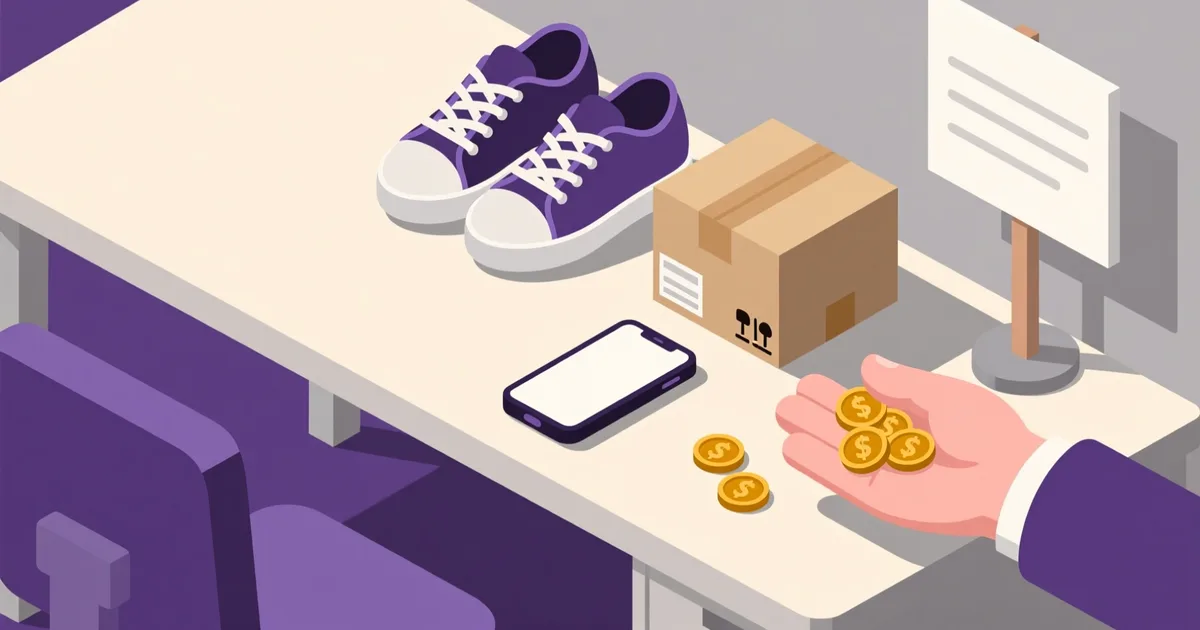
Shoes are one of the harder categories to move. Sizes are personal, fit depends on the last, and a buyer cannot try them on through a screen. That is why the same pair can sit for two months on one listing and sell in three days on another. The difference is almost never the shoes. It is the photos, the price, and how quickly you answer. Below is the process I would follow if I were clearing out a closet in Tel Aviv or Haifa this week: what to check before you photograph, how to read the market, how to spot the payment tricks that circulate in Israeli classifieds, and where to hand the box over without inviting trouble.
- Price against three live listings in your city, not against the original retail price.
- Six to eight photos, shot in daylight, including the sole and any wear.
- State the size in EU and US, the brand, and the exact flaw. Vague listings get ignored.
- Meet in a busy public spot, take cash or a bank transfer you can see in the app, and never ship before payment clears.
How to price second-hand shoes in Israel without leaving money on the table
Start with the sold market, not the asking market. In Israel, most private shoe sales happen on classifieds boards and in Facebook groups, where prices are negotiable and the first number is rarely the final one. Search your brand and model, filter by your city, and look at what is actually moving. A pair listed at 400 shekels for six weeks is not a 400-shekel pair. It is a 250-shekel pair that nobody has told the seller yet.
Three factors move the number more than anything else:
Condition
Deadstock with the box and receipt holds most of its value. Worn once or twice loses maybe 30 percent. Visible creasing on the toe box, worn heel rubber, or a lifted insole drops you into a different bracket entirely. Be honest here. A buyer who arrives and finds a crack you did not mention will walk, and you have spent an hour on the meeting.
Brand and model demand
Some models hold value in Israel because they are hard to find locally or expensive to import. Others, even from the same brand, sit for months. Check how many identical pairs are listed in the country right now. Five listings of the same shoe in the same size means you are competing on price. One listing means you set the price.
Size
Common sizes in men's and women's ranges sell faster. Unusual sizes, very small or very large, take longer but face less competition. If your size is rare, do not discount to move fast. Wait for the right buyer.
For a rough starting point, look at what comparable pairs ask in Tel Aviv, Jerusalem, and Haifa, then subtract 10 to 15 percent for negotiation room. Buyers in Israel expect to bargain. If you list at your true minimum, you will end up below it.
How do you photograph and describe shoes so the listing gets messages?
Photos decide whether anyone opens your listing at all. Shoot in daylight near a window, on a plain floor or a white sheet, with the shoes clean. Wipe the soles. Remove laces if they are dirty and wash them. This takes ten minutes and changes the response rate more than any description you can write.
What to include, in this order:
- Both shoes side by side, from the outer side.
- Top-down view showing the toe box and laces.
- The sole of each shoe, showing tread wear.
- Any flaw, close up. The scuff, the crease, the spot on the heel.
- The label inside the tongue, showing brand, size, and model name.
- The box, if you have it, and any spare laces or dust bag.
Six to eight photos is enough. Twenty photos of the same angle do not help and slow the page down.
What to write in the description
Lead with the facts a buyer filters on: brand, model, size in EU and US, colour, and condition in one plain sentence. Then the details. How long you wore them, whether you are the first owner, whether they have been resoled, and whether the fit runs small or large. If you bought them abroad, say so. Israeli buyers ask about customs and authenticity, and answering upfront saves you five messages.
Mention the pickup area by neighbourhood, not just the city. "Near Dizengoff Center" or "five minutes from Hof HaCarmel train station" tells a buyer whether the trip is worth it. Do not publish your street address. You will arrange that in the chat.
Write the flaw into the title. A listing that says "Nike Air Max 90, EU 42, worn heel" gets fewer clicks but far fewer wasted meetings. The buyers who message already accept the flaw, so the price conversation starts from a realistic place.
Where to list second-hand shoes in Israel
Classifieds boards work better than social media for shoes because buyers can filter by city, size range, and category, and because the listing stays visible for weeks instead of disappearing down a feed in an hour. EX & GO covers Israel alongside Ukraine and Central and Eastern Europe, and each listing shows the seller's history and reviews, which matters when a stranger is deciding whether to travel across town for a pair of boots.
Posting costs nothing. You add photos, a price, and your city, and buyers message you inside the site. Phone numbers are verified and listings pass moderation, which cuts down on the obvious junk but does not replace your own judgement. The deal itself is between you and the buyer: the platform holds no payments and does not act as an escrow. Read the posting rules at /en/rules before your first listing, particularly the sections on prohibited items and duplicate posts.
If you sell regularly, whether as a private person clearing a closet or a small shop moving returns, post a listing walks through the account and listing tools. For questions about how messaging, reviews, or reporting work, second-hand shoes covers the practical side.
We see the same pattern in shoe listings across Israeli cities: pairs with a clear size, a named model, and a photo of the sole get replies within a day, while listings that hide the condition sit unanswered for weeks.
How do you answer buyers and filter out scammers?
Answer fast and answer in writing. The first seller to reply with a clear answer usually gets the sale, even at a slightly higher price. Keep the conversation on the platform until you have agreed on a meeting point, so there is a record if something goes wrong.
Two scams show up repeatedly in Israeli classifieds, and both target shoe sellers specifically because the amounts are small enough that people do not want to make a fuss.
Fake payment screenshots
The buyer sends a screenshot that looks like a completed bank transfer or a Bit payment, then pushes you to ship or hand over the shoes before the money appears. Screenshots are trivial to fake. Open your own banking app or payment app and confirm the balance yourself. If the money is not there, the payment did not happen. There is no version of this where you hand over the shoes first.
Courier prepayment tricks
A buyer who cannot meet in person offers to send a courier and asks you to pay a small delivery or insurance fee upfront, promising to reimburse you with the purchase price. This is the advance-fee pattern. The courier does not exist. Legitimate buyers who want shipping pay the shipping cost themselves or use a service where you are paid before dispatch. If someone asks you to send money to receive money, end the conversation.
Other signals worth noting: a buyer who refuses to name a meeting place, who insists on moving to WhatsApp immediately, or who offers above your asking price without seeing the shoes. Any one of these alone can be innocent. Two together is a reason to stop replying.
Where to meet and how to hand over the shoes
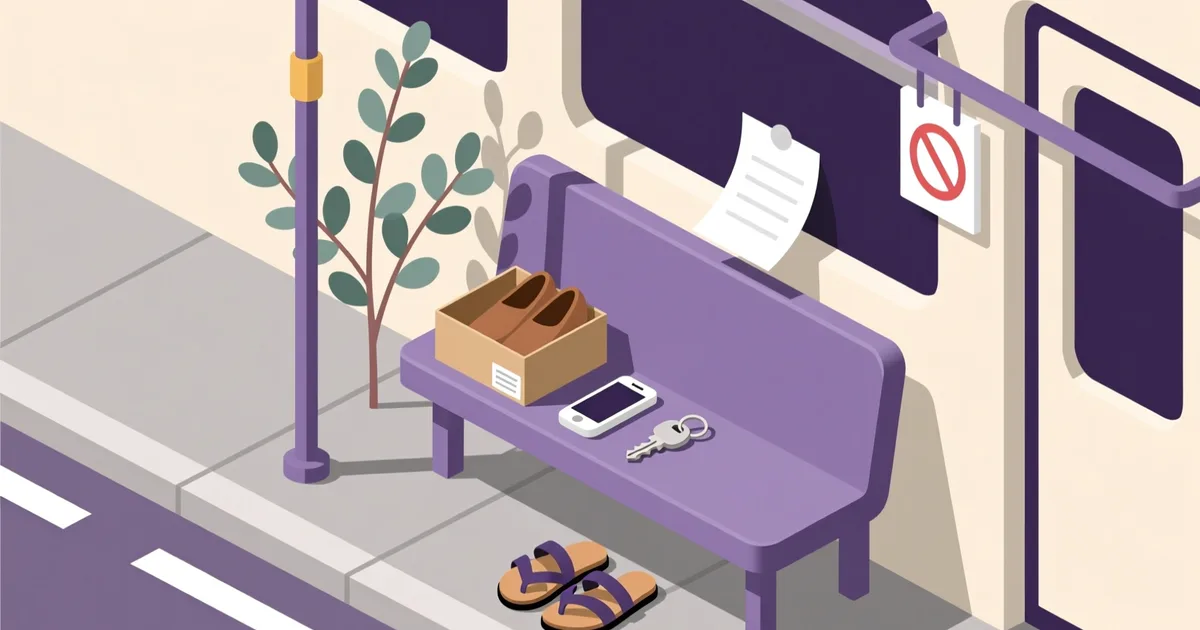
Meet in a busy public place during daylight. A mall entrance, a train station forecourt, a cafe with seating outside. In Tel Aviv, the area around Sarona or the reading room at Dizengoff Square works. In Jerusalem, the entrance to the Central Bus Station or a mall on Jaffa Road. In Haifa, the Carmel Center or the port area near the train station. Bring a friend if the meeting is in the evening.
Let the buyer try the shoes on if the setting allows it. A pair that fits sells and stays sold. A pair that does not fit comes back to you as a complaint.
Take cash, or a transfer you have confirmed in your own app before the shoes change hands. Count the cash before you hand over the box. This is not rudeness, it is standard practice, and most buyers expect it.
If you ship instead of meeting, use a tracked service, keep the receipt, and photograph the packed box with the label visible. Agree in writing who pays for shipping and what happens if the buyer says the shoes do not fit. Returns in private sales are a matter of what you agreed, not an automatic right.
Quick sale, best price, or trade-in: which route fits you?
Not every pair deserves the same effort. A worn pair of everyday sneakers and a limited release in the original box are two different projects. Here is how the three common routes compare.
| Route | Typical timeline | Price you get | Effort | Best for |
|---|---|---|---|---|
| Quick sale | 1 to 5 days | Below market, priced to move | Low: one listing, few photos, meet same week | Clearing space, moving apartment, sizes the kids outgrew |
| Best price | 2 to 8 weeks | Closest to real market value | High: good photos, detailed description, patient replies, possible re-listing | Rare sizes, limited models, pairs with box and receipt |
| Trade-in or resale shop | Same day | Lowest, often 30 to 50 percent of private sale | Minimal: hand them over, take the offer | Bulk clear-outs, pairs with no resale appeal, no time to meet buyers |
Most private sellers in Israel land somewhere between quick sale and best price. A reasonable middle: list at market minus 10 percent, keep the listing up for two weeks, and drop the price once if there is no interest. Two weeks is enough time to learn whether the price is wrong or the photos are.
Checklist before you publish
- Shoes cleaned, laces washed, insoles checked.
- Six to eight daylight photos, including both soles and every flaw.
- Size stated in EU and US, plus brand and model name.
- Condition described honestly, including how long you wore them.
- Price checked against three live listings in your city.
- Pickup area named by neighbourhood, not street address.
- Payment method decided: cash or confirmed transfer.
- Meeting place chosen, public and busy, daytime preferred.
- Posting rules read once, so your listing does not get removed.
Frequently asked questions
How much can I get for second-hand shoes in Israel?
It depends on brand, model, condition, and size. A worn pair of unbranded shoes might bring 30 to 80 shekels. Popular sneaker models in good condition with the box often sell between 150 and 500 shekels, and limited releases can go higher if there is demand. The reliable method is to search your exact model and size on a classifieds board, look at three live listings in your area, and price slightly below the middle. Asking prices are not sale prices, so check how long each listing has been up.
Do I need to pay tax when selling my own used shoes in Israel?
A private person selling personal belongings occasionally is not running a business, and the sale of used personal items is generally not treated as taxable income. The picture changes if you buy to resell, sell regularly, or move significant volume, which starts to look like business activity. Rules and thresholds change, and your situation may differ. Check the current guidance at gov.il or speak to an accountant before treating regular sales as a hobby.
How do I avoid scams when selling shoes through a classifieds listing in Israel?
Confirm every payment inside your own banking or payment app, never from a screenshot. Refuse any arrangement where you send money first, including courier fees, insurance, or a deposit to release funds. Keep the conversation on the platform until a meeting is agreed. Meet in a public place during the day. If a buyer pressures you to ship before payment clears, or offers more than your asking price without seeing the shoes, stop replying. Small amounts make people careless, which is exactly what the scam relies on.
Should I sell shoes as a private seller or through a shop?
A shop or trade-in service pays less, often 30 to 50 percent of what you would get privately, but it takes the shoes off your hands the same day. That trade is worth it when you have a bag of pairs to clear, when the models have no resale appeal, or when you simply do not want to spend evenings meeting strangers. For a single pair in good condition with a known brand, a private listing usually returns more for a few hours of work.
What if the buyer says the shoes do not fit after the sale?
Private sales in Israel are generally as-is unless you agreed otherwise in writing. That is why the size and fit notes matter so much in the listing. State the EU and US size, mention if the model runs small or large, and let the buyer try the shoes on at the meeting when the setting allows. If you ship, agree beforehand what happens with returns and who pays the shipping. Putting that in the chat before payment protects both sides.
Can I sell shoes without meeting the buyer in person?
Yes, but only with payment confirmed first. Use a tracked courier service, keep the receipt, and photograph the packed box with the label visible before dispatch. Agree in writing who covers shipping. Never send the shoes based on a payment screenshot, and never pay a courier fee upfront to receive a larger payment later. If a buyer insists on that arrangement, it is not a shipping preference, it is the scam.
What to do next
Pick one pair and run the process end to end before you photograph the whole closet. Clean them, shoot six photos in daylight, check three comparable listings in your city, and publish with an honest condition note and a neighbourhood for pickup. If you want to sell second-hand shoes in Israel without losing evenings to no-shows, the discipline is in the listing, not in the negotiation. Answer messages within an hour when you can, confirm every payment in your own app, and meet in daylight in a place with other people around. Most pairs move within two weeks at a fair price. If nothing happens in that window, the photos or the price are wrong, and one of them is easy to fix. The rest is patience.