Shoes: sneakers, boots, original brands
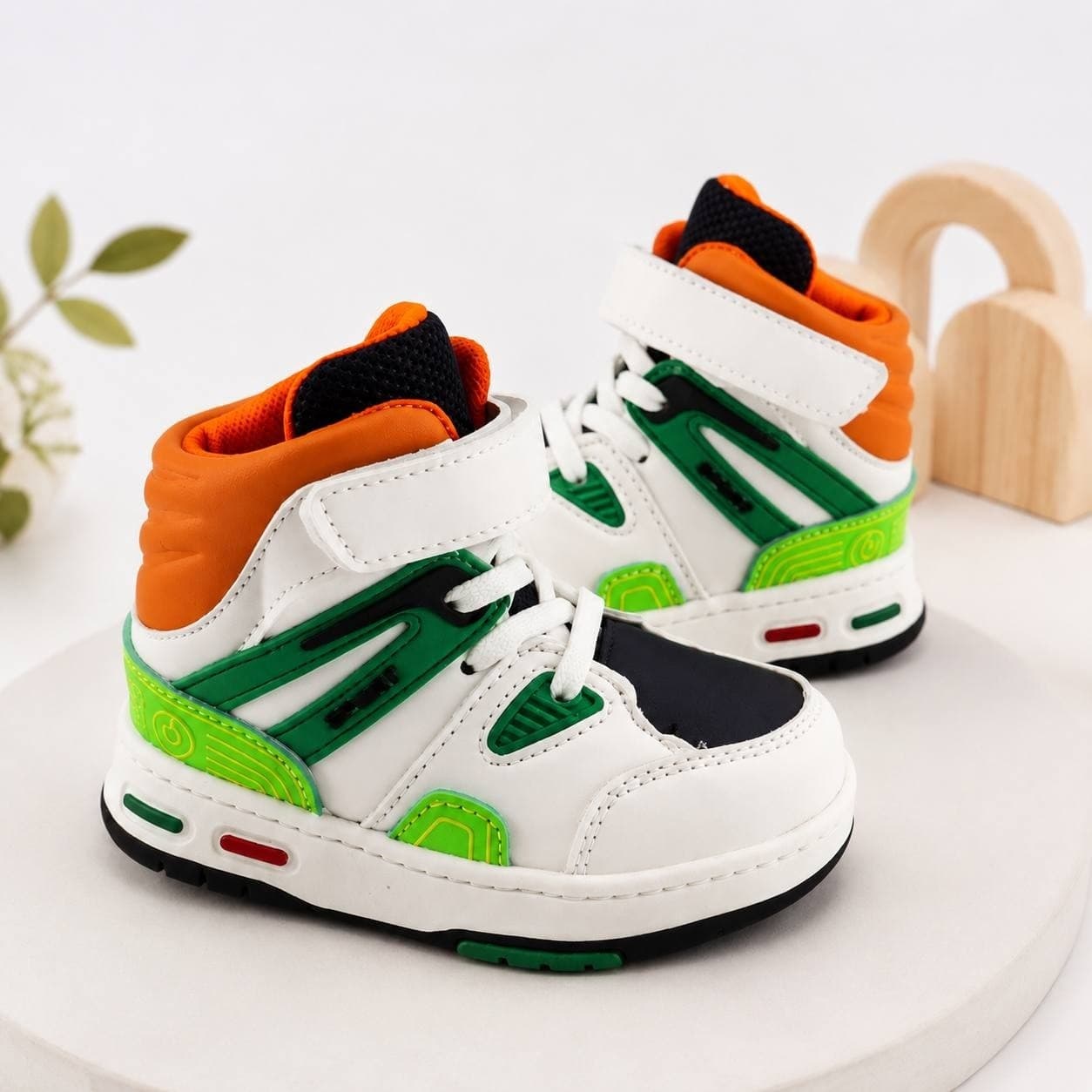
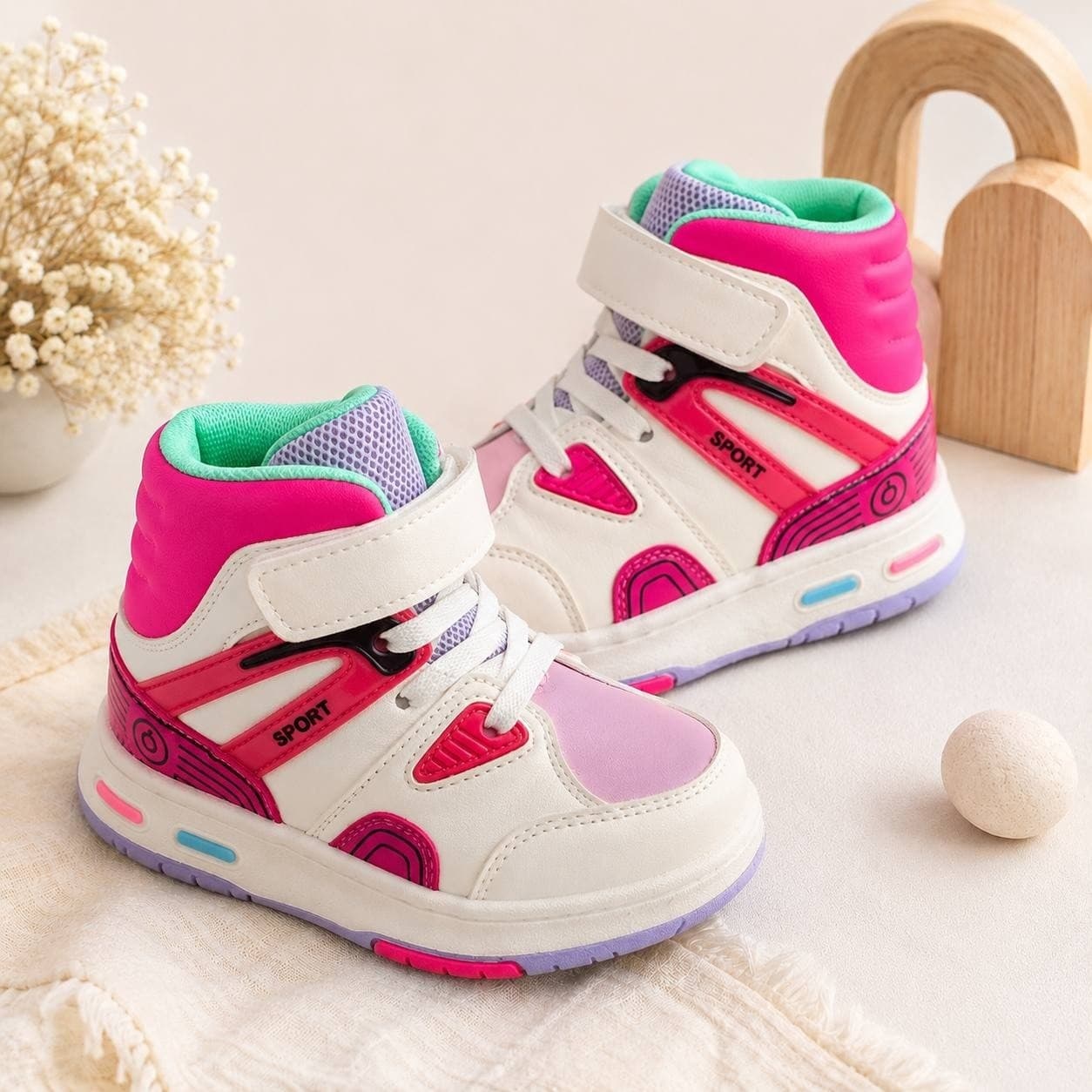
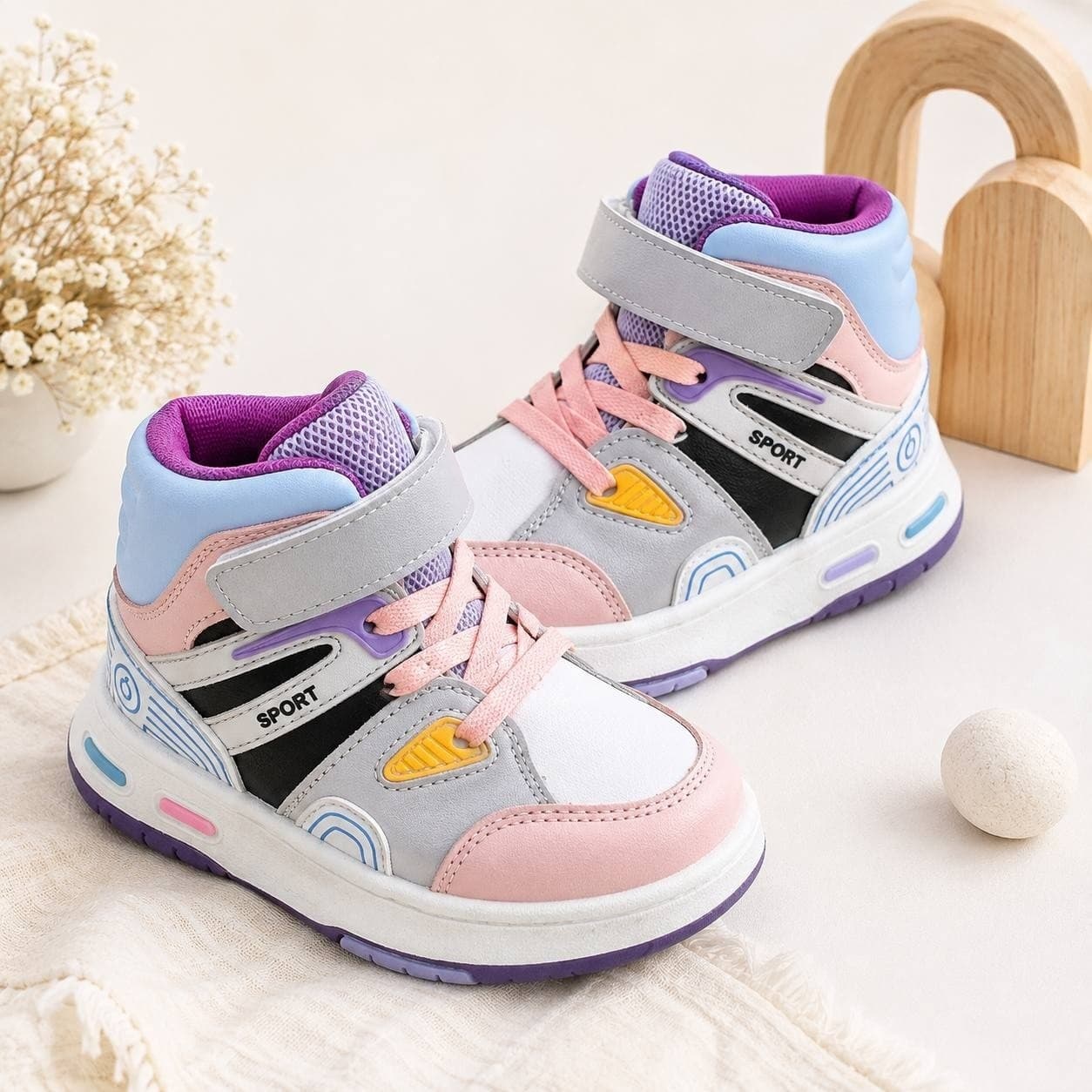
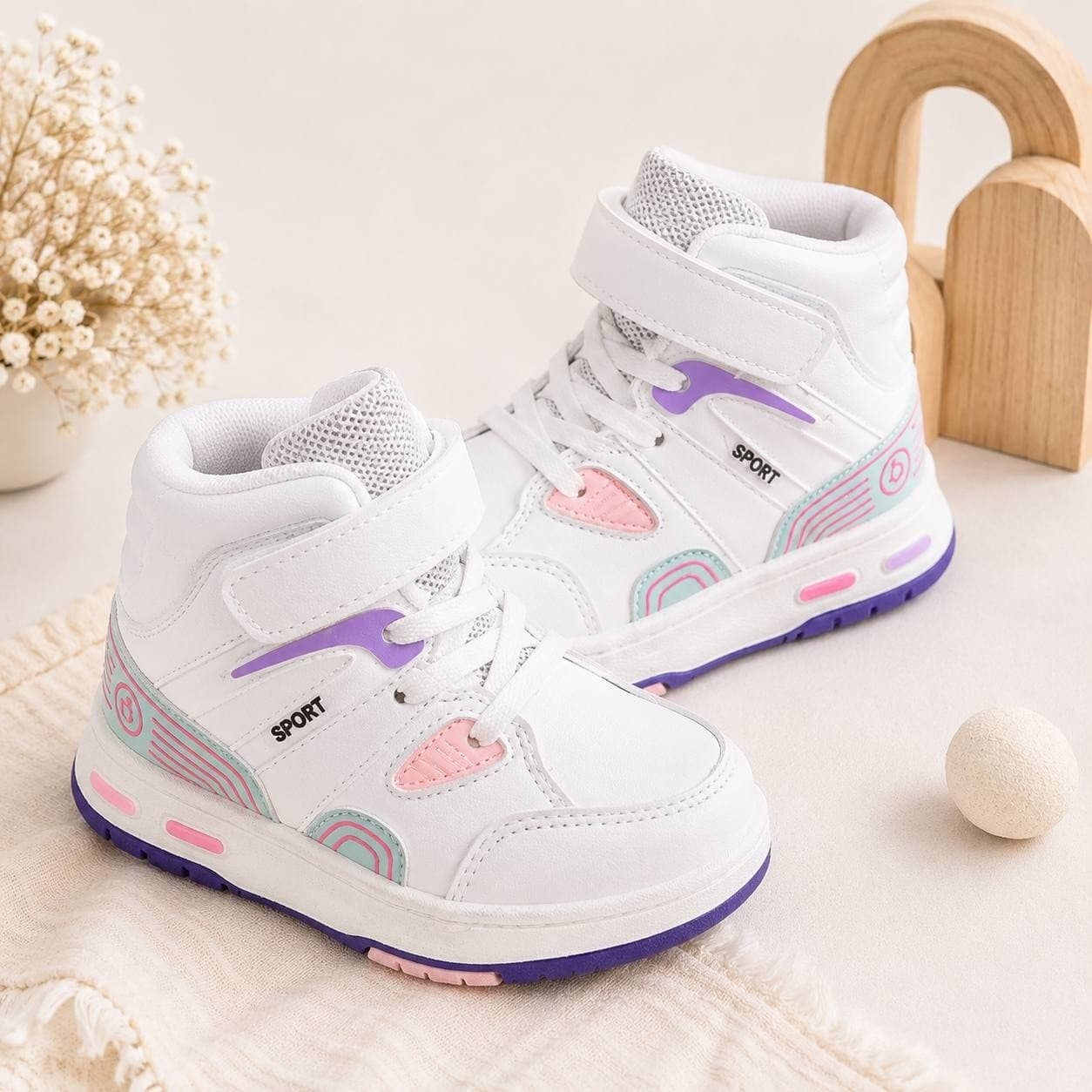
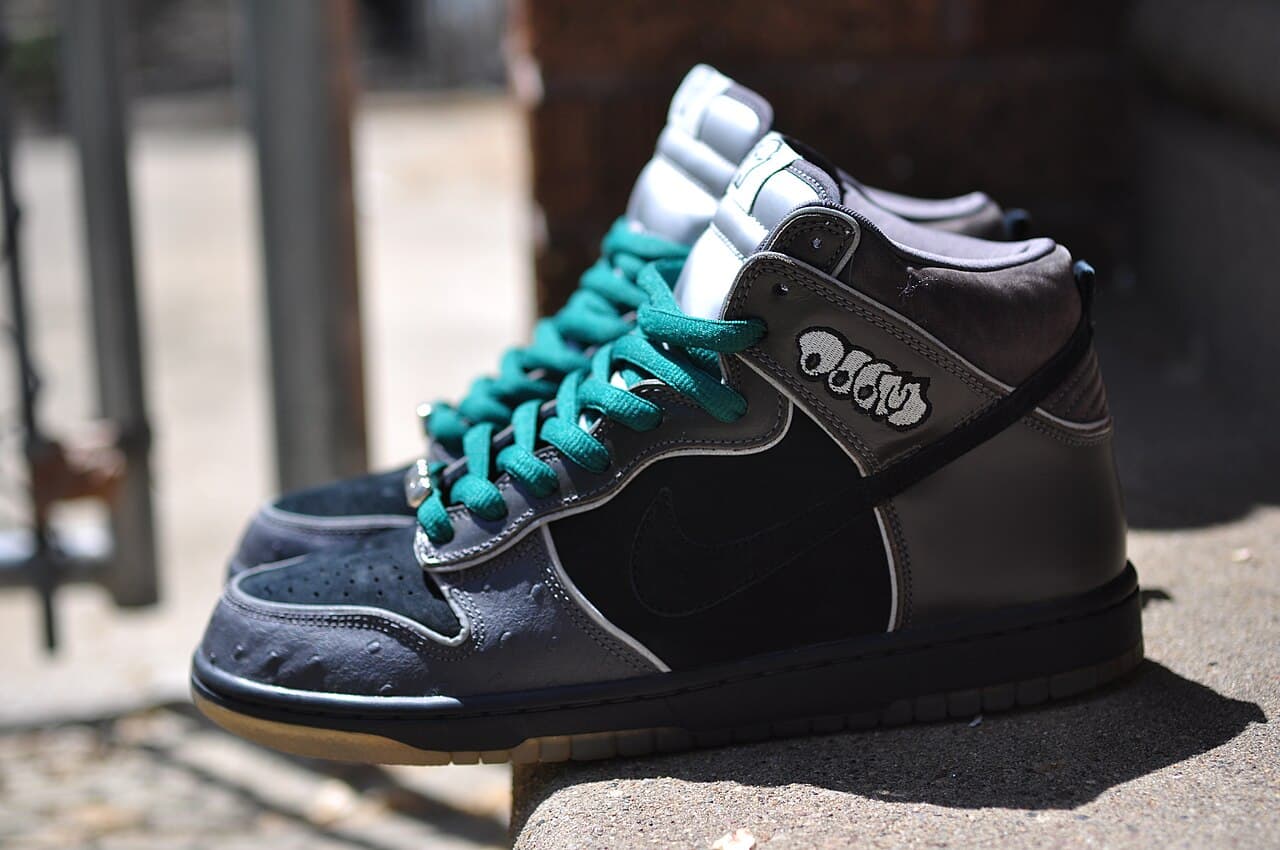
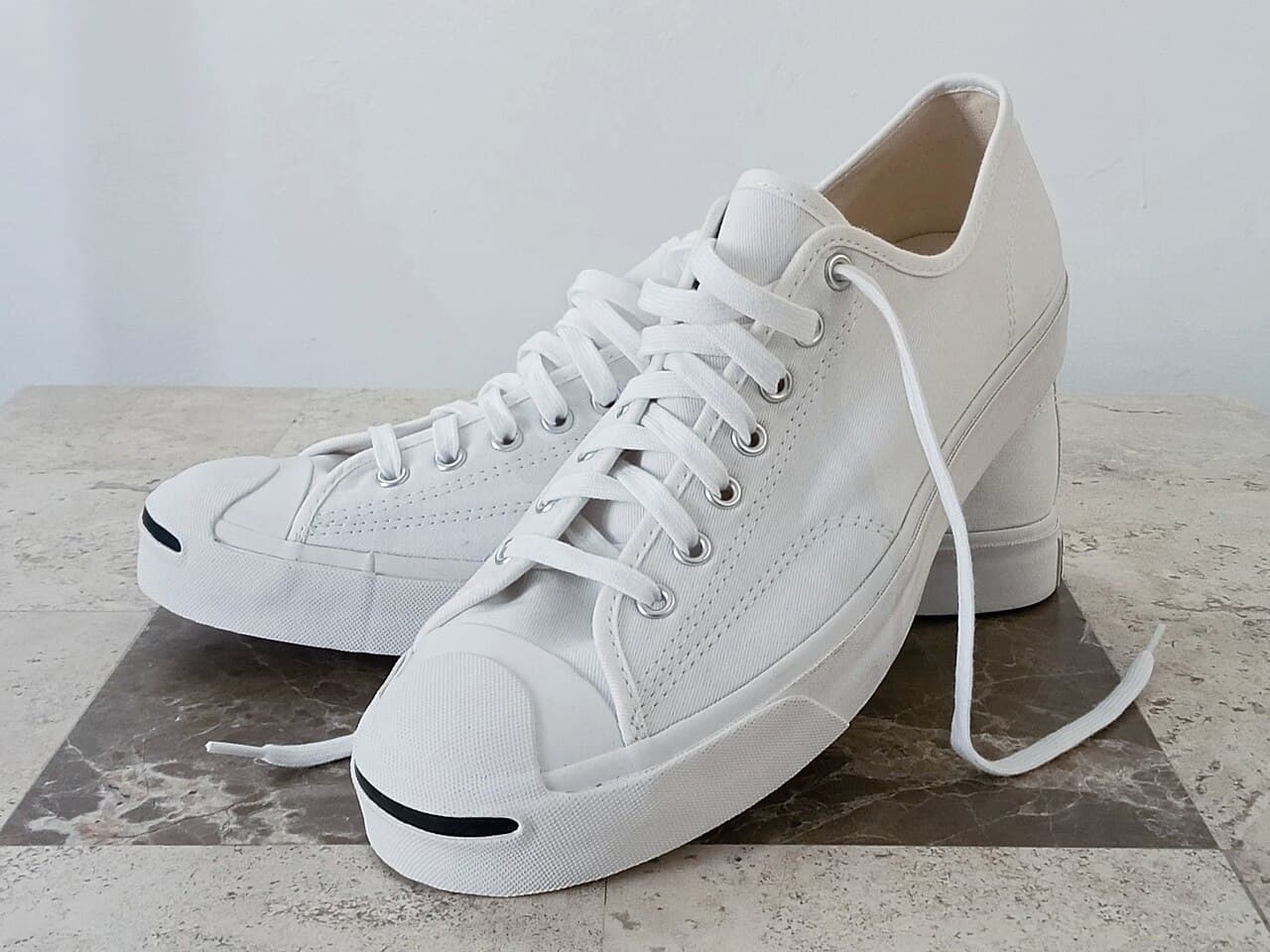
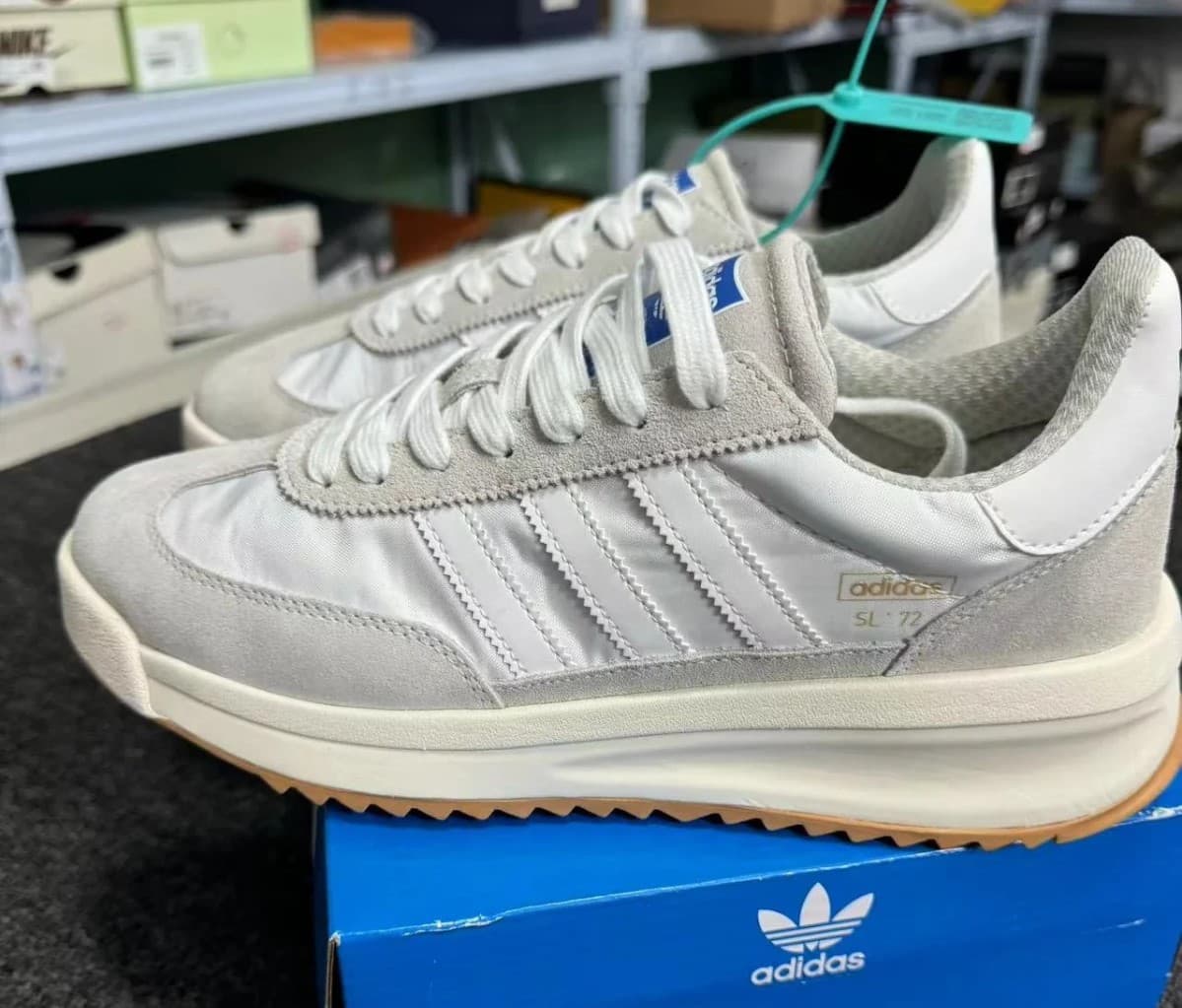
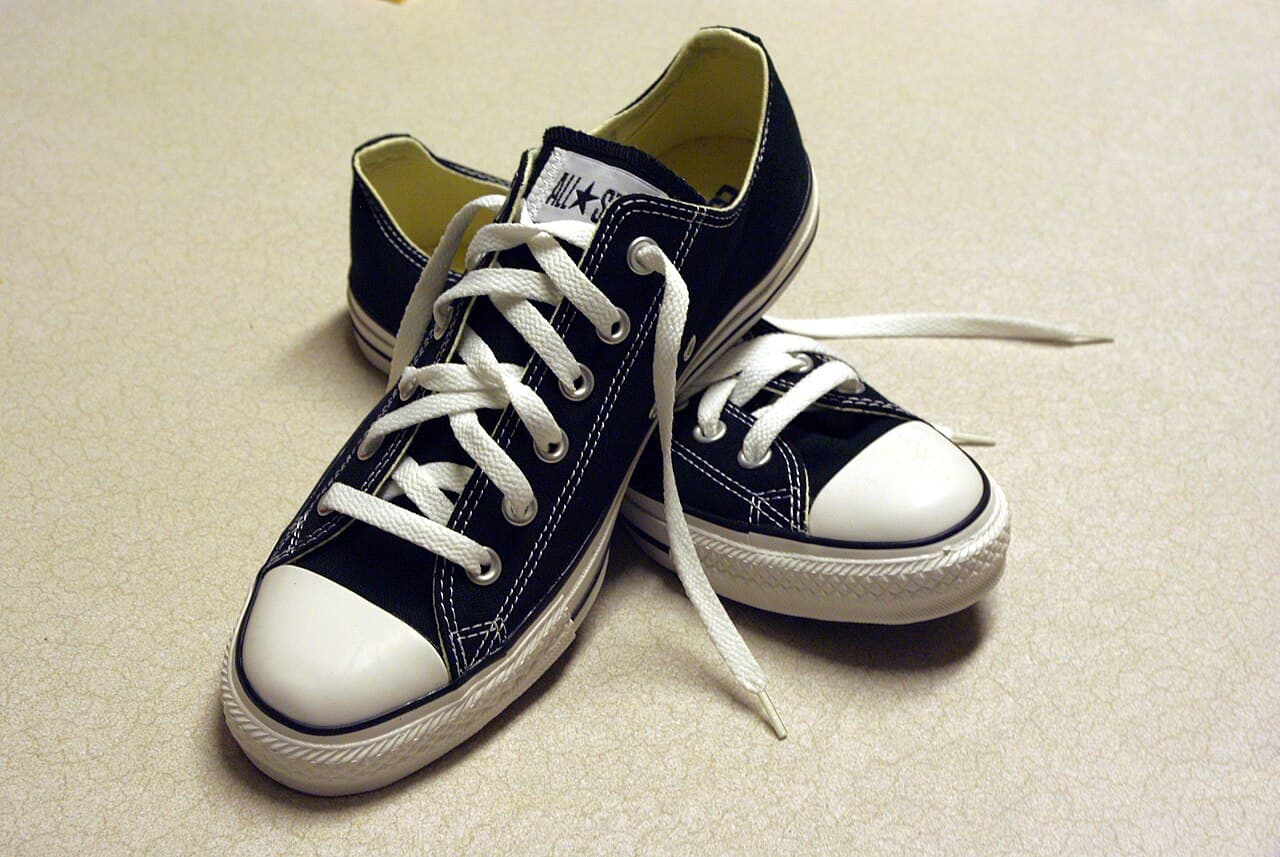
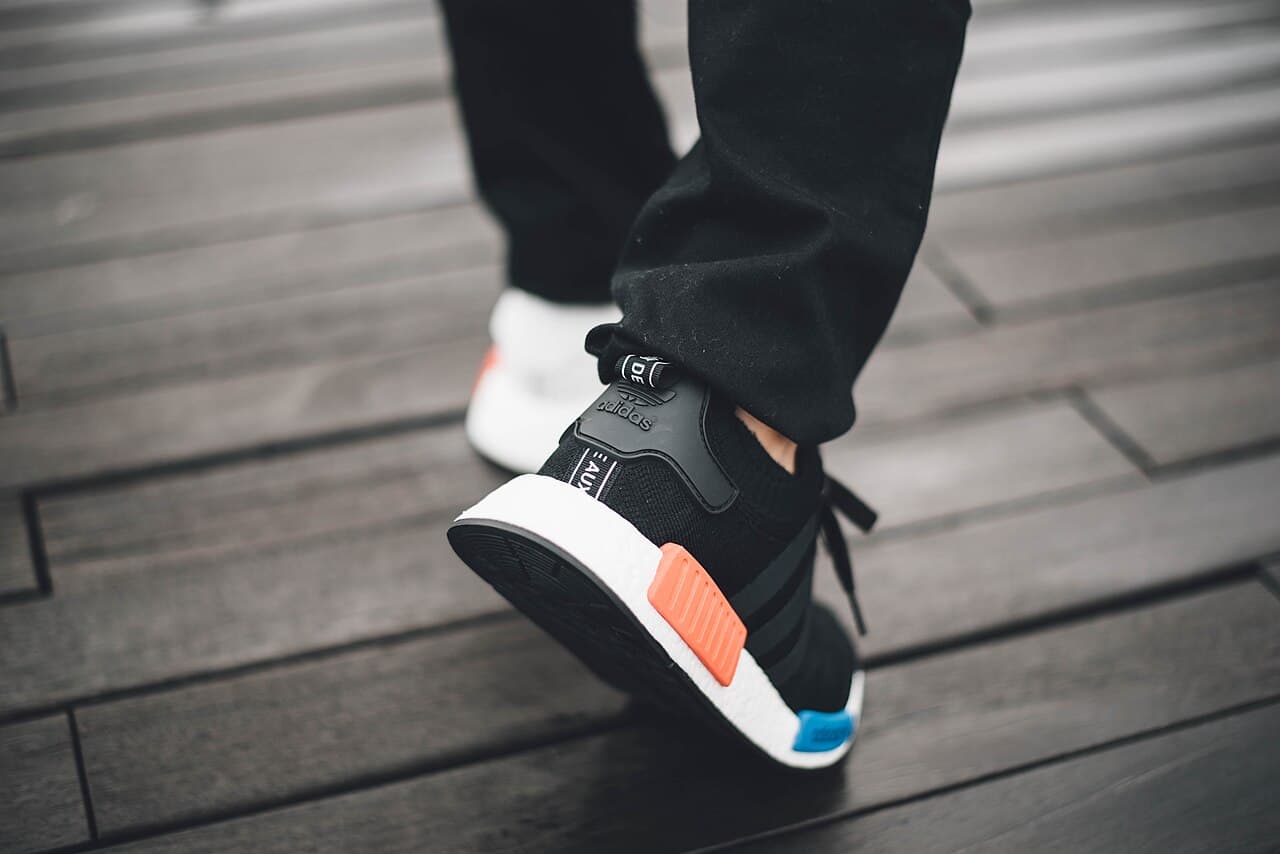
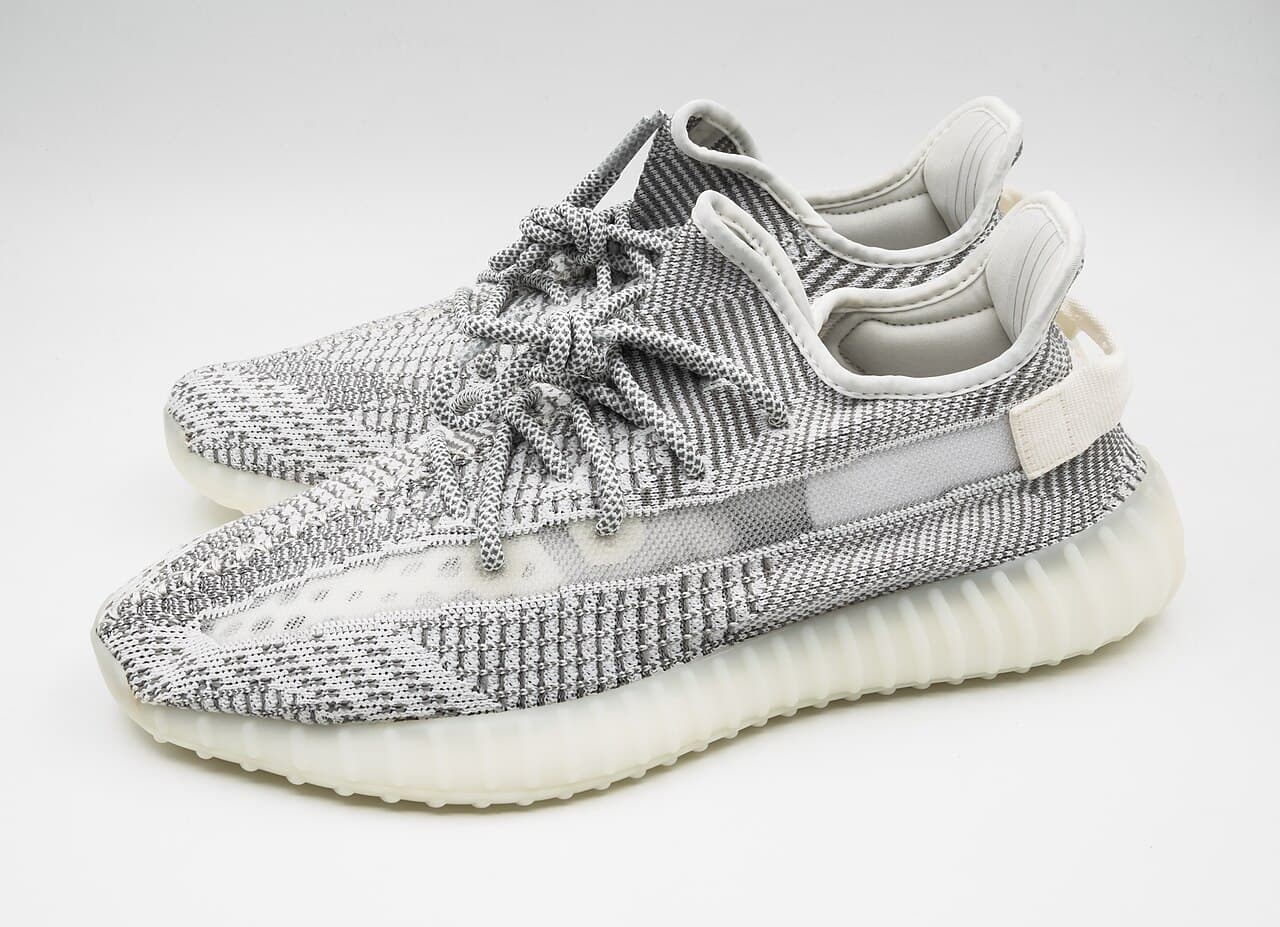
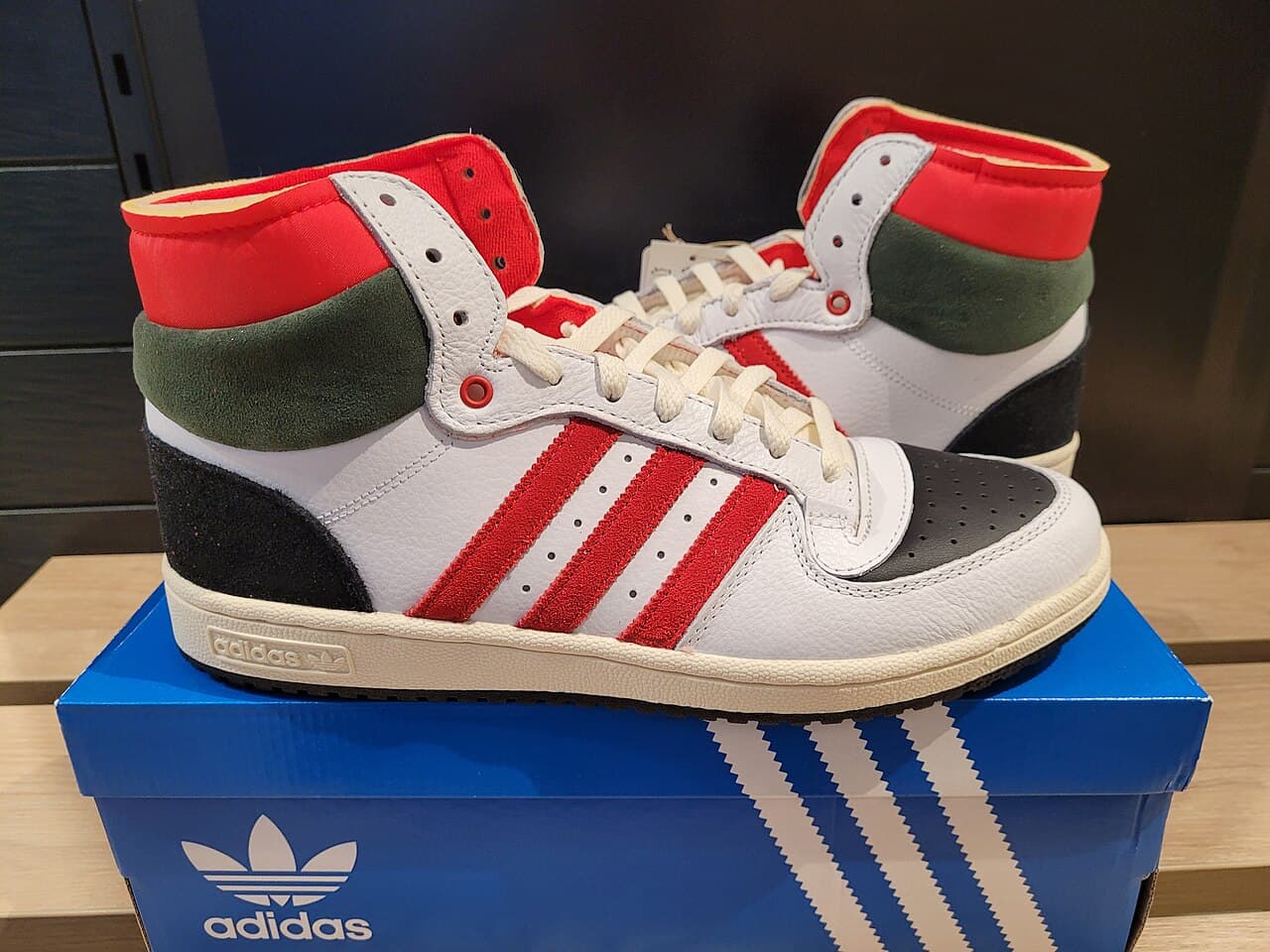
Nike, Adidas, New Balance, Dr. Martens — new and barely worn pairs. Originals at half price, insole measurements in chat, meet in your city.
Filters
Found: 29
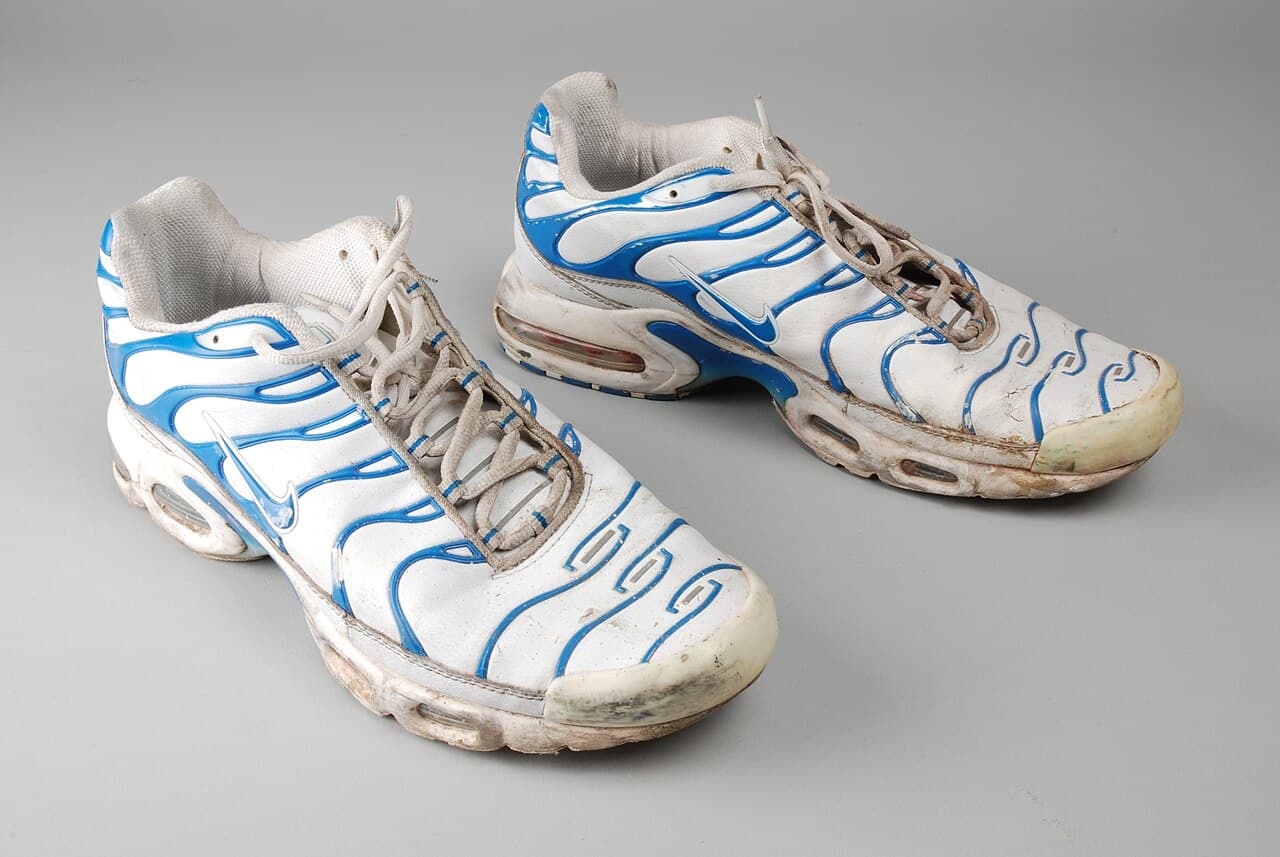
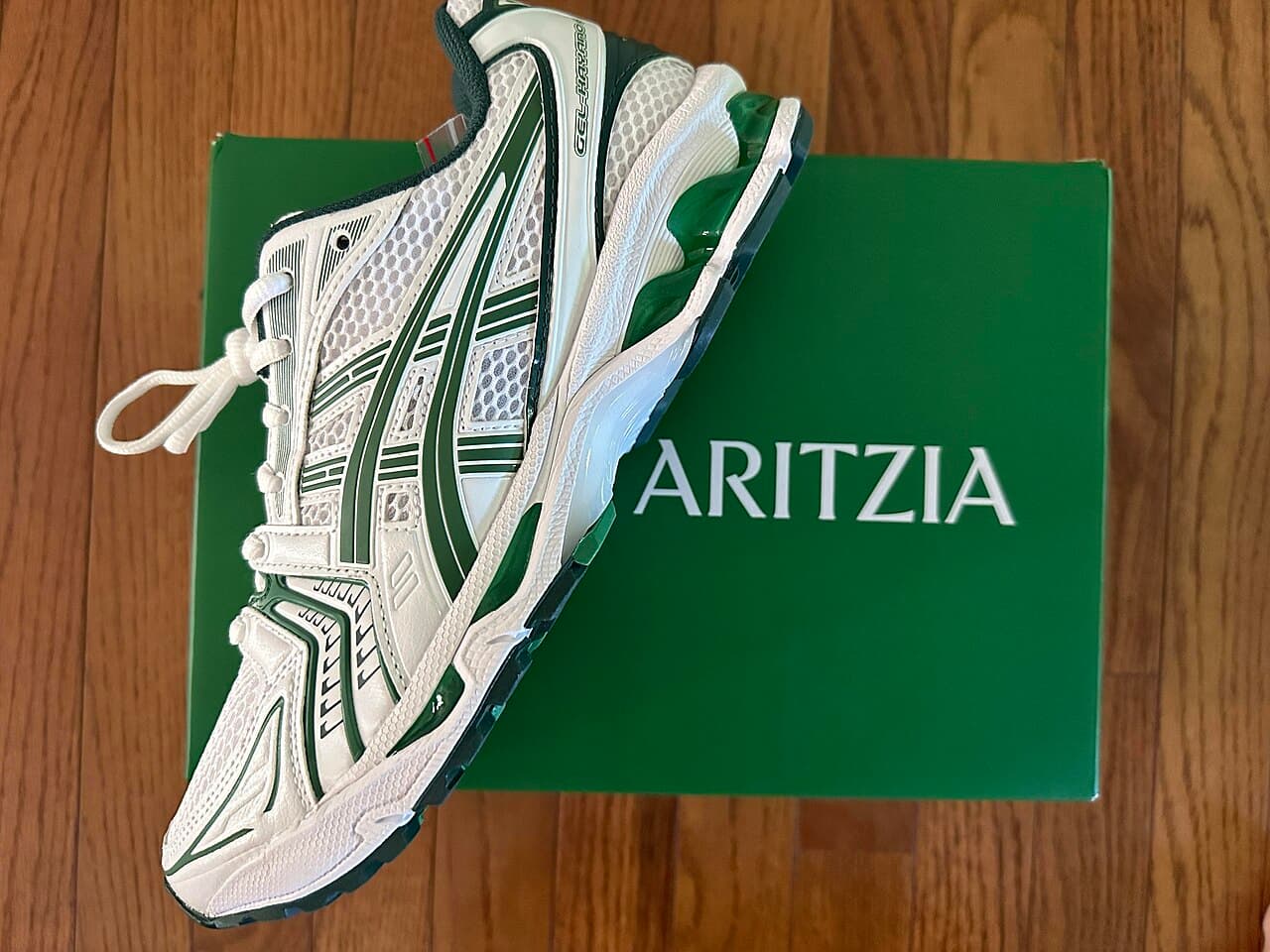

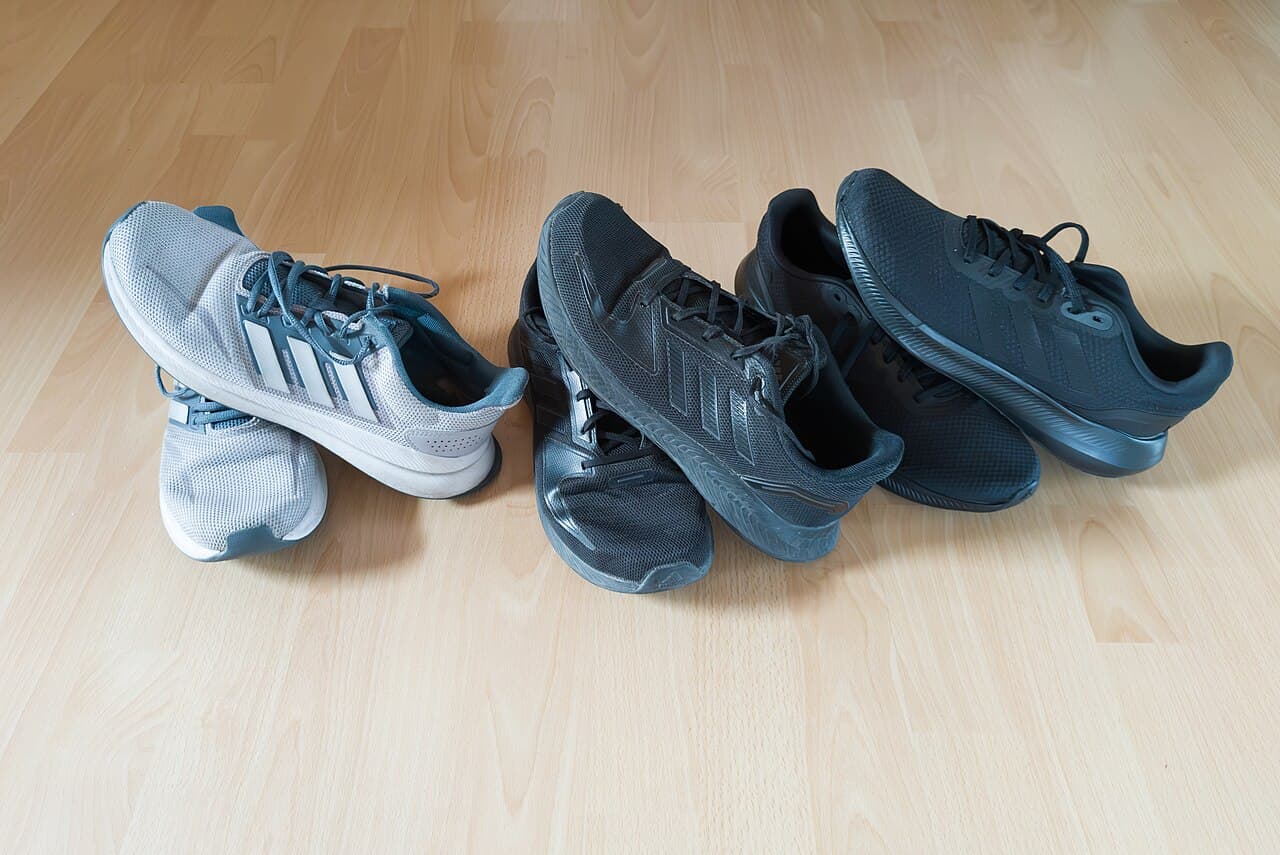
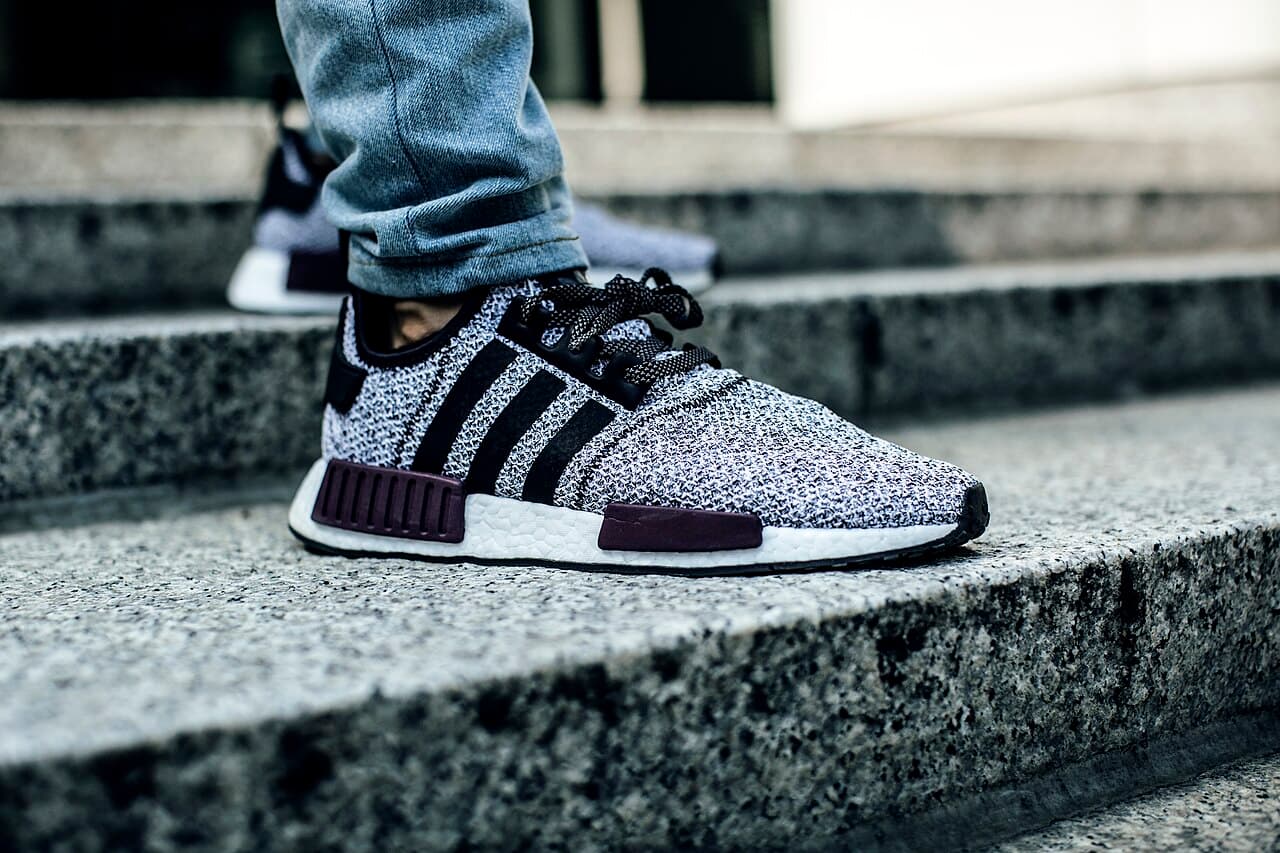

Market pulse
4
active listings
4
new this week
Good to know
The shoe resale market grew out of sneaker culture: sneakers became an asset people buy, wear and flip. But the real value is in the 'ordinary' segment: leather boots, loafers and dress shoes from good makers go nearly new at a quarter of the price because someone missed on size or style. The category's golden rule — try on, or know your insole length in millimeters.
When selling shoes, photograph the sole, heel counter and insole — that's how real wear is judged. State the insole length: brand size charts disagree, centimeters don't. Box and receipt are critical for expensive pairs — without them the price drops 20–30%. Clean the pair before shooting: clean shoes on a neutral background sell several times faster.
Questions & answers
How do I verify sneakers are original?
Match the article number on the tongue tag with the official site — model and colorway must agree. Check glue quality, seam symmetry and a box with the same article. Half the market price for no reason is the biggest fake flag.
What size should I ask for if brands run small?
Ask for the insole length in centimeters and compare with yours. It beats EU/US sizes: the same length can differ by a full size between Nike and New Balance.
What do I look at in used shoes?
Sole wear at the edges and heel — it can't be hidden. The heel counter should hold its shape, the insole shouldn't have deep footprints. Light sole wear on leather shoes is fine: heel taps cost pennies.
Is buying used shoes hygienic?
Yes, with basic treatment: replace the insoles (they cost pennies) and treat the inside with an antiseptic spray. A large share of listings are shoes worn a few times. The exception is footwear visibly molded to someone else's foot — skip it regardless of hygiene.
Winter shoes second-hand: what deserves attention?
The seam between sole and upper (leaks start there), the fur condition at the heel, membrane integrity on hiking models. Salt from past winters leaves white stains — removable, but a sign of heavy use.
How do I get my size right in a specific brand without trying on?
Measure your foot in millimeters in the evening (feet are bigger) and compare with the listed insole length, not the EU/US size. Allow 5–10 mm for sneakers, 0–5 mm for dress shoes. The same '43' in Nike, New Balance and classic shoes is three different lengths.