To sell a puppy in Slovakia, post a clear listing with real photos, an honest age and vaccination status, a price matched to similar ads in your region, and meet the buyer in person before any money changes hands. Most delays come from weak photos and vague descriptions, not from the market. Payment is arranged directly between you and the buyer.
Slovakia has a steady demand for puppies, but the market is small enough that a badly written ad sits unnoticed for weeks. Buyers in Bratislava, Košice, Žilina and smaller towns like Martin or Poprad scroll through dozens of listings, and they skip anything that looks copied or rushed. Your job is to make the ad easy to trust in the first three seconds: one clean photo, a real price, a city, and a short paragraph that answers the obvious questions before they are asked.
This guide covers pricing against current listings, photographing a puppy without a studio, writing a description that filters out time wasters, spotting fake payment screenshots, choosing a safe meeting place, and what Slovak rules apply to a private sale. It is written for private sellers and small breeders who want a fast, clean deal without risk.
- Price against five to ten similar listings in your region, not against the highest ad you can find.
- Four to six photos in daylight beat twenty blurry ones; show the face, the coat and the mother if possible.
- Meet in a public place during the day, take payment in cash or by instant bank transfer, and never ship a puppy on a promise.
- Keep the vaccination record, microchip paperwork and a signed handover note ready before the buyer arrives.
How to price a puppy against similar listings in Slovakia
Start by opening the same category where you plan to post and reading the current ads for the same breed in your region. Prices in Slovakia vary widely by breed, pedigree and region, so a national average tells you little. Look at ads within 50 km of your city, since most buyers will not drive across the country for a puppy.
Write down the asking price of eight to ten comparable listings, note the date each was posted, and see which ones are still active after two weeks. An ad that has been up for a month at the same price is usually overpriced or badly presented. That gap is your opening: match the lower end of the range if you want a quick sale, or sit at the middle if the paperwork and pedigree justify it.
What moves the price up or down
Pedigree papers from a recognised club, a microchip, a completed vaccination course and a health check from a veterinarian all support a higher asking price. Mixed-breed puppies and litters without documents sell mostly on temperament and price, and buyers in that segment compare you against free or very cheap ads. Be honest about what you have. A buyer who arrives expecting papers and finds none will walk, and you have lost a weekend.
Do not treat the highest price on the market as a target. Some ads are posted by breeders with a waiting list and a reputation built over years, and their price reflects that, not the general market. If you are selling one litter from a family dog, your competition is the other private sellers in your district.
Photograph the puppy at eye level in daylight near a window, not with a flash. Flash washes out the coat colour, which is exactly what a buyer is trying to judge, and it makes every breed look the same.
How to write a puppy listing in Slovakia that gets messages
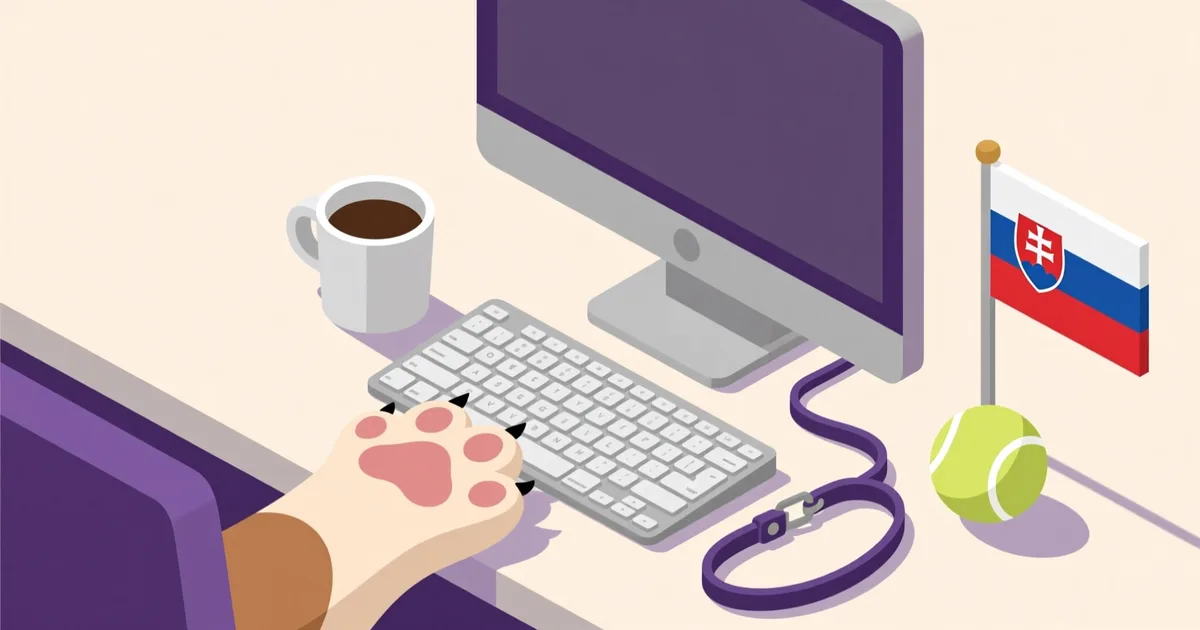
A listing that gets replies answers four questions in the first two lines: what breed or mix, how old, where, and how much. Everything else supports those four. Buyers filter by city and district radius, so put the actual town in the title, not just "Bratislava region" if you live in Senec.
Describe the puppy, not your feelings about it. Age in weeks, sex, colour, expected adult size if you know the parents, vaccination and deworming dates, microchip number if it has one, and whether papers exist. Mention how the puppy behaves around children and other animals if you have observed it. That is the information a serious buyer needs to decide whether to message you.
Photos that do the work
Take the photos outside on an overcast day or indoors near a large window. One photo of the whole litter together, one of the puppy standing, one of the face, and one of the mother if she is with you. Avoid filters, stickers and text overlays; they read as a commercial ad and push private buyers away. If the puppy has a distinctive marking, show it clearly.
Answers to prepare before you post
Expect the same five questions: Is it still available? Can I see the parents? Is it vaccinated and chipped? Can you hold it until the weekend? Will you deliver? Decide your answers now, and put the ones you can into the ad text. Writing "pickup in Nitra, no delivery" saves you ten conversations a day. You can also check the posting rules on the platform before you publish, so your ad is not removed for a formatting mistake: /en/rules.
Quick sale, best price or trade-in: which route fits you
There is no single best way to sell a puppy in Slovakia. The right route depends on how fast you need the litter gone and how much paperwork you hold. The table below compares the three realistic options for a private seller.
| Route | Typical timeline | Price level | Effort | Main risk |
|---|---|---|---|---|
| Quick sale | Days to two weeks | Below market, priced to move | Low: one ad, fast replies | Leaving money on the table |
| Best price | Three to eight weeks | At or slightly above comparable ads | High: photos, updates, many messages | Puppy grows older, interest drops |
| Trade-in or breeder buyback | Same day to one week | Clearly below private market | Very low | You lose control over the next owner |
Quick sale suits a seller with a litter of six and limited time. Best price suits a breeder with papers, a health record and patience. Trade-in, where a kennel or pet shop takes the puppy off your hands, moves the animal immediately but pays the least and gives you no say in where it ends up. If the puppy's welfare matters more than the money, that last point is the one to weigh.
How to answer buyers and filter out scammers
Reply within a few hours, in full sentences, and ask one question back: when would you like to see the puppy? That single question separates real buyers from collectors of photos. Someone who cannot name a day is usually not buying.
Fake payment screenshots are the most common trick. A buyer sends an image of a bank transfer, says the money is on the way, and asks you to hand over the puppy or pay a courier fee. A screenshot is not a payment. Check your own banking app, and if the money is not there, the puppy does not leave. No legitimate buyer objects to waiting ten minutes for a transfer to clear.
Courier and prepayment tricks
The second pattern involves a "courier" who will collect the puppy and deliver it to a buyer in another region. The seller is asked to pay a deposit or an insurance fee upfront, usually through a link. There is no courier. The link takes your card details. If a buyer insists on a shipping company you have never heard of, end the conversation.
Other signals worth noting: a buyer who refuses a video call, one who offers far more than your asking price and wants to overpay "by mistake", and one who pushes you to move the chat to a messaging app immediately. Any of these on their own is not proof, but two together mean you should stop replying.
Where to meet and how to hand over a puppy safely

Meet at your home if you have a yard and someone else present, or in a public place in daylight: a petrol station forecourt, a supermarket car park, or a busy park entrance. Bring a friend. Do not invite a stranger to an empty house, and do not go alone to an unfamiliar address.
Let the buyer spend fifteen minutes with the puppy. A serious buyer wants to see how it moves, whether it is alert, and how it reacts to being handled. This is also your chance to judge them. Ask where the puppy will live, whether they have a veterinarian, and whether the landlord allows animals. Refusing to answer is an answer.
Paperwork to hand over
Prepare a simple handover note with the date, the puppy's microchip number if it has one, the vaccination dates, and both names. Keep a copy. If the puppy is registered, the pedigree or registration documents transfer with it. A buyer who asks for nothing in writing is unusual, and worth a second look.
Take payment in cash or by instant bank transfer confirmed in your app before the puppy leaves your hands. We see the same pattern in our own catalogue: listings with clear photos, a real city and a stated price get replies within hours, while vague ads sit untouched for weeks. EX & GO is where you can compare local prices and check a buyer's history before you agree to meet.
Where a complaint arises later, the platform's support pages explain how to report a listing or a user: /en/support. Keep your messages inside the site until you have met, so there is a record if something goes wrong.
What applies to a private sale in Slovakia
A private sale between two individuals is not the same as a sale by a registered breeder or a shop. Consumer protection rules that apply to a business seller, including a statutory right to withdraw, generally do not apply when you sell as a private person. That cuts both ways: the buyer has fewer formal protections, and you have fewer formal obligations, but you still cannot misrepresent the animal.
If you sell repeatedly or as a business, different rules apply, including tax and registration duties. The Slovak Ministry of Interior publishes information on dog registration and related obligations at Ministerstvo vnútra SR, and the Slovak Trade Inspection Authority handles questions about commercial selling at Slovenská obchodná inšpekcia. Read both if you are unsure which category you fall into. When in doubt, ask a veterinarian or a local authority rather than guessing.
Vaccination and microchipping practice is set by veterinary rules, and a buyer may ask to see the pet passport or vaccination record. Have those documents ready before the first visit, not after a deal is agreed. A missing record is a legitimate reason for a buyer to walk away, and it is the easiest thing to fix in advance.
Checklist before you publish
Run through this list once. It takes ten minutes and prevents most of the problems described above.
- Price checked against eight to ten current listings within 50 km.
- Four to six daylight photos, no filters, face and coat visible.
- Title includes breed or mix, age and your town.
- Ad text states sex, age in weeks, vaccination and deworming dates, microchip status, papers yes or no, pickup only or delivery.
- Vaccination record and handover note prepared.
- Meeting place chosen, daylight, with a second person present.
- Payment method decided: cash or instant transfer confirmed in your app.
- Platform posting rules read at /en/rules before publishing.
Frequently asked questions
How fast can I sell a puppy in Slovakia?
A well-priced listing with clear photos and a real city usually gets its first serious messages within a few days, and a completed sale within one to three weeks. Ads that sit for a month are almost always priced above the local market or described too vaguely. If nobody has written after ten days, change the main photo and recheck your price against current comparable ads before lowering it further.
Should I accept a bank transfer screenshot as payment?
No. A screenshot proves nothing, because it can be edited or taken before a transfer is cancelled. Confirm the money in your own banking app first, then hand over the puppy. If a buyer pressures you to release the animal before the funds appear, or offers to send a courier once you pay a fee, stop the conversation and report the account.
Do I need papers to sell a puppy in Slovakia?
Not always. Mixed-breed and non-registered puppies are commonly sold without pedigree documents, and buyers in that segment know it. What you do need is honesty: state clearly whether papers exist. A vaccination record and microchip are separate from pedigree and are usually expected. If you claim papers you do not have, the buyer will find out at the meeting and the deal ends there.
Where is the safest place to meet a buyer?
A public place in daylight with another person present: a petrol station, a busy car park, or a park entrance. Many sellers prefer their own yard because the puppy is calmer there, which is fine if someone else is home. Avoid meeting alone after dark, and avoid going to an address you have not verified. Share the meeting details with someone you trust.
Can I sell a puppy as a private person in Slovakia?
Yes, private individuals sell puppies, but the rules differ from those for a business seller. Consumer withdrawal rights that apply to shops generally do not apply to a private sale. If you sell repeatedly, or breed as a business, tax and registration obligations may apply. The Ministry of Interior and the Slovak Trade Inspection Authority publish the relevant guidance, and a veterinarian can point you to current requirements.
What should I do if a buyer refuses to answer basic questions?
Treat it as a warning sign. A buyer who will not say where the puppy will live, whether they have a veterinarian, or when they can meet is usually not serious, and occasionally is collecting information for a scam. You are not obliged to sell to anyone. End the conversation politely, keep the messages as a record, and report the user to the platform if the behaviour repeats.
Getting the deal done without the risk
To sell a puppy in Slovakia without trouble, control the three things you can control: the price, the presentation and the handover. Price against real local ads, photograph in daylight, write the facts in the first two lines, and meet in a public place with a second person present. Confirm the payment in your own banking app before the puppy leaves your hands, and keep the vaccination record and a signed handover note ready.
Almost every bad story in this market starts with a rushed handover or a vague ad. Neither is hard to avoid. Take an extra day to prepare, answer questions in full, and walk away from any buyer who pushes you to skip a step. The right buyer for your litter is out there, and they will not mind waiting ten minutes for a transfer to clear.
See also: post a listing, puppies and dogs.