To buy a puppy in Slovakia, start with the seller rather than the photo: private listings on classifieds, breeders registered with a recognised club, and pet shops all operate under different rules, and only the first two let you meet the mother. Expect to pay between roughly 150 and 1,200 euros depending on breed, papers and region, and never send a deposit before you have seen the animal in person.
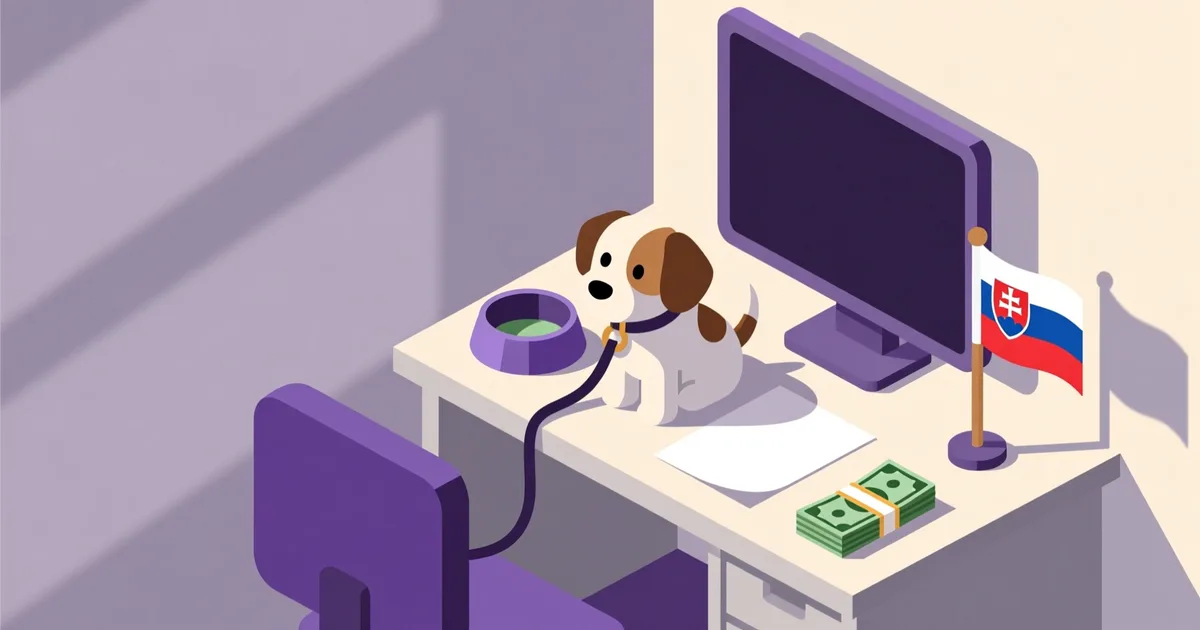
Most buyers in Slovakia search on a phone, often in the evening, and decide within a day or two. That speed is exactly what fraudulent sellers rely on. A real listing has a city, a district, several photos of the same puppy at different angles, and a price that matches the breed. A fake one has one stock photo, a price that is too low for a French Bulldog in Bratislava, and a seller who suddenly lives in another region and wants a deposit by bank transfer before you travel.
This guide walks through where puppies are listed, how to read a listing properly, what to check when you meet the dog, how the handover works, and what Slovak consumer rules do and do not cover. Keep it open on your phone at the meeting.
- Meet the puppy and, where possible, the mother before any payment.
- Ask for the pet passport, vaccination record and, if claimed, pedigree papers.
- Never pay a deposit to an unseen seller or accept a courier delivery as the first handover.
- Get a written receipt with the seller's name, the price and the date.
Where to buy a puppy in Slovakia
Three channels dominate: private sellers on classifieds, breeders tied to a club or kennel, and pet shops. Each carries a different level of risk and a different price.
Private listings are the largest group. On EX & GO you can filter by city and by radius around your district, which matters in a country where a two hour drive separates Bratislava from Nitra or Žilina. A listing there shows photos, price, city and the seller's history, so you can see whether the same account has posted ten litters in six months or one dog.
Registered breeders work through clubs such as those affiliated with international kennel organisations. You usually get a pedigree, a health check on the parents, and a waiting list. The price reflects that work.
Pet shops and pet markets are the fastest route and the least transparent. Puppies there often come from commercial breeding operations, and you rarely see the mother. If a seller cannot tell you where the litter was born, walk away.
Reading a listing before you message
Look at the photo set first. A genuine seller has pictures of the whole litter, the mother, and the room or yard where the puppies live. Reverse image search the main photo; stock photos and photos lifted from foreign sites appear in other listings immediately.
Then read the text for contradictions. A price of 80 euros for a breed that normally costs 600 in Košice is not a bargain, it is bait. A seller who writes that the puppy is "already in Poland" but the listing says Prešov is preparing a courier story.
Check how long the account has existed and what else it has posted. On a marketplace with visible seller history, a profile with twenty unrelated listings and no reviews behaves differently from one with a single litter and buyers who came back to comment.
If the seller refuses a video call from the room where the puppies are kept, stop there. It costs them two minutes and it is the single fastest way to separate a real litter from a copied photo.
Scam patterns that repeat in Slovakia
Prepayment is the most common. The seller asks for 50 or 100 euros to "reserve" the puppy, usually by instant transfer, and the number goes quiet. Courier tricks come second: the puppy will be delivered by a transport company, you only pay the shipping, and the company does not exist.
Some listings borrow a real breeder's photos and name. A quick call to the kennel named in the ad settles it. Others push you off the platform into a private chat within the first message, which removes any record of what was promised.
Keep the conversation inside the marketplace where possible, and check the site's posting and conduct rules if a listing looks wrong. Moderation removes listings, but it cannot recover money you sent voluntarily.
Private seller, breeder or shop: what you are comparing
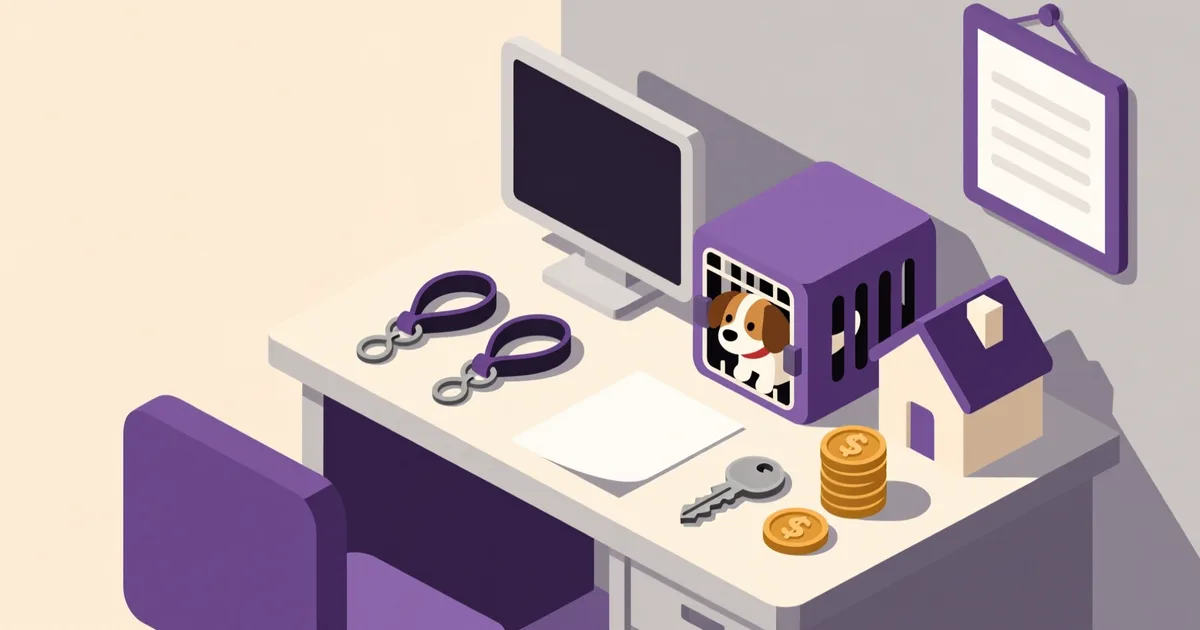
The table below compares the three channels on the points that decide most purchases: paperwork, price range, and what you can verify before paying.
| Channel | Typical price | Papers | Can you meet the mother | Main risk |
|---|---|---|---|---|
| Private seller on classifieds | 150 to 700 EUR | Often none, sometimes pet passport | Usually yes | Fake listings, prepayment fraud |
| Registered breeder or kennel | 600 to 1,200 EUR | Pedigree, vaccination record, health checks | Yes, and often the father | Waiting lists, higher price |
| Pet shop or market | 200 to 900 EUR | Varies, sometimes only a vaccination card | Rarely | Unknown origin, health problems later |
| Marketplace with seller history | Same as private seller | Depends on the individual seller | Depends on the seller | You still verify everything yourself |
Price gaps between regions are real but modest. Puppies in Bratislava and its surroundings tend to cost more than the same breed in Prešov or Žilina, partly because demand is higher and partly because travel costs are lower for city buyers. A difference of 100 to 150 euros between regions is normal; a difference of 500 is a warning sign.
We see the same pattern in our own catalogue: the listings that get reported are almost never the expensive ones, they are the ones priced far below the breed's going rate with a single photo attached. That is worth remembering when a deal looks unusually good.
What to check when you meet the puppy
Plan the visit for daylight and give yourself an hour. You are checking the animal, the environment and the seller's willingness to answer questions, in that order.
A checklist you can use on the spot
- Eyes clear, no discharge; ears clean and without a strong smell.
- Nose cool and damp, no crusting; breathing quiet at rest.
- Coat without bald patches, fleas or scaly skin.
- Belly and groin checked for hernia or swelling.
- Movement: walks without stiffness, no limping, no dragging the back legs.
- Behaviour: curious, approaches you, recovers quickly from a sudden noise.
- Mother present and calm; ask her age and how many litters she has had.
- Living area clean, with water available and space to move.
- Documents: pet passport, vaccination record with dates, deworming entry, pedigree if claimed.
- Ask when the puppy was last dewormed and which vaccine was given, and write it down.
Then ask the questions that sellers dislike. Why are you selling this litter? Can I contact your vet? What food is the puppy on now? A seller with nothing to hide answers all three without hesitating.
If something feels wrong, you are allowed to leave without buying. No deposit, no obligation, no explanation needed.
Documents and the handover
In Slovakia a puppy should leave with at least a pet passport or vaccination record showing the vaccines given so far and the deworming dates. Pedigree papers come from the breeding club and are issued separately, sometimes weeks after the handover. Ask for the date you will receive them in writing.
Pay in person, at the handover, after you have seen the puppy. Cash is normal; a bank transfer made while you are standing there is fine too. Get a receipt with the seller's full name, the amount, the date and a short description of the dog. If the seller refuses a receipt, that tells you something about how the deal would go if a problem appeared later.
Consumer protection in Slovakia covers purchases from businesses, which means a pet shop or a professional breeder trading commercially. A private sale between two individuals generally falls outside that framework, which is exactly why the paperwork and the meeting matter more, not less. For general guidance on your rights as a buyer, the Slovak Trade Inspection publishes the rules that apply to commercial sellers, and the Ministry of Interior handles dog registration and identification questions at national level.
How to negotiate and where to compare prices
Negotiation in Slovakia is quiet and short. Sellers expect a question about the price, not a hard bargain. A reasonable opening is to ask whether the price includes the first vaccination and the pet passport, which often saves 30 to 60 euros without touching the headline figure.
Compare before you commit. Look at what the same breed costs in Bratislava, Košice, Prešov, Žilina and Nitra on the same weekend, and note how many listings include the mother in the photos. puppies and dogs gives you a way to filter by city and radius so you are comparing like with like rather than guessing from a single ad.
If you are buying for a household with children or for an apartment, say so early. Some sellers will tell you honestly that a particular puppy is too energetic for a flat, and that saves you a difficult year. puppies and dogs in Bratislava is where you can check the seller's history and reviews before you travel across the country.
Budget beyond the purchase price. First vaccinations, deworming, a bed, a crate, food and a first vet visit in Slovakia commonly add 150 to 300 euros in the first two months. Registration and microchipping are handled through your vet and the national system. If you need help with a listing, a payment question or a report, the site's support pages explain how to reach the team.
Frequently asked questions about buying a puppy in Slovakia
How much do puppies cost in Slovakia?
Prices run from about 150 euros for a mixed breed or a common small breed from a private seller to 1,200 euros or more for a pedigree puppy from a registered kennel. Breed, region and paperwork drive most of the gap. Puppies in Bratislava tend to cost slightly more than the same breed in Prešov or Žilina. Treat any price far below the local average for that breed as a reason to verify the seller, not as a discount.
Where can I find puppies for sale in Slovakia?
Three places: classified listings from private sellers, registered breeders and kennels, and pet shops or markets. Classifieds give the widest choice and let you filter by city and district, but you verify everything yourself. Breeders provide paperwork and health information on the parents. Pet shops are fastest and least transparent about where the litter came from. Many buyers start online, shortlist three or four sellers, and visit two.
Is it safe to pay a deposit before seeing the puppy?
No. Prepayment is the most common scam in puppy sales, and once money leaves your account it is effectively gone. Pay at the handover, in person, after you have met the puppy and, ideally, the mother. If a seller insists on a transfer before you travel, ask for a video call from the room where the puppies are kept. A refusal is your answer.
What documents should come with a puppy in Slovakia?
At minimum a pet passport or vaccination record showing the vaccines given and the deworming dates. If the seller claims a pedigree, ask which club issued it and when you will receive it, since papers often arrive weeks after the puppy. Ask your vet to check the record at the first visit. Keep the receipt with the seller's name, the price and the date.
Can I return a puppy if it turns out to be ill?
If you bought from a business, such as a pet shop or a commercial breeder, Slovak consumer rules on defective goods apply and you can raise a claim. A private sale between two individuals usually falls outside that framework, so your options depend on what was agreed and documented. This is why the receipt and the vaccination record matter. For commercial purchases, check the current rules published by the Slovak Trade Inspection.
How do I avoid fake listings?
Reverse search the photos, check whether the seller's account has a history, and compare the price with similar listings in the same region. Be suspicious of a seller who moves the conversation off the platform in the first message, or who claims the puppy is in another country and offers a courier. Keep messages on the platform so there is a record, and report listings that look wrong.