To buy a used camera in Bulgaria, compare listings from private sellers in Sofia, Plovdiv, Varna, Burgas and Ruse, check the shutter count, serial number and origin of the gear, and always meet in a public place to test it on the spot. Pay on delivery, never in advance by bank transfer.
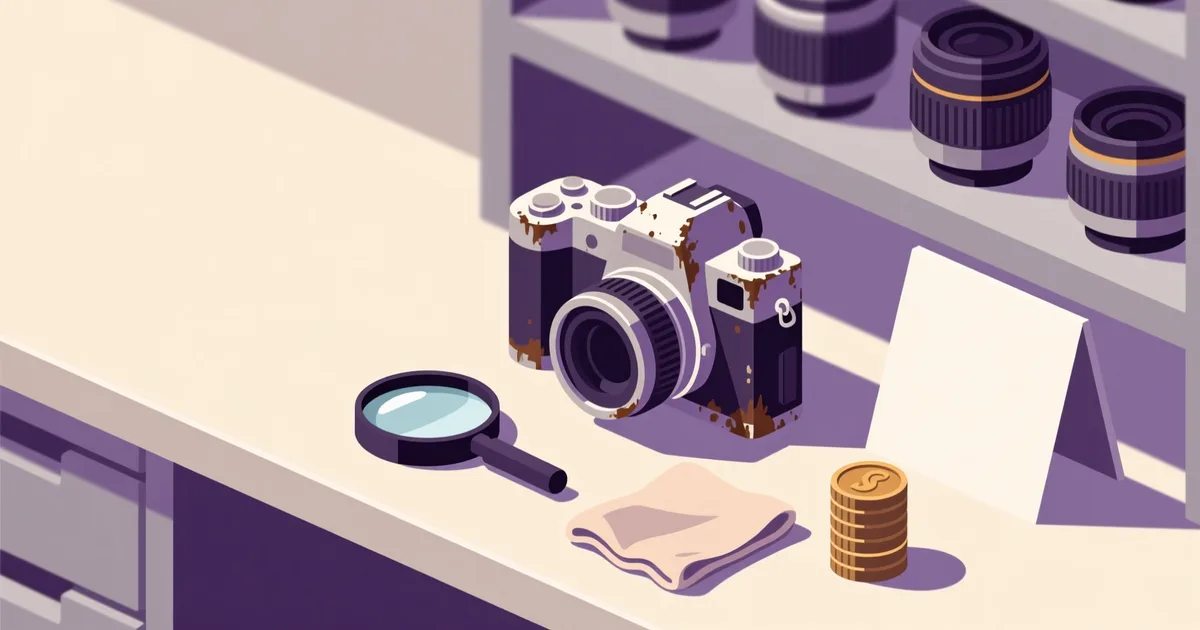
The market for used photography gear in the country is large and uneven. Sofia has the widest selection, because that's where the importers, the repair shops and most of the professional photographers who switch bodies are based. In Plovdiv, Varna, Burgas and Ruse the supply is smaller, but prices are often lower because demand is weaker. The difference between a good and a bad deal is rarely the price. It's usually whether the seller can explain where the camera came from, how many frames it has shot and why they're selling it. If the answer is evasive, there's a reason.
- Look for listings with real photos of the actual camera, not catalog images from the manufacturer.
- Check three things at the meeting: shutter actuations, serial number and autofocus performance.
- Pay only on delivery, after you've tested the camera with your own memory card.
- Compare at least three listings in different cities before deciding what price is reasonable.
Where to look for used cameras
Private sellers in Bulgaria mostly post on online classified platforms, in photography groups on Facebook and on specialized forums. Classified platforms give you something groups don't: filtering by city, category and distance, plus seller history and the ability to see whether they've sold before.
In the EX & GO catalog you can filter by city and by the phones and electronics category, see how many listings a given seller has posted and what feedback they've received. That's not a guarantee, but it's information you don't get when buying from a stranger on a social network. The posting rules are described in /bg/rules, and if you have questions about listings there's support at /bg/support.
What a decent listing looks like
A good listing contains specifics. Model and exact designation, not just "Canon DSLR". Shutter count, if the seller knows it. Photos of the body itself from all sides, including the mount, the screen and the back cover. Photos of the serial number. A list of what's included: battery, charger, cap, strap, original box.
A three-line listing with a stock photo from the manufacturer's website isn't a listing. It's an invitation to chat with a stranger who may not even own the camera.
Which cities are worth the trip
Sofia has the largest supply and that's where you find more exotic models, including recent-generation mirrorless bodies and lenses with rare mounts. Plovdiv is an hour and a half away by car and often offers prices ten to fifteen percent below Sofia's. Varna and Burgas are strong in summer, when photographers sell old gear before the season changes. Ruse is convenient if you're in northern Bulgaria, but the selection is limited and it's worth looking at listings from nearby cities too.
How to read a listing and spot a scam
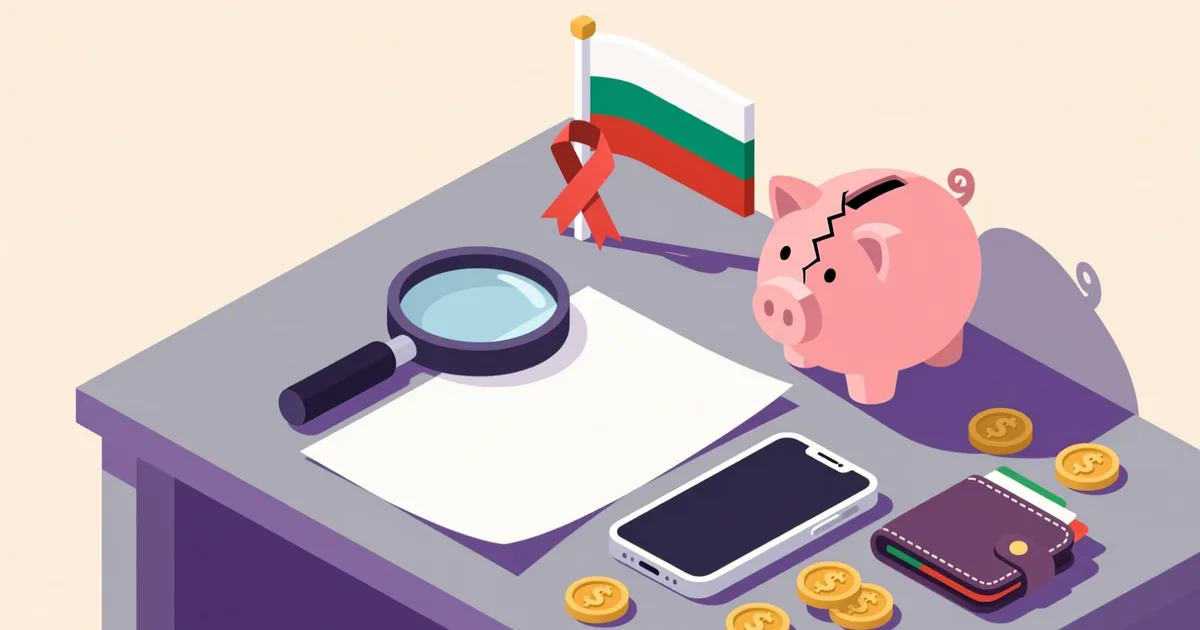
Most scams involving photography gear in Bulgaria follow the same script. The seller insists on a deposit by bank transfer or through a money transfer service, promises courier delivery and disappears. The second variant is a listing with someone else's photos, copied from another site, where the "seller" can't answer a basic question about the camera.
There are several red flags. A price significantly below market for that model. Pressure to hurry. Refusal to meet in a public place. A request to pay a "reservation fee". A seller who won't show the serial number in a photo. If any of these come up, end the conversation.
The most useful question when talking to a seller isn't "what condition is it in", but "how many frames has it shot and does it have a service history". People who've actually used the camera answer immediately and with numbers. Those selling it for the first time start to hesitate.
How to check the serial number
The body's serial number is located underneath or on the side, and on some models also in the menu. Ask the seller to photograph it next to today's newspaper or a screen with the date. Then check the number on the manufacturer's website or in specialized databases to see if the camera has been reported stolen. It takes five minutes and saves you a serious problem.
Also check whether the body number matches the one on the warranty card, if there is one. A mismatch means the document belongs to another camera.
The price: how much is reasonable to pay
There's no universal price table, because prices move according to model, condition and kit. The practical approach is different: pull at least five listings for the same model from different cities, remove the lowest and the highest, and see what number the rest cluster around. That's the current market price.
If a listing is thirty percent below that cluster, there's a reason. Sometimes it's just someone in a hurry to sell. More often it's a hidden defect, a missing accessory or a problem with the origin.
Checklist for meeting the seller
Go to the meeting prepared. Bring your own memory card, your own battery if the model allows it, and a phone with a charged battery. Don't count on the seller to bring everything. Here's what to do on the spot, in order.
External inspection
Examine the body in good light. Scratches on the casing are normal for a used camera. Cracks, impact marks, a loose mount and misaligned covers are not. Check the rubber seals around the battery door and around the mount. If they're worn or missing, the camera isn't protected from moisture and dust.
Open the battery compartment and look at the contacts. Oxidized or corroded contacts mean moisture has gotten inside. That's reason to walk away.
Functional check
Turn on the camera and check each element separately, instead of taking one photo and deciding everything works.
- Shutter: take a burst at the fastest speed and listen for whether the sound is even.
- Autofocus: point at a near and a far subject and check whether it focuses quickly and without squeaking.
- Screen: switch it to a white background and look for dead pixels and blotches.
- Viewfinder or EVF: check the diopter correction and whether the image is clean.
- Mount: attach a lens and check for play.
- Port: charge the camera via USB and see if it registers power.
- Sensor: take a photo of an evenly lit surface with the aperture closed down and review it on a large screen for dust and spots.
Take the photos on your card and review them on the spot before you pay. If you can't see them immediately, ask the seller to wait while you check them on your phone.
Questions worth asking
Ask when the camera was bought, from where, whether it's been in for repair and why. Ask whether it's been used professionally, because professional use means many frames and more wear. Ask why they're selling it. Ask whether there's a warranty still running and whether they can transfer the document.
The answers tell you more than the camera itself. Someone who's shot with it for two years will tell you both where it's been dropped and which lens they used most.
How the deal is closed and what rights you have
A deal between two private individuals in Bulgaria is a sales contract and is concluded with the handover of the goods and payment. Do it in a public place with cameras, such as a mall or a busy street. If the camera is expensive, a bank transfer on the spot in front of you is safer than carrying a large amount of cash.
Pay after testing, not before. If the seller insists on a deposit to "hold" the camera, that's a deal not worth doing.
What the law covers
When you buy from a trader rather than a private individual, you have rights under the Consumer Protection Act, including the right to file a claim for non-conformity. When buying from a private individual, those rights don't apply in the same way and you rely on the agreement between you. That's why what exactly was promised before payment matters.
If you buy from an online store for used gear, check the return conditions and the warranty before ordering. Information about your rights with online purchases is available on the website of the Commission for Consumer Protection, Commission for Consumer Protection. If you suspect fraud or stolen equipment, contact the police, Ministry of Interior.
Documents and traceability
Keep a receipt or at least a screenshot of the conversation with the seller, describing the model, price and condition. In a dispute, that's the only evidence of what was agreed. If the camera has a warranty card, take it, even if the warranty has expired. It confirms the origin.
Private seller, used-gear shop or platform with seller history?

The three options have different strengths and different costs. The choice depends on whether you're after the lowest price, the greatest security or the best balance between the two.
| Criterion | Private seller | Used-gear shop | Platform with seller history |
|---|---|---|---|
| Price | Lowest | Higher with markup | Average, depends on seller |
| Testing opportunity | Yes, at a meeting | Yes, in store | Yes, at a meeting |
| Warranty | Usually no | Often yes, for several months | Depends on seller |
| Seller traceability | Weak | Trader with name and address | You see previous listings and feedback |
| Rights on claim | Limited | Under the Consumer Protection Act | Depend on who is selling |
| Model selection | Depends on the city | Limited to stock | Widest, including other cities |
How to negotiate the price
Negotiations start before the meeting. Ask whether the price is firm before you've travelled. If the seller says it's non-negotiable, know that in time.
On the spot you only have a real argument if you've found something specific. Worn seals, a missing original battery, sensor spots that require cleaning at a service center. Each of these costs money and is a legitimate reason to ask for a discount. "I saw it cheaper on another site" doesn't work, because that camera may be in a different condition.
If you can't reach an agreement, just walk away. The used photography gear market in Bulgaria is big enough and another camera will always come along. There's no reason to buy something you're not sure about just because you showed up.
Frequently asked questions
How can I tell if a used camera is stolen?
Check the serial number on the manufacturer's website and in public databases of stolen equipment. Ask the seller to photograph it next to today's date. If the number doesn't match the one in the warranty card or the seller refuses to show it, walk away. If you have reasonable suspicion, report it to the police.
How many shutter actuations is acceptable for a camera?
It depends on the class. Entry-level bodies last tens of thousands of actuations, while professional models are designed for hundreds of thousands. More important than the absolute number is whether the seller knows it and whether the condition matches it. A camera with a low count but signs of impact is a worse choice than one with more actuations and a regular service history.
Can I return the camera if it turns out to be defective?
When you buy from a private individual, you don't have an automatic right of return. Everything depends on your agreement. That's why you should test it on the spot and keep written evidence of the conversation. When buying from a dealer, you have rights under the Consumer Protection Act and can file a claim for non-conformity.
Is it worth buying a lens separately from the body?
Often yes, because used kits don't always include the lens you need. Buy a lens separately only after checking the mount, autofocus and whether the glass has any fungus. Fungus on the inner elements is an expensive repair and often not worth it.
How can I pay safely when buying from another city?
The safest option is an in-person meeting. If you can't travel, ask someone you know in that city to inspect the camera before you pay. Never send a deposit to a stranger. If the seller refuses an inspection by a third party, that's reason enough to walk away.
Where can I compare prices from several listings at once?
Search by model and look at listings from several cities at the same time instead of only your own. In the EX & GO catalog you can filter by city and category and see how many listings a seller has posted. That's how you figure out which number is the real market price.
Final thoughts
Buying a used camera in Bulgaria is perfectly doable, as long as you set aside two hours for checking and don't rush. The selection in Sofia is the largest, but listings from Plovdiv, Varna, Burgas and Ruse are worth reviewing because prices there are often lower. Compare at least five listings, ask the questions about origin and service history, test on the spot with your own memory card and pay only after you've seen the result.
If something about the listing or the conversation bothers you, skip it. The next camera will come along. You'll find more about how listings work and what you can expect from sellers at /bg/support.
See also: used cameras, used cameras in Sofia.