Selling a used camera in Israel is fastest through a classified ad with a fair market price, six to eight sharp photos, and an accurate description of condition. A buyer in Tel Aviv or Haifa compares three or four similar listings in a couple of minutes, so price, photo quality, and willingness to meet in person are what decide. Below we'll cover pricing, shooting, messaging, safe transactions, and vetting the buyer.
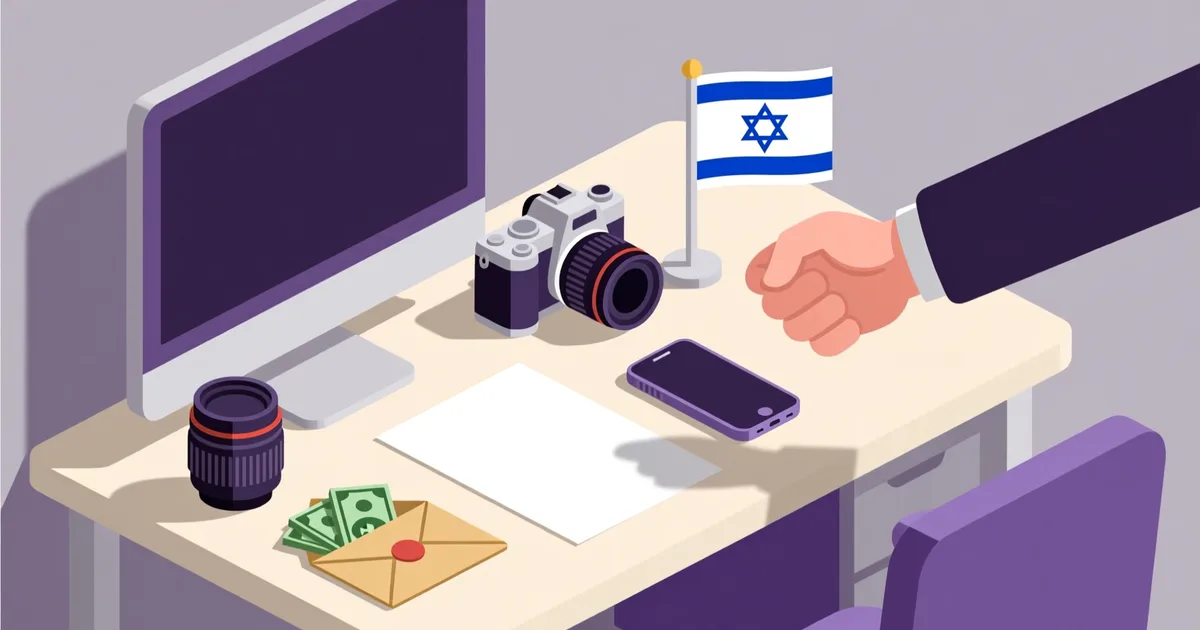
The camera market in the country is small and dense. Canon, Nikon, Sony, and Fujifilm models sell for years, with demand from hobbyists, wedding contractors, and tourists looking for a second body for a trip. Because of this, the difference between "sold in a month" and "sold in a week" almost always comes down to price and presentation, not luck. Many list a camera at the price they paid three years ago, wait two weeks, drop it by 20 percent, and sell to the first person who writes. That path works, but it's slow.
Next we'll talk about private sellers and small shops that want to close a deal without transferring money to a stranger and without arguments about a scratch on the mount. It's worth reading the platform's posting rules in advance: listing rules explain what goes through moderation and how to format product photos.
- Price: check 5-7 similar listings and set yours 5-10 percent below average if you want messages in the first days.
- Photos: 6-8 shots in daylight, separately the shutter, mount, screen, kit, and serial number.
- Messaging: answer specific questions, don't ship before full payment, don't follow strangers' links.
- Transaction: meet in a public place, inspect on site, pay by transfer or cash, receipt and written note at the parties' discretion.
How to price a used camera in Israel
Price is determined not by the year of release but by current supply and demand for the specific model. Open the photo and electronics category, sort by city, and see what your body and lens are actually listed for. If a listing has been up for a month, it's not a benchmark but a signal that the seller isn't ready to negotiate. Count only fresh listings.
Rule of thumb: set your price 5-10 percent below the national average if you need a quick sale, and at the average if you're willing to wait. Consider shutter count, whether the box, case, charger, and second battery are included. A full kit raises the price more noticeably than perfect cosmetic condition.
Lenses sell separately and often faster than the body. If you have a kit lens and a fifty, create two listings: that way you reach both those who want a complete camera and those looking for glass for their system. For customs and taxes on private sales of personal property, check gov.il if it's expensive gear or regular sales.
What lowers the price
Moisture traces under the screen, mount play, darkened contacts, missing cap, "floating" autofocus. Write about each point directly: the buyer will check at the meeting anyway, and honesty saves you a meeting. Scratches on the body lower the price slightly; sensor or shutter problems almost kill interest.
How to write a listing that gets replies
A listing works like a shop window: the title, first photo, and first two lines of text decide whether it gets opened or scrolled past. Write the title using the template "model, condition, city": that way it's found both by the platform's internal search and through regular search. Don't write "camera in excellent condition," write "Canon EOS R, 12,400 actuations, Tel Aviv."
Take photos in daylight by a window, without flash or filters. The mandatory set: front view, back panel with the camera on, mount without lens, shutter, serial number, kit, and any defects close-up. A photo of the serial number eliminates half the questions about the item's origin.
What to write in the description
State the model, year of purchase, shutter actuations, what's included, whether there's a store warranty, and whether you're open to offers. Add one line about the reason for selling: switching systems, upgrading, giving up a hobby. This reduces suspicion, especially at an above-average price.
Specify the city and neighborhood precisely. A buyer from Rishon LeZion won't drive to Kiryat Shmona for a lens, and a Jerusalem resident would rather meet in Rehavia or at a mall than on the outskirts. If you're willing to meet on neutral ground, say so right away.
How to reply to buyers and filter out scammers
The first message is almost always the same: "Still available?" Reply briefly and to the point, ask a follow-up about city and convenient time. That way you know in a minute whether it's a real buyer or a mass mailing. Don't send dozens of photos before the person names a city.
Scams repeat year after year. A fake transfer screenshot where the amount is visible but there's no credit. A courier who "will come and pick it up" if you pay extra for shipping. A request to move to a messenger via a link and enter card details. An offer to "reserve" with a prepayment to someone else's account. Any of these requests means the conversation is over.
Verify the money by actual credit in your bank app, not by a screenshot. A screenshot can be faked in a minute, and a transfer between Israeli banks sometimes takes until the next business day. If the buyer rushes you and asks to hand over the camera before the credit, the meeting is postponed.
It's useful to check the buyer's history on the platform: reviews and past deals are visible in the profile. We see from the catalog that listings with the serial number in the photo and the price in the first lines get many times more inquiries, while moderation removes listings with others' images from the internet. It's also worth checking the support section if a dispute arises about a posting or you need to report a suspicious profile.
Where and how to safely hand over the camera
Meet during the day in a public place: a shopping mall, a cafe at the entrance, a bank branch, a supermarket parking lot. Don't invite a stranger buyer home and don't agree to meet in a deserted place in the evening. If the person refuses a neutral territory, that's a reason to cancel the deal.
At the meeting, let the buyer inspect the camera: turn it on, take a few shots, check autofocus, test all buttons, remove the lens and look at the mount. Charge the battery in advance and insert a memory card so the check doesn't turn into a half-hour wait. Accept payment by transfer or cash, count it in front of the buyer.
What to put in writing
For expensive gear, draw up a simple receipt in two copies: date, model, serial number, amount, signatures of both parties. This doesn't replace the law but removes disputes about what exactly was handed over. For a shop, add the receipt and return conditions, if any.
| Scenario | Timeline | Price | Who it suits |
|---|---|---|---|
| Quick sale | days | 10-20 percent below market | need money now, camera is sitting idle |
| Selling at the best price | weeks | at or above average | have time for messaging and viewings |
| Trade-in at a store | one visit | noticeably below private sale | exchange with top-up for a new model matters |
Haggling is appropriate, but keep your lower limit in mind. If the buyer pressures you about a defect you listed in the description, remind them of it and offer the price without a discount. Post a listing
What to know about private sales in Israel
A private sale of personal property doesn't require a license, but it has limits. Regular resale of gear already looks like a business, and then accounting and tax questions arise. If you sell one camera every couple of years, it's personal property. If you buy and resell several a month, check the requirements on gov.il and consult an accountant.
The manufacturer's warranty is tied to the receipt and sometimes to product registration, so keep your documents. The buyer has the right to ask about the item's origin, and a clear answer increases trust. Shops have separate rules on returns and consumer information, which should be checked separately.
A separate topic is if the camera has been repaired. State what was replaced and when, and who did the work. A hidden repair surfaces at the first check and costs you reputation in reviews. used cameras
Checklist before posting a listing
Go through the list in five minutes; it's cheaper than rewriting the listing three times.
- Model, year, and shutter actuations are stated.
- 6-8 photos in daylight, including the serial number and defects.
- The kit is listed in full: batteries, charger, straps, box.
- City and neighborhood are specified, a meeting place is suggested.
- Price is checked against 5-7 fresh listings.
- Payment method is described: transfer or cash at the meeting.
- Text is proofread, extra contacts removed.
Frequently asked questions
How long does it take to sell a used camera?
At market price with good photos, first inquiries arrive within a few days and the deal closes in one to two weeks. If two weeks pass with no questions, the problem is the price or the first photo. A 10 percent cut usually brings interest back. Expensive bodies and rare lenses take longer, sometimes a month or more, because the buyer pool is small.
Can I sell a camera bought abroad?
Yes, there are no restrictions on private sales of personal property. The buyer may ask about the receipt and warranty, and an honest answer about an overseas purchase is better than silence. Note that international warranty service depends on the manufacturer and model, so keep your documents. If the camera was recently imported, check customs rules on gov.il.
How do I know if a buyer is a scammer?
Red flags: a screenshot of a transfer instead of actual credit, a request to pay the courier extra, a link to an external site to "confirm" payment, a demand to hand over the item before receiving money, or refusal to meet in a public place. A real buyer asks about condition and accessories, names a city, and is ready to come. If in doubt, postpone the meeting and report the profile to support.
Should I sell the body and lens separately?
Often yes. Prime lenses and popular zooms are sought after on their own, and a buyer will be found faster than for a kit. Selling the body alone is harder, but overall you usually get more. Compromise: list the kit at a price slightly above the sum of two separate ads and list the lens separately to cover both buyer streams.
Do I need to pay tax on selling a camera?
A one-time sale of personal property is usually not considered business activity. The situation changes if you sell gear regularly and for profit: then accounting and tax obligations may apply. Check the rules on gov.il or with an accountant, because they depend on the frequency of transactions and the seller's status. Don't rely on general advice from forums.
What if the buyer finds a defect after the sale?
Everything you stated in the description is considered known to the buyer before the sale. So document defects in text and photos, and allow time for inspection at the meeting. If the claim concerns a hidden defect you didn't know about, discuss a partial refund or return voluntarily. A receipt with the serial number helps reconstruct the deal details if the dispute escalates.
Key takeaways
Selling a used camera in Israel is realistic within a week if the price is fair, photos are informative, and the meeting is safe. Start by reviewing fresh listings for your model, set your price 5-10 percent below average, shoot in daylight, and show the serial number. In messages, answer specifically and don't hand over the camera before the money is credited. For expensive gear, meet in a public place and draw up a receipt. If you plan to sell regularly, check the tax rules in advance.