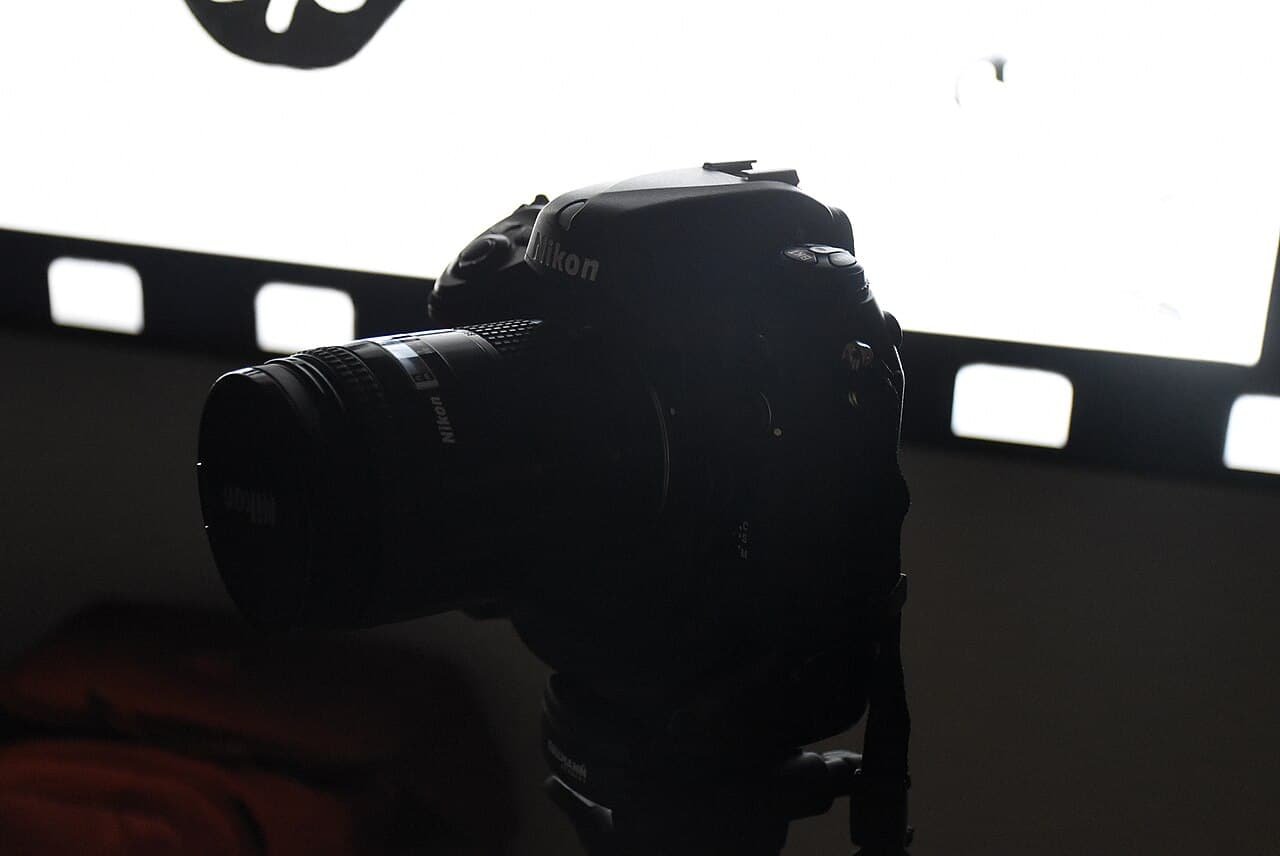
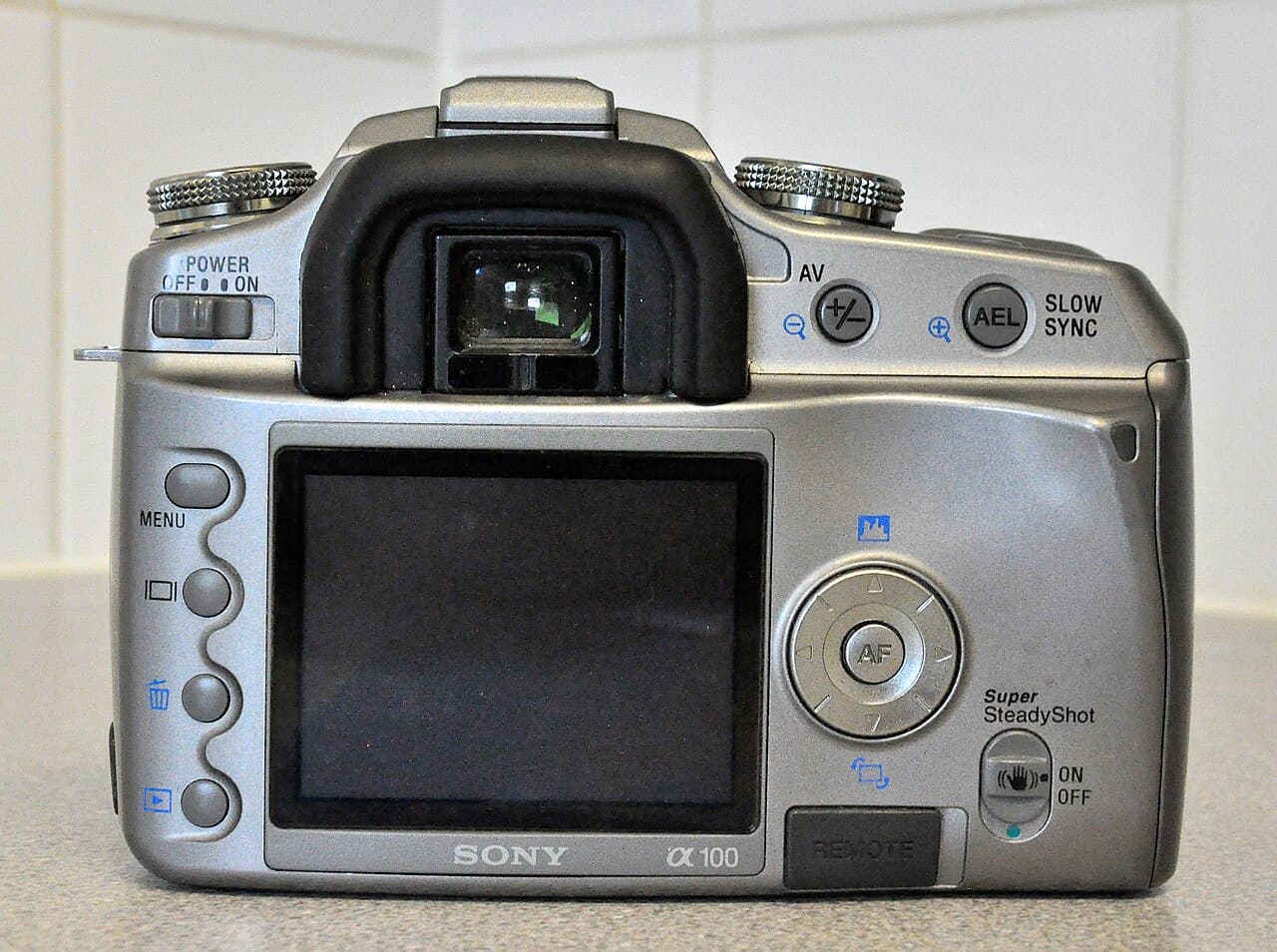
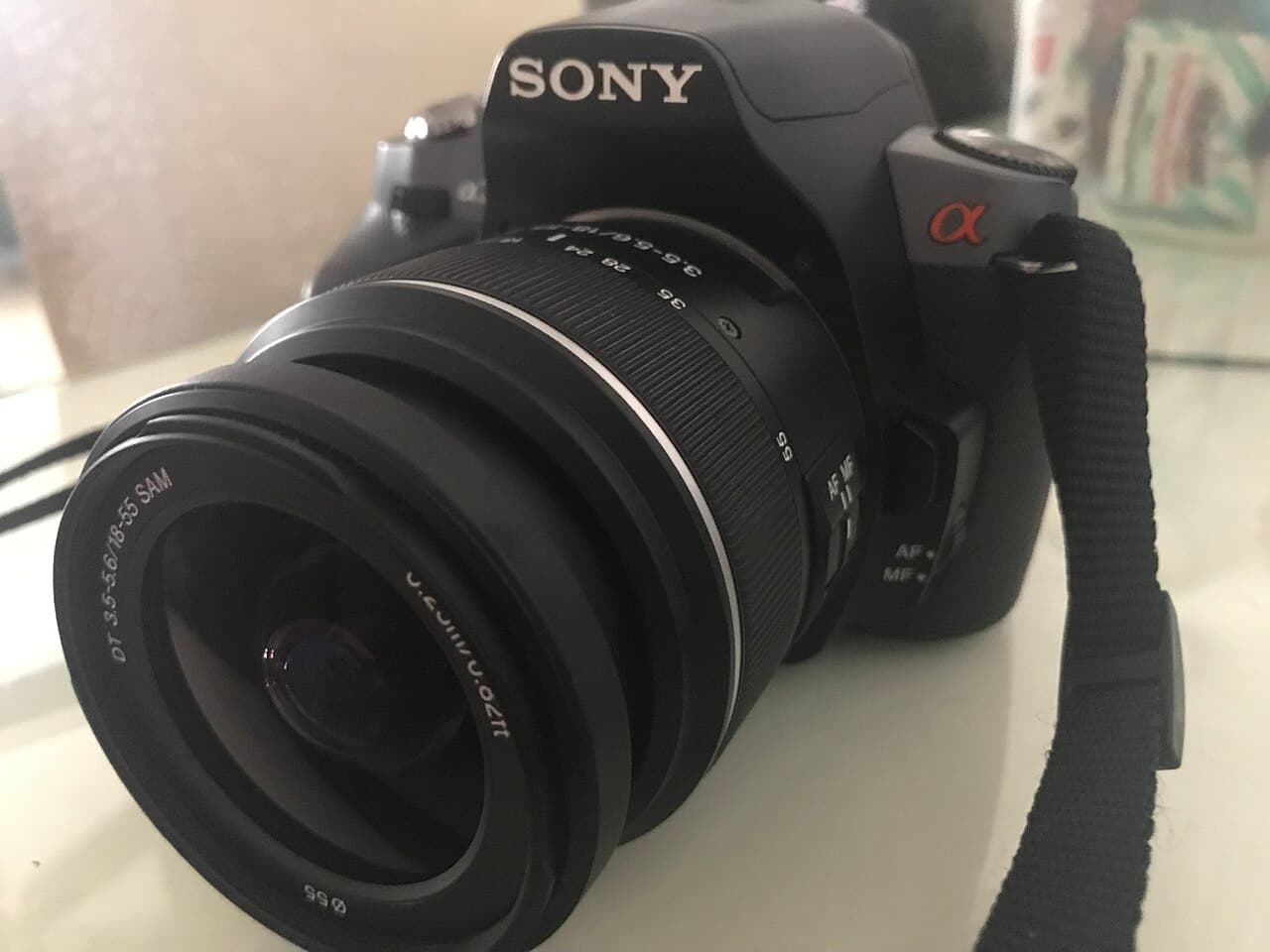
Selling a used camera is fastest when you first check real prices from similar listings in your city, take 8-12 clear photos in daylight, and describe the condition honestly, including shutter count and what's included. Then it's just a conversation with the buyer, verifying payment, and a safe hand-to-hand transfer in a public place.
Most sellers waste time not on the sale itself but on preparation. Some photograph the camera in the evening under a yellow lamp, some set the price "like in a store," then spend months lowering it by a hundred. Some don't list the city, and they get messages from the other end of the country. These are all small things, but they decide whether you get the first message in an hour or in a week.
Below is a step-by-step guide for private sellers and small businesses in Ukraine: from valuation to handing over the camera. No promises of instant results, but with concrete steps that are easy to repeat.
- Set the price based on similar listings in your city, not the price of a new camera in a store.
- Take photos in daylight, 8-12 shots, obiazatelno showing the condition of the glass, sensor, ports, and accessories.
- In the description, include the model, shutter count, defects, what's included, and the city where it's convenient to meet.
- Verify payment in the bank app, not from a screenshot; hand over the camera only after the funds have cleared.
How to set a price to sell a used camera fast
Price matters more than any listing text. Before writing anything, search for your model and look at 10-15 active listings in your city and nearby regional centers. Don't look at the cheapest ones, but at those that have been up the longest: they represent the real market.
Focus on three numbers. The lower limit is what the camera will sell for within a few days. The middle is the price at which you're willing to wait two to three weeks. The upper limit usually doesn't work for a private seller, because the buyer compares you to a store that offers a warranty.
What lowers the price and what doesn't
Shutter count is the main bargaining point. If you know it, state the number: the buyer sees this as honesty and is less likely to ask for a random discount. Scratches on the body lower the price moderately. Dust spots on the sensor, fungus in the lens, or traces of moisture inside lower it significantly, and there's no point hiding it, because the buyer will see the defect at the meeting.
What's included adds to the price. The original box, charger, two batteries, memory card, and case are a plus, and it's worth listing them separately. Lenses are sold separately or together with the body, and the listing must clearly state what's included in the price.
Comparison of three selling methods
| Method | Speed | Price | What's required from you |
|---|---|---|---|
| Quick sale at lower limit | 1-3 days | 10-20 percent below market | Clear photos, willingness to meet the same day |
| Sale at market price | 2-4 weeks | Average for similar listings | Patience, answering buyers, willingness to negotiate |
| Trade-in at a store | Same day | Lower, because the store adds its margin | Camera documents, trip to the drop-off point |
Trade-in is convenient when you need to quickly get other gear, but in terms of money it almost always loses to a direct sale. If you have enough time, listing gives more.
How to create a listing that gets replies
A listing works like a short technical reference. The buyer wants to understand the model, condition, what's included, and city in ten seconds. If any of these four has to be asked about in messages, some people will just move on to the next listing.
Photos
Shoot in daylight near a window, on a plain background. The first shot is the camera as a whole, from the front. Then corners of the body, screen turned on, sensor or mirror, ports, tripod mount, serial number, accessories laid out. It's better to show small scratches yourself than to hear about them at the meeting.
Text
Write in short paragraphs. Model and year of release. Shutter count, if known. What works and what has defects. What's included. City and district where it's convenient to meet. Payment method you accept. No emotions and no words like "perfect condition," because they add nothing and raise questions.
The most useful line in a listing is the reason for selling. When the buyer sees a specific reason, they read the rest of the text more calmly and are less likely to suspect a hidden defect.
Before publishing, it's worth reading the listing rules so you don't waste time on edits after moderation. Prohibited items and questionable wording are best removed immediately.
How to respond to buyers and not waste time
The first message is almost always the same: "Is this still available?" Reply briefly and ask a counter-question about city and time. This immediately filters out those writing from another region who aren't ready to travel.
Then they usually ask for additional photos or a video of the shutter working. That's normal. Take a short video showing the camera turning on, focusing, and taking a shot. Such a video saves an entire meeting.
Signs of fraud
A payment screenshot is not payment. The bank app shows the funds received, and only that matters. If the buyer sends a picture "transfer completed" and rushes the shipping, that's a reason to stop.
The second scheme is prepayment for delivery. They ask you to send money for a courier or "insurance," promising to return it along with the camera price. A private seller doesn't pay the buyer anything.
The third is a link to a third-party site with a form asking for card details. No one has the right to demand your CVV or SMS code to receive money.
How to communicate
Stay within the platform until you've agreed on a meeting. This preserves the message history, and in case of a dispute, there's something to show. On EX & GO, the seller's history and reviews are visible, so buyers often check the profile before the first message, and a filled-out profile adds trust.
We see that the most questions in the photo gear section are about shutter count and what's included, not the model itself.
If a dispute arises about a listing or user behavior, it's worth contacting support and describing the situation with a link to the listing.
Where and how to safely hand over the camera
Meet during the day in a busy place: near a mall entrance, at a metro station, in a bank branch. Don't invite the buyer home and don't go alone to an unfamiliar place.
Give the buyer 10-15 minutes to inspect. Turn on the camera together, take a few shots, check autofocus, flash, video recording, dials, and buttons. Let the buyer see for themselves; this reduces the number of claims after the deal.
Payment
Cash or a transfer you see in your app. If the transfer is from another bank and is "pending," don't hand over the camera until it clears. Agree on the amount in advance and don't change it at the meeting under pressure.
Documents
For gear bought in Ukraine, it's good to keep the receipt or warranty card, even if the warranty has expired. For the buyer, it's proof of origin. If the camera was imported from abroad, say so directly: hiding the origin raises more questions than the answer itself.
Rules for personal income taxation and declaration procedures should be checked in the current explanations of the State Tax Service of Ukraine. General guidelines on consumer rights and product quality are described on the State Service of Ukraine for Food Safety and Consumer Protection portal. This is educational information, not tax advice, so in a specific case it's better to consult a professional.
Should you sell a used camera through a reseller?
Resellers give money fast, sometimes the same day, and they pick up the camera themselves. You pay for this with the price: the difference from the market is often 20-30 percent, and sometimes more if there are defects. For expensive gear, this difference can be significant.
It makes sense when the camera is old, demand is low, or you need money urgently. In other cases, a listing with good photos and an honest description gives more.
Another option is selling together with lenses and accessories as one lot. Buyers looking for a ready set often pay more willingly than for the body alone. post a listing
What to check before publishing a listing
A short checklist that takes five minutes but saves hours of messaging.
- Model, year, and shutter count are in the title and text.
- Photos are taken in daylight, defects shown in a separate shot.
- What's included is listed fully, including memory card and batteries.
- City and district are specified, as well as a convenient time to meet.
- Price is checked against 10-15 similar listings in your city.
- Payment method is described directly, without "we'll figure it out."
- Profile is filled out, with history and reviews, if you're not selling for the first time.
If you're selling several items, keep listings separate. A mixed lot with a camera, tripod, and flash is harder to evaluate, and buyers pass by. used cameras
Frequently Asked Questions
How long does it usually take to sell a used camera?
At market price, it's usually two to four weeks, but the timeline depends heavily on the model, season, and city. Popular mirrorless cameras and lenses sell faster than older DSLRs with high shutter counts. If you price 10-20 percent below similar listings, the first messages often arrive within days.
Can I sell a camera without the box and receipt?
Yes, that's not a dealbreaker. The box and receipt add trust and sometimes a little to the price, but most buyers focus on condition, shutter count, and what's included. If you don't have the documents, say so directly in the listing and show the serial number in a photo. Buyers value transparency more than a perfect package.
How can I tell if a buyer is trying to scam me?
The main signs are a screenshot instead of actual funds received, requests to send money for shipping or insurance, links to third-party sites with card data forms, and pressure to ship urgently. A real buyer doesn't ask the seller for money or rush the decision. Check your balance in the banking app, not in a picture.
Where is the best place to meet for the camera handoff?
Choose busy places during the day: a mall entrance, metro lobby, bank branch, or a cafe in the city center. Don't invite the buyer home and don't go alone to an unfamiliar apartment or warehouse. If the amount is large, meeting at a bank branch is a good idea, where you can verify the funds and complete the deal calmly.
Do I need to pay tax on selling my own camera?
It depends on the amount, how often you sell, and your status. One-off sales of personal items usually don't require declaring, but regular trading may be treated differently. Check current guidance on the State Tax Service of Ukraine website or consult a tax advisor rather than relying on forum advice.
What should I do if the buyer finds a defect after the deal?
If the defect was described in the listing, the claim usually has no basis. If not, negotiate a partial refund or return if that works for you. That's why you should show all flaws in photos and give the buyer time to inspect before payment. Keeping communication within the platform helps reconstruct the agreement.
Summary
Selling a used camera without extra hassle is entirely realistic if you approach it like a short project. First, price based on similar listings in your city, then decent photos in daylight, an honest description with shutter count and what's included, and only then publish. Then calm messaging, verifying funds, and meeting in a busy place.
What saves the most time isn't clever wording but accuracy. When the buyer sees the reason for selling, defects in photos, and a clear price, they haggle less randomly and more often come ready to buy. Spend half an hour preparing, and the sale itself will take one evening.