To buy a puppy in Bulgaria, choose between three channels: ads from private owners, a registered breeder, or an online marketplace with seller history. Before you pay, check the pedigree, vaccination passport, microchip, and the conditions where the puppies were raised.
The price varies by breed, documentation, and city, and a suspiciously low offer usually means something essential is missing.
Many people start their search with a single photo on their phone and end up sending a deposit by courier. That order is reversed. First, clarify what you are buying and from whom, then see the dog in person, and only then talk about money.
Puppies and dogs are sold everywhere, but the quality of the deal depends on how many questions you ask before the meeting. Sofia, Plovdiv, Varna, Burgas, and Ruse hold a large share of the ads because they have both the most breeders and the most buyers. If you are outside these cities, transport is a real cost and must be factored in.
This text is a practical framework: where to look, how to read an ad, what to bring to the meeting, and how to close the deal legally.
- Three channels: private owner, breeder, online marketplace with visible seller history.
- Never pay a deposit before you have seen the puppy and the mother in person.
- Bring your questions on paper to the meeting and do not sign anything on the spot if you haven't asked them.
- Ask for a vaccination passport, microchip, and a purchase contract with both parties' details.
Where to buy a puppy: the three real channels
Most purchases go through one of three channels, and each has a different cost of error. A private owner sells offspring from their own dog, often without a pedigree. A breeder sells with documents and traceable origin. An online marketplace is where the two parties meet, and the platform is not involved in the deal.
Private ads from owners
Here prices are lowest and information is most incomplete. Ask why the puppy is being sold, how many weeks old it is, what it has eaten so far, and whether it has been to a vet. If the answer is short and confused, that is a signal. Ask for a photo of the mother with the puppies taken today, not an old one.
Breeders and registered clubs
A breeder works with documents and usually invites you for a viewing. Expect questions for you too: what you do, whether you have time for a dog, whether you live in an apartment. This is not rudeness, but an attempt to avoid placing puppies with an unsuitable owner. Check the breeder's registration with the relevant kennel organization before you talk about price.
Online marketplace with seller history
Classified platforms give something no phone call can: a trail. You see how many ads the seller has posted, which city they are from, and what reviews say about them. On EX & GO you filter by city, radius around a neighborhood, and category, and messages go through the site before you give your phone number. It is also useful to review the posting rules at /bg/rules so you know what moderation removes and what stays.
How to read an ad and recognize a scam
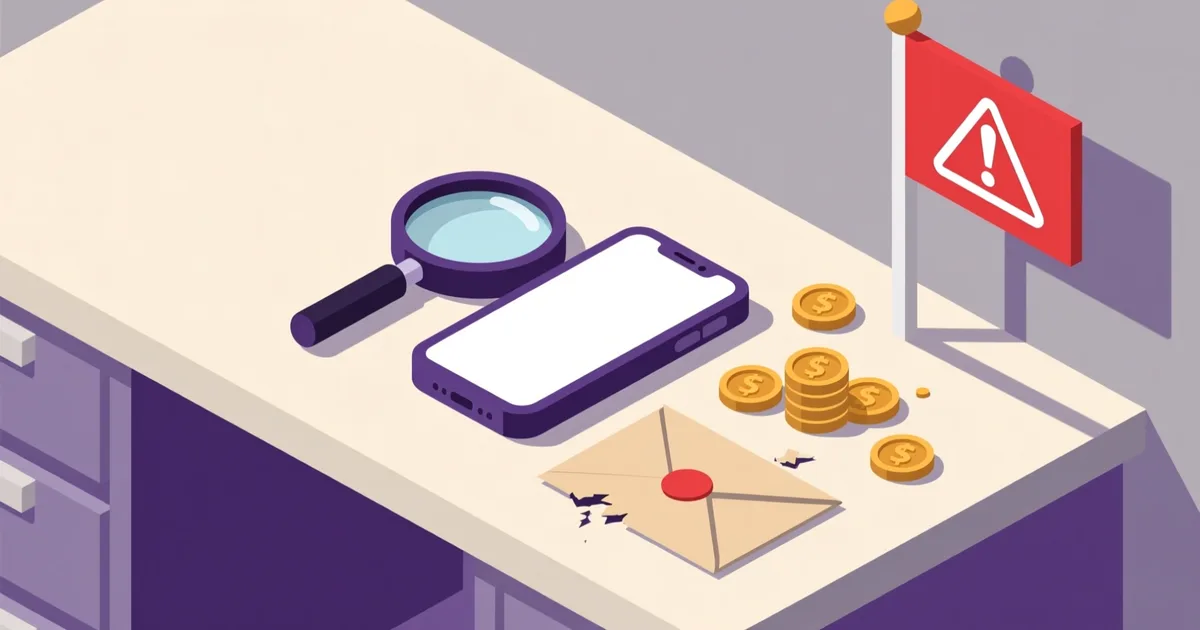
Scams in puppy sales almost always follow the same scenario. The seller is in a hurry, wants money upfront, and avoids meeting. If any of these three is missing, the chance of running into a scammer drops significantly.
Red flags in the ad
Stock photos from foreign websites, a price that is half the market, and text that doesn't mention a single specific fact about the dog. No information about age, vaccinations, and city. An ad posted simultaneously in five different cities from the same profile.
Deposit and courier schemes
The classic is this: they ask for a deposit by bank transfer, then a little more for transport, then more for documents. The puppy does not exist. The second variant is a courier who supposedly transports the animal and asks for a fee on delivery. For a live animal, transport is arranged between people, not through an unknown intermediary asking for money blindly.
The most reliable scam test is one: ask for a live video call with the puppy and the mother. A scammer will find a reason to refuse, while a real owner will do it in two minutes.
What to check at the meeting: a practical checklist
The meeting is where the decision is made. Set aside at least an hour, not fifteen minutes. Watch the puppy, watch the mother, watch the room where they were raised.
Health and documents
Ask for the vaccination passport and check whether the dates and vaccines are filled in, not added by hand later. Check for a microchip and registration in the national system. Look at the eyes, ears, and skin, but do not diagnose yourself. If something worries you, arrange a vet check before you pay.
Behavior and living conditions
The puppy should be curious, not hiding in a corner the whole meeting. See how many puppies are in the litter and what space they live in. Ask what they have been fed and how many times a day. If the mother is not there, ask for an explanation and proof that she exists.
Questions to ask in writing
How many weeks old is the puppy as of today. What vaccines have been given and when is the next one. Is there a pedigree and from which registry. Is there a purchase contract. What happens if a vet finds a problem in the first days. Write down the answers before you have handed over money.
How the deal is closed and what rights you have
A deal between two individuals is settled with a contract, not a verbal agreement. Write on one sheet the names and personal IDs of both parties, the description of the puppy, the price, the date, and the signatures. This document is not a formality, but evidence in a dispute.
When you buy from a trader rather than a private individual, consumer protection rules apply. Keep the receipt or invoice, because without them you cannot file a claim. If you buy through an online marketplace, the marketplace does not hold your money and is not a party to the deal. It provides visibility and history, but responsibility for the inspection remains yours. More about what the platform covers and what it does not can be found at /bg/support.
How much does a puppy cost and how to negotiate the price
The price depends on three things: the breed, the documentation, and the costs the seller has already incurred. Vaccinations, microchip, deworming, and food for eight weeks cost real money. That is why a too-cheap puppy usually means these costs have not been made.
Negotiation is normal, but there are limits. Ask what is included in the price: vaccinations, microchip, pedigree, transport crate. If the seller drops the price immediately and by a lot, ask why. Sometimes the discount comes from a missing document, not from goodwill. Compare several ads in the same city before you name your price. puppies and dogs
Private seller, breeder, or online marketplace: comparison
The three channels are not interchangeable. Each carries different risk and a different level of information. The table below summarizes the differences that matter before payment.
| Criterion | Private seller | Breeder | Online marketplace |
|---|---|---|---|
| Documents | Often without pedigree | Pedigree and registry | Depends on the seller |
| Price | Lowest | Highest | Average, market |
| Seller verification | In person only | Registration and reputation | History, ads, reviews |
| Scam risk | Medium | Low | Depends on your inspection |
| Payment | Direct | Direct, by contract | Direct between parties |
| Liability if a problem arises | Hard to prove | Clear under contract | Marketplace is not a party to the deal |
We see that the most common question from buyers in puppy ads is whether the dog has a microchip and vaccination passport, not what the breed is. This question is also the best filter, because it requires a specific answer. puppies and dogs in Sofia
How to buy a puppy safely if you are in another city
Buying remotely is possible, but it requires more checks, not fewer. Do a video call, ask for dated photos, and ask for the details of the vet who administered the vaccinations. Pay on delivery of the animal, in person, not in advance.
If you are traveling from Sofia to Varna or from Plovdiv to Ruse, plan transport in advance. A puppy should not travel hungry and stressed in a trunk. Arrange a meeting in a neutral place if the seller does not want to let you into their home, but that in itself is a reason to think twice.
Frequently asked questions
How much does a puppy cost in Bulgaria?
The price depends on the breed, documents, and city. A puppy from a private owner without a pedigree costs the least, while one from a breeder with documents and vaccinations is significantly more expensive. The total should also include vaccinations, microchip, deworming, and food for the first months. Compare several ads in the same city before accepting a price. If the offer is half the market price, ask what is missing.
How can I tell if the seller is a scammer?
Three signs are enough: a request for a deposit before a meeting, refusal of a video call with the puppy and mother, and photos you also find on foreign websites. A real owner has no reason to refuse a short live call. If the seller rushes you and insists on a bank transfer, end the conversation. Also check how many ads the profile has posted and from which cities.
What documents should I receive when buying?
Ask for a vaccination passport with filled-in dates and vaccines, a document for the implanted microchip, and a purchase contract with the names of both parties, a description of the puppy, the price, and the date. If the dog has a pedigree, request the document from the relevant registry. Keep the payment document too if you buy from a trader, because without it you cannot file a claim. Make a copy of everything and store it separately.
Can I return the puppy if it turns out to be sick?
When buying from a trader, you have rights under consumer protection rules and must keep the receipt or invoice. When buying from a private individual, you rely on the written contract, so it is important that it is signed and describes the dog. If a vet finds a problem soon after purchase, the first step is a written claim to the seller with a copy of the medical document. Keep all messages between you.
Is it mandatory for the dog to have a microchip and passport?
There are requirements for identification and registration of dogs in Bulgaria, and the vaccination passport is the document that tracks administered vaccines. So when buying, check whether the microchip has been implanted and whether the data has been registered, not just promised. If the seller says they will do it later, that is a cost and commitment that remains with you. Check current requirements with official sources, including Ministry of Interior and Consumer Protection Commission.
Where can I look for puppy ads in my city?
Look in the animal categories of classified platforms and filter by city and radius around your neighborhood so you don't travel unnecessarily. In Sofia, Plovdiv, Varna, Burgas, and Ruse there are the most ads, but also check smaller cities. Read the seller's history and reviews before writing. If the ad has no photos of the mother and puppies together, ask why.
Final check before paying
If you have reached the point where you are taking out the money, do one final check. Have you seen the puppy in person. Have you seen the mother. Do you have the vaccination passport in hand. Do you have a signed contract with names and date.
If any of these answers is no, postpone the deal by one day. That day costs nothing compared to the years ahead.
When you buy a puppy, you take on an expense for ten or more years, not for one afternoon. That is why choosing the channel is more important than choosing the breed. The private owner, the breeder, and the online marketplace with visible seller history give you different levels of security, and you decide how much risk you take. The check takes an hour, but the mistake lasts a long time.