Used cars in Haifa are sold by private owners and small dealerships in every neighborhood across the city. You'll find vehicles on Carmel, Hadar, Neve Sha'anan, Kiryat Eliezer, and Bat Galim. Prices depend on the neighborhood, mileage, and service history. To buy a second-hand car close to home, you need to know the local inspection spots, the best test-drive routes, and the typical tricks sellers use.
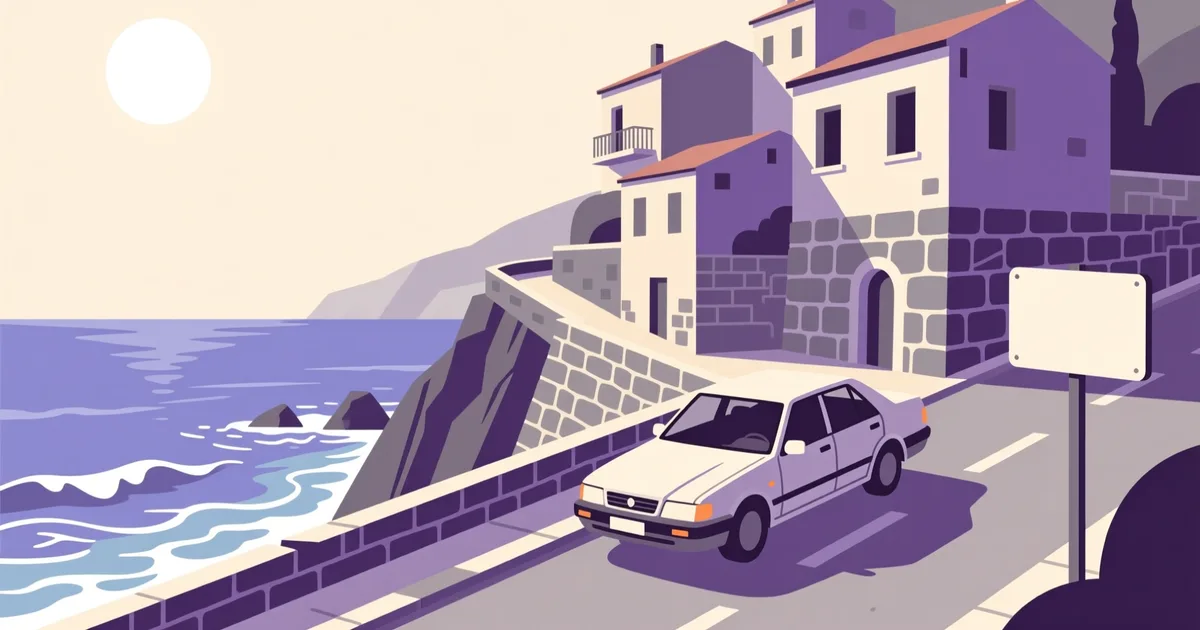
Haifa stretches along Mount Carmel, and each neighborhood dictates its own terms for buying a car. On the upper streets of Carmel, cars suffer less from humidity but more often get scratched in tight parking spaces. In the Lower City, closer to the port, bodies rust faster due to the sea air. Whether you're moving here or have lived here for years and are upgrading your ride, finding used cars in Haifa requires some geographical know-how.
Buyers check the history through the Ministry of Transport database, order an inspection at a "Machon" testing station, and negotiate the price directly with the seller. We've put together a practical guide to the neighborhoods, pricing, and hidden pitfalls of the local market.
- Private sellers of used cars in Haifa mostly post listings from Neve Sha'anan and Hadar.
- Plan your test drive so the route includes a steep climb and descent.
- Verify the mileage through the Ministry of Transport database before handing over any money.
- Compare prices for cars from different neighborhoods before meeting the seller.
Which neighborhoods in Haifa sell used cars?
The market for used cars in Haifa is spread across five main neighborhoods, each with its own quirks. Private sellers tend to gather where it's easier to park and show the car to potential buyers.
Carmel and Hadar
On Carmel, people sell cars that were kept in covered parking garages. The bodies hold up better here because the neighborhood sits high above sea level. Sellers often arrange meetings near the main entrance of Hecht Park or in the parking lots around Carmel Hospital.
Hadar is densely built up, making it hard to find a spot to inspect a car. Sellers of used cars in Haifa from this area usually ask buyers to come early in the morning, before the streets fill up with locals. Small auto repair shops on Herzl Street sometimes act as middlemen for sales.
Neve Sha'anan, Kiryat Eliezer, and Bat Galim
Neve Sha'anan offers much more space. There are plenty of private listings here, and sellers are more willing to agree to a longer test drive along the wide Trumpeldor Boulevard. Small car lots are clustered closer to the Highway 4 exit.
Kiryat Eliezer and Bat Galim are down by the coast. Humidity is higher here, so when buying used cars in Haifa in these neighborhoods, always inspect the rocker panels and undercarriage. Meetings often take place in the parking lots near Sami Ofer Stadium or by the Bat Galim train station.
| Neighborhood | Seller Type | Convenient Inspection Spots | What to Watch Out For |
|---|---|---|---|
| Carmel | Private individuals | Hecht Park parking lots | Suspension condition after driving on winding roads |
| Hadar | Private individuals, small shops | Herzl Street, early morning | Scratches from tight parking |
| Neve Sha'anan | Private individuals, small lots | Trumpeldor Boulevard | Past use as a taxi |
| Kiryat Eliezer | Private individuals | Stadium parking lot | Corrosion from humid air |
| Bat Galim | Private individuals | Near the train station | Undercarriage condition |
How prices for used cars in Haifa are determined
The price of a second-hand car in Haifa depends on the elevation of the neighborhood where it was kept, the mileage, and the number of previous owners. There's no single price list, but clear patterns emerge.
Cars from the upper levels of Carmel often cost slightly more than similar models from the Lower City. Buyers are willing to pay extra for a body free of salt corrosion. However, the suspension on these cars might be more worn out due to constant climbing and descending.
If you want to buy used cars in Haifa on a budget, look at listings from Neve Sha'anan. Budget models are more common there. But keep in mind that many taxis operated in this area in the past, so checking the vehicle's history is a must.
We've noticed that sellers in our directory specify their exact neighborhood, and moderators remove duplicate posts made with different phone numbers. This helps buyers on the EX & GO platform assess the real market picture and contact sellers directly. Listing rules are available here: platform rules.
Where to inspect used cars in Haifa before buying
Pre-purchase inspections are done at licensed vehicle testing stations, which locals call a "Machon." In Haifa, these stations operate in industrial zones and at the city entrances.
Inspection stations and registration
The nearest stations are located in the Check Post area and at the southern exits. You book an appointment in advance, bring the car in, and receive a printout detailing the condition of the brakes, steering, and exhaust. Buying a car without this check is risky.
To transfer ownership, you'll need to visit a Ministry of Transport office. The branch closest to the center operates in the Lower City. You can also process the deal via self-service kiosks, provided both parties have Israeli ID cards.
Test-drive routes
A test drive in Haifa must include a steep hill. If you're inspecting a car in Hadar, drive up HaTzionut Street toward Carmel. Listen closely to how the transmission behaves under load.
Then head back down. Check if the brakes overheat on the long descent. The flat stretch of Trumpeldor Boulevard in Neve Sha'anan is perfect for evaluating how the car handles at sixty kilometers per hour.
Before meeting the seller, ask for the chassis (VIN) number and check it through the official Ministry of Transport portal gov.il. You'll instantly see the true mileage, the number of previous owners, and whether there are any restrictions on transferring ownership.
What risks come with buying used cars in Haifa?
The local market has three specific issues: flooded cars, rolled-back odometers, and structurally modified vehicles. Knowing about these risks will save you money.
Flooded and imported cars
Haifa is built on slopes, and during winter storms, the lower streets regularly flood. Cars that survived a flood in Bat Galim or Kiryat Eliezer might be sold without disclosing this fact. Smell the floor carpets for dampness and look for mud residue underneath.
Imported cars from Europe or the US often hit the market after being rebuilt. They attract buyers with low prices. Always cross-check the VIN against international databases of salvaged vehicles.
Rolled-back odometers and forged documents
Odometer tampering remains a frequent issue. If a car is priced too low for its model year, be suspicious. Ask for receipts from past inspections where the mileage was recorded.
Sometimes sellers hide the fact that a car was used as a taxi. Taxis in Israel rack up mileage fast. Look for marks on the dashboard where a taximeter was mounted, and check the rear doors for heavy wear from passengers getting in and out.
Where to find listings for used cars in Haifa
Listings for second-hand cars are posted on classified boards, social media, and the windows of small dealerships. The platform you choose determines how safe your deal will be.
When searching for used cars in Haifa, pay attention to how the platform vets its sellers. On EX & GO, sellers go through phone number verification, and buyers can see posting history and reviews from other users. Communication happens within the site, while payment and key handover remain an agreement between the two parties. If a dispute arises, you can contact customer support.
Private social media groups move faster, but they lack moderation, putting you at risk of running into scammers. Classified boards with city filters let you set a search radius. You can select a specific neighborhood, like Neve Sha'anan, and filter out cars from distant suburbs.
Once you find a good option, don't send a deposit before meeting in person. Inspect the car during the day in natural light. In the evening, in a poorly lit parking lot, it's easy to miss body defects.
What to know before closing a deal on a used car in Haifa
Transferring vehicle ownership in Israel requires both parties to be present or to use the Ministry of Transport's digital services. Prepare your documents in advance so you don't waste time at the office.
The seller must provide a valid vehicle registration document (rishayon rechev). Make sure the name on the document matches the person standing in front of you. If the car belongs to a company, a power of attorney is required.
A bill of sale can be written in free form, but it must include the date, amount, VIN, and signatures. This document protects you if hidden defects the seller didn't mention are discovered after the sale.
Don't forget insurance. Your mandatory insurance policy must be active the moment you get behind the wheel of your newly purchased car. Arrange it in advance using the details from the registration document.
See also: used cars in Haifa, listings in Haifa.
Frequently asked questions about buying used cars in Haifa
Where is it safe to test drive a used car in Haifa?
Choose a route that includes both flat roads and steep inclines. Trumpeldor Boulevard in Neve Sha'anan is great for testing the car on a flat surface. To test the engine under load, drive up from Hadar to Carmel via HaTzionut Street. Avoid the narrow alleys of the Lower City, where it's easy to scratch your own or someone else's vehicle.
How can I verify a car's actual mileage before buying?
Ask the seller for the chassis (VIN) number and enter it on the Israeli Ministry of Transport portal. The report will show dates of previous inspections and the mileage recorded at each one. Compare these figures with the odometer reading on the dashboard. Any discrepancy indicates odometer tampering.
Why do cars from Haifa's lower neighborhoods require extra attention?
Bat Galim and Kiryat Eliezer are located right by the sea. The salty, humid air accelerates metal corrosion. In winter, these streets often flood during heavy rains. When inspecting a car from these areas, lift the floor mats, check the rocker panels, and examine electrical connectors for signs of oxidation.
Does the seller need to be present to transfer vehicle ownership?
Yes, transferring ownership requires the participation of both parties. You can visit a Ministry of Transport office together or use self-service kiosks. Both parties must confirm the transaction using their Israeli ID cards. Without the seller's confirmation, the transfer cannot be completed.
How can I tell if a car was previously used as a taxi?
Taxis in Israel show specific wear patterns. Check the rear doors: handles and upholstery wear out faster due to constant passenger use. Inspect the dashboard for holes left by a removed taximeter. Also, check the ownership history via the Ministry of Transport database, which records the vehicle's usage type.
Finding used cars in Haifa comes down to verifying facts and knowing the local streets. The neighborhood where a car was parked tells you more about its condition than the seller's words. Carmel preserves the bodywork but wears out the suspension, while the Lower City leaves salt marks on the metal. Use neighborhood filters on classified boards, arrange meetings in open parking lots, and always check the history through government databases. A thorough inspection at a testing station and the right test-drive route will protect you from buying a problematic car. Choose used cars in Haifa based on documents and mechanical condition, not just photos.