Used cars in Jerusalem are sold by private owners and small dealers across all major neighborhoods. Second-hand vehicles here typically cost less than in Tel Aviv because corporate leasing companies generate lower demand. Buyers inspect vehicles in shopping mall parking lots or right inside residential courtyards, and the deal is finalized through the Ministry of Transport.
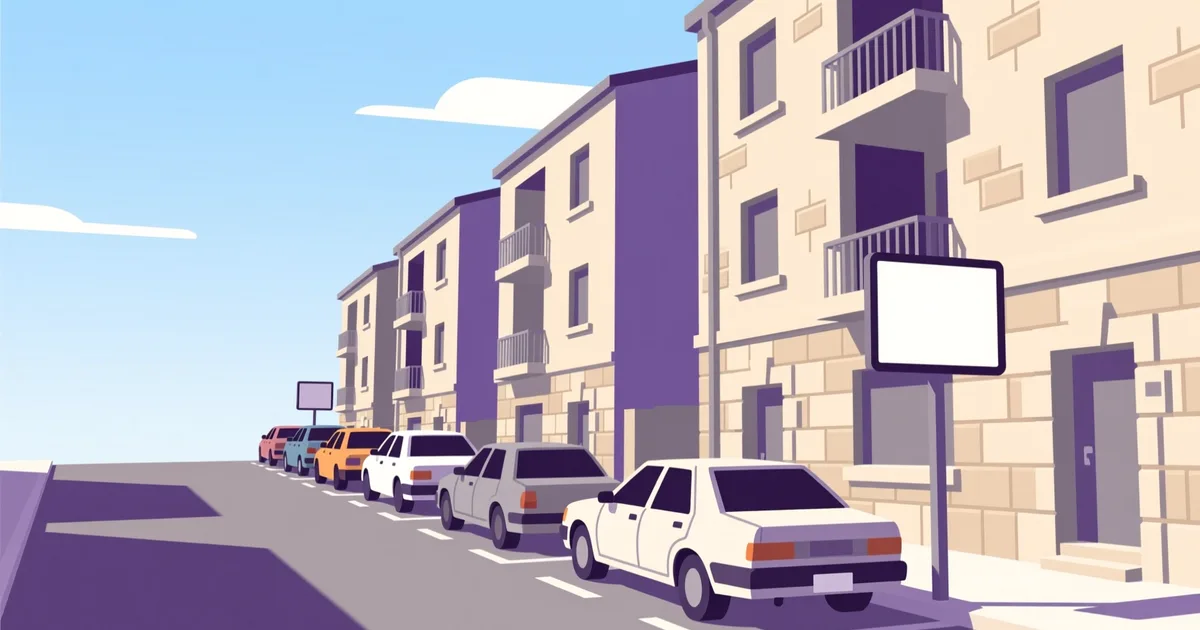
The city's geography directly impacts the buying process. Jerusalem is divided by hills and narrow roads, so a test drive in Pisgat Ze'ev will reveal different engine characteristics than one in Kiryat Yovel. In the older downtown neighborhoods, parking is limited, and sellers often leave their cars in paid lots. In Ramot or Gilo, finding a curbside spot for an inspection is much easier.
The local market differs from coastal cities. Ex-lease vehicles arrive here less frequently, but there are plenty of family cars with just one or two previous owners. When searching for a second-hand vehicle, you will need to check its history yourself via government databases on the Israel Government Portal.
- Private sellers mostly list cars in residential neighborhoods like Gilo and Ramot.
- Always order a license plate history check via the government portal before buying.
- Beware of flood-damaged cars and rolled-back odometers, especially from flipper dealers without a permanent lot.
- Compare offers from different neighborhoods on classified boards to understand the real market value.
Which Jerusalem Neighborhoods Sell Used Cars
Sellers of second-hand cars gather where there is enough space to park and showcase their inventory. Residential neighborhoods on the city's outskirts traditionally attract more private owners putting their vehicles up for sale.
Gilo and Kiryat Yovel
In the southern neighborhoods of Gilo and Kiryat Yovel, families frequently upgrade their vehicles. Here you will find minivans and crossovers. Sellers leave signs with their phone numbers on the windshields of cars parked along HaGanun Street or near the shopping mall.
The streets are wide, so inspections do not block traffic. You can comfortably check panel gaps in broad daylight. Small-time flippers sometimes occupy spots near the neighborhood entrances.
Pisgat Ze'ev and Ramot
The northern neighborhoods offer a similar picture. Ramot has many religious families who buy spacious vehicles and sell them a few years later. Inspections are convenient in commercial center parking lots.
Pisgat Ze'ev features hilly terrain. If you arrange a meeting, ask the seller to meet on flat ground. Testing the suspension on a steep incline during your first meetup is highly inconvenient.
Talpiot and the City Center
The Talpiot industrial zone attracts small dealers. They rent small lots and display three or four cars each. These are not official showrooms, but the vehicles sit behind fences.
Downtown is trickier. Narrow streets like Jaffa or Ben Yehuda are unsuitable for inspections. Sellers arrange meetings in paid parking garages near the Light Rail stations. You will have to pay for entry just for a fifteen-minute look.
How Much Does a Used Car Cost and What Affects the Price
Prices for second-hand cars in the capital depend on age, mileage, and the area where the car was driven. Buyers often value vehicles from Jerusalem differently than identical models from the Gush Dan region.
Hilly terrain accelerates wear on brake pads and clutches. Buyers know this and negotiate harder. All else being equal, a car driven exclusively on flat ground may cost more.
We see that most buyers on EX & GO first filter search results by city and neighborhood, then message the seller to cross-check the stated mileage against official reports.
The climate also leaves its mark. Summer heat dries out rubber seals. During your inspection, look for cracks on the dashboard. This gives you leverage to negotiate the final price down.
| Neighborhood | Typical Sellers | Where to Inspect | Key Features |
|---|---|---|---|
| Gilo | Private owners | Curbsides, courtyards | Many family models |
| Ramot | Private owners | Store parking lots | Spacious vehicles |
| Talpiot | Small dealers | Rented lots | Requires thorough document checks |
| City Center | Private owners | Paid parking garages | Hard to find a testing spot |
Where to Find Affordable Used Cars in Jerusalem Without Overpaying?
Finding a budget-friendly option requires patience and a willingness to verify paperwork. Cheap listings often hide mechanical defects or registration issues.
If you want to buy below the market average, focus on listings from direct owners. Flippers build their margin into every vehicle they sell.
Browse posts in local community groups and classified platforms. On EX & GO, moderators review new listings, and phone numbers undergo verification. You can evaluate a seller's history before making a call. Posting rules prohibit using someone else's photos or understating the actual manufacturing year; full details are available on the site rules page.
Don't rush to hand over a deposit. Ask the owner to send fresh photos of the license plate. You can use it to check the number of previous owners and any existing liens for free via the Ministry of Transport portal.
To find the right match close to home, open the used cars in Jerusalem">Jerusalem car catalog. Filters let you set your preferred radius and exclude unsuitable models before negotiations even begin.
How to Inspect a Used Car in Jerusalem Before Buying?
Checking the mechanical condition requires a visit to a specialized testing institute. Under no circumstances should you rely solely on the seller's word or the bodywork's appearance.
Testing Institutes (Machon B'dika)
Several vehicle inspection stations operate in the Talpiot industrial zone. You book an appointment in advance and arrive together with the seller. Inspectors put the car on a lift and check the chassis, engine, and electronics.
The buyer pays for the service. If the seller refuses to go to an independent inspection, walk away from the deal immediately. No promises to "just look at it here" can replace proper diagnostics.
Test Drive on the Hills
Your route must include a steep climb. The road from Gilo to the center or the exit from Pisgat Ze'ev will show how the transmission handles the load. Listen for unusual noises when shifting gears.
When checking Japanese or Korean models over five years old, always ask the mechanic to measure the paint thickness with a gauge. Minor accidents happen more often in mountainous areas, and subsequent body repairs might have been done cheaply without replacing structural components.
Documents and History
Request a report by license plate. It will show if the car is reported stolen or if an insurance company wrote it off after a crash. Flood-damaged cars hit the market after winter floods. Foggy headlights and a damp smell inside the cabin give them away.
Odometer rollback remains a common issue. Cross-reference the dashboard numbers with annual inspection (Test) records. This data is stored in the Ministry of Transport database.
What Pitfalls Await When Buying a Used Car in Jerusalem?
The local market carries specific risks tied to imports and climate conditions. Knowing these details will save you money and stress when closing the deal.
Many cars are imported into Israel from the US and Europe. American versions often feature different option packages and lighting setups. Verify whether the Ministry of Transport has certified the vehicle for Israeli roads.
Imported vehicles are sometimes repaired after severe accidents in their home countries. Foreign insurance companies write them off, and local dealers buy them at auctions to fix up. This damage history does not always appear in local databases.
Another issue involves so-called "ghosts"-vehicles registered to people who cannot be found. Transferring ownership could take weeks. Always insist that the owner appears in person at the licensing office.
Once you find the right model, move on to the paperwork stage. Use the Jerusalem listings">buyer help section to learn the safe way to contact the seller. The platform does not process payments; money changes hands directly between you and the owner. If disputes arise, customer support will guide you according to the platform's user support guidelines.
See also: used cars in Jerusalem, Jerusalem listings.
Frequently Asked Questions About Buying Used Cars in Jerusalem
Where do I transfer vehicle ownership after buying a car?
Ownership transfers take place at Ministry of Transport (Misrad HaTahbura) branches or Israel Post (Doar Yisrael) offices offering this service. In Jerusalem, these offices operate in the Malha area and on Jaffa Street. You must attend together with the seller, bringing both ID cards and the old vehicle registration document (rishayon rechev). The fee is paid on the spot. Ownership cannot be transferred without the previous owner present.
How can I check a vehicle's true history?
Enter the license plate number on the Ministry of Transport website. The system will display the number of previous owners, the last registration date, and the vehicle's status. If the car was leased or rented, that will also appear. For extra peace of mind, order a paid report from private databases that aggregate insurance claims and repair records.
Should I buy a car with an American VIN?
An American VIN means the car was imported from the US. These models are often cheaper but require careful inspection. Verify that the lighting equipment meets Israeli standards and find out why it was sold at an American auction-sometimes flood-damaged or crash-repaired vehicles end up there. Always get an extended inspection at a testing institute before paying.
What is the safest way to pay the seller?
Funds are transferred directly between the parties; classified platforms do not act as payment intermediaries. The most reliable method is a bank transfer made in the seller's presence. Visit the bank branch together, fill out the transfer slip, and have the teller confirm the transaction. Never hand over cash before signing the bill of sale and verifying the documents' authenticity.
Do I need to pass a vehicle inspection immediately after purchase?
If the current annual inspection (Test) expires in less than a month, it is better to renew it before transferring ownership. This protects you from fines and reveals hidden issues the seller may have concealed. Testing stations are located throughout the city, including the Talpiot industrial zone and Givat Shaul. Appointments can be booked online or by phone.
Finding a used car in Jerusalem requires understanding the city's geography and local trading customs. Neighborhoods like Gilo or Ramot offer comfortable conditions for inspections, while the city center forces you to waste time hunting for parking. Prices depend on the terrain the car navigated and the number of previous owners.
Never skip the diagnostic check at a professional institute. Mountain roads wear down the undercarriage quickly, and a visual inspection won't reveal the chassis's true condition. Always check the vehicle's history via Ministry of Transport databases before making any financial commitments.
Use classified boards with transparent moderation to weed out scammers. Read seller reviews and ask direct questions about the car's past. A smart approach to choosing a used car in Jerusalem will protect your budget from unexpected repair bills and legal headaches after the deal.