Used cars in Tel Aviv are sold by private owners and small dealerships across every neighborhood in the city. Prices depend on the area, the vehicle's age, and its mileage. Listings are published on classified boards equipped with district filters. Before buying, you need to check the vehicle's history through the Ministry of Transport registry and take it for a test drive along familiar streets.
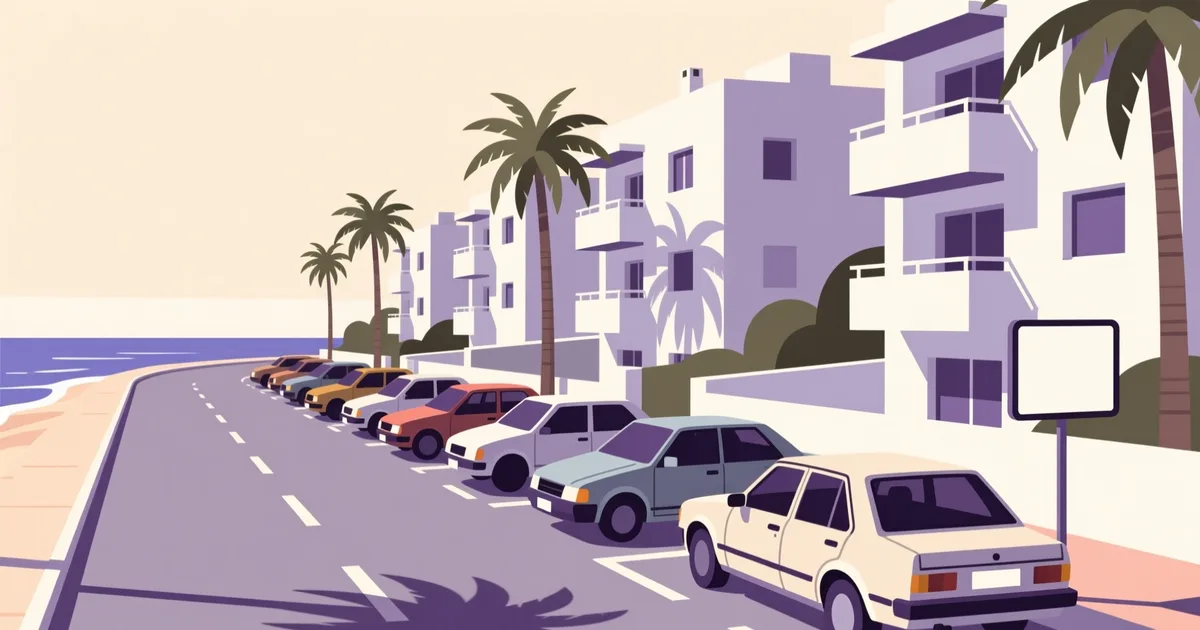
Tel Aviv occupies a narrow strip along the Mediterranean coast. The streets here are often congested, and parking spaces in the courtyards of Florentin or Neve Tzedek remain scarce. Whether you're relocating here or have lived in the city for years, finding a second-hand car requires understanding local specifics. Neighborhoods differ not only in architecture but also in the types of sellers you'll encounter.
In the northern quarters, you'll more frequently find single-owner family cars. In the south and in Jaffa, commercial vehicles and cars imported from other countries dominate. Understanding these differences helps you find the right option faster and avoid problems after closing the deal.
- Private sellers are concentrated in Ramat Aviv and North Tel Aviv, while small dealers operate closer to Jaffa and Kiryat Shalom.
- Prices in the center are higher than in the south due to demand and proximity to business districts.
- Before finalizing a deal, check the mileage, flood history, and import status via government databases.
- Inspect the car during the day on a flat lot, not in a cramped underground garage.
Where to Find a Used Car in Tel Aviv by Neighborhood
Every neighborhood in Tel Aviv shapes its own automotive market profile. The location you choose for your search determines which listings you'll see first. Locals know exactly where well-maintained family cars are sold and where flippers offload commercial vehicles.
North Tel Aviv and Ramat Aviv
Families with children and tech company employees live here. Sellers typically offer well-kept city hatchbacks and crossovers. These cars often have a single owner and a transparent service history. Prices sit at the top end of the market due to high demand among neighbors.
Florentin, Neve Tzedek, and the Center
The narrow streets of Neve Tzedek drive demand for subcompacts. In Florentin, younger residents sell affordable compact models. In the Center, listings are often posted by office workers swapping corporate vehicles for personal ones. Parking is expensive here, so older cars tend to sell quickly.
Jaffa and Kiryat Shalom
In the southern part of the city, the concentration of small dealerships is noticeably higher. Imported cars and commercial vans are more common here. Prices can be lower, but documents require more careful scrutiny. These are the neighborhoods where it's easiest to find cheap used cars in Tel Aviv, provided you're willing to spend time inspecting them.
We've noticed that in the EX & GO catalog, sellers from southern neighborhoods are more likely to note that the price is negotiable, while listings from Ramat Aviv include more interior photos. The exgo.io platform lets you filter offers by radius around a specific district, read seller reviews, and contact them directly without middlemen. Listing rules are described on the EX & GO page.
How Much Does a Used Car Cost in Tel Aviv and What Drives the Price

The cost of a second-hand car in the city is determined by three factors: the selling neighborhood, the vehicle's origin, and its mechanical condition. There is no universal price list, but local patterns hold steady. All else being equal, the north is always more expensive than the south.
The Difference Between the North and South of the City
Sellers in Ramat Aviv factor the prestige of the neighborhood and careful maintenance into their asking price. Dealers in Jaffa reduce their margins through sales volume. If you plan to buy a used car near your home, base your expectations on the average prices in your specific district rather than city-wide averages.
Imported vs. Local Vehicles
Cars imported from Europe or the US are often cheaper than equivalents bought new from an Israeli importer. The difference comes down to customs duties and trim specifications. However, parts for non-standard versions take longer to arrive. Local-market cars are far more familiar to mechanics on HaMasger Street.
| Neighborhood | Typical Vehicle Profile | Who Sells | Relative Price Level |
|---|---|---|---|
| Ramat Aviv | Family crossovers, hatchbacks | Private individuals | Above average |
| North Tel Aviv | Compact and mid-size sedans | Private individuals | High |
| Center | Subcompacts, corporate fleet cars | Mixed | Average |
| Florentin | Older budget models | Private individuals | Below average |
| Jaffa and Kiryat Shalom | Imports, commercial vehicles | Dealers and private sellers | Low to average |
Where to Find Car Listings Nearby?
Your search begins with choosing a platform that aggregates fresh posts. You can use specialized classified boards where sellers specify their exact neighborhood and attach photos. It's important to choose moderated resources to weed out scammers before you even start negotiating.
Private Sellers and Dealerships
Private sellers post faster and sometimes lower their price when meeting in person. Dealerships offer minimal warranties on the engine and transmission, but they build their overhead into the final price. On the EX & GO classified board, you can view a seller's history and past buyer reviews before you even make the call.
The platform does not process payments or take a commission from the transaction. Buyers and sellers arrange payment independently. If a dispute arises, you can contact customer service via the support section. Sellers' phone numbers are verified before publication.
Checking Documents Before the Inspection
Before meeting the seller, request the vehicle's registration number. Check it through the Israeli Ministry of Transport portal gov.il. It displays the number of owners, accident history, and any existing liens. This check takes just a few minutes and saves you hours wasted sitting in Ayalon traffic.
How to Inspect a Used Car in Tel Aviv Before Buying?
Inspecting a second-hand car requires preparation and the right route. You should test the vehicle under conditions similar to your daily driving. Check the air conditioning, braking on descents, and how the suspension handles speed bumps.
A Route for Your Test Drive
Don't agree to just cruise along the flat promenade. Ask the seller to drive onto Ibn Gabirol Street with its constant stop-and-go traffic. Pull into the courtyards of Florentin to gauge the car's dimensions when parking. Head up toward Ramat Aviv to test the engine on a long incline.
Schedule the inspection for the first half of the day, when the sun is up but the asphalt isn't overheated yet. Examine the bodywork in an open lot, not in a cramped shopping mall parking garage. Bright light makes it much easier to spot mismatched paint shades from body repairs that the yellowish glow of a garage hides.
Inspection Stations and Registration
Before finalizing the deal, take the car to an independent inspection station. In Tel Aviv, these workshops operate in the southern industrial zones. After purchasing, you'll need to transfer the registration at a Ministry of Transport branch. The nearest service points for Tel Aviv residents are listed on the ministry's official website.
What Pitfalls Await When Buying a Second-Hand Car?
The used car market in Israel carries specific risks tied to the climate and logistics. Ignorance of local quirks leads to buying a problematic vehicle. Knowing the three main threats will protect your budget from unexpected repair bills.
Flood-Damaged and Rebuilt Cars
Winter downpours regularly flood low-lying areas and underground parking lots in Tel Aviv. The electronics in these cars fail gradually, months after they've been dried out. Smell the carpets for dampness and check the seat rails for rust. Look for dirt trapped under the plastic sill covers.
Signs of Hidden Damage
Headlights fogged up on the inside indicate a broken seal after an impact or water submersion. Fresh undercoating in the trunk floor masks weld marks. Demand documented proof from the seller that the car was never declared a total loss by an insurance company.
Odometer Rollbacks and Gray Imports
Mileage is often altered before a sale to boost the market value. Compare the odometer reading with entries in the service booklet and data from the state registry. Cars imported privately without an official dealership presence require special attention. Finding original parts for them at local shops is difficult.
If you want to finalize your purchase through a trusted channel, browse used cars in Tel Aviv to jump straight to current offers in your area. Comparing terms from different sellers takes less time when all the data is gathered in one place. To get details on a specific listing, open the listings in Tel Aviv and message the owner directly via the internal chat.
What You Need to Know Before Buying a Used Car in Tel Aviv?
Where is the best place to look for a used car in Tel Aviv?
It depends on your budget and condition requirements. In Ramat Aviv and North Tel Aviv, private sellers offer well-maintained family vehicles. Florentin and Jaffa provide a wider selection at lower prices, but require more thorough history checks. Use neighborhood filters on classified boards to immediately rule out unsuitable options and save travel time.
How do I verify a vehicle's legal status?
Ask the seller for the vehicle registration number and check it via the Israeli Ministry of Transport database on the gov.il portal. It displays the number of previous owners, lien status, and accident history. Don't rely solely on the seller's word-cross-reference registry data with the vehicle license document when you meet in person.
Why are car prices higher in the center than in the south?
Central and northern neighborhoods have higher demand due to population density and resident income levels. Sellers in Ramat Aviv often serviced their cars at official dealerships, which increases their value. In the south, such as Jaffa or Kiryat Shalom, there are more small dealers and imported vehicles, creating competition that drives down average prices.
Is it worth buying a car imported from another country?
Imported vehicles can be cheaper but create maintenance challenges. Parts for non-standard trims must be ordered from abroad. The climate of the country of origin also affects the bodywork and cooling system condition. Before buying an imported car, always consult a mechanic who specializes in that specific brand.
How can I safely complete a transaction with a private seller?
Meet during daylight hours in a neutral, well-lit location. Do not hand over money until the ownership transfer is fully completed at the Ministry of Transport. Use platforms where phone numbers are verified and sellers have review histories. Document all agreements regarding the car's condition in writing before handing over the keys.
Where can I get a pre-purchase inspection?
Independent inspection stations are mostly located in the city's southern industrial zones. Choose the workshop yourself rather than using one aggressively recommended by the seller. A comprehensive check includes suspension diagnostics, computer engine analysis, and paint thickness measurement. This reveals hidden defects before you sign the purchase agreement.
Finding the right used car in Tel Aviv requires understanding the city's geography and knowing how to handle paperwork. Neighborhoods dictate the type of sellers and the price level: the north offers pristine cars, while the south appeals with affordability. Always check the vehicle's history through state registries and never skip an independent inspection. Avoid rushing into a purchase and never agree to an inspection in a dark garage. Use neighborhood filters on classified boards, read seller reviews, and ask questions before meeting up. A smart approach to choosing a used car in Tel Aviv will save you time and protect you from hidden breakdowns on the city's roads.