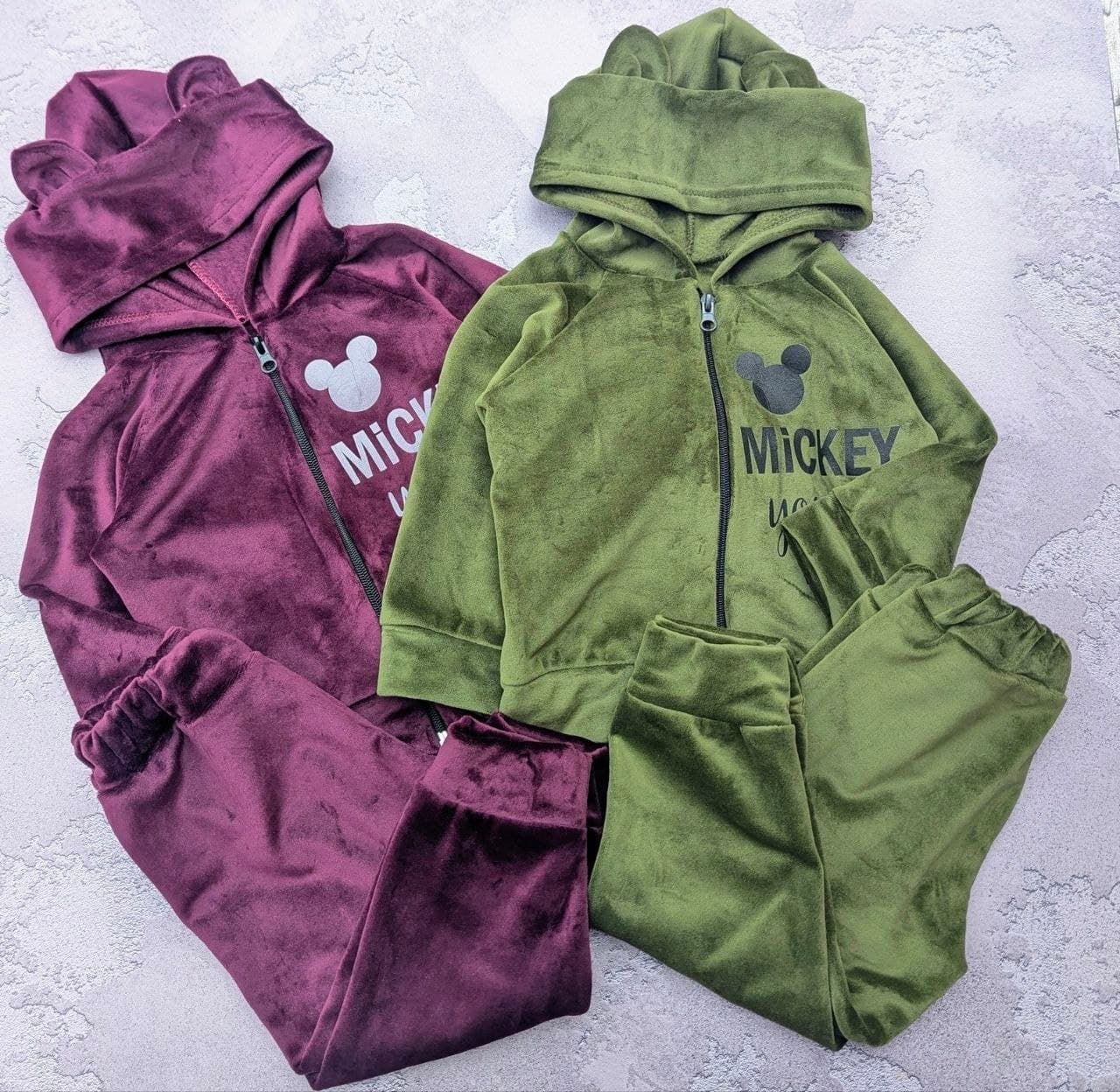
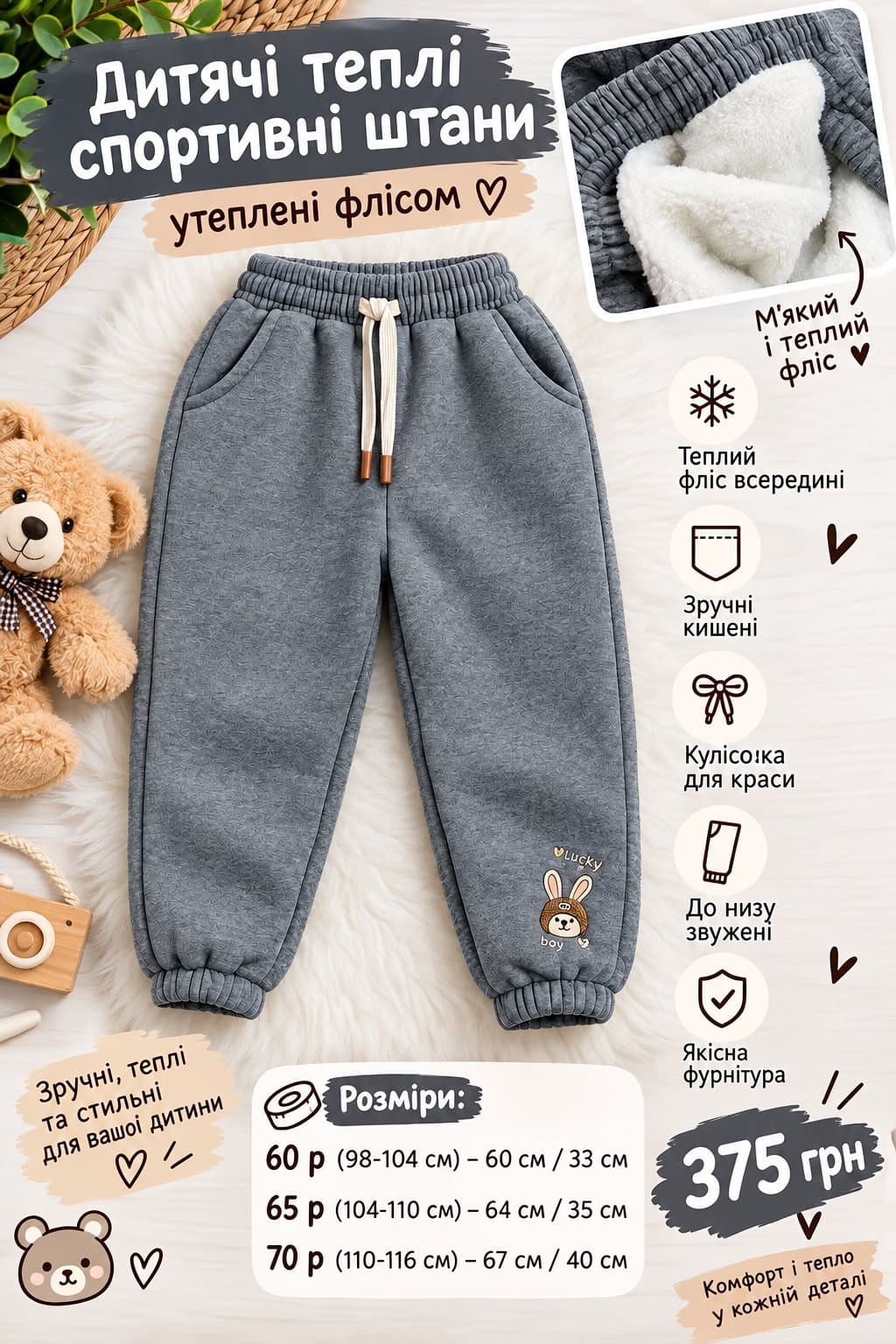
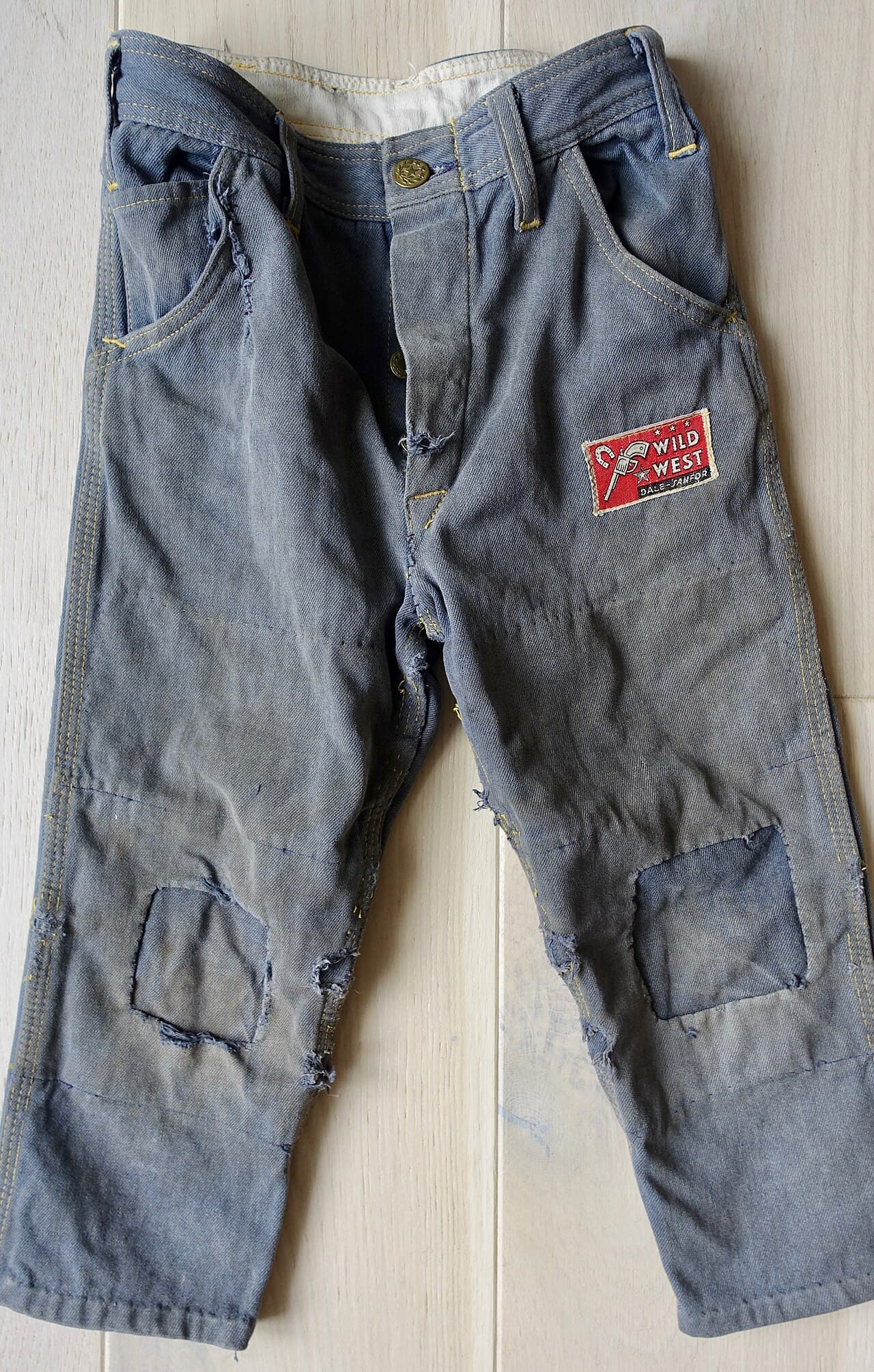
To sell kids' clothing in Ukraine, list each item on a classifieds platform with clear photos, an honest condition note and a realistic price based on sold listings in your city, then arrange a safe handover and take payment only when the buyer has the item in hand. That routine moves most children's clothes within days, without the risks that come with prepayment and courier tricks.
Children grow out of things faster than parents can plan for. A wardrobe that fit in September is tight by March, and the pile of outgrown jackets, bodysuits and shoes keeps growing in the hallway. Selling that pile is normal in Ukrainian cities, where families in Kyiv, Lviv, Dnipro and Odesa buy and resell children's clothes constantly. What separates a fast sale from a listing that sits for two months is rarely luck. It is the price, the photos, and how clearly you describe the condition.
This guide covers the practical side: how to check what similar items sell for, how to photograph clothes so buyers message you, how to spot fake payment screenshots and courier prepayment tricks, where to meet, and what a private sale in Ukraine involves. Small businesses that resell children's clothing can use the same steps at a larger scale.
What does a realistic price for second-hand kids' clothing in Ukraine look like?
Second-hand children's clothing in Ukraine usually sells for a fraction of the retail price, and the fraction depends on brand, condition and season. A mass-market bodysuit that cost 300 hryvnia new often sells for 50 to 100 hryvnia used. Branded items hold more value. A winter jacket from a known outdoor brand can fetch 40 to 60 percent of its original price if the zippers work and the insulation is intact.
Do not price from memory. Open the category, filter by your city, and look at what comparable items are listed for right now. Then look at how long those listings have been up. A jacket listed at 2,500 hryvnia for six weeks is not a price signal, it is a warning. Items that sell sit at the lower end of the visible range and are described precisely.
Season matters more than most sellers expect. Winter coats and snow pants move from September to November, sandals and light dresses from April to June. Listing a snowsuit in May means competing with everyone else who waited, and the price drops accordingly. If you can hold an item for the right season, you will get more for it.
Price in whole numbers and leave a small margin for negotiation. A listing at 450 hryvnia that sells for 400 feels like a fair deal to both sides. A listing at 500 that refuses to move to 450 usually stays unsold, and the buyer buys from someone else the same evening.
How do you photograph and describe kids' clothing so the listing gets messages?
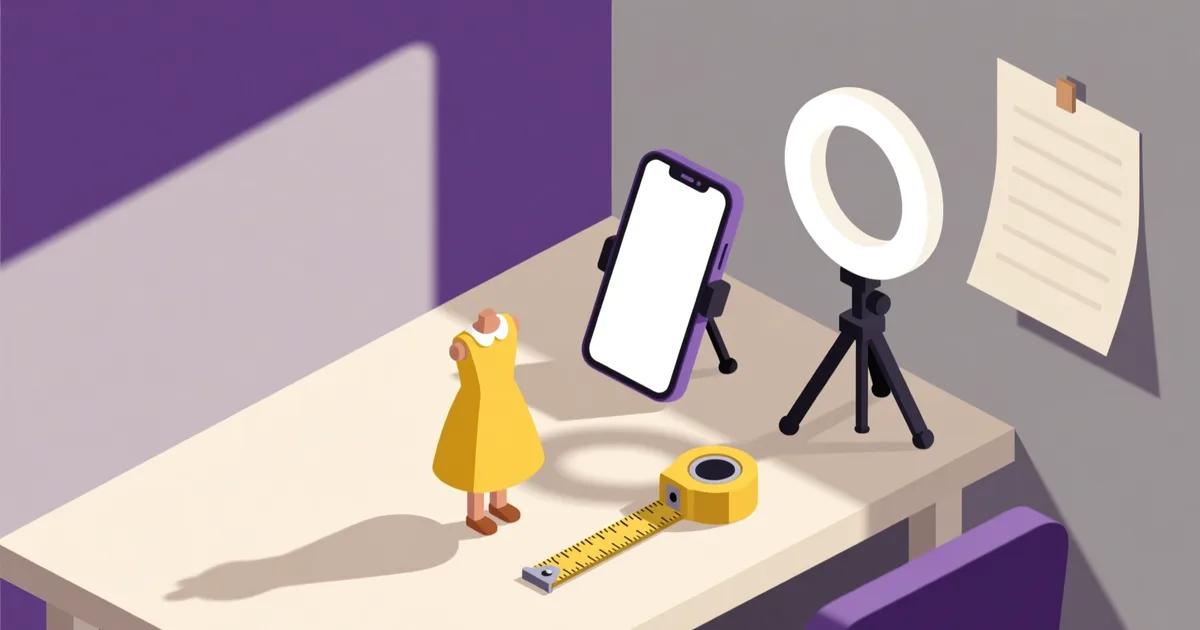
Buyers decide in the first two seconds, on the first photo. Shoot in daylight near a window, lay the item flat on a plain surface, and take one photo of the whole garment, one of the label with the size and brand, and one of any flaw. Do not use filters. A washed-out photo hides the real color, and the buyer who arrives to collect will notice.
Describe the item the way a careful parent would ask about it. Size on the label, actual measurements for the chest and length, brand, material, how many children wore it, and whether it has been washed. Mention every defect: a pulled thread, a faded print, a missing button, a scuff on the sole. Flaws stated up front save you a wasted meeting.
What belongs in the description
Write the size as it appears on the tag and add the child's approximate age. State the season the item suits. Note whether it is for a boy, a girl, or unisex, since many buyers search by that filter. Add the district, not just the city, because pickup distance decides whether someone messages at all.
Skip the phrases that mean nothing to a buyer: "great condition", "quality item", "no time wasters". Replace them with facts. "Worn one season by one child, no stains, all snaps work" tells a parent more than any adjective.
How many photos are enough
Four to six photos cover almost every item. More than that slows the page and rarely helps. For sets, photograph the pieces together and then separately. For shoes, shoot the soles, because that is where wear shows first and where experienced buyers look immediately.
How to sell kids' clothing fast: three routes compared
Speed, price and effort pull against each other. Pick the route that matches what you need this week, and be honest about which one it is.
- Quick sale. Price 20 to 30 percent below similar listings, offer pickup from a metro station or a mall entrance, and accept the first reasonable offer. You will finish in a few days and leave money on the table. Best when the pile is large and the space matters more than the difference.
- Best price. Price at the middle of the visible range, list in the right season, refresh the photos, and wait two to four weeks. You will earn more per item and spend more evenings answering messages. Best for branded outerwear, shoes and anything in new condition.
- Trade-in or bulk handover. Sell the whole bag at once to a reseller or a family that buys in volume. The price per item drops sharply, often to 20 or 30 percent of what you would get individually, but the transaction takes one meeting. Best when you are moving home or clearing a storage room.
- Bundle by size. Group five to eight items of the same size into one lot and price it as a set. Parents buying for a child who just grew a size prefer this, and you avoid eight separate meetings.
- Donate the tail. Whatever has not sold after a month at a fair price is costing you attention. Charitable collection points in most Ukrainian cities accept clean children's clothing, and the tax treatment of donations is worth checking with a qualified adviser rather than assumed.
How do you answer buyers and filter out scammers?
Most messages are genuine and short: "Is it still available?" and "Where can I pick it up?" Answer within a few hours, confirm the district, and offer two or three time windows. Buyers who are serious reply with a time. Buyers who collect listings and never show up usually go quiet at that point, which saves you the trip.
Scams around children's clothing are rarely sophisticated, but they repeat. The fake payment screenshot is the most common: a buyer sends an image of a transfer that never happened and asks you to hand over the item or send it by courier. A screenshot proves nothing. Check your own banking app, and treat money as received only when it appears in your account.
The second pattern involves a courier. Someone offers to pay for delivery, then asks you to cover a "delivery fee" or a "deposit" to a link they send. Legitimate buyers do not ask the seller to pay to sell. If a link appears in a chat, close it.
Overpayment is the third. A buyer "accidentally" sends more than the agreed price and asks you to return the difference. The original transfer is later reversed, and your refund is gone. Decline the whole arrangement.
We see the same pattern in messages across the kids' goods category: buyers ask about size, district and whether the item has been washed, and the sellers who answer those three questions in the first reply are the ones who close the deal the same day.
Before you publish, read the platform's posting rules at the EX & GO rules page. Listings that break them are removed during moderation, and a removed listing wastes the time you spent on photos. EX & GO is a free classifieds marketplace for Ukraine, Central and Eastern Europe and Israel where private sellers and businesses post listings with photos, price and city. Buyers filter by city, district radius and category, message the seller inside the site, and can see the seller's history and reviews. Phone numbers are verified, listings pass moderation, and the deal itself is arranged directly between the parties, because the site holds no payments. That last point matters: it means your safety depends on the handover, not on the platform. post a listing
Where should you meet, and how do you hand over safely?
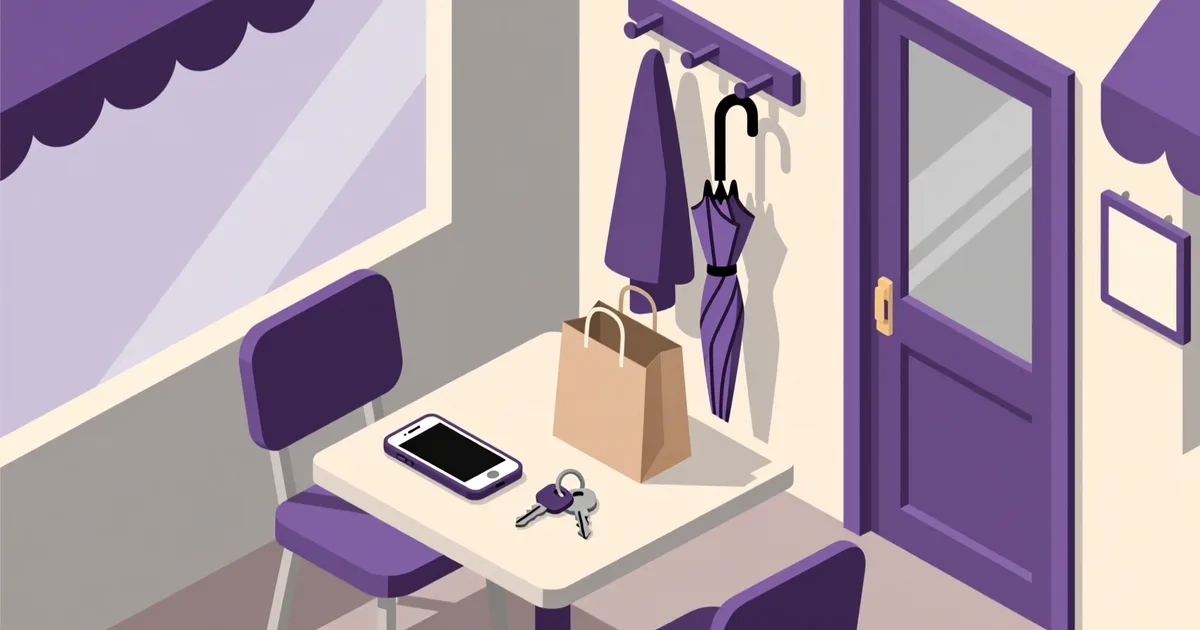
Meet in a public place with people around and cameras overhead: a mall entrance, a metro station concourse, a supermarket vestibule. Daytime is better than evening. If the buyer wants to come to your building, meet at the entrance rather than the apartment door, especially when you are selling alone or have children at home.
Let the buyer inspect the item before money changes hands. This is normal and protects both sides. Count cash in a lit place, and if you accept a card transfer, wait until the money is visible in your app before the buyer leaves.
Bring the item in a bag so it stays clean during transport, and keep the listing open until the sale is complete. If a buyer does not show up, do not chase them. Relist and move on.
For larger lots, agree on the meeting point in writing in the chat. A written record of what was agreed, where and when, is useful if a dispute appears later. The support section explains how to report a problem with a listing or a user. second-hand kids' clothing
What applies to private sales in Ukraine
A private sale of used personal belongings between individuals is not the same as running a business. If you sell your own children's outgrown clothes occasionally, you are clearing a household, not trading. If you buy stock to resell, or sell regularly and at volume, that starts to look like entrepreneurial activity, and the rules on registration and taxation apply to you.
Tax and registration questions depend on your situation, and this guide cannot answer them for you. Check the State Tax Service of Ukraine at Derzhavna podatkova sluzhba Ukrainy for the current rules, and take advice from a qualified accountant if you sell as a business. Consumer protection rules that apply to shops do not automatically apply to a sale between two private individuals, which is one more reason to describe the item honestly and let the buyer inspect it.
Checklist before you publish the listing
Run through this list once, and most of the avoidable problems disappear before the first message arrives.
- Photos taken in daylight, no filters, including the size label and every flaw.
- Size, brand, material and measurements written in the description.
- Condition described in facts, not adjectives.
- Price checked against similar listings in your city, not against retail.
- City and district stated, with a pickup point you are willing to travel to.
- Payment method decided in advance: cash on handover, or a transfer you can verify in your own app.
- Posting rules of the platform read, so the listing survives moderation.
- Meeting place chosen in a public, well-lit spot.
Frequently asked questions
How fast can I sell kids' clothing in Ukraine?
Items priced at the lower end of the local range and listed in the right season often get their first serious message within a day or two, and close within a week. Slow sales usually trace back to one of three causes: a price above the visible range, photos that hide the condition, or a pickup point far from where buyers live. Fix the price first, then the photos, then the district.
Should I accept payment before handing over the item?
For a local handover, cash or a verified instant transfer at the meeting is the simplest arrangement. If you ship an item, confirm the money is visible in your own banking app before sending anything, and never rely on a screenshot the buyer sends. A screenshot is not a payment. The platform holds no funds, so the payment decision is entirely between you and the buyer.
Do I need to register as a business to sell used children's clothing?
Selling your own children's outgrown clothes occasionally is a private sale, not a business. Regular buying and reselling at volume is a different situation, and registration and tax rules apply. The exact treatment depends on your circumstances, so check the current guidance from the State Tax Service of Ukraine and speak to a qualified accountant before you scale up.
Your next step
Pick one bag of outgrown clothes tonight, check what similar items sell for in your city, and publish a single listing with honest photos and a fair price. One good listing teaches you more about how to sell kids' clothing in Ukraine than a month of reading, and the second one takes half the time.