Buying second-hand kids' clothes in Israel is easiest through classifieds and local groups: the seller posts photos, price and city, the buyer filters by city and category, and meetup and payment happen directly between the parties. This format is cheaper than a store and faster than waiting for a sale. The key is to check the seller and the item before handing over money.
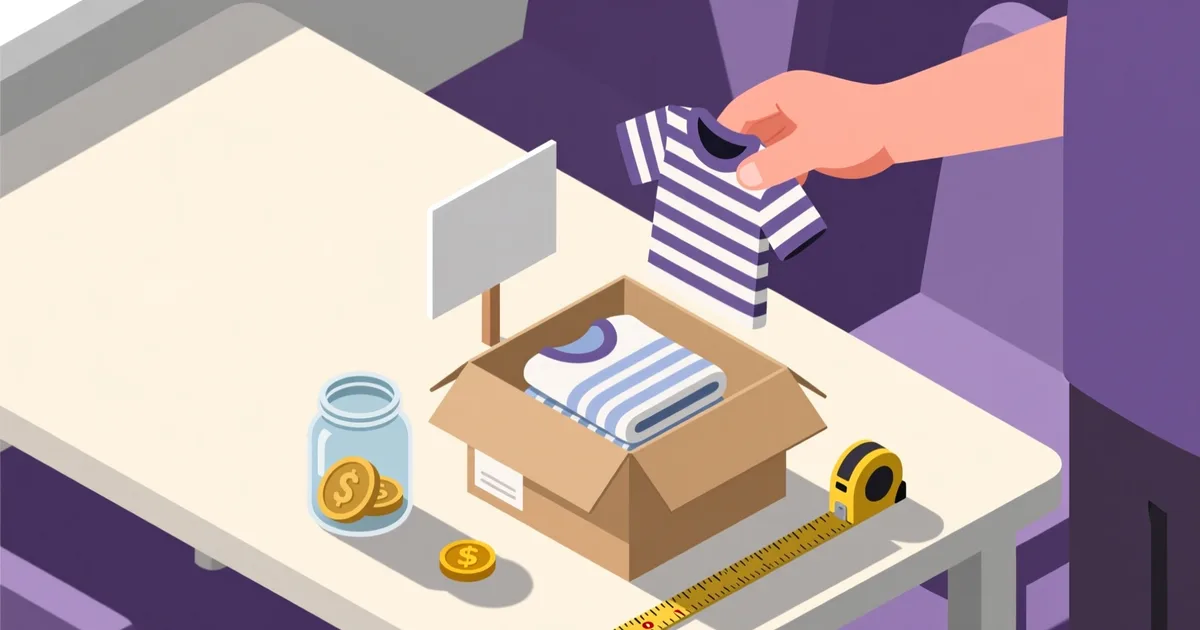
Kids grow fast, and items often stay almost new: a snowsuit for one season, a bodysuit worn twice, sandals outgrown in a month. That's why the second-hand market in Israel is lively and constant. Parents in Tel Aviv, Haifa, Jerusalem, Rishon LeZion, and Petah Tikva buy and sell every day, and prices for many items are several times lower than in stores.
Next, a practical breakdown: where exactly to look, how to read a listing, what to check at the meetup, how to negotiate, and what to do if the item turns out to be not what you expected. This guide is for a buyer reading on a phone who wants a short list of actions, not general theory.
- Search classifieds with filters by city and category, not just general chats.
- Check the seller: history, reviews, verified phone number.
- Never transfer prepayment to an unknown seller before meeting.
- Inspect the item in person: seams, elastic, fasteners, signs of wear, smell.
Where in Israel people look for second-hand kids' clothes
The main platforms are classifieds and themed groups by city and neighborhood. A classifieds site is where private sellers and shops post items with photos, price, and city, and the buyer contacts the seller directly. A catalog is more convenient than a chat: it has categories, filters by city and radius, and search by name.
On EX & GO, kids' items are in a separate category, next to phones, furniture, and home goods. You can choose a city and neighborhood so you don't travel across the country for a T-shirt. Listings go through moderation, and the seller's phone number is verified.
City groups in messengers work fast, but they lack structure: a for-sale message sinks within an hour, you have to clarify the price in chat, and no one shows the seller's history. For a one-off purchase that's fine, for regular buying, it's inconvenient.
What filtering by city and neighborhood gives you
Logistics in Israel matter a lot. A trip from Petah Tikva to Haifa for a bag of clothes costs time and gas, and the 40-shekel savings can disappear. Radius filtering helps you find a seller in a nearby neighborhood and pick up the items on foot or with one short trip.
If you're buying for a whole season at once, it makes sense to gather several listings in one city and schedule meetups on the same day. That way you save on travel and get to compare items with each other.
Price: how much to pay
A simple guideline: a second-hand item in good condition usually costs noticeably less than new, and items for under one year sell cheapest because there are so many. Exact numbers depend on brand, season, and condition, so compare several similar listings in your city before naming your price.
People ask more for outerwear, snowsuits, orthopedic shoes from well-known brands, and sets. Less for T-shirts, bodysuits, and loungewear. If a seller asks a price close to store price, honestly ask what justifies it: sometimes the answer settles the question, sometimes it shows the seller isn't ready to negotiate.
How to read a listing and avoid scammers
Fraud in the second-hand market almost always relies on haste and prepayment. The scheme repeats: the seller rushes you, says there are 'other interested buyers', and asks you to transfer money in advance. As soon as you transfer, the conversation ends.
We check listings and remove clear signs of fraud, but the final decision is always yours: don't transfer prepayment before a personal meetup and don't agree to a 'seller's courier' you didn't order.
Separately about couriers. If a stranger offers to send an item via a delivery service and asks you to pay for 'shipping' via a link, that's a reason to stop. You're not obligated to pay anything before you've seen the item.
Signs of a suspicious listing
Stock photos instead of real pictures of the item. The same image appears in several listings in different cities. A price noticeably below market without explanation. The seller refuses to meet and offers only shipping. The profile was created recently and has no history or reviews.
None of these signs alone proves fraud, but two or more are already a reason to be careful. Ask for an extra photo of the item with a tape measure or against today's newspaper if you're unsure.
How to check the seller
Look at the seller's history and reviews if the platform shows them. Check whether the phone number is verified. Ask a specific question about the item: the size on the tag, whether there are scuffs, how it was washed. A scammer usually has nothing substantive to answer and retreats into general phrases.
The rules for posting and behavior on the platform are described on the rules page: it's useful to read before your first deal to understand what counts as a violation and where to report a problem.
Meetup checklist: what to check in person
Meet in a crowded place during the day: at a mall entrance, at a station, in a cafe. Don't go alone to a stranger's apartment, especially in the evening. Bring cash in small bills so you don't have to look for change.
The inspection takes five minutes if you go down the list. Don't be shy about unfolding the item and looking at it in the light: at home under a dim lamp, defects aren't visible.
Checklist
Seams: no ripped sections or loose threads. Elastic on the waist and cuffs: stretched or still holding. Fasteners, zippers, snaps: work without jamming. Shoe soles: wear, peeling, condition of the insole. Stains and pilling: look in the light, especially on light-colored items.
Smell: mold and dampness don't wash out. Size: match the tag to your child's height, not the age on the label, because brands' size charts differ. Completeness: if they're selling a set, check that all parts are there.
What to ask the seller
How long the child wore the item and for how long. Whether it was washed at high temperature. Whether there are defects not visible in the photos. Why they're selling. Whether they're willing to lower the price when buying several items.
Answers give more than inspection: a seller who calmly talks about wear usually tells the truth. Evasiveness is a signal.
How the deal works and what about buyer rights
A deal between private individuals in Israel is simple: you look at the item, agree on a price, hand over the money, and take the item. The platform doesn't participate and doesn't process payments, so the responsibility for checking lies with the buyer.
It's important to understand this before the meetup: buying from a private seller doesn't come with an automatic right of return like in a store. If the item turns out to have a defect you didn't know about, you can only settle it directly with the seller. So inspection and questions beforehand are not a formality but your protection.
Buying in a store or from a registered business works differently: there, trade and return rules established by Israeli law apply. Current terms should be checked on official government resources, such as the gov.il portal, where consumer rights are published.
If a problem arises
First, message the seller and describe the problem calmly: sometimes it's resolved with a replacement or a partial refund. Keep the chat and photos of the listing; they'll come in handy if the dispute isn't resolved.
If the seller violated the platform rules, report it to the administration. How to do this is described in the support section. A complaint won't get your money back, but it will help other buyers.
Comparison: private seller, store, and platform with history
| Criterion | Private seller | Store | Platform with history |
|---|---|---|---|
| Price | Lowest | Highest | Below store |
| Item condition | Needs checking | New or with warranty | Needs checking |
| Returns | By agreement | By trade rules | By agreement |
| Seller history | Usually none | Not applicable | Visible |
| Search convenience | Low | High | High |
A store wins on predictability: you know what you're getting and can return the item. A private seller wins on price but requires attention. A platform with seller history sits in the middle: price is closer to private, but risk is lower thanks to reviews and moderation.
For basic everyday items that wear out quickly, buying second-hand makes sense. For first-step shoes and items where fit matters, sometimes it's easier to pay more in a store.
How to negotiate in the second-hand market
Haggling in the second-hand market is normal, but it only works with politeness and arguments. Start by asking whether the price is open to discussion, not with a sharp offer of half. A seller who expects haggling usually responds calmly.
A strong argument is buying several items at once. The second is a specific defect: scuff, stretched elastic, missing tag. The third is distance: if you're traveling across the city, that's also a reason to ask for a small discount.
Don't push and don't compare the item to 'the one cheaper elsewhere' if you're not ready to walk away. A good deal is one where both sides are satisfied; otherwise you get the item but waste time on messages.
When to walk away
If the seller rushes you for prepayment, refuses to meet, or doesn't answer specific questions about the item, it's better to look for another listing. There are plenty of items on the market, and there's almost always a similar one in your city.
Frequently asked questions
Where in Israel do people most often buy second-hand kids' clothes?
The main channels are classifieds with filters by city and category, plus local neighborhood groups. Classifieds are easier to search: they have structure, search, and seller history. Groups are faster for a one-off purchase, but there are no filters and posts quickly get buried. Many buyers combine both: they browse listings in their city and check neighborhood chats at the same time.
How much do second-hand kids' clothes cost in Israel?
There's no single price: it depends on the brand, season, condition, and the child's age. Clothes for babies under one are usually cheapest because there's so much of it on the market. Outerwear, snowsuits, and shoes from well-known brands cost more. Use several similar listings in your city as a reference and compare before naming your price. That's more reliable than any average figure.
How can I tell if a seller is a scammer?
The main sign is a demand for prepayment before a meetup. Then come stock photos, a price noticeably below market without explanation, refusal to meet in person, a suggestion to pay for a 'courier' via a link, and a profile with no history. One sign proves nothing, but two or more are a reason to walk away. Ask for an extra photo of the item and a specific question about size and wear.
Can I return an item bought from a private seller?
A purchase from a private individual doesn't come with an automatic right of return like in a store. Everything is settled by agreement between you and the seller. So check the item at the meetup and ask questions before handing over money. If a problem turns up after the deal, message the seller and describe the situation calmly: sometimes it's resolved with a replacement or a partial refund. Keep the chat and the listing photos.
What should I check on kids' clothes at a meetup?
Seams for ripped areas, elastic on the waist and cuffs, whether zippers and snaps work, and the condition of the sole and insole on shoes. Look for stains and pilling in daylight, especially on light-colored items. Check the smell: dampness and mold don't wash out. Match the tag size to your child's height, not the age on the label. If it's a set, make sure all pieces are there.
Is it worth buying second-hand kids' shoes?
Shoes are the most debatable category. Uppers and sandals are often bought if the sole and insole are in good condition. For first-step shoes, many parents prefer new because proper foot support matters. If you buy used, check the insole, sole wear, and how the shoes fit your child's foot. When in doubt, it's better to pay more in a store.
How do I arrange a safe meetup?
Choose a crowded place during the day: a mall entrance, a station, a cafe. Don't go alone to a stranger's apartment. Bring cash in small bills so you don't have to look for change. Tell someone close where you're going and when you'll be back. Inspect the item in good light and don't rush: five minutes of checking against the list saves money and stress.
Key takeaways
Buying second-hand kids' clothes in Israel pays off if you approach it calmly: search classifieds with filters by city, check the seller's history, don't transfer prepayment, and inspect the item in person using a checklist. Price depends on brand, season, and condition, so compare several similar listings in your city before negotiating.
A store offers predictability and returns, a private seller offers a low price, and a platform with seller history is a compromise between them. For basic everyday items, the second-hand market works well; for first-step shoes, sometimes it's wiser to pay more. Keep the checklist handy, meet in a crowded place during the day, and keep the chat until the deal is done.
See also: second-hand kids' clothes, second-hand kids' clothes in Tel Aviv.