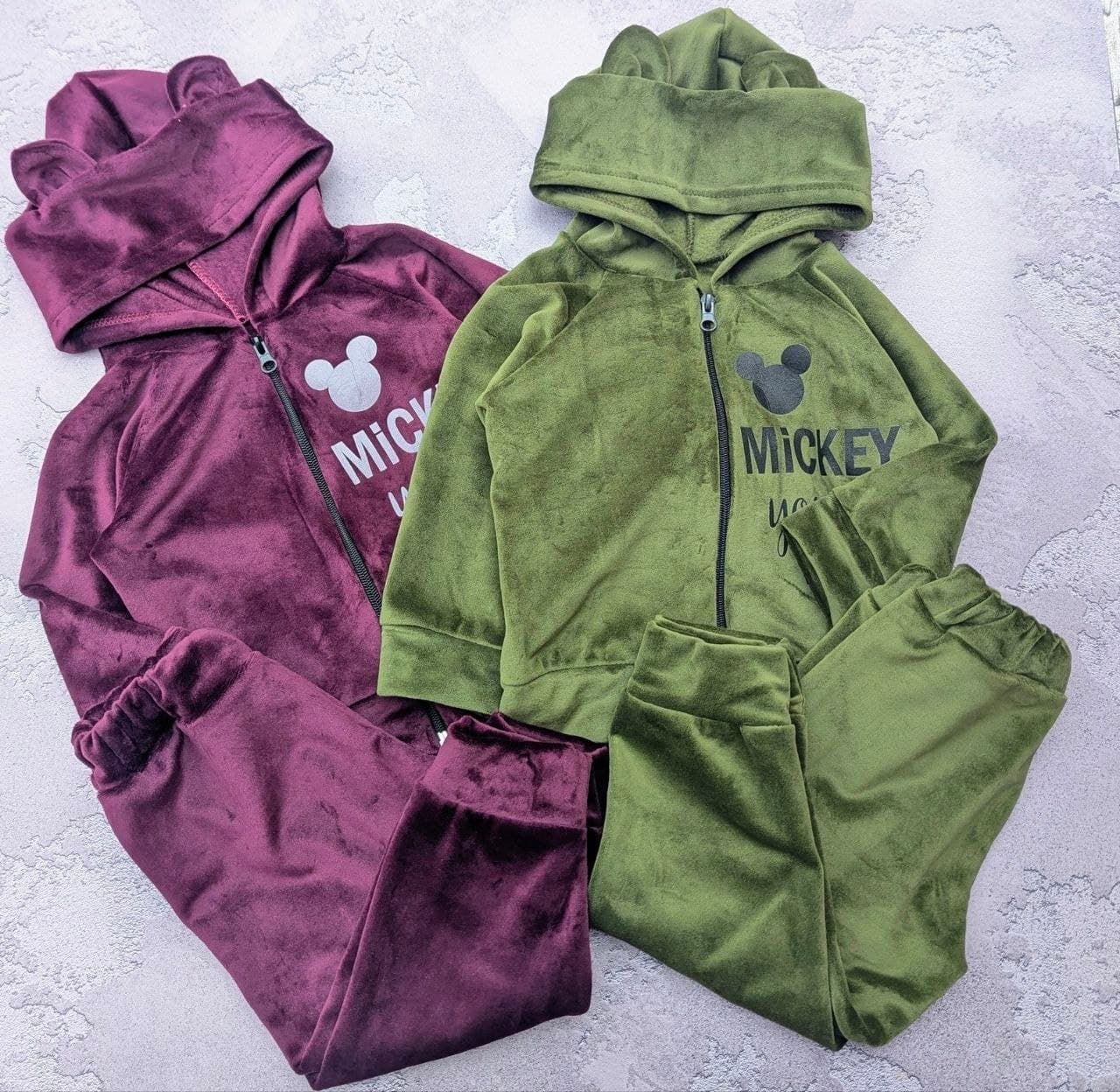
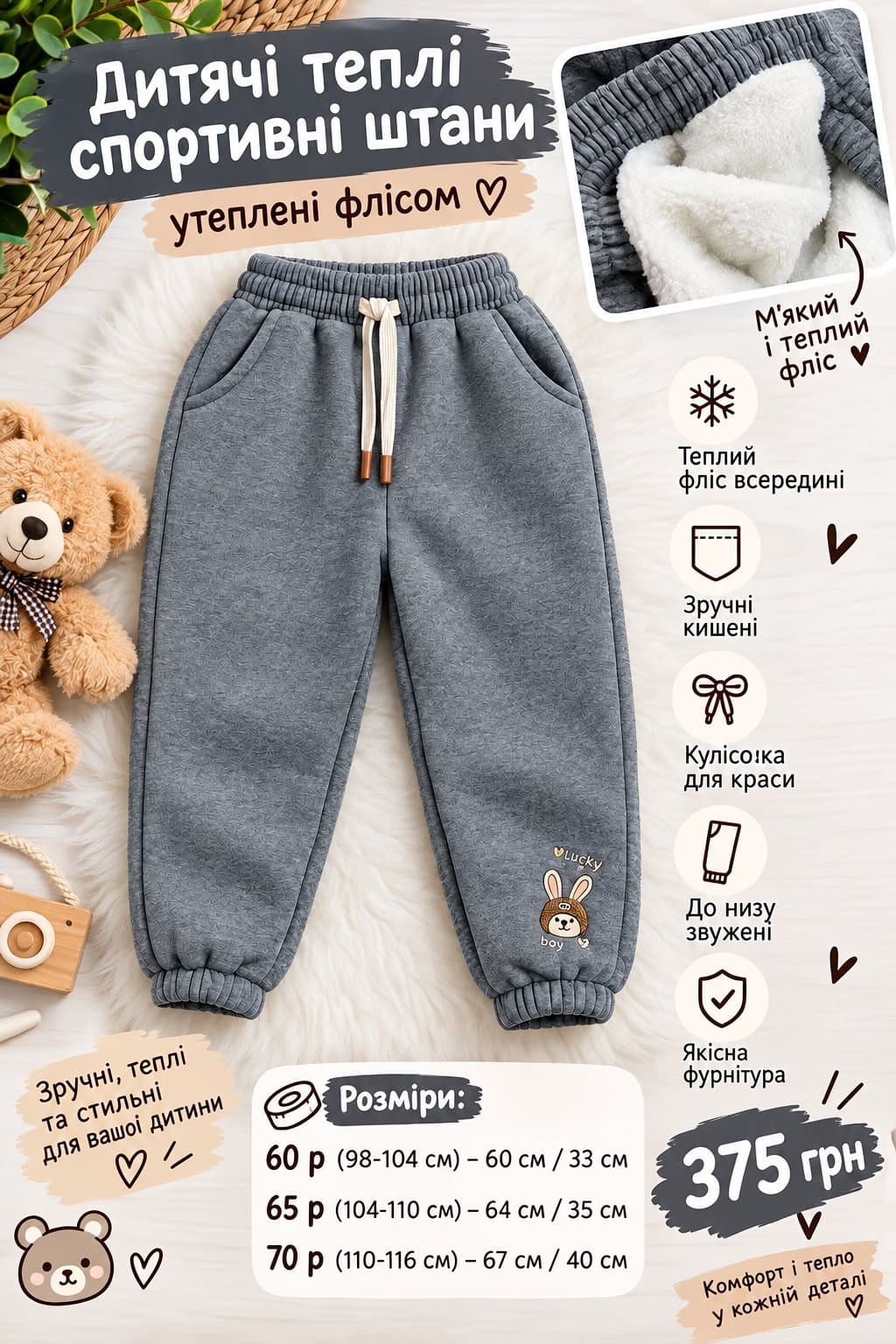
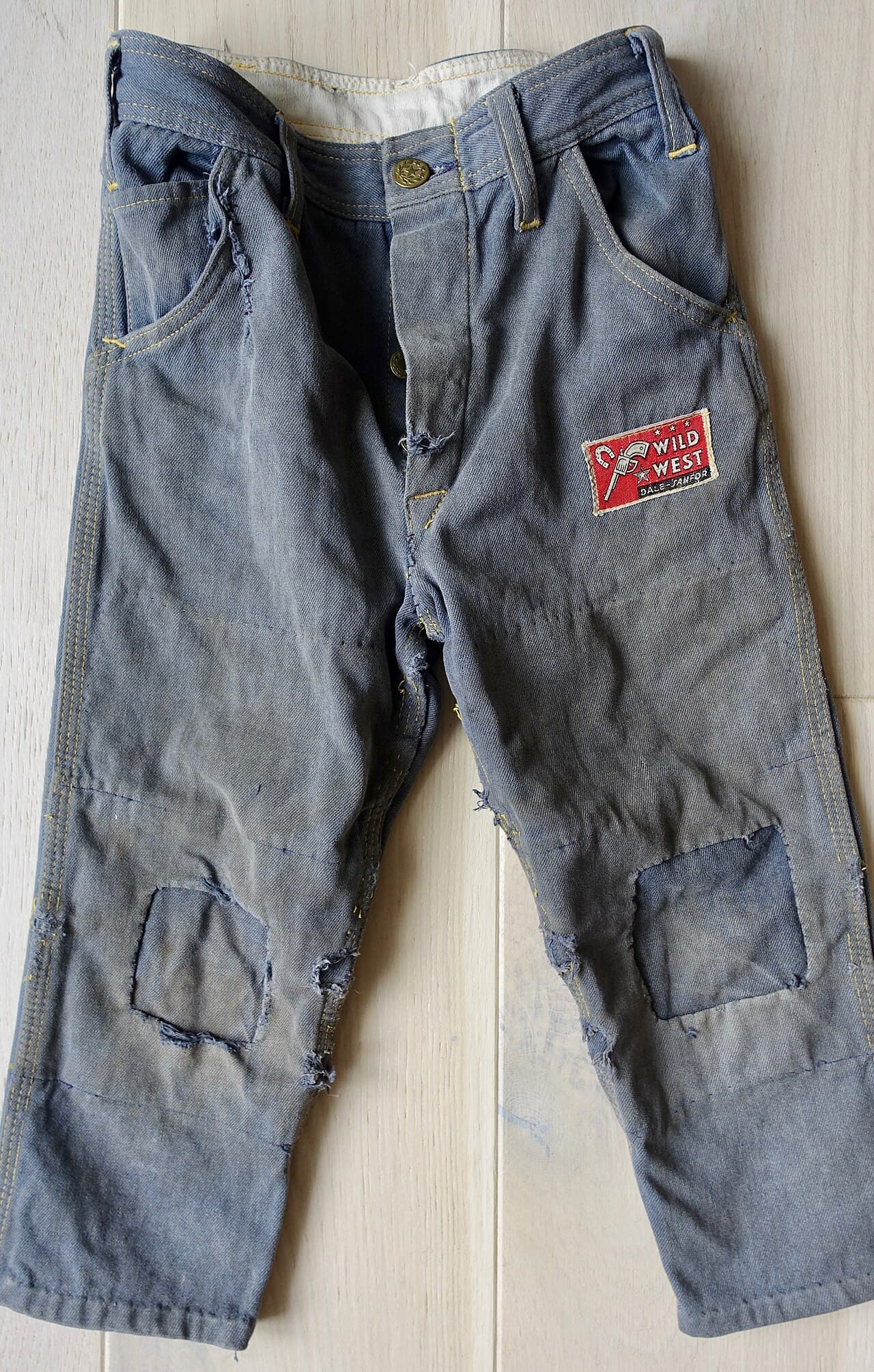
Buying second-hand kids' clothes is easiest through private seller listings: in Kyiv, Kharkiv, Odesa, Dnipro, and Lviv these offers are gathered in the kids' categories, filtered by city and district. The price for an item in good condition is usually two to four times lower than new. Check the photos, the size, and the seller before you pay.
Kids outgrow clothes faster than they wear them out. A 3-6 month romper gets worn for two months, then sits in the closet. That's exactly why the market for second-hand kids' items in Ukraine is so lively: some parents sell what their kids have outgrown, others buy the next size for half the store price.
In this guide we'll cover where to find listings, how to read them and avoid scammers, what to do when you meet the seller, how to negotiate, and what rights a buyer has under Ukrainian law. Everything you need to buy second-hand kids' clothes cheaply and without unpleasant surprises.
- Search in the kids' category with a filter by city or district radius, not the whole country.
- Check the seller's profile: listing history and reviews, not just one photo.
- Never send an advance payment to a stranger without a verified profile.
- At the meeting, inspect the seams, zippers, elastics, and tags with fabric composition.
Where to buy second-hand kids' clothes: private sellers, shops, and platforms
The biggest selection comes from private seller listings. Then come consignment shops, sorted second-hand stores, and online platforms with seller history. Each option has its own price, speed, and level of risk.
In big cities the supply is denser. In Kyiv, in Obolon or Troieshchyna, you can find a dozen listings in the right size in one evening. In Kharkiv and Dnipro the choice is smaller, but prices are often lower. In Odesa and Lviv, pickup works well: sellers are more willing to hand over items if the buyer is nearby.
If you're looking for where to buy second-hand kids' clothes with minimal risk, look at platforms where the seller's profile and previous listings are visible. On EX & GO listings go through moderation, and phone numbers are verified, so at least some of the obvious spam is visible before the first message. The posting rules are described on the rules page.
It's also worth mentioning local social media groups and building chats. There, neighbors sell, sometimes for a symbolic price or give things away for free. The downside is that there's no seller history, and you have to negotiate in messages without filters or moderation.
How to filter the catalog by city and district
Start by choosing the kids' category, then set your city. Next, narrow the search by district radius: that way you'll cut out listings from the other end of the country, a three-hour drive away.
Sort by date, not by price. A fresh listing more often means the item is still available. Old posts that have been up for months are often already sold, but the seller hasn't taken them down.
How to read listings and spot a scammer
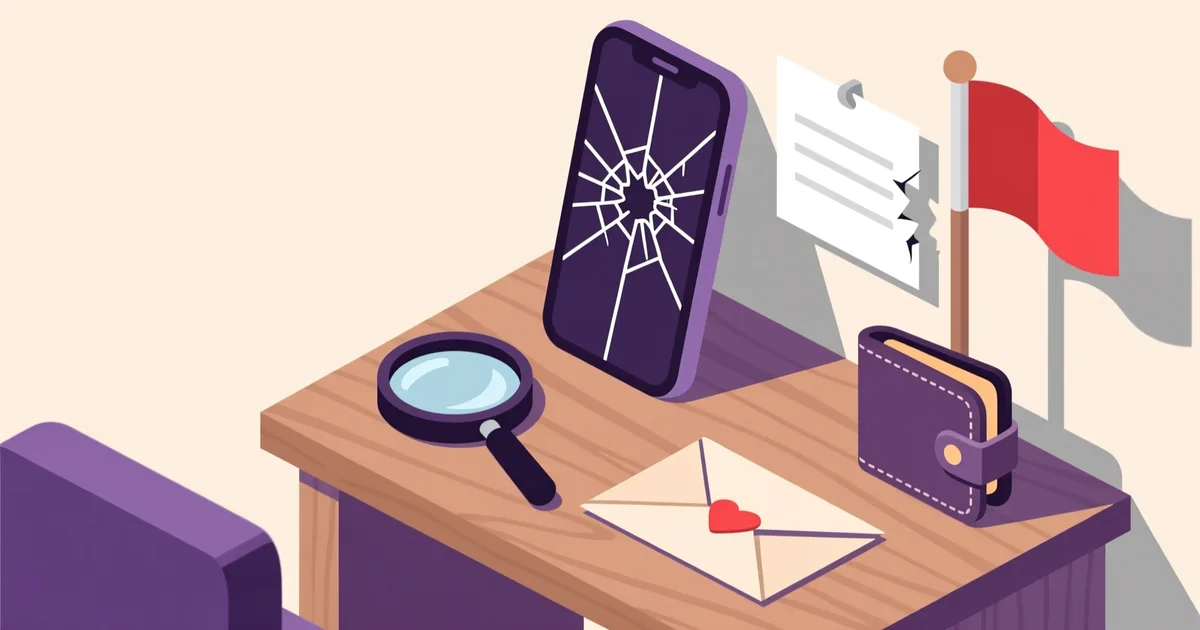
A good listing includes the size, the child's height, the fabric composition, real photos, and the district. If any of these are missing, that's a reason to ask questions, not a reason to pay blindly.
The most common scheme is simple: the seller asks for an advance payment to a card and disappears. The second most common: "I'll ship via Nova Poshta after payment," but the package never arrives or contains something other than what's in the photo. The third: photos taken from someone else's listing or from a brand's catalog.
Red flags in a listing
- The price is significantly below market for that brand and size.
- The photos are studio shots, without an apartment background, or identical across several different listings.
- The seller refuses pickup and insists on full advance payment.
- The profile was created days ago, with no history or reviews.
- They ask you to switch to another messenger and send card details.
You can check photos with a simple image search. If the same photo appears in several listings in different cities, you're looking at a copy. It's also worth checking whether the same profile is selling dozens of items of dubious origin.
The most reliable way to check a seller is to ask for an extra photo of the item in hand or next to a piece of paper with today's date. A scammer usually disappears after such a request, while an honest seller will calmly comply.
How much second-hand kids' clothes cost: price benchmarks
The price depends on the brand, condition, and size. A child in the first year of life changes size every two to three months, so items in small sizes are cheaper and sell faster.
Below are approximate ranges that have developed on Ukrainian listings. This isn't a tariff, but a framework for negotiating: the specific price depends on the item's condition and the city.
| Type of item | Condition | Approximate price, UAH |
|---|---|---|
| Bodysuits, onesies, socks | Good, no stains | 30-120 |
| Romper for 0-12 months | Good | 150-500 |
| Winter jacket or snowsuit | Good, no scuffs | 400-1200 |
| Dress, holiday outfit | Worn 1-2 times | 200-700 |
| Bundle of 5-10 items | Mixed | 300-900 |
Bundles are always better value than buying piece by piece. If a seller is offering ten items as one lot, the price per item drops several times over. But check whether the set includes items you don't need in your size.
Checklist for meeting the seller
Meet during the day in a busy place: near the metro, in a shopping mall, at the park entrance. If the item is large, arrange pickup at the seller's address, but bring someone with you.
The inspection takes five minutes if you know where to look. Below is a list you can keep open on your phone.
What to check on the spot
- Tags: fabric composition, country of origin, size by age and height.
- Seams: whether they've come apart, whether there are signs of re-stitching.
- Zippers and snaps: zip and unzip them a few times.
- Elastics on the waist and cuffs: stretched elastics are hard to replace.
- Stains: look at the collar, cuffs, and pant hems in daylight.
- Smell: a strong detergent or damp smell often hides mold.
- Shrinkage: if the item shrank after washing, it shows in the proportions.
Photograph the item before you pay if you're buying several pieces. This will help if a dispute later arises about exactly what you received.
How to negotiate the price and close the deal
Haggling on listings is normal, not rude. Sellers usually build a small margin into the price for a discount, so an offer 10-20 percent lower doesn't look offensive.
It's best to negotiate in person, once you've seen the item. The argument "there's slight wear on the cuff" works better than just "give me a lower price." If you're taking several items, ask for a discount on the whole lot.
Payment happens at the meeting, in cash or by card transfer after inspection. Listing platforms don't hold money and don't act as a guarantor of the deal, so the final decision is always the buyer's. Check the terms on the support page if anything in the seller's behavior seems odd.
What rights a buyer has in Ukraine
Buying from a private seller is different from buying in a store. Consumer protection law governs relations with businesses, so returning an item to a private individual "just because" won't work under the law.
In a store or from an entrepreneur, different rules apply: there's a receipt, a warranty, and the right to exchange if the item doesn't fit in size and shows no signs of use. The list of cases where exchange doesn't apply is determined by law, and it's worth checking the current version.
If the seller broke the agreement, sent the wrong item, or disappeared after payment, contact the police with evidence of the correspondence and the transfer. General guidance on consumer protection is published on the website of the State Service of Ukraine for Food Safety and Consumer Protection, and tax matters on income from selling items are regulated by the State Tax Service. For private sales of used personal items this usually creates no obligations, but if you sell systematically, it's worth checking the terms.
Comparison of buying options
| Option | Price | Seller verification | Returns |
|---|---|---|---|
| Private seller from a listing | Lowest | Profile, reviews, photos | By agreement |
| Consignment shop | Medium | In-person inspection | Per store rules |
| Platform with seller history | Low | Listing history and reviews | By agreement |
We see that buyers most often ask about height-based sizing and whether they can view the item in person, so listings with detailed descriptions and several photos reach an agreement faster.
When you need a specific item for the season, browse second-hand kids' clothes. And if you want to compare prices across several cities at once, it's convenient to start with second-hand kids' clothes in Kyiv.
Frequently asked questions
Where do people most often sell second-hand kids' clothes in Ukraine?
The biggest selection is in the kids' category on listing platforms, where private sellers post items with photos and a price. Next come consignment shops and local social media groups. In Kyiv, Kharkiv, Odesa, Dnipro, and Lviv the choice is denser than in smaller cities, so filtering by city and district saves time.
How much do second-hand kids' clothes cost?
Rough ranges are: bodysuits and onesies 30-120 UAH, a first-year romper 150-500 UAH, a winter jacket or snowsuit 400-1200 UAH, a holiday outfit 200-700 UAH. Bundles of several items are always better value than buying piece by piece. The final price depends on the brand, the condition, and the city.
How do I avoid scammers when buying second-hand kids' clothes?
Don't send an advance payment to a stranger. Check the seller's profile, listing history, and reviews. Run photos through reverse image search to spot copies. Ask for an extra photo of the item in hand. Arrange to meet in a busy place during the day and pay after inspecting. If the seller pressures you on time or demands full payment upfront, that's a reason to walk away.
Can I return second-hand kids' clothes bought from a private individual?
As a general rule, buying from a private seller is an agreement between two people, so returns depend on what you agreed. The right to exchange under consumer protection law applies to shops and businesses, where there's a receipt and a warranty. So inspect the item before paying and document its condition with photos.
How do I negotiate the price of second-hand kids' clothes?
Offer 10-20 percent less if you see minor flaws. It's best to negotiate in person during the inspection, when the item is already in your hands. Give specific reasons: wear, a stretched elastic, a stain. If you're buying several items as one lot, ask for a discount on the whole purchase, not on each piece separately.
What should I check when meeting the seller?
Tags with composition and size, seams, zippers, snaps, and the elastic on the waist and cuffs. Look for stains in daylight: collar, cuffs, pant hems. Check the smell, a sharp scent can hide dampness. Check whether the item shrank after washing. If you're buying several pieces, photograph them before paying.
Summary
Buying second-hand kids' clothes in Ukraine for half the store price is realistic if you approach it calmly. Choose the kids' category, set your city and district, review the seller's profile and reviews. Don't pay a stranger upfront. At the meeting, inspect the seams, zippers, elastics, and tags, not just the color.
Negotiate with reasons and arrange pickup in a busy place. Buy in bundles if you need several items in the same size. Keep the correspondence and photos until you're sure the item fits. That way you'll meet the need for the next size without extra expense and without the risk of losing money on an advance payment.