Buying used accessories in Poland comes down to three steps: find a listing from a trusted seller, inspect the item in person, and set a price based on condition and comparable listings. Most of your time is best spent vetting the seller and inspecting carefully, because that's what protects you from losing money.
The secondary market in Poland now operates mainly online. Listings are posted by both private individuals and businesses, and buyers filter them by city and category. In Warsaw, Kraków, Łódź, Wrocław, and Poznań the selection is widest, so it's easier to compare several units of the same model. Outside big cities the choice is smaller, but prices are often lower because demand is weaker. This guide shows you how to go from browsing listings to closing the deal, what questions to ask the seller, and what to watch out for when paying.
- Check the seller's profile and listing history before you write.
- Inspect the item in person, during the day, and test it before paying.
- Don't send a deposit to someone you haven't met face to face.
- Set the price based on 3-4 similar listings, not just one.
Where to buy used accessories in Poland
Used accessories are most often bought on classified platforms, in local groups, and at online auctions. Each of these places has different dynamics and different risks.
Classified platforms offer filters by city and category, so you immediately see what's within a few kilometers. That matters for heavier items like car accessories or sports gear, where shipping costs eat up the savings. On EX & GO listings go through moderation and phone numbers are verified, so some fake offers are rejected before publication. The site doesn't handle payments; the parties settle directly.
Local groups on social networks move fast, but without any verification. A seller can disappear after one transaction. Online auctions have a rating system that helps, though new accounts with a few comments say little about actual history.
Shops selling used gear and consignment stores are a third route. The price is higher, but you get a receipt, a startup warranty, and the option to file a complaint. If you care about peace of mind rather than the lowest price, this option is often more sensible.
The rules for posting listings and what's prohibited are described on the /pl/rules page. It's worth reviewing before you deem an offer suspicious, because some restrictions come from the law, not from a moderator's whim.
How to read a listing and spot a scam
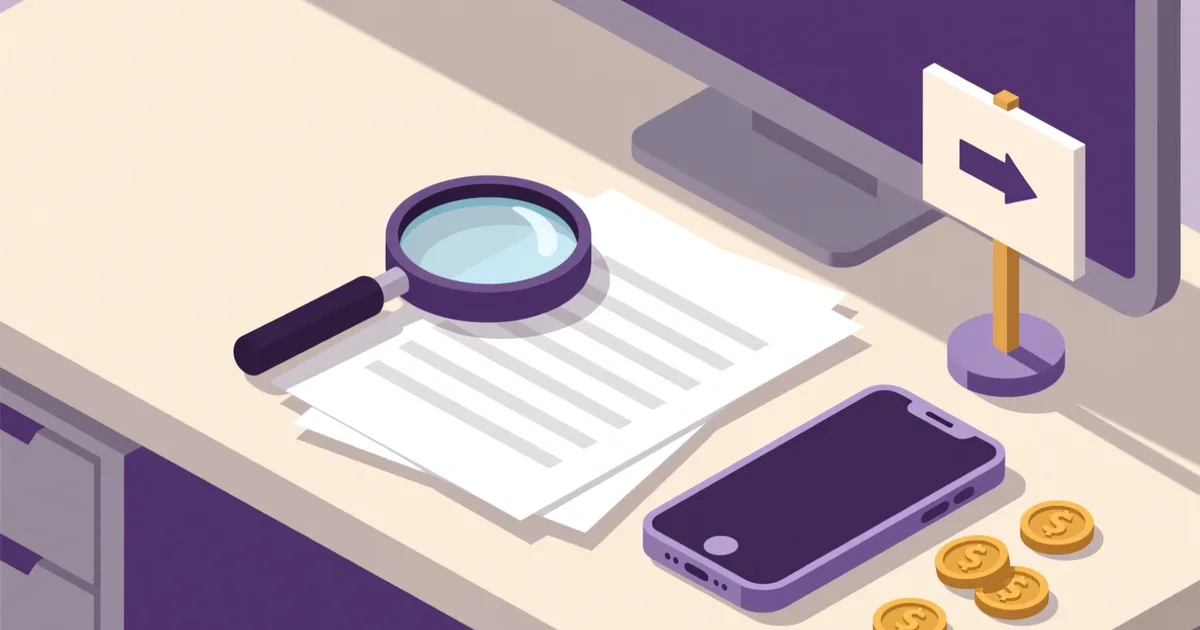
A good listing has its own photos, a specific description, and a price that doesn't stray from the market. Everything else is a warning sign.
Photos and description
Check whether the photos look like they were taken at home rather than downloaded from the manufacturer's catalog. A reverse image search will show in seconds whether the same photo appears in dozens of other listings across the country. Ask for an additional photo with a piece of paper and today's date. An honest seller will take one without a problem.
The description should include the model, year of purchase, signs of use, and reason for selling. Missing information doesn't mean fraud, but it requires follow-up questions.
Warning signs
The most common scheme is a request for a deposit or advance payment to an account before shipping. The second is pressure to move off the platform and pay via BLIK code or a link that supposedly confirms the transaction. A real payment recipient never asks for a BLIK code, because that code is used to withdraw money, not to receive it.
Also watch out for a courier arranged by the seller and stories about an urgent trip meant to push you into a quick decision. Haste works in the scammer's favor.
For cash-on-delivery payments, check the contents of the package in front of the courier before you sign for receipt. After signing, a complaint about missing or damaged items is much harder, because you're confirming the shipment arrived intact.
What to check at the meeting: a checklist
The meeting is the only moment when you can truly assess the item. Prepare a list in advance and stick to it instead of improvising.
Before you leave
- Choose a public place, preferably during the day, near a shopping center or police station.
- Bring cash in the exact amount and a phone charged enough to work.
- Save the listing number and take a screenshot of the content before the seller deletes it.
- Tell someone where you're going and when you'll be back.
On site
- Examine the item in the light, check edges, hinges, connectors, and signs of gluing.
- Test it: turn it on, pair it, ride it, fold and unfold it.
- Check serial numbers and compare them with those in the listing and with documents.
- Ask why they're selling and whether the item has been repaired.
- Ask for proof of purchase if it was bought in a store.
If something doesn't work, don't negotiate down and don't count on fixing it later. Walk away. The market is large, and in Warsaw, Kraków, or Wrocław a similar offer will appear within a few days.
How to set a price and negotiate
The price of used accessories is set by comparison, not by gut feeling. Collect 3-4 listings of the same model in similar condition and see what sellers are actually asking.
Several things affect the price. Completeness, meaning the presence of the box, cables, and instructions, raises the value by even a dozen percent or so. Missing accessories that you'd have to buy separately lower it by the cost of acquiring them. Signs of wear matter less than hidden defects, which is why an in-person test is more important than appearance.
Negotiate calmly and specifically. Instead of saying something is too expensive, give a reference point: a similar unit in this city is going for that amount. Point out a real flaw, such as a missing case or a scratch, and propose a price you're ready to pay right away. Sellers value a quick decision more than long haggling.
Buyers most often ask us whether the listing price is negotiable and how to check that the seller won't disappear after payment. Keep in mind that when buying from a private individual you don't have the right to withdraw from the contract within 14 days, because that right applies to store purchases, not transactions between two individuals. The rules for returns and complaints on the site are described on the /pl/support page.
Where can you compare prices and check a seller's history? On EX & GO you can see a person's previous listings and reviews from other buyers, which when buying for a few hundred zlotys can be decisive. used accessories
If you're looking for a cheap unit, remember that the lowest price rarely goes hand in hand with the best condition. used accessories in Warsaw
Where to buy used accessories: private seller, shop, or platform with history?
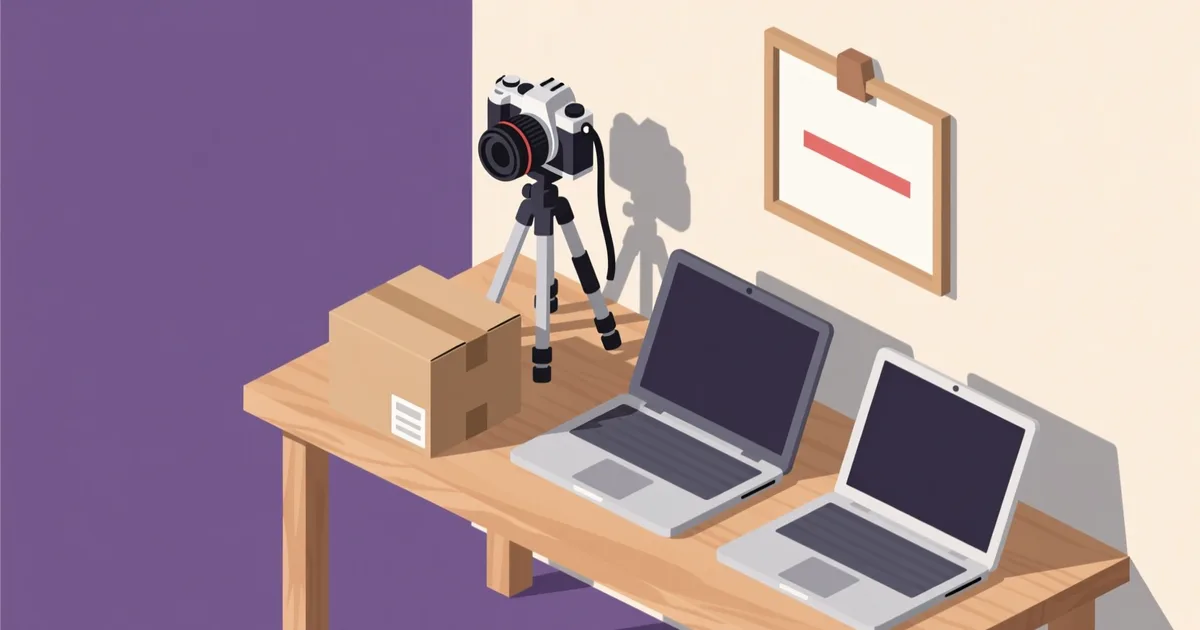
| Criterion | Private seller | Used gear shop | Platform with seller history |
|---|---|---|---|
| Price | Lowest | 20-40 percent higher | Average, depends on negotiation |
| Warranty | None, unless the parties agree otherwise | Startup warranty, receipt | None, but reviews are visible |
| Return option | No right of withdrawal | Return per the shop's terms | Depends on the parties' agreement |
| Seller verification | Manual, based on conversation | Fixed location, company details | Listing history and reviews |
| Reach | Local, neighborhood | Local and shipping | City, district, all of Poland |
Choose consciously. For small accessories costing a few dozen zlotys, the price difference is small and convenience wins. For gear costing several hundred or several thousand zlotys, it's worth traveling, inspecting, and paying on pickup.
What rights you have as a buyer in Poland
A purchase from a private individual is a civil-law contract, not a consumer sale. That's a fundamental difference you need to know before transferring money.
The right to withdraw from a contract within 14 days without giving a reason applies to distance contracts with a business. When buying from a private individual, you don't have that right. You do have statutory warranty if the seller is a business, as well as the ability to pursue claims if the item was described inaccurately or the seller deliberately concealed a defect.
Keep all correspondence, screenshots, transfer confirmation, and the listing content. These are the evidence that matters if the case goes to a report. The Office of Competition and Consumer Protection and the gov.pl portal describe how to file complaints and requests: UOKiK and gov.pl. If the seller operated on a platform, also report the listing itself so a moderator can check it.
How much to pay for used accessories
There's no single rate, but there's a simple method. The price of used accessories is usually 40 to 70 percent of the price of a new equivalent, if the condition is good and complete. Below 30 percent usually means either a bargain or a hidden problem.
For accessories for phones, computers, and sports gear, value drops fastest in the first two years after purchase. After that the price stabilizes and falls more slowly. That's why a two-year-old unit is often a reasonable compromise between price and durability.
Add the cost of travel, any missing parts, and a check-up to the listing price. Sometimes an offer for 200 zlotys in Poznań ends up more expensive than one for 240 zlotys in Łódź, if you have to travel to it and buy a cable.
Frequently asked questions
Can I return used accessories bought from a private individual?
No, if the seller is a private individual. The right to withdraw from a contract within 14 days applies to purchases from a business, not transactions between two individuals. The exception is when the seller operates a business and sells within it. Then you have consumer rights, including statutory warranty. That's why, before buying, ask directly whether the seller operates as a company and request written confirmation.
How do I check a seller before buying?
Look at their profile, listing history, and reviews from other buyers. Check whether the photos are their own and not pulled from a catalog. Call and ask why they're selling and about the item's condition. If the seller avoids conversation, writes inconsistently, or asks for a deposit before you've seen the item, walk away. On platforms with phone number verification and listing moderation, some fake offers are rejected, but that doesn't relieve you of your own judgment.
Is prepaying to a bank account safe?
When buying from an unknown private individual, prepayment is a risk. You have neither the item nor any certainty it will be shipped. Safer options are cash on delivery, payment to the courier, or meeting in person. If the seller insists on a quick transfer and explains it away with an urgent trip, that's a classic red flag. Never give a BLIK code to anyone who claims it will let them receive money, because that code is used to withdraw funds.
How do I negotiate the price of used accessories?
Gather a few similar listings and cite a specific reference point. Point out a real flaw, such as a missing case or visible wear, and propose an amount you can pay right away. Don't start with an insultingly low offer, because the seller will stop taking the conversation seriously. A quick decision and cash work better than long haggling. If the price won't come down to your level, thank them and keep looking.
Where can I find cheap used accessories in big cities?
In Warsaw, Kraków, Łódź, Wrocław, and Poznań the selection is widest, so it's easier to find a bargain and compare several units. Filter listings by district to limit travel. It's worth setting up notifications for new offers in your chosen category, because good items disappear within hours. Outside big cities the selection is smaller, but prices are often lower due to weaker demand.
What should I do if the item turns out to be defective?
First, write to the seller and describe the problem, referring to the listing content. Keep all correspondence and screenshots. If the seller is a business, you can file a complaint under statutory warranty. If the seller is a private individual and deliberately hid a defect, the matter may go to court. Also report the listing on the platform so a moderator can respond. Consumer complaints are handled by UOKiK, and information about procedures is available on gov.pl.
Summary
Buying used accessories in Poland is mainly work before the meeting: checking the seller, comparing several listings, and preparing a list of questions. The better you know the market, the harder it is to scam you and the better your negotiation will go. Don't rush, don't pay upfront, and always test the item before paying.
Stick to a few rules. Inspect in person, during the day, and bring someone with you if the amount is high. Save the listing number and take screenshots. Pay on pickup, and when buying from a used gear shop, ask about return conditions. If anything raises doubt, walk away. The secondary market has enough offers that you don't need to risk it on the first suspicious one.