To buy second-hand accessories in Israel, start with classifieds platforms and local Facebook groups, then verify the seller before you pay. Check the item in person, confirm the model number matches the listing, and never transfer money before you hold the product. Most deals close in cash within a day. Prices run 30 to 60 percent below retail for used phone cases, chargers, watch straps, bags, and cables.

Israel has a dense second-hand market, and accessories move fast. Tel Aviv and Ramat Gan sellers list phone cases, AirPods cases, and smartwatch bands daily. Jerusalem tends to have more religious-goods accessories and camera gear. Haifa and the Krayot area have steady electronics turnover thanks to the Technion student population. Rishon LeZion and Petah Tikva sit in the middle of the country, so buyers from either side can reach them in under an hour. The trick is knowing where to look and what to inspect before you hand over cash. This guide covers both, plus how to negotiate and what to do if something goes wrong.
- Check the seller's history and reviews before you message, not after.
- Inspect the item in daylight, test every function, and match the serial number to the listing photos.
- Never prepay by bank transfer or Bit to a stranger you have not met.
- Meet in a public place with cameras, such as a mall entrance or a busy cafe.
Where to buy second-hand accessories in Israel
Classifieds platforms are where most private accessory sales happen. A free marketplace such as EX & GO lists items with photos, price, and city, and lets you filter by city, district radius, and category. That radius filter matters in a small country. A 20 km search from Tel Aviv reaches Ramat Gan, Givatayim, Bnei Brak, and Bat Yam in one pass.
Facebook groups work too, but they fragment by city and interest. "Second hand Tel Aviv" style groups, buy-and-sell groups for specific phone brands, and neighborhood groups in Florentin or Neve Tzedek all carry accessories. The downside is no structured search. You scroll, you message, you wait.
What each channel is good for
Dedicated classifieds platforms handle accessories best because the category tree separates phone cases from chargers from watch bands. You can also see a seller's posting history and reviews, which Facebook does not show cleanly. Groups are better for rare items, vintage camera straps, or branded bags that collectors trade.
Local shops and repair kiosks sell used accessories as a side business. Prices are higher, but you get a receipt and a physical address if something fails. In Tel Aviv's Carmel Market area and Jerusalem's Mahane Yehuda, small stalls sell used phone accessories at fixed prices. No negotiation, no history check, but also no scam risk.
Cities where supply is deepest
Tel Aviv leads on volume. Jerusalem follows for camera and audio gear. Haifa has strong electronics turnover. Rishon LeZion and Petah Tikva are convenient midpoints for buyers traveling between regions. If you are outside these cities, set a radius that includes the nearest one and check twice a week. Accessories sell within hours of posting.
How to read a listing and spot a scam
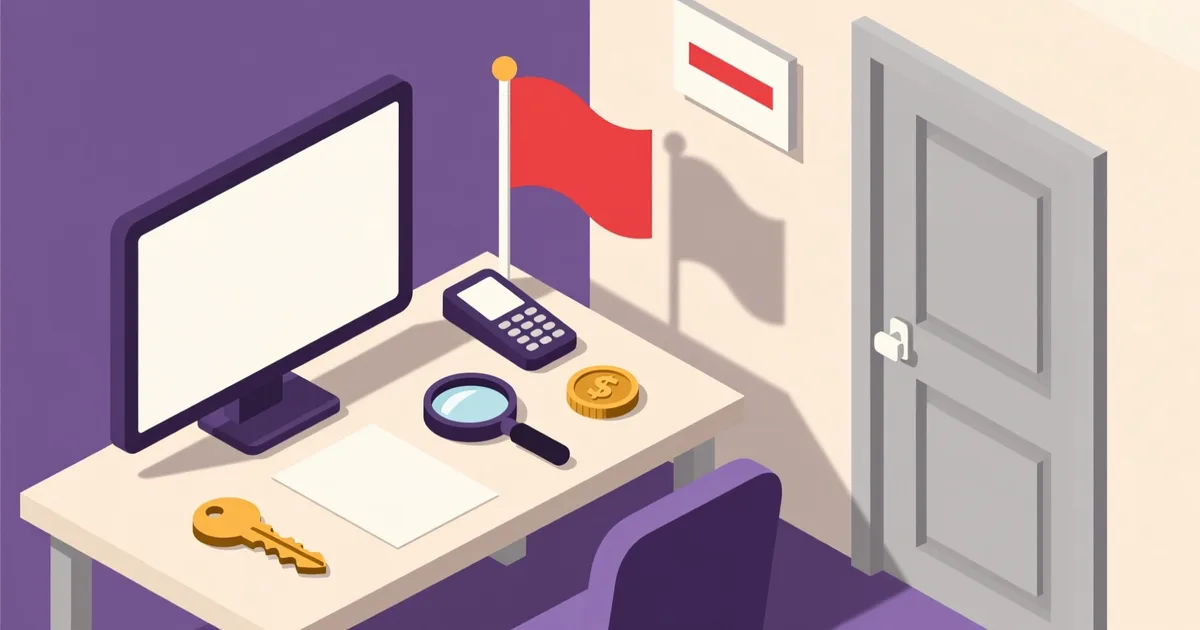
A legitimate listing shows the actual item, not a stock photo. Look for a background that matches the seller's claimed city, natural lighting, and at least one photo of the serial number or model label. If all photos look like they came from a manufacturer's website, treat it as a warning sign.
Prepayment requests are the most common scam. A seller asks for a Bit transfer or bank deposit to "hold" the item, then stops responding. Courier tricks work the same way: the seller claims to ship via a delivery service and asks you to pay the courier directly. In Israel, private accessory sales are almost always in-person cash deals. Anyone pushing remote payment is a risk.
We see the same pattern in buyer complaints: the listing price is 40 percent below every comparable item, the photos are too clean, and the seller replies within seconds. Real sellers negotiate. Scammers push you to decide fast.
Check the seller's profile before you message. A history of past listings, a verified phone number, and reviews from previous buyers are the strongest signals. On EX & GO, listings pass moderation and phone numbers are verified, which removes the anonymous throwaway accounts that plague open groups. You can read the platform's posting rules at the rules page if you want to know what gets removed.
Red flags to walk away from:
- Price far below the market for that exact model.
- Refusal to meet in person or to share a location.
- Pressure to pay before inspection.
- Photos reused from another listing, which you can check with a reverse image search.
- Seller asks you to move the conversation to WhatsApp immediately.
What should you check at the meeting?
Bring a checklist and use it. Meeting in daylight at a mall entrance or busy cafe gives you light and witnesses. Test the item before money changes hands, and do not let the seller rush you.
General checklist for any accessory
Match the model number on the item to the listing. Check for cracks, scratches, and discoloration that photos hid. Test every button, port, and hinge. For anything with a battery, ask how old it is and whether it holds charge. Ask for the original box or receipt if the seller claims the item is new.
Specific checks by category
Phone cases and covers: check the camera cutout alignment and whether the case has yellowed. Chargers and cables: plug them in and confirm the device charges at normal speed, not slowly. Watch bands: flex the strap and look for cracking at the lug ends. Bags: check zippers, lining, and strap stitching. Headphones and earbuds: pair them, play audio at low and high volume, and check for one-sided sound.
For electronics accessories with a serial number, write it down. If the item turns out to be stolen, that number is your only protection. Israeli police accept reports on stolen goods, and a serial number makes the report useful.
Private seller vs shop vs marketplace with seller history
| Channel | Typical price | Risk level | Return option | Best for |
|---|---|---|---|---|
| Private seller, classifieds | Lowest, 30 to 60 percent below retail | Medium, depends on seller history | None, sold as seen | Common items, fast deals |
| Local shop or kiosk | Higher, 10 to 30 percent below retail | Low | Sometimes, with receipt | Buyers who want a physical address |
| Marketplace with seller history | Low to medium | Lower, because reviews and verified numbers are visible | None, but you can report the seller | Buyers who want to check the seller first |
The middle column is where most buyers get stuck. A shop charges more because it carries overhead and offers some recourse. A private seller is cheaper but you carry all the risk. A marketplace with visible seller history sits between the two: you get private-seller prices with a way to check who you are dealing with.
For price comparison, search the exact model on a classifieds platform and sort by city. If the same item appears three times in Tel Aviv at 80 to 120 shekels and once in Haifa at 40, the Haifa listing is either a bargain or a scam. Check the seller's history before you decide. You can also browse the platform's support pages at the support section if you need to report a listing that looks fraudulent.
How do you negotiate price on a used accessory?
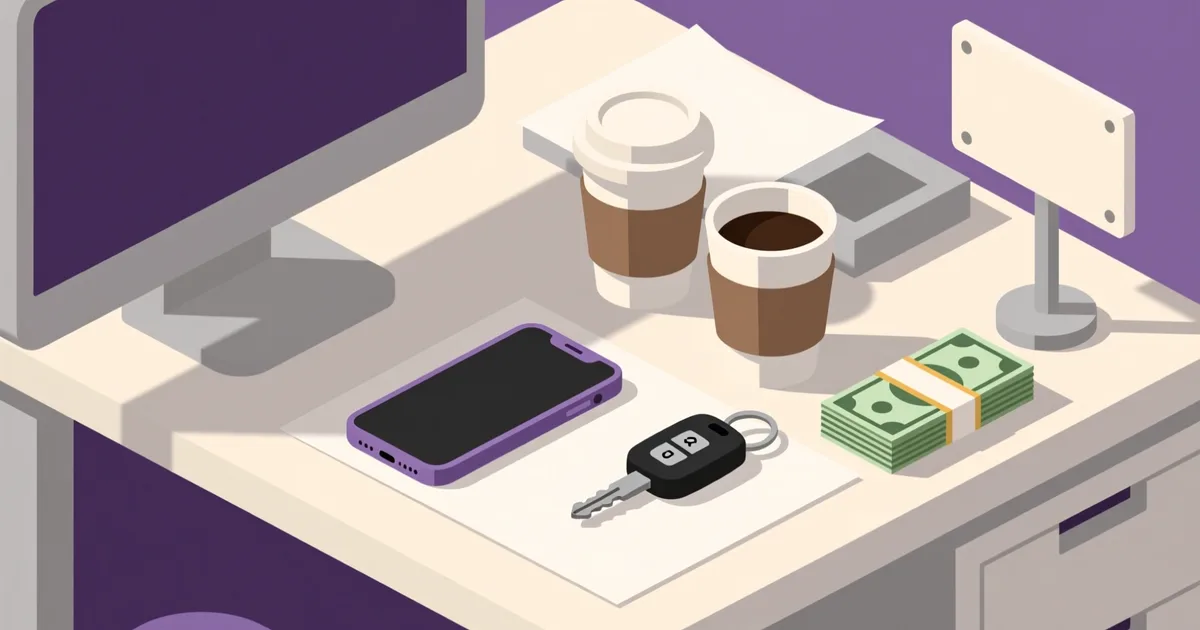
Negotiate before the meeting, not after you have traveled across the city. Message the seller, ask if the price is flexible, and make an offer with a reason. "I can do 70 shekels, the case has a scratch near the camera" works better than a flat lowball.
Israeli sellers expect negotiation on classifieds. A 10 to 20 percent reduction is normal for accessories. On a 100-shekel item, offering 80 is reasonable. Offering 40 insults the seller and usually ends the conversation. If the seller says the price is fixed, respect it and decide whether the item is still worth the trip.
Bring exact cash. Having the right amount removes friction and sometimes earns a small discount. If you are buying multiple items from the same seller, ask for a bundle price. Two phone cases and a charger from one person often cost less than three separate deals.
How is the deal closed and what rights apply in Israel?
Private sales in Israel are generally final. The Consumer Protection Law covers transactions with businesses, not person-to-person sales, so a private seller has no legal obligation to accept a return. That is why inspection before payment matters more than any receipt.
When you buy from a shop, you have stronger rights. Israeli consumer law gives you remedies for defective goods, and a receipt is your proof of purchase. Ask about the return window before you pay. Most shops offer 14 days on unused items, but policies vary and you should confirm in writing.
For platform deals, the transaction happens directly between buyer and seller. The platform does not hold payments. If something goes wrong, your options are a report to the platform, a police report if the item was stolen, or small claims court for disputes above a few hundred shekels. Keep the chat history and the listing screenshots. They are your evidence.
The Israeli Consumer Council and the Ministry of Economy publish guidance on consumer rights at gov.il. Read the relevant page before a large purchase. For accessories under 200 shekels, the time cost of a claim usually outweighs the money, so focus your effort on the inspection instead.
Frequently asked questions
Where do people list second-hand accessories in Israel?
Most private sellers use classifieds platforms and city-based Facebook groups. Classifieds let you filter by city, district radius, and category, which is faster than scrolling a group. Tel Aviv, Jerusalem, and Haifa have the deepest supply. Smaller cities rely on buyers from nearby areas, so set a radius that reaches the nearest large city and check listings twice a week.
What is a fair price for used accessories in Israel?
Used accessories typically sell for 30 to 60 percent below retail, depending on condition and age. A phone case that costs 150 shekels new often sells for 50 to 90 used. Chargers and cables drop faster because they wear out. Watch bands and branded bags hold value better. Compare three or four listings for the same model before you make an offer.
How do I avoid scams when buying second-hand accessories?
Never prepay by bank transfer or Bit to someone you have not met. Insist on an in-person meeting in a public place. Check the seller's history and reviews on the platform. Reverse-search the listing photos to see if they were copied. If the price is far below every comparable listing, treat it as a warning sign and verify the item carefully before paying.
Can I return a second-hand accessory bought from a private seller?
Generally no. Israeli consumer protection law applies to business transactions, not private person-to-person sales. A private seller has no legal obligation to accept a return. This is why you inspect and test the item before payment. If you buy from a shop, you have stronger rights and should ask about the return window before you pay.
What should I bring to a meeting with a seller?
Bring exact cash, your phone to test pairing and charging, and a note of the model number from the listing. If the item has a serial number, write it down. Meet in daylight at a public place with cameras. Test every function before money changes hands, and do not let the seller rush the inspection.
Is it safe to buy second-hand accessories through a marketplace?
A marketplace with visible seller history and verified phone numbers reduces risk compared to anonymous groups. You can check reviews, see past listings, and report a seller who misrepresents an item. The transaction still happens directly between you and the seller, so the same inspection rules apply. The platform does not hold payments or guarantee the item.
Final word on buying used accessories in Israel
To buy second-hand accessories in Israel well, treat every deal as an inspection, not a purchase. Check the seller's history first, read the listing photos for stock-image tells, and meet in daylight with a checklist in hand. The price range is predictable: 30 to 60 percent below retail for most items, less for branded goods that hold value. Negotiate before you travel, bring exact cash, and walk away if anything feels rushed. The savings are real, and so are the risks. A few minutes of verification at the meeting protects the money you saved. If you are buying in Tel Aviv, Jerusalem, Haifa, Rishon LeZion, or Petah Tikva, supply is deep enough that you can afford to be patient and wait for the right listing.
See also: second-hand accessories, second-hand accessories in Tel Aviv.