Buying used accessories in Czechia pays off most when you check the listing first, verify the seller, and only then discuss the price. Most people search by city and category, arrange an in-person viewing, and pay on the spot. That's exactly what the process below is built on.
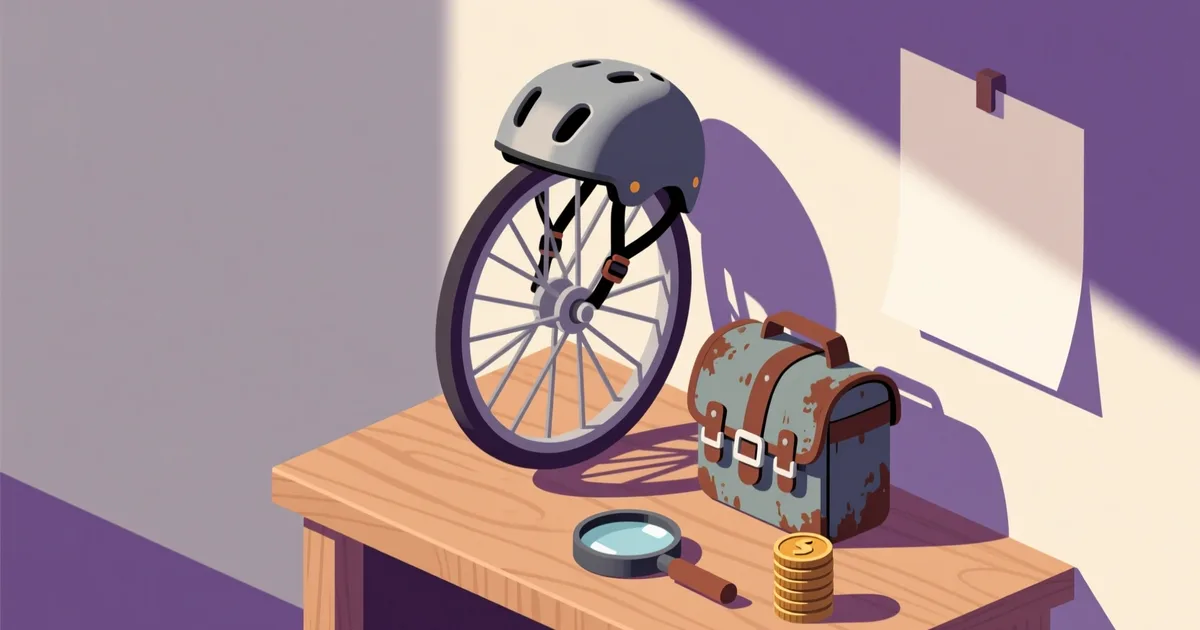
A used accessory isn't just clothing or a bag. It includes car accessories, spare parts, covers, chargers, headphones, home equipment, sports gear, and small items for kids. The range is wide, and that's exactly why it's easy to get lost. The difference between a good and a bad purchase usually isn't the price, but how you read the listing and what you verify before paying.
In Prague, Brno, Ostrava, Plzeň, and Liberec, the same principle applies. The seller lists what they have, adds photos and a city. The buyer filters by location and category, messages the seller, and arranges a meeting. The more specific your questions beforehand, the less time you spend on site. And the lower the risk of bringing home something that doesn't work.
- Search by city and category, not by the lowest price nationwide.
- Read the seller's profile and history, not just one photo.
- Never send money in advance to a stranger you haven't met.
- Take this checklist to the meeting and pay only after testing.
Where to buy used accessories and how to filter listings
The biggest selection of used goods today is on classified sites where you set the city and category yourself. A smaller group of people tries specialized second-hand shops, collection groups, or brick-and-mortar stores with used goods. Each path has a different level of risk and a different price.
On a classified portal, first choose a city or district. The distance filter matters more than it seems. An accessory for two hundred crowns isn't worth driving across half the country to inspect. When you're looking for something bigger, like a bike rack or a tool set, it pays to widen the radius and drive.
Narrow the category as much as possible. If you're looking for a car part, don't go through the general "auto and moto" section, but straight into the specific subcategory. The same goes for electronics. The more precise the filter, the fewer listings you scroll through and the faster you find what you need.
On EX & GO you'll find offers from private individuals and businesses, with photos, price, and city. You can filter by city, district, and category, and you can see the seller's history and ratings. When buying used goods, that's often more valuable information than the price itself. Before you list or buy anything, it's worth going through the listing rules.
How to spot a scam listing and what to avoid

Scam listings have recurring signs. If you see several in one listing, better keep looking. It's not about being distrustful of everyone, but about not losing money unnecessarily.
Photos, price, and text
Photos downloaded from the internet stand out because they're too clean, without surroundings, and often in different styles. A seller who has the goods will also photograph a detail, a label, or a minor flaw. If they just send you another borrowed photo when you ask, that's a signal.
A price far below market is also suspicious. A new accessory at a third of the price without explanation usually means trouble. Same with short text without details, without a city, and without the option of an in-person handover.
Upfront payment and courier tricks
The most common scam is a request for upfront payment. The seller claims they're shipping the goods by courier and wants money to their account before handover. Sometimes they add a link to a fake shipping page where you're supposed to enter card details. The money then disappears and the goods never arrive.
Safe is a hand-to-hand handover and payment on the spot. If an in-person handover isn't possible, arrange cash on delivery through a verified service and never enter card details on a link the seller sent you.
When a seller pushes on time and claims they have another interested buyer who'll pay immediately, that's pressure on your decision, not an argument. A decent seller will give you time to inspect the goods.
What to check at the meeting: a practical checklist
On site, you decide, not the seller. Bring a phone with a charged battery, cash in smaller bills, and even a charger or cable if it's electronics. The check takes a few minutes and saves you hassle.
Items and mechanical parts
For mechanical accessories, look for cracks, bent spots, rust, and signs of repair. Ask where the part comes from and why the seller is selling it. If it's a part for your model, verify the part number on site against your vehicle or device.
Electronics and battery-powered accessories
Turn the device on and let it run for at least two minutes. For battery-powered items, watch how quickly the capacity drops. For chargers and cables, check that the connector fits and that the device charges, not just pretends to.
Documents and origin
For pricier items, ask for proof of purchase, a warranty card, or a serial number. For goods subject to registration, verify that the seller is entitled to sell them. If the seller doesn't have documents, it's not automatically a problem, but lower your offer and account for the risk.
Private seller, shop, or marketplace with history?
Each path has a different advantage. A private individual is usually the cheapest, a shop offers a warranty, and a marketplace with seller ratings combines price with a certain level of verification. Below is a comparison to help you choose based on your situation.
| Criterion | Private seller | Used goods shop | Marketplace with seller history |
|---|---|---|---|
| Price | Lowest, room to negotiate | Higher, price is fixed | Varies by seller |
| Warranty | No warranty, only what you agree on | Statutory warranty when sold by a business | Depends on the type of seller |
| Seller verification | Only by agreement | A company with a registration number | History, ratings, verified contact |
| Speed | Fast if nearby | Fast, goods are on site | Fast, filter by city |
| Suitable for | Experienced buyers | Pricier items and gifts | Everyday purchases nearby |
If you're buying a pricier accessory and want certainty, a shop is the safer choice. For small items and things you can check yourself, a private seller or marketplace pays off. What matters is how much you're willing to risk and how much time you have for verification.
We see that the most common buyer questions are about the condition of the goods and the possibility of an in-person handover, and it's listings without a detail photo or city that end up in review more often than others.
How much to pay for used accessories
The price of used accessories is driven by condition, age, and demand. There's no universal table, but you'll get your bearings quickly. Compare at least five similar listings in the same city and watch how long they stay up.
Goods that hang around for weeks are usually overpriced. Conversely, a listing disappears within a day when the price is good. That's the best reference point you have. For common accessories, expect that new goods cost reasonable money and used ones must be significantly cheaper, otherwise it doesn't make sense.
For rare or discontinued parts, the price is different. Availability and whether you can find the part elsewhere decide it. If it's the last piece in the country, the seller knows it and the price reflects that.
Before you travel, go through the listings in one place and compare prices and distance. On EX & GO you'll see the seller's history and ratings, which helps more in comparison than the amount itself. It's also useful to look into the help section when you're not sure how to proceed.
How to negotiate the price of used goods
Negotiating isn't an argument. It's an exchange of information, and a decent seller appreciates knowing why you're offering less. Come with a specific argument, not a bare "will you give a discount."
Point to a defect you found, or a higher price for the same thing elsewhere. Mention that you came from far away, or that you're buying multiple items at once. Those are substantive reasons a seller takes seriously.
Don't offer an absurdly low amount. It only creates reluctance and the conversation ends. A reasonable range is usually between five and fifteen percent of the asking price, more for pricier items if you found a real defect.
If you can't agree, walk away politely. The market is big and another offer will come. Pressure to close at any cost is exactly what to avoid when buying used goods.
How to close the deal and what rights you have in Czechia
In a private sale, the buyer and seller agree directly. You're buying from a non-business, so statutory warranty doesn't apply in the usual regime and you rely on what you verified on site. That's why an in-person inspection is so important.
The situation is different when a business sells. Then you have consumer rights and can turn to the seller with a claim if there's a defect. Details on consumer protection are available from the Czech Trade Inspection Authority, which oversees compliance with regulations in the sale of goods and services.
For goods subject to special rules, it pays to verify the conditions in advance. General information on registration and obligations is also available on the website of the Ministry for Regional Development.
When paying on the spot, take a receipt. A short paper with the date, description of the goods, price, and name is enough. For pricier items, it's your only support if a hidden defect later appears. used accessories
If the agreement gets complicated, handle it factually and in writing. Keep the communication, photos of the goods, and proof of payment. That's the basis you can work from. used accessories in Prague
Frequently asked questions about buying used accessories
How do I know a listing is a scam?
The biggest warning is a request for upfront payment and a link to an external page where you're supposed to enter card details. Also watch for photos downloaded from the internet, prices far below market, and text without a city and details. If the seller refuses an in-person handover or pressures you with time, better keep looking. A decent seller will give you room to inspect the goods.
Should I pay upfront if the seller ships by courier?
Paying upfront to a stranger is the riskiest option. Safer is a hand-to-hand handover and payment on the spot after testing. If an in-person handover isn't possible, arrange cash on delivery through a verified service and never enter card details on a link the seller sent you. Money sent in advance is very hard to get back.
What should I bring to the meeting and what should I check?
Bring a charged phone, cash in smaller bills, and depending on the item, a charger or cable. On site, check for mechanical defects, functionality, and for electronics let it run for at least two minutes. For pricier items, ask for proof of purchase and a serial number. If something doesn't match the description, feel free to walk away.
What rights do I have when buying from a private seller?
In a sale between two non-businesses, only what you agree on applies. Statutory warranty doesn't apply in the usual regime, so an in-person inspection is key. It's different when a business sells, where you have consumer rights and can claim a defect. Information on consumer protection is available from the Czech Trade Inspection Authority.
How should I negotiate the price?
Come with a specific argument, not a general request for a discount. Point to a defect you found or a higher price for the same item elsewhere. Mention the distance or that you're buying multiple items at once. A reasonable range is usually between five and fifteen percent, more for pricier items if you found a real defect. If you can't agree, walk away politely.
Is it worth buying used accessories or better to buy new?
For common accessories, used is worth it when it's significantly cheaper than new and in good condition. For items that wear out quickly, or pricier items you can't test, new is the safer choice. What matters is the price difference, availability of spare parts, and whether you can check the item yourself.
Summary for a calm purchase
Anyone who sticks to the process can buy used accessories in Czechia. Choose a city and category, go through the seller's profile and history, read the listing carefully, and ask about details before the meeting. On site, check condition, functionality, and origin, pay only after testing, and take a receipt.
Price isn't everything. Sometimes it's better to pay a few hundred crowns more for a seller with a good history than to save and deal with a problem. If you're not sure, bring someone else to the meeting and get advice. And if the deal doesn't go as expected, you have a process to follow.
The whole purchase revolves around one thing: verify before you pay. Anyone who adopts that principle will buy used accessories without unnecessary losses and with peace of mind.