Buying used accessories pays off in practice when you know the condition of the specific item and who you're buying from. Most deals happen through a listing, where you first read the description and photo, then arrange an in-person meeting and inspect the goods on site. The price depends on wear, age, and whether proof of purchase is available.
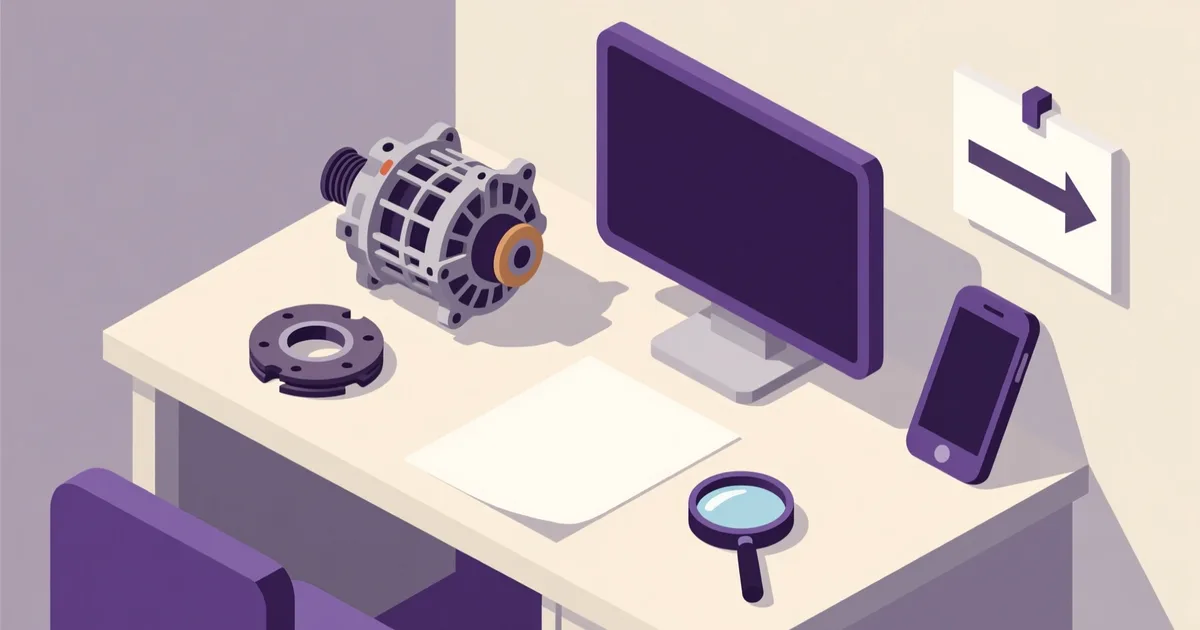
A used accessory can be anything from a phone and headphones to a watch strap or even a car part or piece of furniture. In Slovakia, such goods are mainly sold between private individuals, where different rules apply than in a brick-and-mortar store. A private seller doesn't have to provide a warranty like a shop does, so inspecting before paying is the most important thing you can do. This guide gives you a concrete process: where to look, how to read a listing, what to check at the meeting, and how to agree on a price.
- The seller's photo must show the actual item, not a catalog image from the internet.
- Never send money in advance to a stranger who won't show the item in person.
- At the meeting, verify the serial number, functionality, and accessories that belong with the item.
- Compare the price with multiple listings in your area, not just the most expensive one.
Where to buy used accessories and how to filter by city
You can buy used accessories in several places, but most offers are now in online listings. A listing is published text with a photo, price, and location, posted by the seller. On listing platforms, you can filter by city, district, and category, so you don't see offers from all of Slovakia at once.
When searching by city, it's practical to set a radius of a few dozen kilometers. If you're in Bratislava, offers from Ružinov, Petržalka, or the districts of Pezinok and Senec make sense. In Košice, it's worth checking the surroundings like Ťahanovce, or the Košice-okolie districts. Prešov, Žilina, and Nitra have a smaller selection than the capital, but prices tend to be somewhat lower and competition is smaller.
Categories where accessories are sold most often
You'll find the most offers in the categories of phones and electronics, furniture and appliances, children's items, and car parts. If you're looking for something specific, choose the category first and then enter the city. This narrows the list to dozens of items, and you can plan inspections for a single day.
Why the seller's history matters
For each listing, it's worth checking how many offers the person has posted and whether they have ratings from previous buyers. A seller with a longer history and real ratings is generally more reliable than a profile created a few days ago without a single review.
How to read a listing and spot a scam
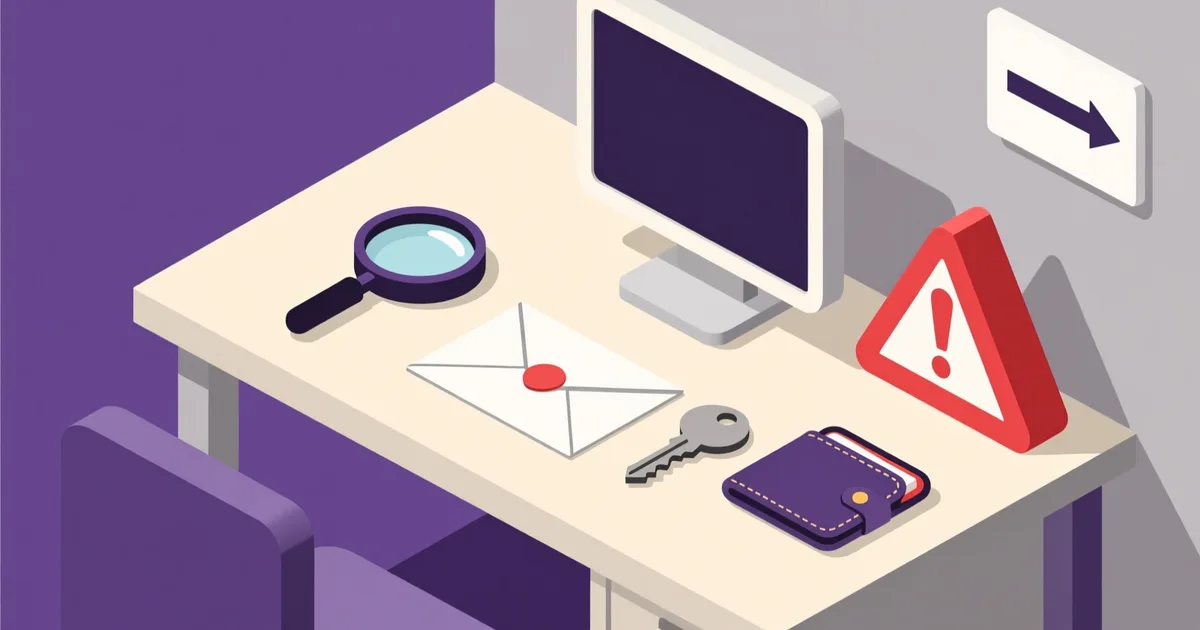
A scam listing most often gives itself away by pushing for speed and upfront payment. An honest seller has no problem with you coming to see the item, or agreeing on a place where the purchase can be completed. If someone asks for a deposit for shipping, reservation, or a courier, that's a warning sign.
Photos that hide something
Catalog images from the internet instead of actual photos are a common sign of a scam. Ask for a close-up photo, a detail of the damage, and the serial number. If the seller refuses to send another photo or sends one from another source, it's better to walk away from the deal.
Courier tricks and upfront payment
A typical scam works like this: the seller claims they'll send the item via courier and asks for money to their account before delivery. The money then disappears and the item never arrives. If an in-person inspection isn't possible, agree on payment on delivery or cash on delivery through a verified service. With a bank transfer, you have no guarantee the item even exists.
Before the meeting, write down three questions you want answered before you travel: why they're selling, whether they have proof of purchase, and whether the price is firm. If the seller doesn't answer these in advance, you'll save yourself the trip.
What to check at an in-person meeting
At the meeting, you have a few minutes to determine whether the item is in the condition described. Check functionality, appearance, and whether accessories are included. If possible, meet in a public place with plenty of light and a quiet spot for inspection.
Checklist before paying
- Compare the serial number on the item with the one the seller or document states.
- Test all the functions you'll use, not just turning it on.
- Check for damage, cracks, scratches, and signs of repair.
- Verify whether the original packaging, cable, or accessories are included.
- Ask about the item's age and whether it was used at home or at work.
- Request proof of purchase if it exists, and check that it matches the item.
You can open this list on your phone right at the meeting. Most people read listings on their phone, so it's practical to have the steps handy so you don't forget anything.
Comparison: private seller, store, and listing platform
Each of the three options has different advantages and risks. With a private seller, it depends on their willingness to show the item and their history. A brick-and-mortar store provides a warranty, but the price is usually higher. A listing platform with seller history combines both: you see the offer, location, and ratings, but payment is up to you.
| Option | Price | Warranty | Risk | Where it fits |
|---|---|---|---|---|
| Private seller | Lowest | Usually none | Higher, depends on inspection | Accessories where you know the condition |
| Used goods store | Higher | Yes, per terms | Lower | More expensive items, electronics |
| Listing platform with history | Medium | No, agreement between parties | Medium, depends on ratings | Common accessories and add-ons |
When comparing prices, it's useful to look at several listings at once. To compare offers in your area and view seller history, use EX & GO, where you can find listings by city and category. used accessories
How to agree on a price and complete the deal
The price in a listing is usually a guide, and most sellers expect a slight reduction. In negotiations, rely on specific findings from the inspection, not general claims. If you find a scratch or missing accessory, you have a factual argument for a discount.
How to negotiate
State how much you're willing to pay and give the seller room to respond. If you can't agree, politely thank them and leave. For accessories with a wider selection, there's no reason to accept the first price. Conversely, for a unique item that's no longer made, there may be less room to negotiate.
Consumer rights when buying from a private individual
When buying from a private individual, the seller isn't liable for hidden defects the way a business is. Consumer protection law mainly applies to the relationship between a consumer and a business. If you buy from a company, you have the right to a claim within the period under their terms and conditions. In a private sale, you rely on what you agreed and checked on site. More about the rules for posting listings and what's prohibited can be found in the platform rules at /sk/rules.
For payment, cash on handover of the item is the safest. If you pay by transfer, do so only when you have the item in hand or when cash on delivery is agreed. For more expensive items, keep the payment receipt and communication with the seller. used accessories in Bratislava
Frequently asked questions about used accessories
How do I know if a listing is a scam?
A scam listing usually pushes for quick upfront payment, asks for a deposit for a courier, or uses catalog photos instead of real ones. Check the seller's history and reviews. If someone refuses an in-person inspection or won't send another photo, it's better to walk away. When you pay in advance, you can't be sure the item exists.
Am I entitled to a warranty when buying from a private individual?
When buying from a private individual, consumer protection law doesn't provide the same warranty as buying in a store. The seller isn't liable for hidden defects like a business would be. If you buy from a company, the return period under their terms and conditions applies to you. With a private sale, you rely on the condition you checked during inspection and what you agreed in writing.
How do I verify a seller before traveling to see an item?
Look at their profile, how many listings they've posted, and reviews from previous buyers. Message them three questions in advance: why they're selling, whether they have proof of purchase, and if the price is firm. If the answers don't make sense or come back late, it's a sign the deal might be risky. Verification takes a few minutes and saves you a trip.
Where can I find cheap used accessories?
The lowest prices are usually from private sellers selling their own used item. It pays to filter by city and district, because offers from nearby reduce travel costs. Compare prices across multiple listings at once, not just one. If the price is significantly lower than others, check the condition and origin of the item even more thoroughly.
What should I bring to an in-person meeting?
Bring a charged phone so you can verify the serial number and compare prices on the spot. Prepare cash in the exact amount if you agree to pay on pickup. If you're buying electronics, bring your own cable or headphones to test functions. Ask for proof of purchase if it exists, and check that the details match the item.
How do I negotiate a lower price?
Negotiate factually and base your argument on specific findings from the inspection, such as scratches, missing accessories, or the item's age. State your offer and give the seller room to respond. If you can't agree, politely walk away-for common accessories, the market is wide enough. For a unique item that's no longer made, there's usually less room to negotiate.
Summary
You can buy used accessories sensibly when you verify the seller before traveling and check the condition at the meeting using a checklist. Avoid paying upfront to a stranger and compare the price with multiple listings in your area. Filtering by city and category narrows the offers to what you can realistically inspect. If you adopt this process, most risky deals will be eliminated before you pay.
A good deal doesn't depend on luck but on preparation. Write down your questions, arrange to meet in a public place, and keep a checklist with you. If you're not sure about the item's origin, it's better to keep looking. The selection of used accessories in Slovakia is wide enough for you to find an item that matches both the description and the price.