Buying second-hand men's clothing means going through a listing with photos, arranging a meeting, inspecting the material, seams, and zips on site, and only then paying. It works fastest on classifieds sites where you filter by city and category. Prices for common items range from 50 to 400 CZK; coats and suits go higher.
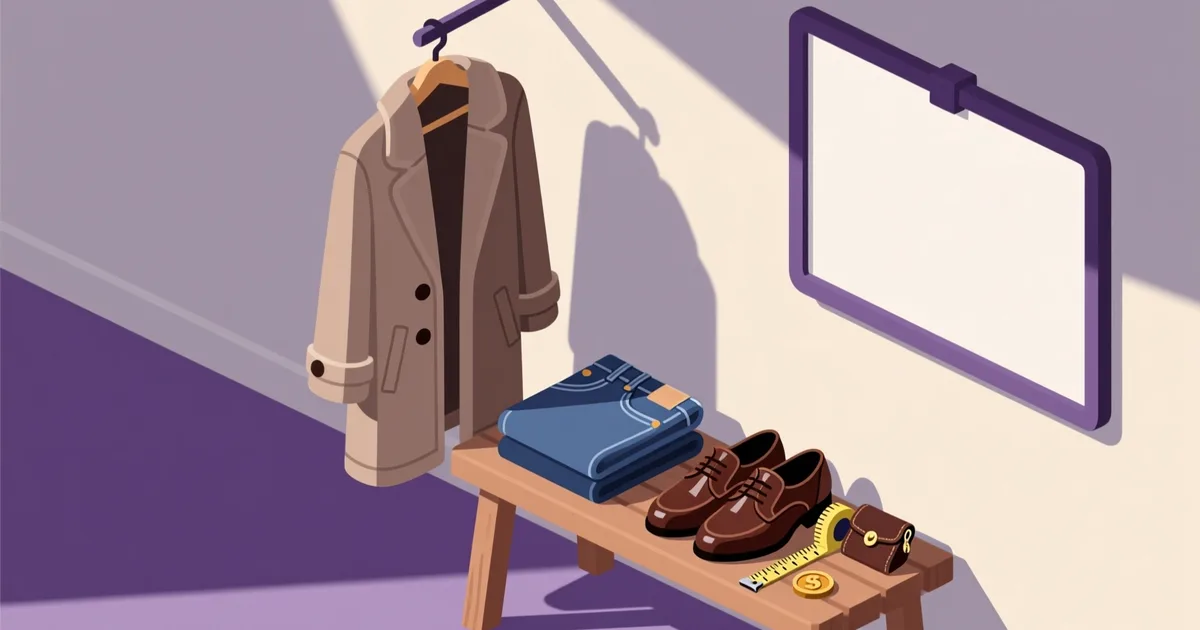
Most people in Czechia handle second-hand purchases on their phone, often in the evening and in a hurry. That's why it's better to have a routine you can manage in five minutes on site than to rely on the impression from a photo. A photo distorts color, hides worn cuffs, and never shows how it fits across the shoulders. Only an in-person inspection decides.
Below you'll find where private sellers actually list, how to read a listing, what to bring to a meeting, and how to negotiate the price. We'll also cover what rights you have as a buyer when a deal doesn't go as agreed.
- Filter by city and category, not the whole country. You'll save on shipping and time.
- Write down three questions in advance: brand and size, actual measurements, reason for selling.
- At the meeting, check seams, zips, underarms, and the inside of the collar. That's where flaws hide the longest.
- Pay only after inspection, ideally in cash on handover. An upfront deposit is the most common trick.
Where to buy second-hand men's clothing in Prague, Brno, and Ostrava
Private sellers mainly list on classifieds sites where you can filter by city and category. On EX & GO you'll find a clothing section with a filter for Prague, Brno, Ostrava, Plzeň, or Liberec. A listing includes photos, price, city, and the seller's history with ratings.
Besides classifieds, there are brick-and-mortar thrift stores and swap events. They have one advantage: you try clothes on the spot and immediately see how they fit. The downside is a smaller selection for a specific brand and size. If you're looking for exactly 52 or 56, classifieds are the faster route.
For more expensive pieces like winter coats or blazers, it pays to search within your city. Shipping a package costs 80 to 150 CZK, which doesn't make sense for a 120 CZK T-shirt. For a 1,500 CZK coat, it's a different consideration.
Listing versus shop versus marketplace with seller history
Each route has different risks and a different price. The table below summarizes what to expect from each option.
| Where you buy | Price | Can you try it on | Risk | Seller history |
|---|---|---|---|---|
| Private seller via listing | lowest, 50 to 400 CZK for common items | yes, at in-person handover | higher, depends on the agreement | visible on a profile with ratings |
| Brick-and-mortar thrift store | medium, often 150 to 600 CZK | yes, directly in the store | low, you see the goods beforehand | not tracked |
| Classifieds marketplace with ratings | low to medium | depending on arrangement with seller | medium, covered by history and reviews | yes, on every listing |
How to spot a scam in a second-hand men's clothing listing
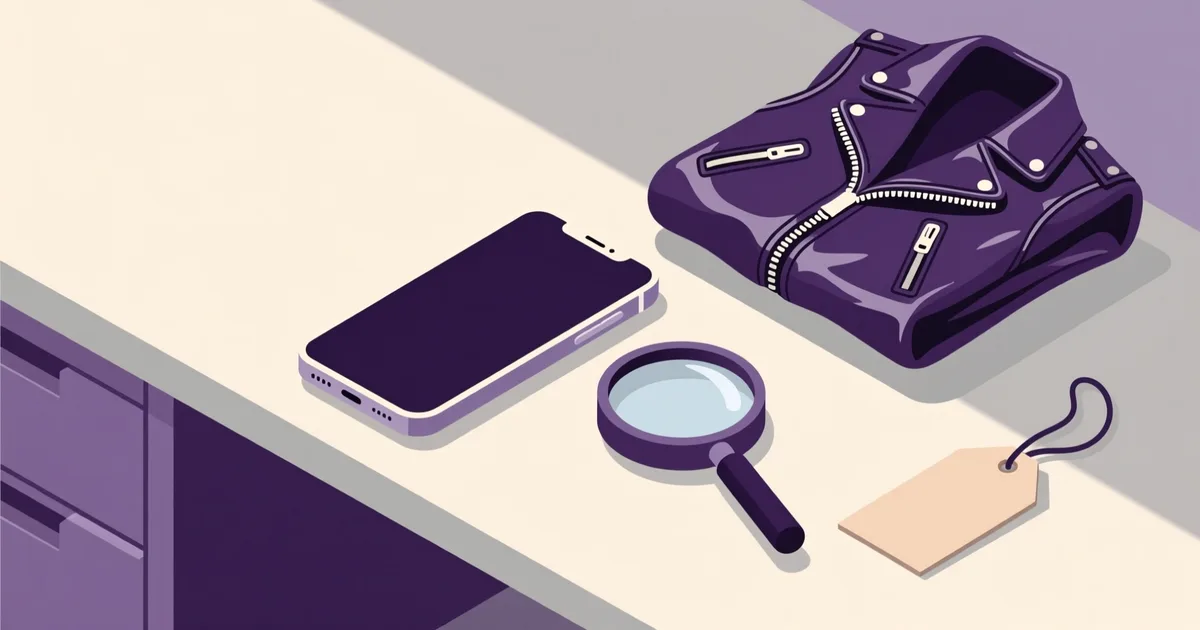
Clothing scams cost little and people rarely report them, so they repeat. You can spot the most common signals before the first message. If you see two or more, better keep looking.
Signs worth taking seriously
- The seller wants an upfront deposit to an account, even for a 150 CZK T-shirt.
- Photos are taken from an e-shop, without a tag and without a close-up of the size label.
- The price is suspiciously low compared to the rest of the offers, like a coat for 300 CZK.
- The seller refuses in-person handover and pushes a courier of their own choosing.
- Communication is short, with no answers to specific questions about measurements or flaws.
The last point is reliable. Someone selling honestly will answer about shoulder width and sleeve length. Someone who doesn't want to will just say "it's good."
Bring your own tape measure to the meeting and compare measurements with a piece that fits you at home. The number on the tag is often different for older brands than today, so a 52 from 2010 may not match a 52 from 2024.
Moderation on classifieds sites handles obvious scams, not all. On EX & GO, listings go through checks and phone numbers are verified, but the rule still applies: pay only at in-person handover. The listing rules are described on the rules page, where you'll also find what moderation removes.
What to check on site: a checklist for the meeting
You usually have five to ten minutes for inspection and the seller is waiting. Go through the points in this order, from the quickest to those that take time.
Quick check in two minutes
- Run the zip all the way up and down. Sticking means replacing the zip, which costs 300 to 600 CZK at a tailor.
- Inspect the underarms from the inside. Yellow stains often don't wash out.
- Feel the elbows and cuffs. Worn fabric is noticed by touch before sight.
- Look at the inside of the collar. That's where grease and dirt settle.
- Check the bottom hem and seams around pockets. Rips are easy to repair, but it's extra work.
What to check on a coat, blazer, and shirt
On a coat, watch the lining at the shoulders and pockets. That's where the first tear appears. On a blazer, check whether the shoulders hold their shape and whether the elbows are stretched. On a shirt, look at the collar at the neck and the cuffs, because those can't be repaired without a visible fix.
Bring a sweatshirt or T-shirt that fits you. By laying it over the item, you'll see the difference in length and width in seconds. Trying on a blazer or coat on site is more complicated, but a T-shirt over the shoulders gives you a decent idea.
How much to pay and how to negotiate the price
Prices for used men's clothing follow a simple range. T-shirts and shirts sell for 50 to 200 CZK, sweatshirts and sweaters for 150 to 400 CZK, jeans for 200 to 600 CZK. A blazer starts at 400 CZK, a winter coat at 800 CZK.
Negotiating is common in classifieds, but it has rules. Offer a specific number, not a question like "will you discount?" The seller appreciates knowing where you stand. When you buy two items from one person, a 10 to 20 percent discount on the total goes through more often than a discount on a single T-shirt.
Before you go, look through similar listings in the same city and get an idea of the price. second-hand men's clothing helps you compare offers by city and category, so you arrive at the meeting with a realistic number, not a guess.
If the seller pushes for a quick decision and won't reveal the price beforehand, that's a reason to walk away. A fair deal is based on both sides knowing the price and condition in advance.
How the deal is closed and what rights you have in Czechia
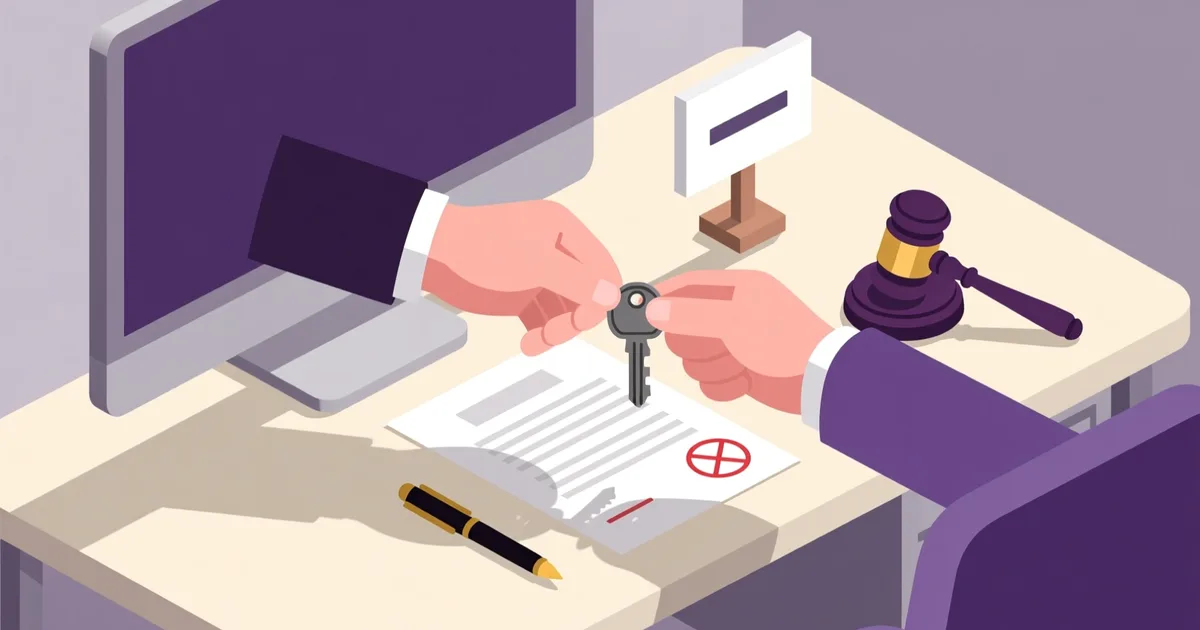
When buying from a private individual, you're not protected as you are in an e-shop. You have no legal return period and can't withdraw without reason. Whatever you agree on applies, so it's better to confirm the agreement in writing via message.
The basic framework is set by the Civil Code, and the Czech Trade Inspection Authority oversees compliance with rules for selling goods. It handles cases where the seller acts as a business. For a one-off sale from a home wardrobe, the path is more complicated because business conduct can't always be proven.
If the seller lists dozens of items per month and behaves like a merchant, you have a stronger position. Details on how the CTIA handles complaints can be found at Czech Trade Inspection Authority. General information on consumer rights is also summarized by the Ministry of Industry and Trade.
Handle the handover so there's a trace. Write in a message "buying for 350 CZK, condition as inspected" so you have a record of what you agreed. second-hand men's clothing in Prague shows you what a seller's history and ratings from previous buyers look like.
Handle payment at handover. Cash is simplest; a bank transfer is safe only if it happens at the same time as the handover. Paying in advance to an account without meeting in person is the riskiest option for a buyer.
How to choose by material and brand
With used clothing, material matters more than brand. One hundred percent wool lasts for years; a blend with a high acrylic content stretches out quickly. For shirts, watch the cotton content; for jeans, the weight and elastane content.
Brand helps only if you know its cut. Size 52 fits differently at one brand than another, even for new goods. If you're buying second-hand for the first time, start with brands you already wear. You'll save yourself the disappointment of a wrong size.
For wool coats, look at the composition label. If it's missing, ask the seller to photograph it. A missing label isn't automatically a problem, but for a 1,500 CZK coat, it's a question you want answered.
Frequently asked questions
Where can I buy second-hand men's clothing the fastest?
The fastest way is a classifieds site with filters for city and category. Enter your size, select Brno or Prague, and you'll have offers within minutes. A brick-and-mortar thrift store is slower, but you can try clothes on the spot. A combination works best: check listings regularly and visit a shop when you want to see more items at once.
How much do second-hand men's clothes cost?
T-shirts and shirts usually sell for 50-200 CZK, sweatshirts and sweaters for 150-400 CZK, jeans for 200-600 CZK. A blazer starts at 400 CZK, a winter coat at 800 CZK. The price depends on brand, material, and condition. For quality wool or well-known brands, expect the upper end of the range; for common items, the lower end.
How do I avoid a scam when buying through a listing?
Don't pay in advance to an account before you see the item. Refuse a courier chosen by the seller. Ask for specific measurements and flaws, not general condition ratings. If the seller won't answer about shoulder width or sleeve length, keep looking. Before meeting, check the seller's history and ratings from previous buyers.
Can I return used clothes if they don't fit?
When buying from a private individual, you have no legal return period. Whatever you agree on applies, so it's better to have the agreement in writing via message. If the seller acts as a business and sells repeatedly, you have a stronger position and can contact the Czech Trade Inspection Authority. For a one-off sale from a home wardrobe, enforcing a claim is more difficult.
What should I bring to the meeting for inspection?
Your own tape measure and a piece of clothing that fits you. By laying it over the item, you'll see differences in length and width in seconds. Bring a charged phone so you have the agreement and price saved in messages. For a coat or blazer, a T-shirt you wear underneath is also useful to see how it fits across the shoulders.
Is it worth buying second-hand clothes through listings?
For coats, blazers, and quality sweaters, it's worth it because the price is often a third of new. For T-shirts and basic items, the difference is smaller and the time spent meeting may cost more than the savings. Decide based on how much time the trip takes. If the seller is in your neighborhood, it's a different calculation than crossing the whole city.
Key takeaways
Buying second-hand men's clothing in Czechia is quick when you have a routine. Choose a city and category, send the seller three specific questions, and arrange to meet in a public place. On site, go through the zip, underarms, cuffs, and collar. Handle payment only after inspection, ideally in cash at handover.
Prices for common items stay between 50 and 400 CZK. For a coat or blazer, first compare offers in your city so you know what's realistic. Confirm the agreement in writing via message so you have a record of what you arranged. If the seller pushes for an upfront deposit or refuses in-person handover, skip the deal and keep looking. You'll usually find the same item from someone else within a week.