To buy second-hand books in Ukraine, start with local classifieds and city-specific listings, then check the seller's history before you pay. Prices usually run from 50 to 300 hryvnia for common titles, more for rare or collectible editions. Meet in person where possible, inspect the spine and pages, and never prepay to an unverified seller.
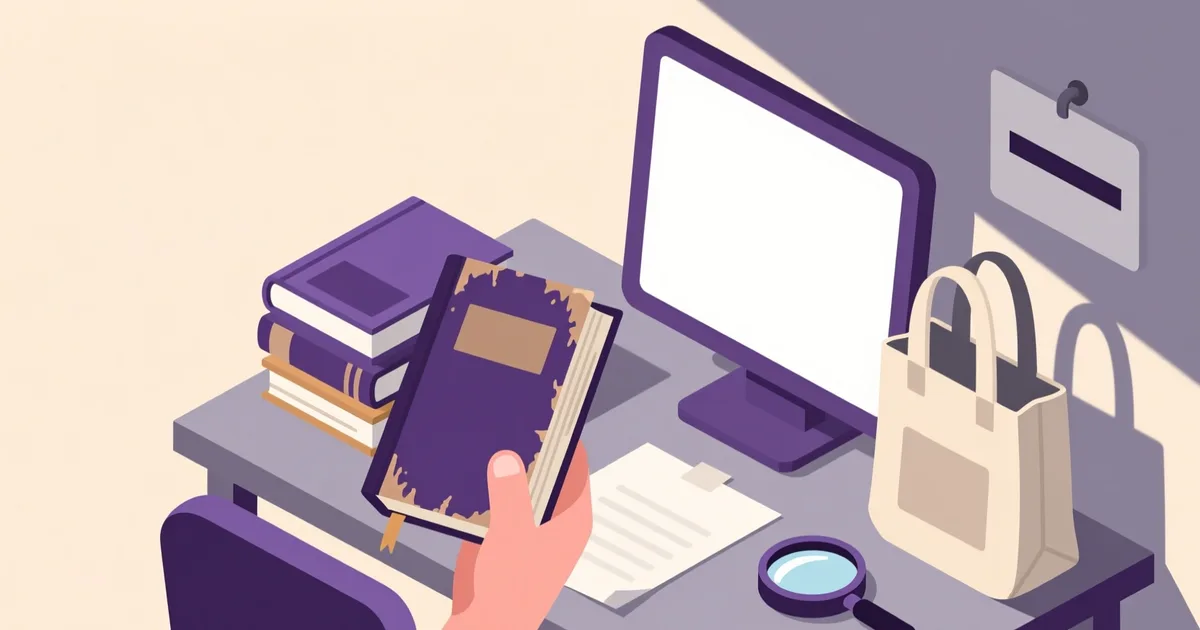
This guide walks through where private sellers actually list books, how to read a listing without getting burned, what to check when you meet, and how to negotiate. It covers Kyiv, Kharkiv, Odesa, Dnipro and Lviv, since the supply and the pricing differ by city. Most readers in Ukraine browse on a phone, so the checklist below is short enough to keep open while you stand in a doorway looking at a box of paperbacks.
Nothing here replaces your own judgement. Book prices move with condition, edition and demand, and a listing that looks clean on a screen can hide a broken binding. Read the photos carefully, ask direct questions, and walk away when the answers do not add up.
- Where to look: city classifieds, flea markets, library sales, and dedicated book groups.
- What to check: binding, spine, pages, water damage, missing pages, ex-library stamps.
- What to pay: 50 to 300 UAH for common titles, more for rare editions.
- How to stay safe: no prepayment to unverified sellers, meet in public, verify the seller's history.
Where to buy second-hand books in Ukraine
Private sellers in Ukraine list mostly on classifieds platforms, in city book groups, and at weekend markets. Classifieds give you the widest reach because you can filter by city and category, and you can see how long a seller has been active. Markets and library sales give you the chance to handle the book before you commit.
Classifieds and city listings
On a classifieds site, search the books category and narrow by city. In Kyiv, the supply is deepest and you will find everything from Soviet-era printings to recent translations. Kharkiv and Dnipro have strong technical and academic holdings because of the universities. Odesa leans toward fiction and maritime titles. Lviv has a steady flow of Polish and Ukrainian editions.
Filter by district radius if you want to avoid crossing the city. A seller in the same raion can meet you the same day. A seller three oblasts away usually means shipping, and shipping means you pay before you see the book. That is the trade-off you have to weigh.
Flea markets and library sales
Weekend markets in every major city carry books, often by the box. Library sales and charity sales clear old stock at low prices. You inspect in person, so condition is not a mystery. The downside is selection: you take what is there, not what you wanted.
Book groups and swaps
Online book groups run swaps and sales by city. These work on reputation, so a member with a long history is usually safer than a fresh account. Ask for photos of the actual copy, not a stock image.
How to read a listing and spot a scam

A listing is a set of claims, and your job is to test them. Real sellers photograph the actual book, including the flaws. Scammers reuse stock images, push you off the platform, and ask for prepayment.
Signs of a genuine listing
Look for several photos from different angles: front cover, spine, title page, and any damage. The description should name the publisher, year and condition. A seller who mentions a cracked spine or a water stain is being honest, and honesty is worth more than a perfect photo.
Signs of a scam
Red flags include a price far below the market, pressure to pay before you see anything, and a request to move the conversation to a messenger app. Courier tricks are common: the seller claims the book is already with a delivery service and asks you to pay a fee to release it. No legitimate book sale works that way.
Stock photos are the clearest tell. If the image appears in a search engine on ten other listings, it is not the seller's book. Ask for a photo with a handwritten note or a specific page open.
Before you send any money, ask the seller to photograph the book next to today's date written on paper. A real seller does it in a minute. A scammer stalls, changes the subject, or disappears.
Checklist for the meeting
Meet in a public place during the day: a cafe, a metro entrance, a shopping centre. Bring cash in small notes, since change is often a problem. Give yourself ten minutes to inspect the book before you decide.
- Open the cover and check the hinge. A cracked hinge means the book will fall apart.
- Flip through every page for missing pages, cut-outs and heavy markings.
- Look for water damage: wavy pages, brown stains, a musty smell.
- Check the spine for leaning and for loose signatures.
- Look for ex-library stamps, which lower value.
- Confirm the edition and year match the listing.
- Ask whether the price is firm before you count out the money.
If the book is a gift or a collectible, check the title page and the copyright page separately. A missing title page is a serious defect. For children's books, check that no pages are torn or coloured in.
How to negotiate the price
Negotiation in Ukraine is normal and expected, but it works better with a reason than with a lowball. Point to a specific flaw: a cracked spine, a missing dust jacket, a name written inside. That gives the seller a face-saving way to drop the price.
Buying several books from one seller is the strongest lever. A seller who wants to clear a shelf will often discount a bundle. Ask what they want for the lot, then counter. On classifieds, a listing that has been up for weeks is usually flexible. A listing posted today is usually not.
Know your ceiling before you start. If a book is common, you will find another copy. If it is rare, the seller knows it too, and the price will hold.
Private seller vs shop vs marketplace with seller history
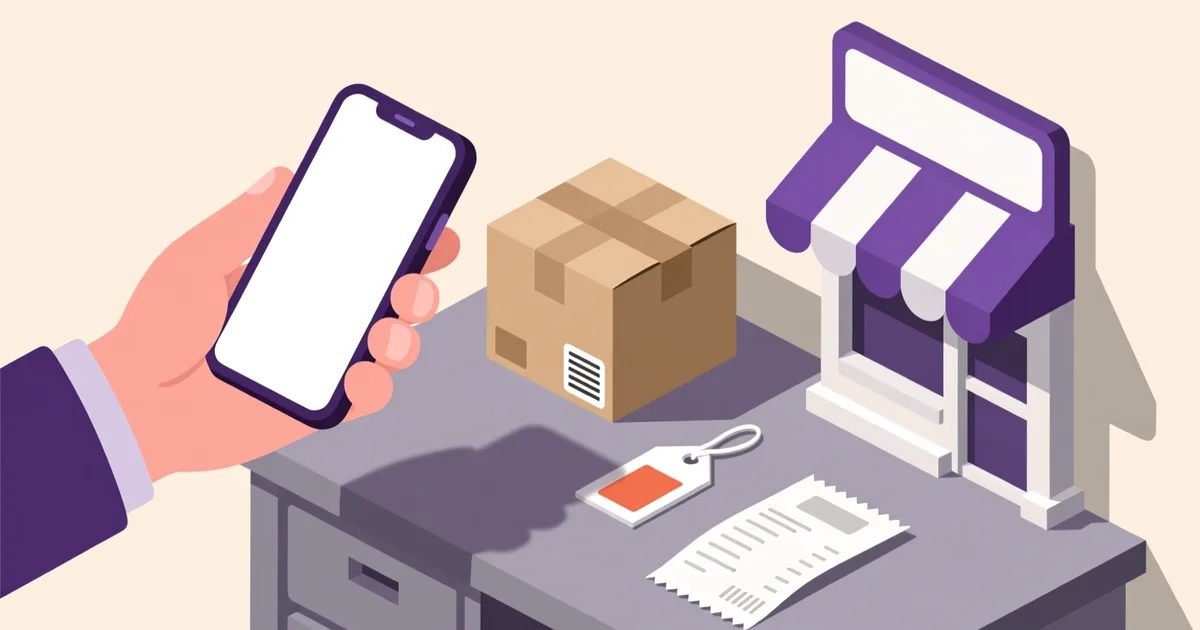
Each channel has a different risk profile. A private seller is cheapest but you carry all the risk. A shop is safest but costs more. A marketplace with visible seller history sits in between, because you can check reviews before you commit.
| Channel | Typical price | Condition check | Risk | Best for |
|---|---|---|---|---|
| Private seller | Lowest, 50 to 200 UAH | In person, if you meet | High if you prepay | Cheap common titles |
| Bookshop | Higher, 200 to 500 UAH | You handle the book | Low | Gifts, collectibles |
| Marketplace with seller history | Mid, 80 to 300 UAH | Photos plus reviews | Medium | Bulk buys, harder titles |
EX & GO lists books alongside other categories, so you can compare prices across sellers in your city and check a seller's history before you message. The platform holds no payments, and the deal is arranged directly between the parties, so the same rules apply: verify, meet, inspect, then pay. Moderation removes listings that break the posting rules, and you can read those rules at /en/rules before you list or buy.
We see the same questions from buyers again and again: how to tell a reprint from an original, whether a missing dust jacket matters, and how to ship a book without damaging it.
Your rights as a buyer in Ukraine
Consumer protection in Ukraine covers purchases from businesses, not private sales between individuals. If you buy from a shop or an online store, you have the right to return a defective item and to a refund under the Law on Consumer Rights Protection. Private sales are governed by your agreement with the seller, so the terms you set at the meeting are the terms that apply.
Keep the receipt or the message thread if you buy from a business. If a seller misrepresents a book, that is a dispute you resolve directly with them. For disputes with registered businesses, you can contact the State Service of Ukraine for Food Safety and Consumer Protection. Their site is at dpss.gov.ua. For health-related questions about old or mouldy books, the Public Health Centre at hsc.gov.ua is the reference point.
When you buy from a business, ask for the return terms in writing before you pay. When you buy from a private seller, agree on what happens if the book is not as described. A short message confirming the condition protects both sides.
If you are listing books yourself, the same platform rules apply to you as a seller. Read them at /en/support before you post.
Frequently asked questions
How much do second-hand books cost in Ukraine?
Common paperbacks usually run from 50 to 200 hryvnia. Textbooks and academic titles sit higher, often 150 to 400 hryvnia. Rare, collectible or out-of-print editions can go well above that, and the price depends on condition, edition and demand in your city. In Kyiv and Kharkiv the supply is deepest, so prices are more competitive. In smaller cities, fewer listings mean less room to negotiate. Always compare three or four listings for the same title before you commit.
Where can I find cheap second-hand books in Ukraine?
Flea markets, library sales and charity sales are the cheapest channels, often by the box. City classifieds are next, especially listings that have been up for a while. Book groups that run swaps are cheap but selection is limited. If you want a specific title, classifieds with a city filter are the fastest route. If you want volume, markets and sales beat everything else. Set a budget before you go, because a box of books at a low unit price still adds up.
How do I avoid scams when buying second-hand books?
Do not prepay to an unverified seller. Ask for photos of the actual book, including the spine and title page. Refuse to move the deal to a messenger app, and ignore anyone who claims the book is already with a courier and needs a fee to release it. Check the seller's history and reviews on the platform. Meet in a public place during the day. If the price is far below the market and the seller is rushing you, walk away. A real seller answers questions without pressure.
What should I check when I meet the seller?
Open the cover and check the hinge for cracks. Flip through every page for missing pages, cut-outs and heavy markings. Look for water damage: wavy pages, brown stains, a musty smell. Check the spine for leaning. Look for ex-library stamps. Confirm the edition and year match the listing. If the book is a gift, check the title page separately. Count your cash before you hand it over, and ask whether the price is firm before you commit.
Can I return a second-hand book I bought in Ukraine?
If you bought from a business, consumer protection law gives you the right to return a defective item and to a refund. Keep the receipt. If you bought from a private seller, the sale is governed by your agreement with them, so agree on the terms before you pay. A short message confirming the condition and what happens if the book is not as described protects both sides. For disputes with registered businesses, the consumer protection service is the body to contact.
How should I ship a book I sold?
Wrap the book in bubble wrap or thick paper, then place it in a rigid envelope or box so the corners cannot bend. Tape the edges. For valuable books, add a second layer of cardboard. Tell the buyer the tracking number as soon as you have it. Agree on who pays for shipping before you send anything. If the book is heavy, check the carrier's weight limits, because oversized parcels cost more and can delay delivery.
What to do next
To buy second-hand books in Ukraine without wasting time, pick one channel and work it properly. Search classifieds with a city filter, check the seller's history, ask for real photos, then meet in person and inspect the book. Set your ceiling before you start negotiating, and walk away when the answers do not hold up. The same routine works in Kyiv, Kharkiv, Odesa, Dnipro and Lviv, and it keeps the risk where it belongs, on the seller who cannot answer a simple question.
If you are selling, photograph the flaws, name the edition, and answer questions directly. Honest listings sell faster and attract fewer disputes. Either way, the checklist above is the whole method: verify the seller, inspect the book, agree the terms, then pay.
See also: second-hand books, second-hand books in Kyiv.


