Books: fiction, textbooks, children's books
Home libraries, school and university textbooks, children's books and rare editions — pennies compared to new.
Filters
Found: 25


Good to know
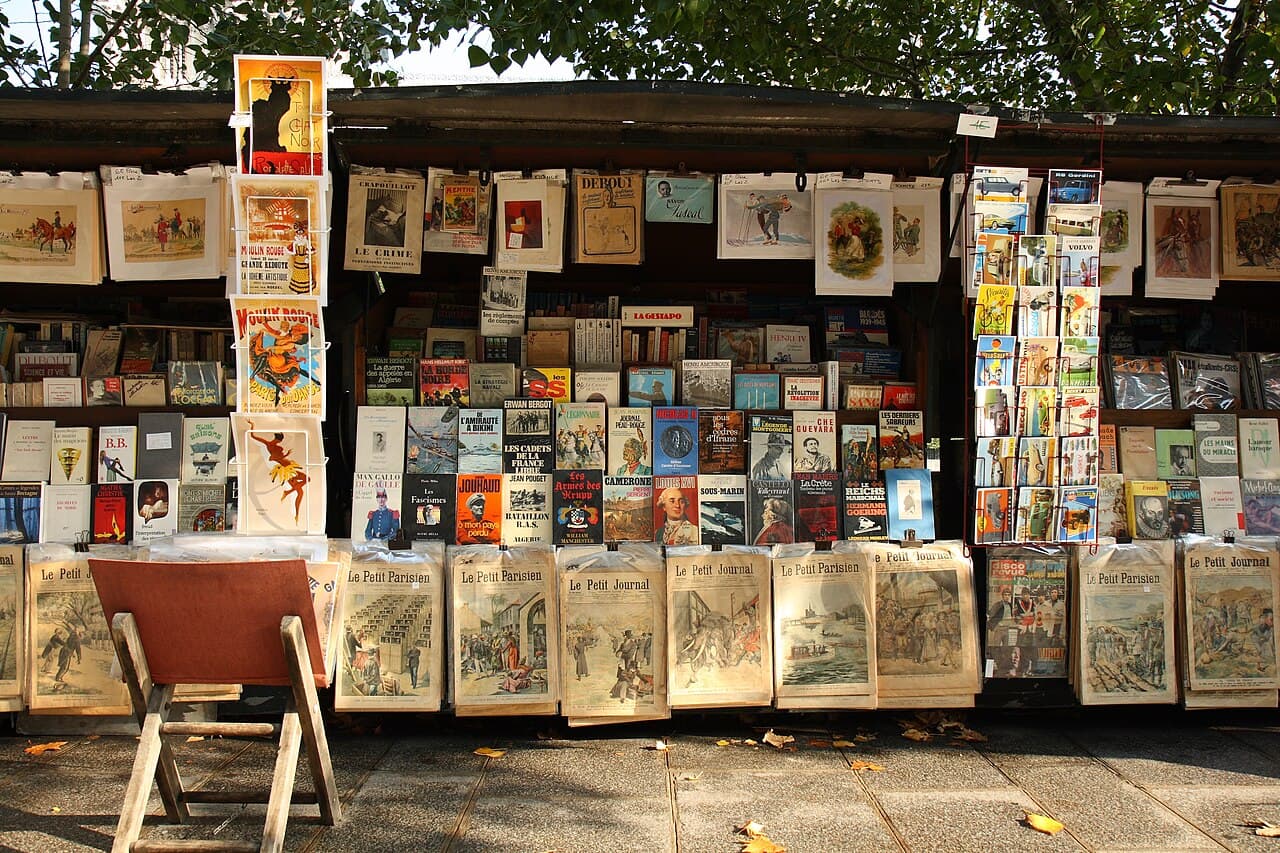
The second-hand book market is home libraries seeking new readers, school textbooks passed from class to class, and a collector segment for bibliophiles. Recent Ukrainian-language books are the market's most dynamic part: print runs sell out, and fresh editions sometimes cost more second-hand than in stores. The paper book has reclaimed its status as a deliberate purchase.
When selling books, photograph the cover, spine and page edges against light — for a book buyer, condition is the product. Bundles work: 'the whole series', 'a 20-volume sci-fi library', 'complete 8th-grade textbook set' sell faster and higher than single volumes. For rare editions state the year, publisher and print run — collectors search by exactly those fields.
Questions & answers
How do I judge a book's condition from a listing?
Ask for photos of the spine, page edges and endpapers: water damage and a loose block show immediately. Yellowed paper on editions older than 20 years is normal, not a defect.
Where do I find school or university textbooks?
Late August has the best selection: last year's sets are sold class by class. Ask for the whole set for your grade — cheaper than collecting one by one.
Which books have collector value?
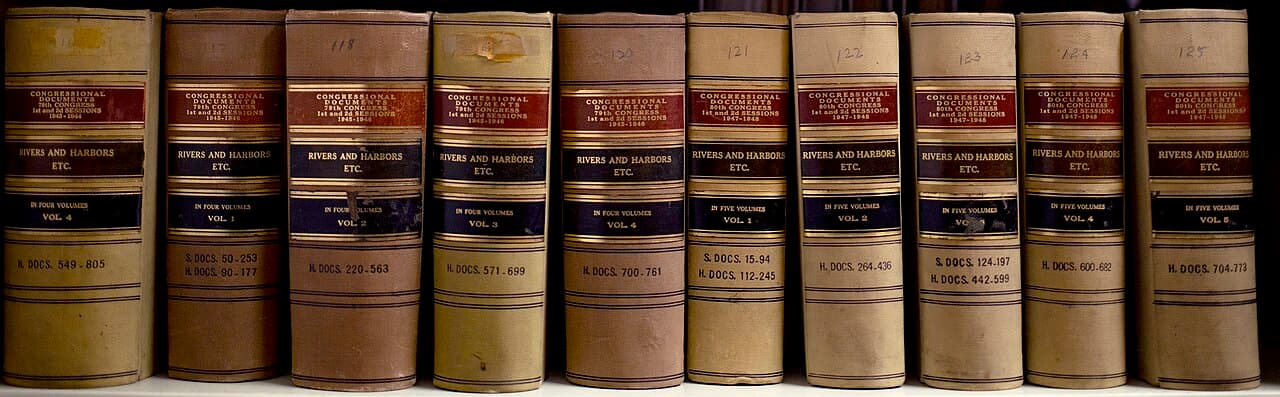
First editions, small print runs, signed copies, pre-war printings. Condition is critical: the same book in mint state and with a torn cover differs in price several times over.
What do I do with a home library I can't bring myself to dump?
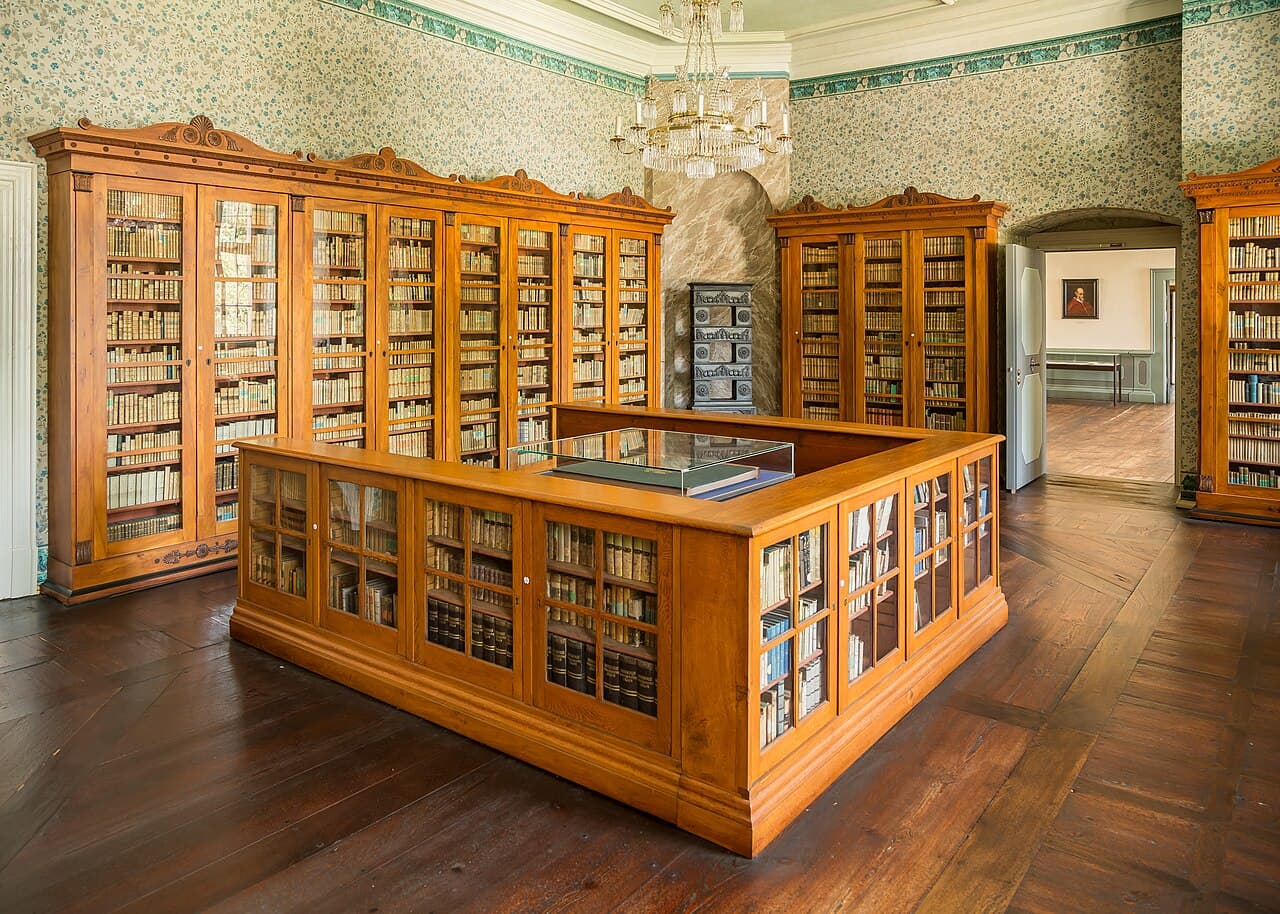
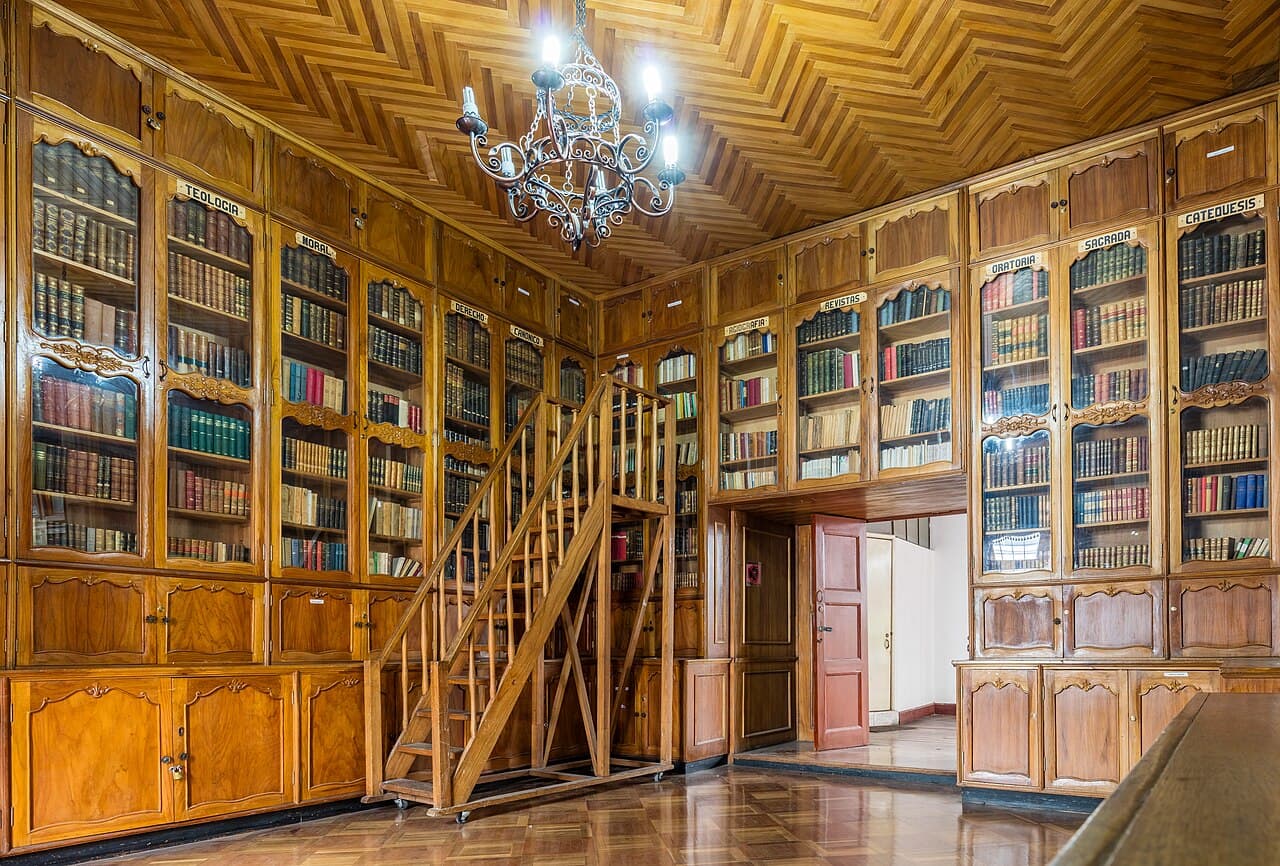
Sell it as a lot: 'a 200+ volume library' finds a buyer faster than you'd think — book dealers and readers collect such lots. Alternatives: school and children's books sell individually fastest, and libraries, book-crossing shelves and charity fairs take the rest. Discarding is the last resort.
What do used textbooks cost and when is the best time to buy?
School textbooks second-hand run 50–150 hryvnias against 300–500 new; a class set comes at a real discount to the sum of singles. Supply peaks in August as last year's classes sell their sets. By September the choice thins sharply and prices climb.
How do I know an old book is genuinely valuable?
Three factors: year and print run (pre-1945, small runs), condition (dust jacket, tight block), and demand (first editions of cult authors, once-banned printings, lifetime editions). Comparable auction lots are the fastest valuation. Mass Soviet subscription editions, alas, hold almost no value — they were printed in the millions.