Selling a musical instrument is fastest when your listing has real photos, an honest condition description, and a price checked against several similar offers in the same city. After that, all that's left is to reply to buyers during business hours, arrange to meet in a public place, and hand over the instrument after inspection. Risk drops when you don't ship the item before full payment and don't share unnecessary personal details.
A guitar, synth, violin, or electronic drum kit rarely sells in a day if the price is sky-high. The longest sagas involve instruments that are hard to check on the spot: acoustic pianos, large drum kits, wind instruments with complex maintenance. So your listing should immediately address typical buyer doubts: Are there documents? Does everything work? Can I bring my own technician?
Below is a practical step-by-step for private sellers and small shops: how to set a price, how to photograph the instrument, what to write in the description, how to filter out scammers, and where to safely hand over the goods. We'll also cover what works for private sales in Ukraine and what data to keep after the deal.
- Base your price on three similar listings in your city, not on the price of a new instrument in a store.
- Photos without flash, on a neutral background, showing the serial number and wear spots, get more inquiries.
- Don't take upfront payment from a stranger and don't ship the item before full payment.
- Meet in a public place, inspect on site, and document the sale in writing.
How to Price Used Musical Instruments
The price of used musical instruments comes from three things: market supply in your city, the technical condition of that specific unit, and what's included. Start by opening several listings with the same brand and model, see what they're asking, and how many sell rather than sit for months. The gap between asking price and actual sale is usually obvious. Then subtract from the average price what the buyer will spend right after purchase. New strings, a setup, cleaning potentiometers, new drumheads, pedal repair. If the instrument needs a technician, the buyer will factor that into their offer, and you'll hear about it in the first message.
What Adds Value and What Lowers It
Value boosters: original case or gig bag, purchase documents, complete kit (pedal, adapter, straps, stand), recent servicing with a repair shop receipt. Value killers: cracks in the body, lacquer bubbling, amp noise, worn frets, moisture traces on electronics, missing original parts.
Be straight about condition. Phrases like "mint condition" without explanation raise more questions than "scratches on the lower bout, frets 30 percent worn, sound is clean." Honesty saves you two days of back-and-forth.
Quick Sale, Best Price, or Trade-In
| Approach | When it fits | What to consider |
|---|---|---|
| Quick sale | You need money this week, the instrument takes up space | Price 15-25 percent below average, you travel to the meeting yourself |
| Best price | You have time, the instrument is rare or in great shape | Be prepared to wait a few weeks and refresh the listing |
| Trade-in at a store | You need a different instrument, no time for buyers | The store takes its margin, so the amount will be noticeably below market |
Trading in at a music store is convenient when you want to walk out with another instrument and not spend evenings meeting people. But the offer is almost always lower than what a private buyer would pay. That's the price of speed and no haggling.
How to Write a Listing That Gets Replies
A listing works when the buyer understands in ten seconds what you're selling, its condition, and the price. Build your title from brand, model, and instrument type: "Fender Player Stratocaster, 2021, with gig bag." No "must sell urgently" and no guesswork.
Photos
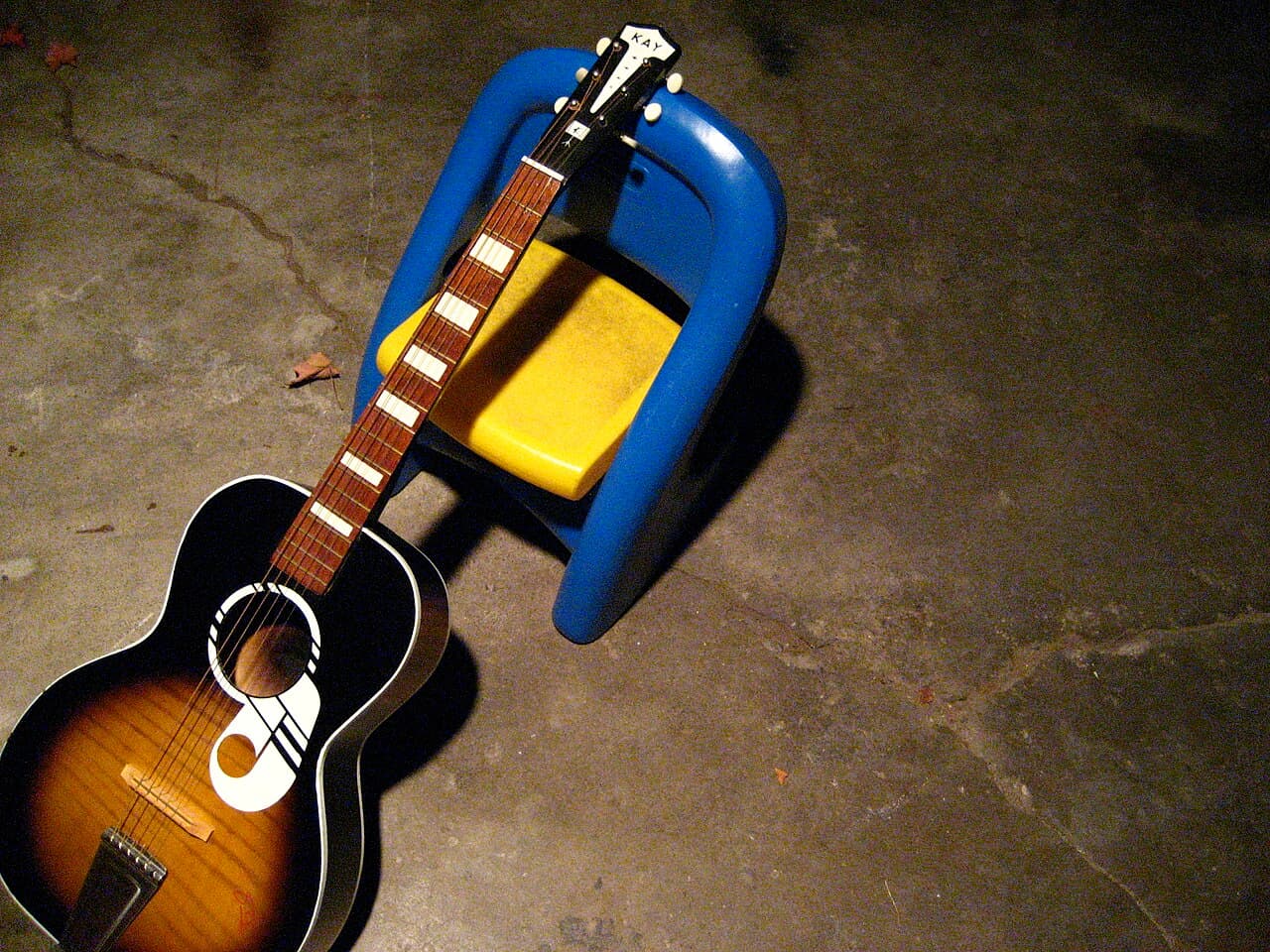
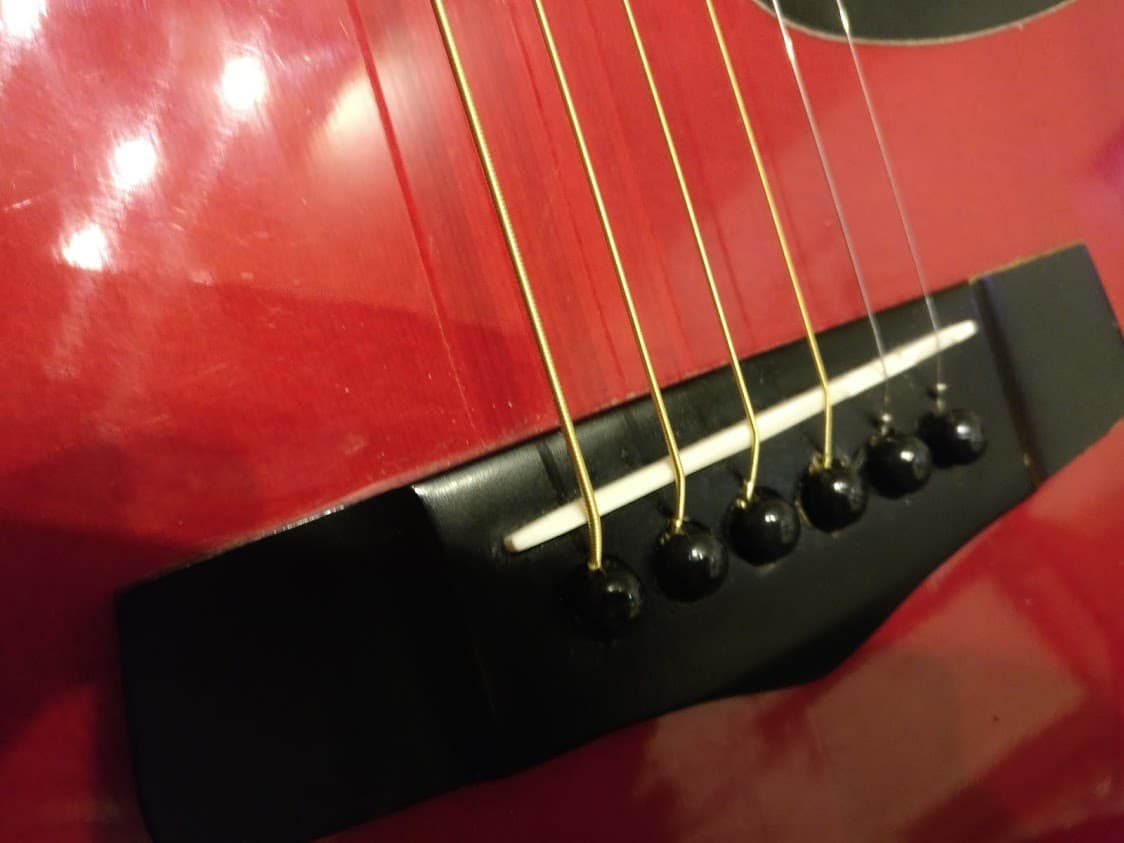
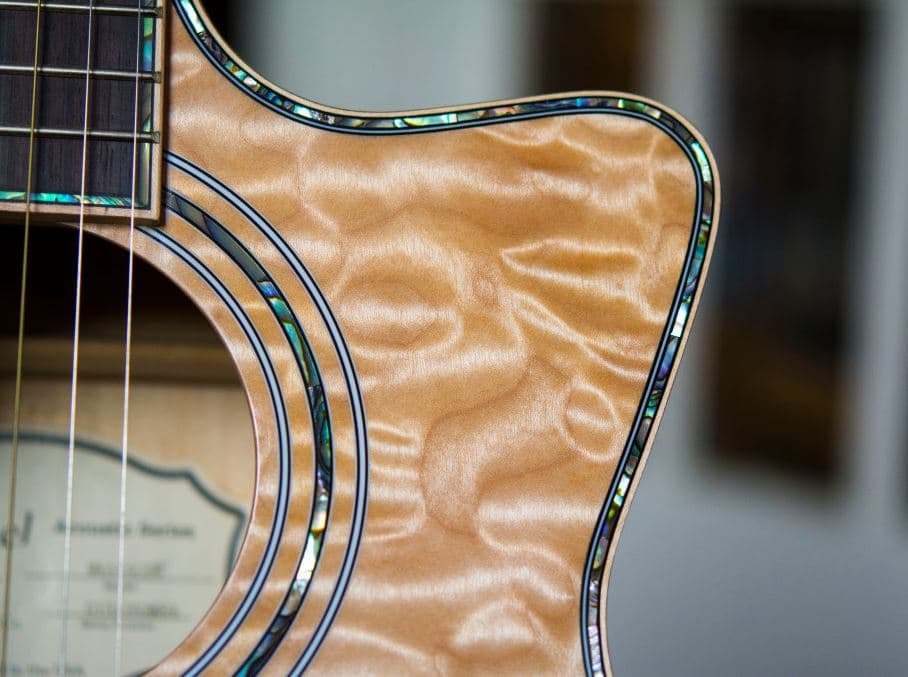
Shoot during the day near a window, no flash, on a plain background. At least six shots: full front view, back view, close-up of the neck and frets, wear spots, serial number, kit in the case. Show the serial number in full if you're not worried about counterfeits, or partially if you want to keep it for verification at the meeting. Don't hide defects in photos. A buyer who shows up and sees a scratch that wasn't in the pictures will either walk away or knock the price in half. That's the most expensive mistake in a listing.
Description and Price
Write in short paragraphs: model and year, condition, what's included, reason for selling, meeting terms. State your city and neighborhood, because buyers filter by those. If you're willing to ship, say so directly and mention who pays for delivery.
Set a specific number for the price. "Negotiable" or "OBO" in the price field cuts off half the inquiries because people can't tell if it fits their budget. If you're open to haggling, build a small buffer into the amount and don't mention it in the title.
Buyers most often ask three things: Does everything work? Can I see it today? Are there documents? Answer these three questions in your listing text, and the number of empty messages will drop sharply.
We see that listings with six or more photos and a specified neighborhood get noticeably more inquiries than those with just one shot and a city name.
You can compare prices on similar items and check a seller's history on EX & GO, where listings are moderated and phone numbers are verified. Before publishing, read the listing rules so you don't waste time on a rejected submission.
How to Reply to Buyers and Avoid Scammers
Fraud in listings almost always hinges on one thing: you're asked to do something before you've seen the money or the buyer. The moment that demand appears, the conversation is over. A real buyer isn't in a rush and doesn't pressure you.
Red Flags
A payment screenshot instead of funds hitting your account. A link to a "secure transaction" outside the listing site. A request to send an upfront payment for shipping. An offer to move the chat to a messenger and immediately ask for an SMS code. A purchase "for a relative" who'll come later, with a request to hand the item to a courier. Every one of these scenarios happens daily.
A screenshot in a banking app is not proof of payment. The money is either in your account or it isn't. No screenshots, photo receipts, or "manager confirmations" replace a bank statement.
How to Handle Messages
Reply briefly and to the point: condition, what's included, time and place to meet. Don't send copies of documents, don't share your full bank card number, don't give out codes. If the buyer asks for a video of the instrument working, record a short 20-30 second clip-that's enough. Agree on a specific time and place in one message. "Tomorrow at 6 PM by the metro entrance" works better than "let's do sometime this weekend." If someone reschedules twice without a reason, don't waste a week on them.
Where to Meet and How to Hand Over the Instrument
Hand over the instrument in a busy place with cameras: near a shopping mall entrance, at a metro station, at a post office, or in a music store where you can plug in and check the sound. Don't meet in a deserted courtyard at night or at a stranger's apartment.
Give the buyer five to ten minutes to inspect. Bring an amp, cables, and a tuner if you're selling electronics. For an acoustic guitar, it's enough to run through the frets and listen for any rattling inside the body.
Documents and Paperwork
For a private seller in Ukraine, a written receipt or a simple purchase agreement in two copies is enough: who sold what to whom, for how much, date, signatures. If the instrument is expensive, add the serial number and the parties' ID details. This protects both sides.
Keep the messages, listing photos, and receipt for at least a few months. If a dispute about the instrument's condition arises later, these materials will show what was agreed. General guidelines on the rights and obligations of the parties are on the State Service of Ukraine for Food Safety and Consumer Protection website, and basic tax questions should be clarified on the State Tax Service portal.
If you sell several instruments on an ongoing basis, that starts to look like a business. In that case, consult an accountant about income taxation. For a one-time sale of your own guitar, a receipt is usually enough.
What to Do Before Publishing Your Listing
Run through this checklist before hitting "publish." It takes ten minutes and saves days of messaging.
- Price checked against three similar listings in your city.
- Six or more clear photos, including wear spots and the serial number.
- Description states model, year, condition, what's included, and reason for selling.
- City and neighborhood specified, plus whether shipping is possible.
- Price is a specific number, no "negotiable."
- Answers to the buyer's three main questions are already in the text.
- You're ready to meet in a public place and have a receipt template.
If you're selling multiple items, list them separately. That way, a buyer looking specifically for a bass guitar doesn't have to scroll through your synth and drums. Separate listings also perform better in category filters.
Don't forget to refresh your listing if it's been up for a while. Sometimes adding one fresh photo from a different angle or clarifying what's included is enough to bring new inquiries. post a listing
For buyers looking for an instrument in a specific city, it helps to immediately look at listings with a verified phone number and seller history. used musical instruments
FAQ About Selling a Musical Instrument
How long does it usually take to sell a musical instrument?
It depends on the price, your city, and demand for that specific model. Popular mid-range guitars and synths find a buyer within one to two weeks. Rare or expensive instruments can take a month or more. If you get no inquiries in two weeks, revisit your price and photos, not the number of listings.
Do I need to pay tax when selling my own instrument?
A one-time sale of a personal item isn't a business activity. But if you sell instruments regularly and earn income from it, it may be considered a business, and you should consult an accountant. Check specific rules on the State Tax Service portal, not in the comments under listings.
How can I safely receive payment for an instrument?
The simplest option: cash during an in-person meeting after the buyer inspects the instrument. If you need a bank transfer, wait until the funds arrive in your account. An app screenshot doesn't confirm payment, so don't hand over the item until you see the amount in your statement.
What should I do if a buyer asks me to pay for shipping upfront?
Don't send anything. Requests to transfer money for shipping, insurance, or 'secure transaction processing' are a typical scam. A real buyer pays for shipping themselves or agrees to pay on delivery. If the conversation comes down to an upfront payment, stop communicating and move on to the next buyer.
Can I sell an instrument if I don't have purchase documents?
Yes. A receipt and warranty card boost trust but aren't required for a private sale. Instead of documents, show the serial number, let the buyer inspect the instrument, and sign a simple receipt of sale. For expensive models, missing documents usually lowers the price by 5-10 percent.
How should I photograph an instrument so the listing gets noticed?
Shoot during the day near a window, without flash, on a plain background. You need: a full front and back view, close-ups of the neck, wear spots, the serial number, and the kit in its case. Don't use stock photos from the internet-buyers notice and lose trust in the listing.
Where is the best place to meet a buyer?
In a busy place with cameras: near a shopping mall, at a metro station, at a post office, or in a music store where you can plug in the instrument and check the sound. Avoid meeting in deserted courtyards, stairwells, or at the buyer's home, especially if you're selling an expensive instrument.
Summary
You can sell a musical instrument without extra costs if you act consistently: check the price against the market, take honest photos, write a clear description, reply to buyers during business hours, and follow one simple rule-the item goes only after the money. Risk in these deals is almost always tied to upfront payment or handing over the instrument without inspection.
Spend ten minutes on the checklist before publishing, and your listing will perform better. If you get no inquiries in two weeks, change the price and photos, not the text. And keep the receipt and messages until the buyer confirms the instrument works as agreed.