To sell used tools in Israel quickly and without risk, list them on a classifieds platform with clear photos, an honest condition note and a realistic price checked against similar items in your city. Meet the buyer in a public place, confirm payment in your own banking app before handing anything over, and never ship on a promise of later payment. That covers most of what goes wrong.
Israel's secondhand tool market runs on trust and speed. A drill, a tile cutter or a full socket set moves fast when the listing answers the buyer's first three questions before they ask: what condition, what price, where. Buyers in Tel Aviv, Haifa, Beersheba and the smaller towns around them search by city and by radius, so a listing that names the neighborhood gets seen by people who can actually drive over this week. Small businesses clearing a workshop and private sellers emptying a garage face the same problem: too many listings stay up for weeks because the photos are dark and the price is a guess. This guide walks through pricing, photographing, answering messages, spotting the common scam patterns, and handing the tool over in a way that leaves you with the money and no argument afterward.
- Price from three to five comparable listings in your area, not from what you paid.
- Four photos in daylight beat ten blurry ones; show the model plate and any wear.
- Cash, Bit or a bank transfer confirmed on your own screen before the handover.
- Meet in a busy public spot in daytime, or at a staffed pickup point.
How to price used tools in Israel without leaving money on the table
Pricing starts with comparables. Open the category, filter by your city and a radius around it, and read what sellers are asking for the same model or the nearest equivalent. Asking prices are not sale prices, so treat the lowest three as your ceiling rather than your target. A used tool in Israel typically lands somewhere between 40 and 65 percent of the current retail price when it works, has the original case and shows normal wear. That range is a working rule, not a law: professional-grade brands hold value better than budget ones, and a tool with a missing charger or a cracked housing drops faster than the same tool with a full kit.
Condition language matters more than adjectives. Write the model number, the year you bought it, whether it is corded or battery, and what is included. "Bosch GSB 18V, two batteries, charger, case, bought 2022, works perfectly, light scratches on the body" tells a buyer everything. "Great condition, must go" tells them nothing and gets ignored.
If the tool has a fault, name it and price it in. A grinder with a noisy bearing sells at a discount to someone who repairs tools; the same grinder sold as "perfect" brings a return argument and a bad review. Buyers on EX & GO can see a seller's history, so a single misleading listing costs you on every future sale. post a listing
Quick sale versus best price versus trade-in
| Route | Typical timeline | Price you get | Effort and risk |
|---|---|---|---|
| Quick sale, priced under market | Same day to a few days | Lower, often 10 to 20 percent below comparables | Low effort, low haggling, buyer usually local |
| Best price, patient listing | Two to six weeks | Closest to true market value | More messages, more no-shows, more negotiation |
| Trade-in at a retailer or dealer | Same day | Lowest, credited against a new purchase | Minimal effort, no buyer contact, no cash |
| Sell to a workshop or contractor | Days to weeks | Middle, depends on their stock | Low effort if you already know the buyer |
Pick the route before you write the listing. A seller who wants the space back this month should price 15 percent under the cheapest comparable and say so in the title. A seller chasing the last hundred shekels should expect to relist and to answer the same questions five times.
How do you photograph and describe used tools so the listing gets messages?
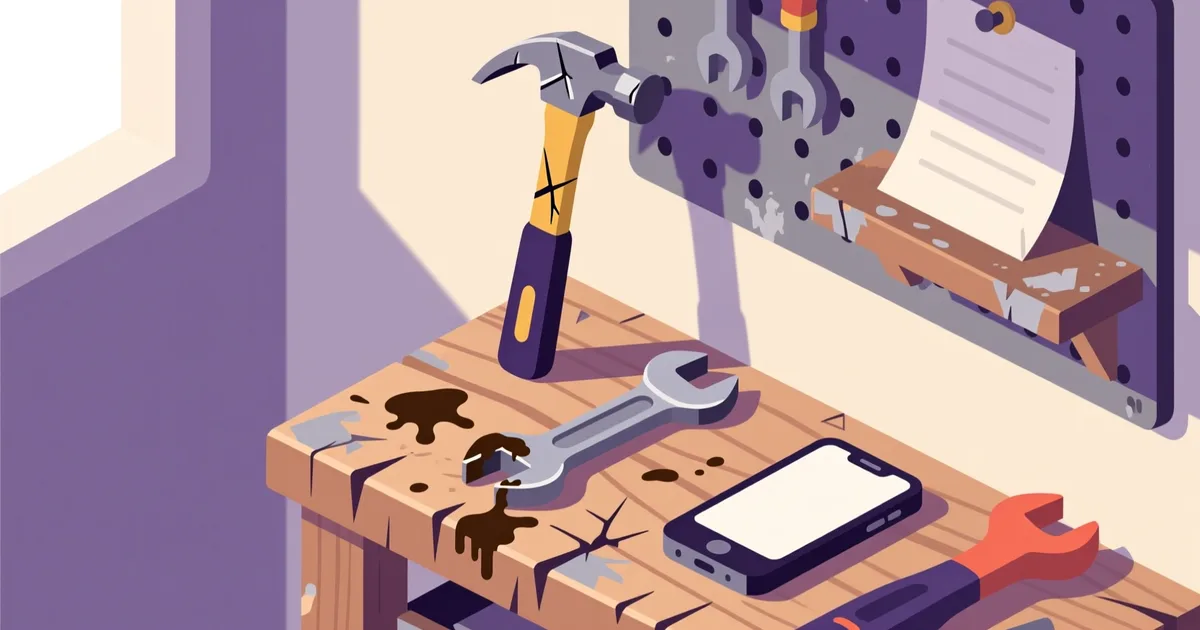
Photograph in daylight, on a plain surface, with the tool clean. Four shots do the work: the full tool, the model and serial plate, the accessories laid out, and a close-up of any wear or damage. Buyers scroll past dark photos because they cannot judge condition, and they assume the worst. Natural light near a window beats a flash every time.
Write the description as a short spec sheet, then one line of context. Model, power source, what is included, condition, reason for selling. If the tool was used professionally, say so and say how often. Contractors buying on a classifieds site read that line carefully: a drill that ran daily on a site for three years is a different purchase from one that hung in a home workshop.
Put the city and neighborhood in the listing and in the title. Buyers filter by location, and a seller who writes "Ashdod, Dalet" gets more replies than one who writes "south". Mention whether the buyer can test the tool on the spot. That single sentence removes a lot of hesitation.
Before you publish, read your own listing as a stranger. If you cannot tell the model, the condition and the pickup area in ten seconds, the buyer cannot either, and they will move to the next listing.
How to answer buyers and filter out scammers
Answer the first message with the facts and a proposed time. Buyers who ask "is it available" are testing whether you reply at all; a fast, specific answer usually closes the sale. Keep the conversation inside the platform's messaging until you have agreed on a meeting, so the exchange stays on record if something goes wrong.
Most scams against tool sellers follow a small number of patterns. Learn them and they stop working.
Common scam patterns and how to refuse them
A fake payment screenshot is the most frequent. The buyer sends an image of a transfer, says the money is on the way, and pressures you to hand over the tool. Screenshots prove nothing. Open your own banking app or Bit and confirm the balance moved. If it has not, there is no payment, whatever the image shows.
The courier prepayment trick works differently. The buyer claims to be abroad or busy, offers to send a courier, and asks you to pay a "delivery fee", a "deposit" or a "customs charge" up front, promising to reimburse you with the purchase price. A real buyer does not ask a seller to pay to sell. Refuse and stop replying.
Other patterns worth recognizing: an overpayment story where the buyer "accidentally" sends too much and asks for the difference back, a request to move the whole deal to a chat app where there is no record, and a buyer who offers above asking price to create urgency. We see these reported in seller messages and our moderation removes listings and accounts that repeat them, which is why keeping the conversation on the platform protects you. You can read the posting rules at /en/rules before you publish.
Legitimate buyers ask about condition, accessories, price and pickup. They rarely volunteer a complicated payment arrangement in the first message.
Where to meet and how to hand over used tools safely
Meet in a public, busy place in daylight. A petrol station forecourt, a shopping center entrance, a staffed pickup point or the buyer's workshop during working hours all work. Avoid meeting at your home for a first contact, especially for high-value tools, and avoid empty industrial areas after dark. If the buyer wants to test the tool, agree in advance where a power outlet is available.
Bring the tool ready to test and bring the accessories. Let the buyer check it, then take payment. Confirm the money on your own device before the tool leaves your hands. Cash works, but for larger amounts a bank transfer or Bit confirmed on your screen is safer to carry and easier to prove.
For a business selling several tools, a written receipt with the date, the item, the amount and both names avoids disputes later. It is not a legal requirement for a private sale, but it settles arguments. used tools
What applies to private sales in Israel
A private sale between two individuals is a straightforward transfer of used goods, and the buyer carries most of the risk on condition. That is exactly why your listing needs to be accurate. If you describe a tool as working and it is not, you invite a complaint and you damage your seller history on the platform. Consumer protection rules that apply to businesses selling new goods do not map neatly onto a one-off private sale, and the specifics depend on your situation. For official guidance on consumer matters, check the government portal at gov.il, and for platform-specific questions the support pages are the place to start. If you sell tools regularly as a business, keep records of what you sold and when.
What should you check before publishing a used tools listing in Israel?
Run this list once and your listing will outperform most of the category.
- Model number and serial written out exactly as printed on the tool.
- Price checked against three to five comparable listings in your city.
- Four daylight photos, including the model plate and any damage.
- Condition described honestly, faults named and priced in.
- Accessories listed: batteries, charger, case, blades, bits.
- City and neighborhood in the title and in the description.
- Payment methods you will accept, stated in the listing.
- Meeting place and rough timing decided before you publish.
One more pass on the price after a week. If the listing has views but no messages, the price is the problem. If it has no views at all, the title and photos are. Change one thing at a time so you know what worked.
Frequently asked questions
How do I sell used tools in Israel fast?
Price 10 to 20 percent below the cheapest comparable in your city, publish four clear daylight photos, and state the pickup area in the title. Reply to the first message within an hour with a specific time and place. Sellers who answer quickly and offer a same-week pickup close most sales without a second round of negotiation.
How do I set a realistic price for used tools in Israel?
Filter the category by your city and a radius around it, then read the lowest three asking prices for the same model. Working tools with a case and normal wear usually sit between 40 and 65 percent of current retail. Adjust down for missing accessories, battery age or visible damage, and check whether the brand holds value in the local market.
Is it safe to meet a buyer at home?
For a first meeting, no. Choose a busy public place in daylight: a petrol station, a shopping center entrance or a staffed pickup point. If the buyer needs to test the tool, agree beforehand where power is available. Meet at home only with a buyer you already know or a business you have dealt with before.
What payment methods should I accept?
Cash, Bit or a bank transfer confirmed on your own device before the tool changes hands. Never accept a screenshot as proof of payment, and never release the item because a transfer is "processing". For larger amounts, a confirmed transfer is easier to carry and easier to prove than cash if a dispute comes up later.
How do I spot a scam when selling tools?
The main signals are a payment screenshot instead of a confirmed transfer, a request that you pay a courier or deposit fee up front, an overpayment story asking for a refund of the difference, and pressure to move the conversation to another app. A genuine buyer asks about condition, accessories, price and pickup, and pays when they collect.
Can I sell tools as a small business through a classifieds listing?
Yes. Businesses list tools alongside private sellers, and buyers often prefer a seller with a track record. Keep records of each sale, describe condition accurately, and use a written receipt with the date, item and amount. Regular commercial selling carries different record-keeping expectations than a one-off private sale, so check the current guidance on gov.il.
Getting the tool out of the workshop and the money into your account
Selling used tools in Israel comes down to three things done properly: an honest price built from real comparables, a listing that answers the buyer's questions before they ask, and a handover where payment is confirmed on your own screen. Everything else is noise. The sellers who struggle are usually the ones who guessed the price, photographed the tool at night, or accepted a screenshot as proof. Fix those three and the sale takes days, not months. If you sell used tools regularly, treat each listing as part of a track record: accurate descriptions and clean handovers build the history that makes the next buyer trust you faster. Start with one tool, run the checklist, and see what the messages tell you.