To buy used tools in Slovenia, check classifieds first, then compare against a shop price before you travel. Private listings on platforms such as EX & GO, Bolha and Facebook groups cover most of the country, but Ljubljana, Maribor and Celje hold the deepest supply. Expect 40 to 60 percent off retail for a working power tool with no warranty.
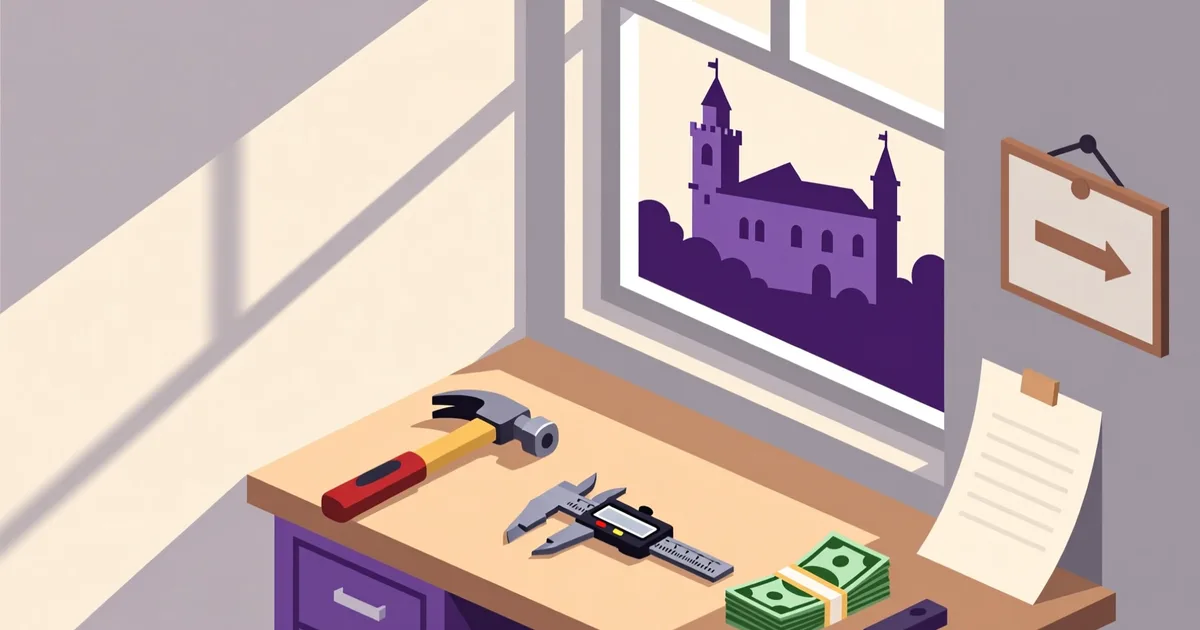
The savings are real, but so is the homework. A used circular saw at 80 EUR is a bargain if the motor runs cold and the blade arbor is straight. The same saw at 80 EUR with a cracked housing and a missing guard is scrap metal. The difference is ten minutes of checking before you hand over cash.
Slovenia is small enough that a serious buyer can drive from Kranj to Koper in under two hours. That matters, because the best deals rarely sit in your own district. What follows is the process local buyers actually use: where the listings are, how to read them, what to inspect at the meeting, and how to close without getting burned.
- Search by city and district radius, not by category alone, to cut travel time.
- Never prepay. Cash on inspection is the norm for private tool sales in Slovenia.
- Ask for a video of the tool running before you agree to meet.
- Compare against a new price at a local shop before you commit.
Where to buy used tools in Slovenia
Private sellers list tools in three main places: general classifieds, Facebook groups, and local notice boards. General classifieds win on volume and filtering. Groups win on niche gear, such as woodworking or welding equipment. Notice boards at hardware stores still work in smaller towns, though you will not find a price history there.
On EX & GO, you can filter by city, district radius and category, which matters when you are hunting a specific item. A buyer in Celje looking for a mitre saw does not want to scroll through listings in Nova Gorica. The radius filter solves that in one step. Listings pass moderation, phone numbers are verified, and each seller has a visible history and reviews. That history is the single most useful signal on the page.
Posting rules and what gets removed are published at /en/rules, worth a read if you also plan to sell your old tools later. If you ever need to report a listing or ask how messaging works, the help pages sit at /en/support.
Facebook groups tend to be regional. A group called something like "Orodje Ljubljana" will be dominated by sellers inside the ring road. Marketplace listings on the same platform often lack a clear city, which makes them harder to filter. Bolha remains the largest general classifieds site in the country, and most sellers cross-post between platforms anyway.
For cheap used tools in Slovenia, the timing matters as much as the platform. Spring and early summer bring garden and construction gear onto the market. Late autumn brings workshop clearances, when a retiring tradesman sells a lifetime of equipment at once. Those lots are where the real bargains sit, but they move fast.
How to read a listing and spot a scam
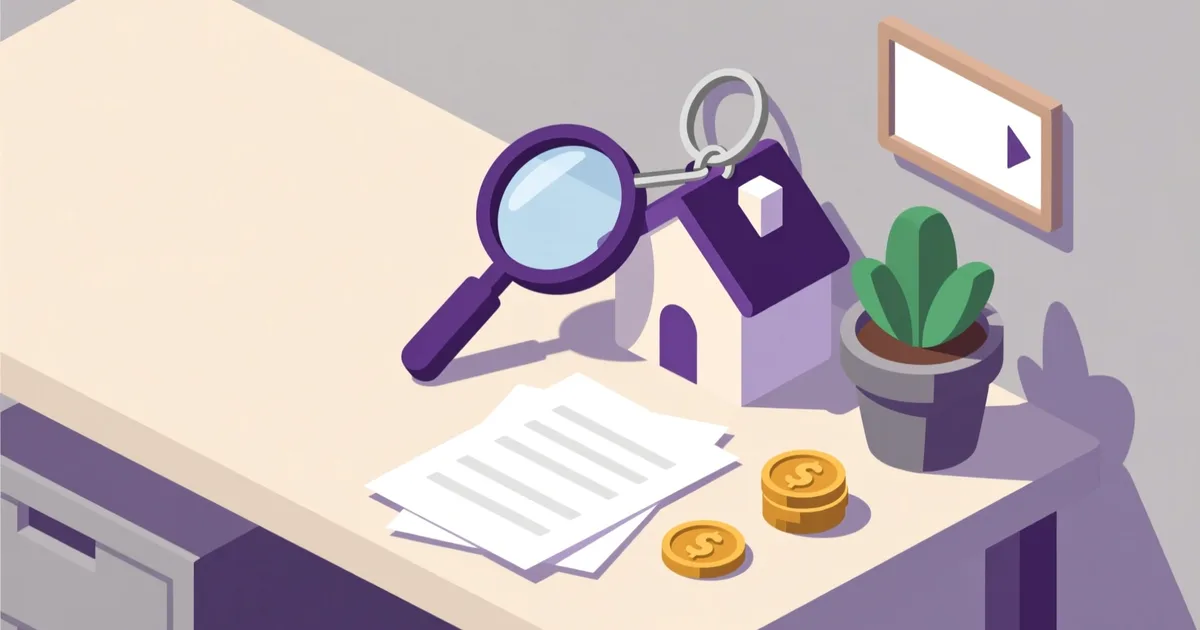
A legitimate listing shows the tool from several angles, including the model plate, the plug, and any damage. One stock photo and a vague description is a warning, not a deal. Manufacturers publish their own product images, and scammers copy them. If the photo appears in a Google image search on a manufacturer site, treat the listing as suspect until proven otherwise.
Prepayment is the classic trap. A seller who wants a bank transfer or a payment link before you see the tool is not a seller. In Slovenia the normal pattern is cash on inspection, in person, at a location you choose. Courier tricks follow the same logic: a "shipping company" that asks you to pay a deposit before delivery does not exist.
Read the seller's history before you message. On a platform with reviews, a seller with twenty completed deals and consistent feedback is a different risk category from an account created last week. Ask one specific question about the tool, not a generic "is it available?". A real owner answers in detail. A scammer answers with a copy-paste and a push toward payment.
Ask the seller to film the tool running and say your name in the same clip. It takes them thirty seconds, it proves the tool exists and works, and a genuine seller never objects. Anyone who refuses is wasting your time.
Watch for listings priced far below the market. A Hilti hammer drill at 40 EUR is either stolen, broken, or bait. None of those outcomes help you. If a price looks impossible, walk away and keep searching.
What to check at the meeting: a practical checklist
Bring a short list and work through it in order. Ten minutes of checking beats a month of regret. Ask the seller to leave the tool cold before you arrive, because a warm motor hides starting problems.
Before you start the tool
Check the housing for cracks, especially around mounting points and handles. Look at the power cable along its full length, not just the plug. A taped or stiff cable is a bargaining point, not a dealbreaker. Confirm the model plate matches the listing and note the serial number if the seller allows.
When you run it
Listen for bearing noise, which sounds like a dry whine that changes with speed. Check for sparks at the brushes, which is normal in small amounts and a problem when it is heavy. Test every function: speed dial, reverse, brake, laser, and any safety guard. A guard that does not spring back is a fault you will live with.
Accessories and consumables
Count the batteries and check the charger. For cordless tools, a dead battery can cost more than the tool itself. Ask how old the batteries are and whether they hold charge. For petrol equipment, check the air filter and ask when the oil was last changed. Blade and bit condition tells you how hard the tool was worked.
| Source | Typical price | Warranty | Risk | Best for |
|---|---|---|---|---|
| Private seller | 40 to 60 percent below retail | None | Medium, depends on the person | Cheap used tools, older pro-grade gear |
| Shop, new or refurbished | Full price, or 10 to 20 percent off for refurbished | Legal guarantee applies | Low | Tools you will use weekly |
| Marketplace with seller history | Similar to private, sometimes higher | None, but reviews reduce risk | Lower than anonymous classifieds | Buyers who want a traceable seller |
How to negotiate a used tool price in Slovenia
Negotiation here is calm and direct. Slovenian sellers rarely inflate a price to leave room for haggling, so a lowball offer reads as an insult. Come with a fair number in mind and one concrete reason for it. A worn blade or a missing case is a reason. "I will give you half" is not.
Do your price research before the meeting. Check what the same model sells for new at a local shop, then check what other used listings ask. If a comparable saw sits at 90 EUR in Maribor and the seller in Kranj wants 130 EUR, you have your argument. Mention the comparison, not the seller's character.
Cash helps. A seller who sees the money in your hand is more flexible than one waiting for a bank transfer. If the seller will not move on price, ask for accessories instead: a spare battery, a case, or a set of blades. That often works when a discount does not.
Walking away is a valid move. There is always another listing. If the tool has a fault the seller did not mention, the price should reflect it or you should leave. We see the same pattern in buyer messages: the deals that go wrong are the ones where the buyer ignored a fault because the price felt good.
How the deal closes and what rights you have
Private sales in Slovenia are made between two individuals, and the buyer carries most of the risk. The seller must describe the item honestly, but there is no statutory warranty on a private sale the way there is on a shop purchase. That is why inspection matters more than paperwork.
If you buy from a business, even a small one, the picture changes. Consumer protection rules apply, and you have a legal guarantee on the goods. Ask whether the seller is a registered business or a private individual, and get a receipt if it is a business. The Slovenian government portal at gov.si publishes consumer information if you need to check how a dispute is handled.
Write down the essentials even in a private sale: date, price, tool model, serial number, and both names. A short message thread confirming the sale works. It will not give you a warranty, but it settles any later argument about what was agreed.
For the deal itself, meet in daylight, in a place you know. Bring a friend if the tool is expensive. Do not hand over cash before you have run the tool. Once money changes hands, the tool is yours, faults included.
If you are still comparing options, used tools shows current listings by city, and used tools in Ljubljana covers how to check a seller before you travel.
Frequently asked questions
Where can I find cheap used tools in Slovenia?
The largest supply sits on general classifieds and regional Facebook groups, with Ljubljana, Maribor and Celje holding the most listings. Filter by city and district radius so you are not scrolling through the whole country. Prices drop in late autumn when workshops clear out. Set a price alert and check daily, because good tools sell within hours of posting.
What is a fair price for a used power tool in Slovenia?
Expect 40 to 60 percent off the new price for a working tool in good condition. A cordless drill that retails at 150 EUR typically sells used for 60 to 90 EUR, depending on battery condition. Pro-grade brands hold value better than budget ones. Always compare against a local shop price before you agree.
How do I avoid scams when buying used tools?
Never prepay, never accept a courier that asks for a deposit, and never trust a single stock photo. Ask for a video of the tool running. Check the seller's history and reviews where the platform shows them. Meet in person, in daylight. If the price is far below market, assume there is a reason and walk away.
Do I get a warranty on a used tool bought from a private seller?
No. Private sales in Slovenia do not carry the statutory guarantee that applies to business sales. The seller must describe the item honestly, but you buy the faults as they are. If you buy from a registered business, consumer protection rules apply and you should ask for a receipt. Inspection before payment is your only real protection.
Which cities in Slovenia have the best used tool listings?
Ljubljana has the highest volume, followed by Maribor and Celje. Kranj and Koper have smaller but steady supply, often from tradesmen working in those regions. If you are willing to drive, a district radius search from your town will usually surface something within an hour. Supply is denser around industrial areas.
Should I buy used tools from a shop instead?
A shop makes sense for tools you will use weekly, because you get a legal guarantee and a place to return a faulty item. Private sales make sense for occasional use and for pro-grade gear at a fraction of retail. Many buyers do both: new for the workhorse, used for everything else.
What to do next
Buying used tools in Slovenia rewards patience and a checklist, not luck. Pick your platform, filter by city and radius, and read the seller's history before you message. Ask for a video, compare the price against a new one, and inspect the tool cold before you pay. Those four steps remove most of the risk from a private sale.
Keep a short list on your phone: housing, cable, bearings, brushes, guards, batteries, accessories. Run through it at every meeting, even when the seller seems trustworthy. The tools worth buying are the ones that survive that ten minutes. The ones that do not were never a bargain, whatever the price tag said.
Start with a narrow search in your own district, then widen it if nothing turns up within a week. Supply in Slovenia is small enough that a good listing can appear and disappear in an afternoon, so check often and be ready to drive.