To sell toys in Slovakia, photograph the item in daylight, price it against similar listings in your city, and publish a clear ad on a moderated classifieds board so buyers can message you directly. Second-hand toys move fastest when the listing answers the three questions every parent asks: age range, completeness, and whether the price is fair.
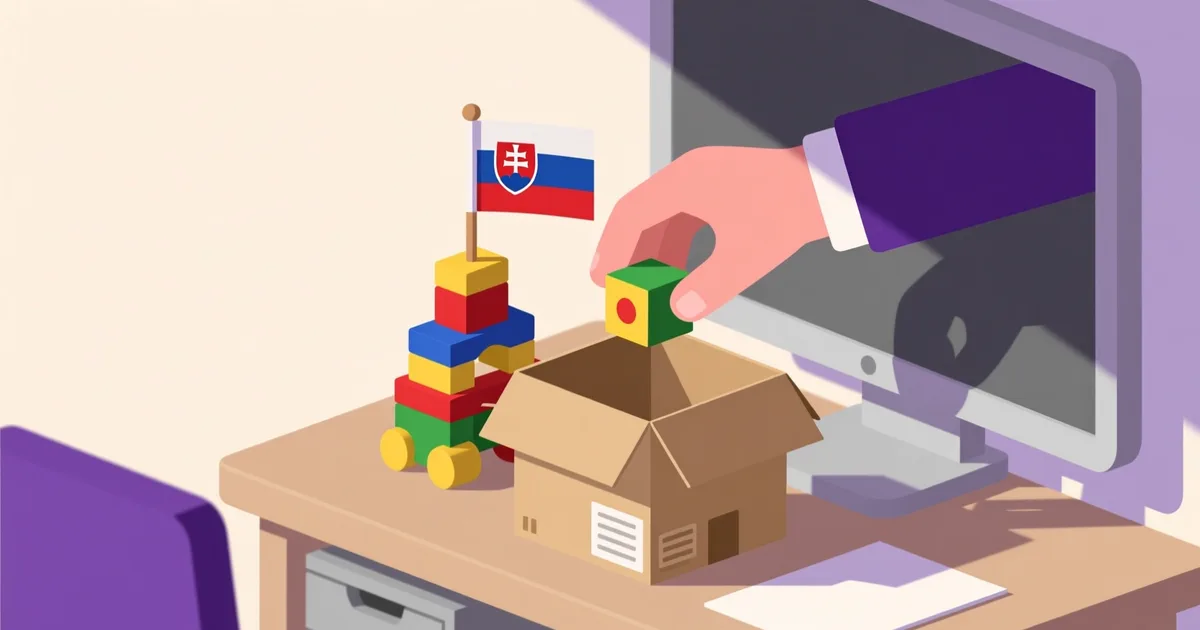
Slovak families buy and sell children's goods constantly. Kids outgrow a wooden kitchen or a box of Duplo in a season, and the next family two streets over is looking for exactly that. The market is local: a stroller or a play table rarely ships across the country, because the buyer wants to see it, touch it, and carry it home in a car. That shapes everything about how you list.
This guide covers pricing against real listings, photographing toys so the ad gets messages, writing a description that filters out time-wasters, recognising fake payment screenshots and courier prepayment tricks, and choosing a safe meeting point. It also explains what Slovak rules mean for a private sale, and when a trade-in or a quick sale makes more sense than holding out for the best price.
- Price against active listings in your own city first, then decide how fast you need the money.
- Six to ten daylight photos, defects included, cut the number of dead-end messages sharply.
- Cash on handover at a public place beats any prepayment, bank screenshot, or courier arrangement.
- Toys with missing parts, worn paint, or a broken mechanism sell only when the flaw is stated in the ad.
How to price second-hand toys in Slovakia
Start by searching your own city for the same item, not a national average. A wooden Pikler triangle listed in Bratislava and one in Košice are different markets, because the buyer has to drive. Open the category for kids' goods, filter by city and district radius, and look at what is actually sitting there unsold.
Two numbers matter. The asking price of active listings tells you the ceiling, and how long those listings have been up tells you whether that ceiling is real. An ad posted three weeks ago at the same price as yours is a warning. A listing that disappeared within days was priced to move.
What second-hand toys in Slovakia actually fetch
Large plastic items lose value fast. A slide or a playhouse is bulky, hard to transport, and often free to whoever collects it. Small, complete, brand-name sets hold value better: Lego, Playmobil, wooden Montessori-style pieces, and good-quality prams. Age matters less than completeness.
As a working rule, a toy in good condition with all parts typically sells for a fraction of its original retail price, and that fraction drops with every missing piece. Do not price from what you paid. Price from what a parent in your district will hand over in cash today.
Quick sale, best price, or trade-in
These are three different decisions, and mixing them up is why ads sit for months.
| Approach | Typical timeline | Price level | Effort | Best for |
|---|---|---|---|---|
| Quick sale | Days | Below comparable listings | Low, one ad, accept first fair offer | Moving house, clearing a room, no storage |
| Best price | Weeks | At or slightly above comparables | High, renew the ad, answer many messages | Rare, complete, or collectible sets |
| Trade-in | Same day | Lowest, often store credit | Minimal, you hand it over | Bulk lots, items with defects, no time at all |
Trade-in through a shop or a specialised children's goods store pays least, because the shop carries the resale risk. It makes sense when you have a car boot full of mixed toys and no interest in answering twenty messages about a stuffed rabbit.
How do you photograph and describe toys so the listing gets messages?
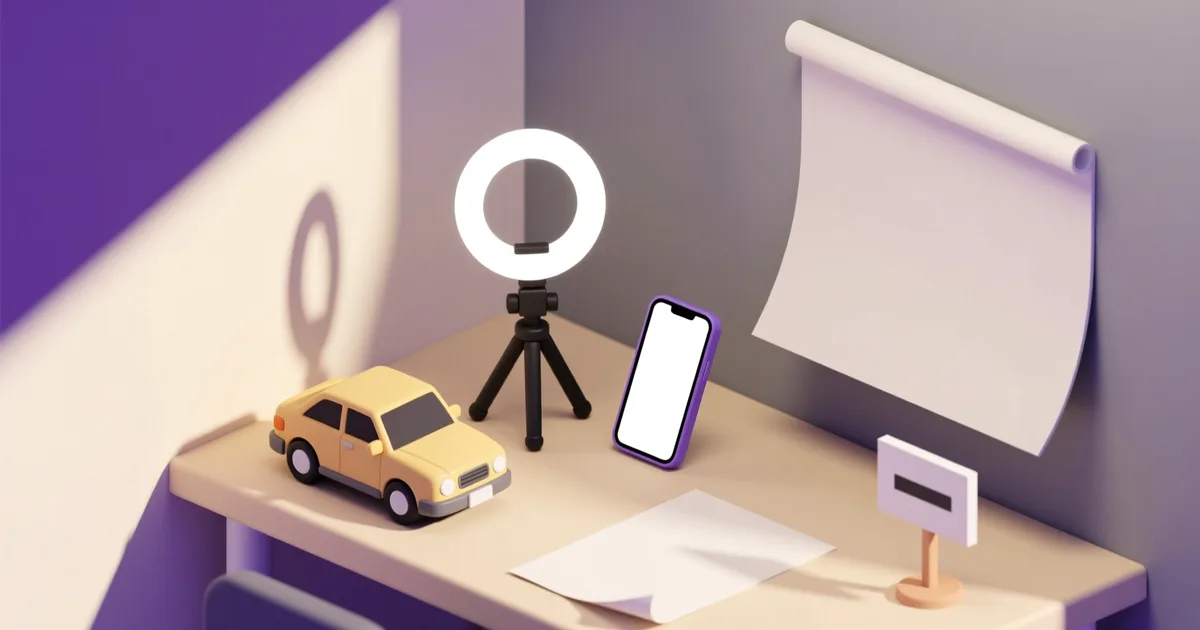
Photograph on a plain background near a window, between roughly ten in the morning and two in the afternoon, when light is even. Lay the toy out complete, then shoot one photo of everything included: the box, the instructions, the spare parts, the charger if there is one. Buyers count pieces before they message.
Photos that answer questions before they are asked
Six to ten images is the useful range. Include a full view from the front, a side view, a close-up of any wear, and a photo with a hand or a common object for scale. A parent judging whether a play kitchen fits a small panelák flat needs dimensions, and a photo next to a door frame says more than a number.
Do not hide damage. A scratch photographed honestly costs you a few euros. A scratch discovered at handover costs you the sale and the trip.
Writing the description
Put the essentials in the first two lines, because that is what shows in search results and on a phone screen. Name the item, the age range, the condition, and the city. Then add detail in short paragraphs.
State the brand and model if there is one, the material, whether batteries are included, and whether all parts are present. Mention the reason for selling only if it helps, such as a child outgrowing it. Skip emotional language; buyers scan for facts.
Write the ad as if you are handing the toy to a friend: what it is, what is missing, what it costs, and where you can meet. Most disputes in second-hand sales come from a detail that was known to the seller and never written down.
How to answer buyers and filter out scammers
Answer within a few hours if you can. On a classifieds board, the first seller who replies with a clear answer usually gets the sale, even at a slightly higher price. Keep replies short and repeat the key facts: condition, completeness, price, and where you can meet.
Scammers target exactly this moment, when a seller is motivated and slightly impatient. Two patterns appear again and again in Slovakia.
Fake payment screenshots
Someone sends an image of a bank transfer or a payment confirmation and asks you to hand the toy to a courier immediately. A screenshot proves nothing. A transfer can be scheduled, reversed, or simply never made. Check your own banking app, not a picture sent to you.
Courier and prepayment tricks
The other pattern is the buyer who insists on a specific courier and asks you to pay a small fee to release the shipment, or to click a link and enter card details. Legitimate buyers do not ask sellers to pay to receive money. If a link asks for your card number, your PIN, or a confirmation code, it is not a sale.
Red flags worth noting: a buyer who refuses to meet, a price agreed instantly without a single question about condition, pressure to act within minutes, and any request to move the conversation off the platform before the deal is agreed. We see the same handful of tricks reported by sellers across the region, and they almost always involve a request to pay something before the item changes hands.
Where to meet and how to hand over a toy safely
Meet in daylight, in a place with people and cameras. In Slovak cities that usually means a shopping centre entrance, a busy square, a supermarket car park, or a metro and bus stop near your home. Do not invite a stranger into your flat for a five euro plush toy.
Bring the toy in a bag or a box, ready to hand over. Let the buyer inspect it. Count the parts together if the set has many. Take the cash, check it, and confirm the amount before you leave. If you are selling something bulky, agree in advance who transports it and whether a second person is coming.
For larger items such as a playhouse or a trampoline, a short video call before the meeting saves both sides a wasted trip. Show the item, the wear, and the access to your building.
What applies to private sales in Slovakia

A private sale between two individuals is not the same as buying from a shop. Consumer protection rules built for business-to-consumer sales do not apply in the same way, which is why condition and completeness matter so much in the ad text. If you sell regularly, or buy to resell, you may be acting as a business and different obligations can apply. The Slovak Trade Inspection Authority publishes guidance on consumer rights and on how to file a complaint: Slovenská obchodná inšpekcia.
Safety of the toy itself is a separate question. Toys placed on the Slovak market must meet safety requirements, and the Ministry of Interior publishes information relevant to consumer protection and reporting: Ministerstvo vnútra SR. For a private seller, the practical takeaway is simple: do not sell a toy with broken parts, exposed wiring, or loose small pieces that a young child could swallow. If it is not safe for your own child, it is not a listing.
Keep the transaction simple and documented. A short message thread agreeing the price and the meeting point is enough of a record. If a buyer later claims the item was not as described, that thread and your photos are what you have.
Platform rules matter too. Before publishing, read the posting rules so your ad is not removed for a missing photo or a prohibited item: posting rules. If something goes wrong with a listing, the support pages explain how to report it: support. On EX & GO, the seller's history and reviews are visible to buyers, which is where a clean record of past sales helps you close a deal faster. Compare prices in the kids' goods category before you set yours, and check what similar items in your city are asking.
Checklist before you publish the listing
Run through this once and you avoid the most common reasons an ad gets ignored or removed.
- Item cleaned, assembled, and photographed in daylight.
- All parts, box, and instructions laid out and counted.
- Defects visible in at least one photo and named in the text.
- Price checked against active listings in your own city and district.
- City and district set correctly, so local buyers find it.
- Age range and dimensions written in the first lines.
- Contact method chosen, phone verified, notifications switched on.
- Meeting place decided in advance, in daylight, in public.
- Payment accepted only as cash on handover, unless you know the buyer.
You can also place the two internal links where they fit your own flow: post a listing for the category you are listing in, and second-hand toys for guidance on writing the description.
Frequently asked questions
How do I sell toys in Slovakia quickly?
Price slightly below comparable listings in your own city, publish six to ten daylight photos with all parts visible, and answer messages within a few hours. Local buyers filter by district, so a correct city and district setting matters more than a long description. If you need the space cleared this week, a lower price beats a longer wait.
Is it worth selling second-hand toys at all?
For complete, brand-name, or bulky items, yes. Lego, Playmobil, wooden sets, and good prams hold enough value to justify an ad. Small worn plush toys and incomplete sets often cost more in time than they return, and donating or trading them in is the better move. Judge by completeness and demand in your area, not by what you originally paid.
How should I price a used toy?
Search your city for the same item, note the asking prices, and check how long those ads have been live. Price at or just under the realistic level for your condition. Deduct for every missing part and for visible wear. A toy that sells within days was priced correctly; one that sits for weeks is priced too high for its condition.
What should I watch out for when selling to strangers?
Fake payment screenshots, courier prepayment requests, links asking for card details, and buyers who refuse to meet. Accept cash on handover, check it yourself, and meet in daylight in a public place with people around. Never share a confirmation code, and never pay a fee to receive money from a buyer.
Can I sell toys as a private person in Slovakia?
Yes. Occasional private sales between individuals are normal, and consumer rules designed for shops do not apply in the same way. If you sell regularly or buy to resell, you may be treated as a business with different obligations. The Slovak Trade Inspection Authority publishes guidance on consumer rights and complaints.
Where is the safest place to hand over a toy?
A shopping centre entrance, a busy square, a supermarket car park, or a well-lit public transport stop near your home. Bring the item ready to inspect, count the parts together, and take payment before you leave. For bulky items, agree in advance who transports it and whether the buyer is coming alone.
What to do next
The fastest route to sell toys in Slovakia is a clean listing, an honest price, and a public handover. Photograph the item today while the light is good, check what similar toys in your city are asking, and write the description with the flaws included. Then publish and answer messages promptly.
Decide before you start which outcome you want. A quick sale means pricing below the market and accepting the first fair offer. The best price means patience and renewing the ad. Trade-in means taking less in exchange for zero effort. Pick one, and the rest of the process gets simple. Keep the meeting public, take cash, and let your seller history do part of the selling for you.