You sell kids' clothes fastest when you set a price based on similar listings in your city, post clear photos with the size tag visible, and decide from the start how the handover will work. A complete listing with size, condition, and neighborhood gets messages in the first days. You avoid long chats and unrealistic offers.

Selling second hand kids' clothes through classified ads has changed a lot in recent years. Kids grow at a pace no parent remembers exactly, and closets in Bucharest, Cluj-Napoca, Timisoara, or Iasi fill up with bodysuits worn a few times.
Many parents discover they have three bags of good clothes at home but don't know where to start. Others have already tried and got discouraged after receiving strange messages or waiting weeks for a single sale. This guide explains step by step what works in a listing in Romania: how to set the price, how to take photos, how to respond to buyers, how to recognize scam attempts, and where it's best to hand over the items. It's aimed at both parents selling a few pieces and small sellers managing recurring stocks of kids' clothes.
- The right price comes from 5 to 10 comparable listings in the same city, not from the store price.
- Photos in natural light, on a simple background, with the size tag visible, bring the most messages.
- Payment is made at handover, in cash or via a transfer confirmed in the banking app, never based on a screenshot.
- The meeting is set in a public place, during the day, and the handover takes a few minutes.
What it means to sell second hand kids' clothes in Romania
Selling between private individuals is a simple transaction: you have the item, the buyer pays, and responsibility for accurately describing the product is yours. You don't need a company if you occasionally sell clothes from your own household. The situation changes if you sell regularly, with stock purchased specifically for resale, because then you enter the area of economic activity.
As a private seller, you're required to describe the goods accurately and not mislead the buyer. If a garment has a stain, a broken zipper, or a size that doesn't match the label, say so in the listing. Consumer protection applies to relationships with businesses, not to occasional sales between private individuals, but the rules of the platform you post on still apply. You can find them explained at posting rules.
What to check before posting
Wash the clothes, check all buttons and zippers, measure the length and width on pieces where the label size can be misleading. Note whether the item was worn by one child or siblings, because this detail explains the wear. Then prepare the photos, because they decide whether your listing gets messages.
How to set the price for second hand kids' clothes
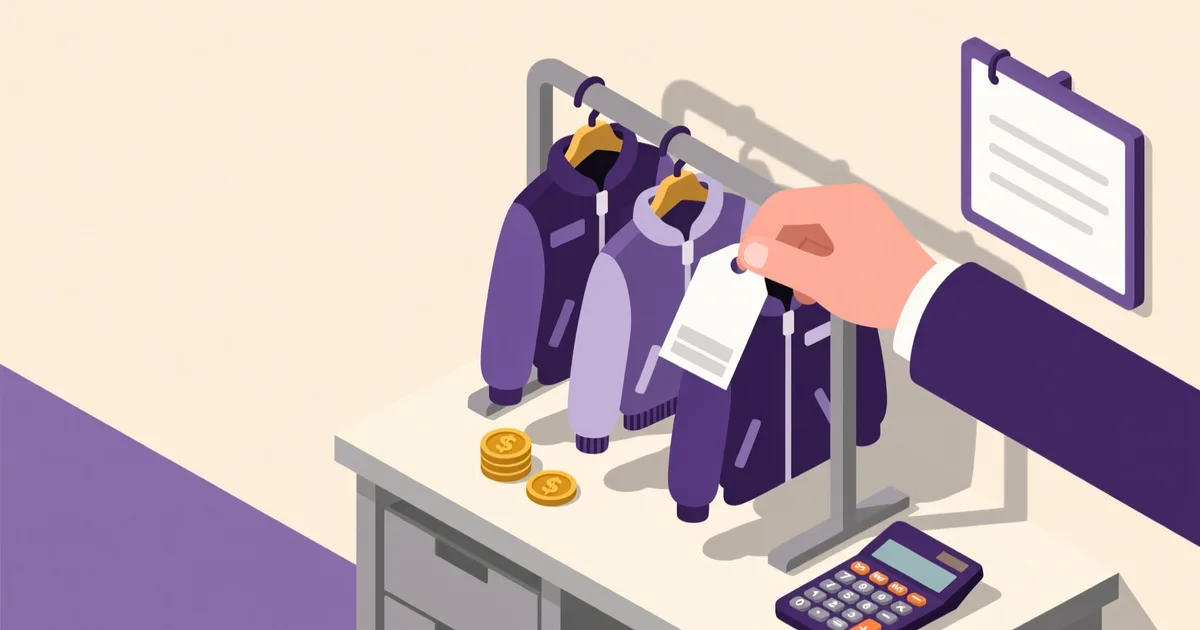
The price is built from the real market of active listings, not from the price paid in the store. Look for five to ten similar items in the same city and for the same age group, and note what amounts they're listed at. If you see many listings that are months old, it means the market price is too high and the items aren't selling.
As a reference, a piece worn a few times is usually listed at 30 to 50 percent of the store price. New items with the tag attached can stay at 60 to 70 percent. Pieces with visible wear but still functional start at 15 to 25 percent. These ranges are guidelines: the market in your city may look different, and the best verdict comes from the number of messages received in the first week. On EX & GO you can compare asking prices for similar pieces before you post, and after you add your listing you can see the history and reviews of buyers who message you. post a listing
Lots, sets, and bundles
Selling by lot is the fastest way to clear a full closet. A bundle of ten pieces in the same size at a single price attracts parents who have just moved up to the next size. The lot price is calculated at 60 to 70 percent of the sum of the pieces sold separately, and the buyer saves time and transport.
The listing that gets messages: photos, title, description
A good listing answers three questions in the first seconds: what it is, what size it is, and how much it costs. The title should contain the type of piece, the size, and the city. For example: "Baby bodysuit 6-9 months, cotton, Sector 3 Bucharest". A title like "Kids clothes" doesn't help anyone, neither the buyer nor you.
The photos that matter
Take photos in natural light, near a window, on a simple background, without a busy carpet and without scattered toys. Lay the piece flat on a bed or a clean table. The first photo shows the whole item, the second shows the size tag, the third shows any signs of wear, and the fourth shows the material up close. Four to six photos are enough.
Don't use filters that change the color, because you'll get questions and, sometimes, return requests. If you want to show a small stain, photograph it directly. Buyers appreciate honesty and respond faster to a listing that hides nothing.
The description, point by point
Write the size on the label, the recommended age, the brand, the material, the color, whether it was worn by one or more children, whether it comes from a home with pets or smokers, whether it has defects, and whether the price is fixed or negotiable. Add if you also offer other pieces in the same size, because many buyers are looking for complete sets.
Most often, listings that stall have one single problem: the size tag isn't visible in any photo. The buyer doesn't ask, they move on. Add a clear photo of the tag and you'll get messages the same day.
How to respond to buyers and how to filter scam attempts
Respond briefly and concretely: confirm availability, say in which neighborhood you can hand over, and propose two time slots. A three-line reply sent the same day closes most sales. Delaying your reply by two days loses the buyer, who usually messages several listings at once.
The signs that should stop you
A screenshot of a bank transfer is not proof of payment. Check the money in your banking app, not in your phone's photo gallery. A buyer who claims they've already paid and asks for urgent shipping, even though you haven't discussed courier, is trying to rush you. The same goes for someone asking for your card details, the code received by SMS, or access to your bank account.
Also beware of advance payment schemes for courier. If the person sends you a link to a page that looks like a courier website and asks you to enter your card details to "receive the money", it's a scam. Courier companies don't ask the seller for bank details to collect an amount from the buyer. Never pay to sell.
Always check the other person's history. On EX & GO, an account with a transaction history and visible reviews tells you more than any promise. second hand kids' clothes
Where and how to hand over safely

Choose a public, busy place in daylight: a mall entrance, a metro station, a 24-hour pharmacy, a supermarket parking lot. In Bucharest, a meeting at Unirii metro or Afi Cotroceni is convenient for both parties. In Cluj-Napoca, a central area like Piata Unirii works well. In Timisoara, Piata Victoriei or Iulius Mall are common options.
For large lots, set the meeting near your car so you don't carry bags across the whole city. Tell a close person where you're going and at what time. Don't invite the buyer home, even if the item is hard to transport. If the amount is large, choose an area with surveillance cameras and, if needed, ask someone to accompany you.
At handover, count the money on the spot, confirm the transfer in the banking app, and if you're using the platform, close the conversation after the transaction is complete. Don't hand over the goods based on a promise of later payment.
Selling kids' clothes: what to choose between quick sale, maximum price, and trade
Each option has a different cost in time and money. Choose based on how quickly you want to free up space and how much time you're willing to invest in conversations. The table below summarizes the practical differences.
| Criterion | Quick sale | Maximum price | Trade or trade-in |
|---|---|---|---|
| Time to close | 1 to 3 days | 2 to 6 weeks | 1 to 2 weeks |
| Price obtained | 40 to 60 percent of market price | 80 to 100 percent of market price | Similar value, no cash |
| Effort | Lot listing, one meeting | Separate listings, multiple meetings | Discussions about what you get in return |
| When it fits | You're moving the child to the next size | You have brand pieces, barely worn | You need the next size |
| Main risk | You get less than the real value | The listing sits for months and goes out of style | Value is hard to compare between pieces |
If you have dozens of pieces and limited space, selling by lot is the practical decision. If you have a few brand items in very good condition, it's worth listing them separately and waiting. Trading makes sense when both parents need different sizes and can check the goods at the meeting.
Checklist before posting
Go through the list below in order. It takes less than fifty minutes and considerably reduces useless messages.
- The clothes are washed, dried, and ironed if the material allows.
- You've checked zippers, buttons, elastic, and seams.
- You've measured the piece and noted the size on the label.
- You have four to six photos in natural light, including the tag.
- The title contains the type of piece, the size, and the city.
- The description mentions the brand, material, wear, and whether the price is negotiable.
- You've compared the price with at least five similar listings in your city.
- You've decided on the neighborhood and time slots for handover.
- You've read the platform rules before posting.
One last detail that everything depends on: reply to messages the same day. Selling kids' clothes is decided in the first hours after posting, when the listing appears at the top of the list. If you delay two days, the buyer has already bought from someone else.
Frequently asked questions about selling kids' clothes
Do I need a registered business to sell second hand kids' clothes?
No, if you sell occasional pieces from your own household. Selling between private individuals doesn't require registering a business. The situation changes if you buy stock specifically for resale, repeatedly and for profit, because then the activity becomes economic and has other obligations. For clarifications about your rights, you can consult the information on ANPC.
What price should I ask for kids' clothes worn a few times?
Start from similar listings in your city. For pieces worn a few times, the usual range is 30 to 50 percent of the retail price. New items with the tag attached can stay at 60 to 70 percent. If you get fewer than two messages in a week, the price is probably too high for the local market.
How do I recognize a scam attempt when selling online?
Common signs are a screenshot of a transfer that doesn't appear in your account, a request to ship urgently before payment confirmation, links to pages that imitate courier websites, and requests for card details or SMS codes. Never pay to sell, and don't hand over the goods without confirming the money in your banking app.
Where is it best to hand over the items?
In a public, busy place in daylight: a mall entrance, a metro station, a 24-hour pharmacy, or a supermarket parking lot. For large lots, choose a spot near your car. Tell a close person where you're going and at what time. Avoid inviting the buyer home, even if the item is hard to transport.
What documents are needed for a sale between private individuals?
For clothes, a written contract isn't needed. It helps to keep the platform conversation, which shows what you described and what was agreed. If you're selling a larger lot and want a written record, a simple message confirmation with the amount, date, and handover location is enough. For official documents, check the information on DRPCIV only if the transaction also involves a vehicle.
Can I sell kids' clothes by courier?
Yes, if both of you agree and payment is confirmed before shipping. Decide who pays for shipping, pack the items cleanly, and send the tracking number. Don't ship goods based on a screenshot. For small amounts, meeting in person remains the simplest and safest option.
How long does it take for a kids' clothes listing to sell?
It depends on price, season, and city. Lots at the right price sell within a few days, especially before kindergarten or school starts. Brand pieces listed separately at full price can wait a few weeks. If a listing sits for over a month without messages, adjust the price or add clearer photos.
What to do next
Choose a single strategy and stick to it for two weeks. If you're selling kids' clothes to free up space, post lots and accept a slightly lower price. If you have valuable pieces, list them separately and wait for the right buyer. In both cases, a complete listing with clear photos and a price anchored in the local market makes the difference between a sale in three days and a forgotten listing.
Start with ten pieces. Photograph them, write the descriptions, compare prices, and post. After the first week you'll know exactly what works in your city and what needs adjusting. Check the platform rules before posting to avoid your listing being rejected, and keep conversations on the platform until handover.