Selling a used car requires preparing your documents, setting a realistic price, and writing an honest listing. Buyers check vehicle history through official registers and expect a test drive. If you have your registration certificate ready, can provide service records, and price the car correctly, you’ll save time and avoid scammers.
A private car sale means taking full responsibility for communicating with the buyer. You don’t have a middleman to handle the paperwork or vet potential buyers. On the other hand, you set your own terms and avoid paying dealership commissions. The entire process starts with setting a price and ends with transferring ownership at the transport department. In between, you’ll be taking photos, writing descriptions, answering messages, and scheduling viewings. Every step has its rules. We’ve put together the exact process used by people selling cars through classifieds in major cities and smaller towns alike. Follow it, and you’ll avoid complications when handing over the keys.
- Set your price by comparing three to five identical models in your region.
- Prepare the vehicle registration certificate, the records check report, and two copies of the purchase agreement.
- Publish a listing with an honest description of any flaws and sharp, clear photos.
- Only allow a test drive after verifying the buyer’s identity.
How to set a price when you want to sell a used car
The price of a used car depends on mileage, equipment, bodywork condition, and regional demand. The same model might cost something completely different in one city compared to another. Start by searching for comparable offers in your area. Open classified platforms and filter by your county or region. Look for cars with the same engine, year of manufacture, and similar mileage. Write down five prices and calculate the average. This average represents the upper limit of what you can realistically expect.
If you’re in a hurry and need the money within a week, drop the price ten to fifteen percent below that average. Buyers monitor the market closely and know a bargain when they see one. An inflated asking price will scare off interest before the phone even rings. We regularly see listings with unrealistically high prices sitting in catalogs for months without a single message from a buyer. We observe this daily while managing offers on the EX & GO platform, where users can verify a seller’s history and read reviews from others. You can find the rules for posting offers on the /cs/rules page.
Where to find the market value
Don’t rely on new car price lists or your original purchase invoice. Market value drops every year. Base your expectations on current private listings, not on large dealerships that build their profit margins into the asking price.
Which documents to prepare to sell a used car
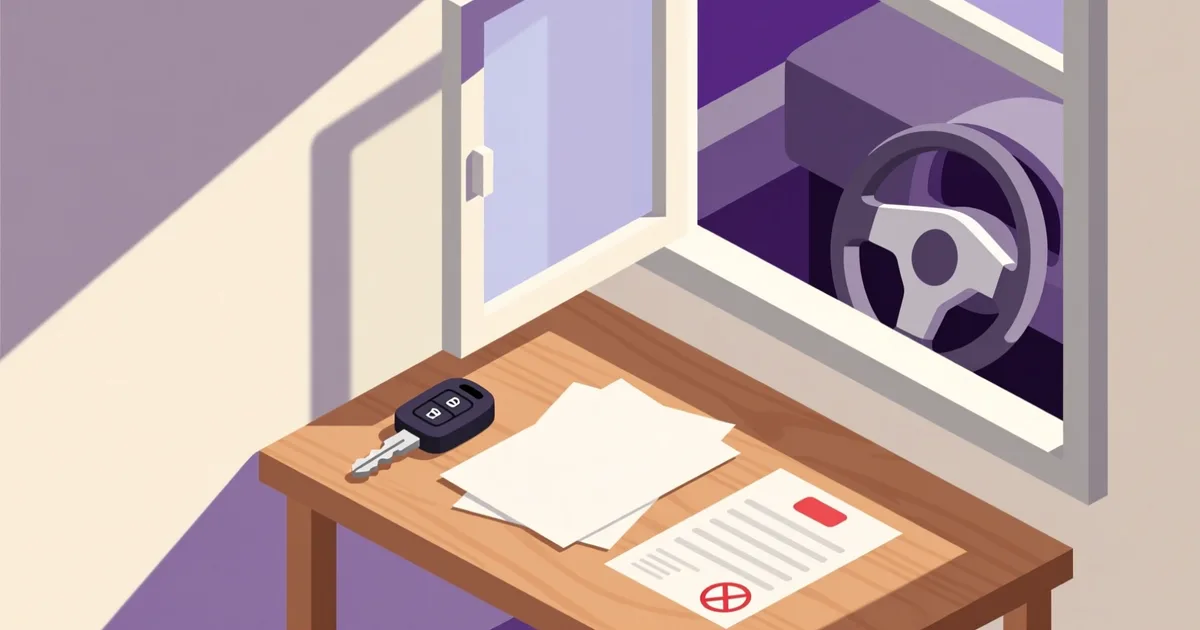
To complete a successful sale, you need the vehicle registration certificate, a valid records check, two copies of the purchase agreement, and a handover protocol. Without these documents, the office won’t process the transfer. Preparation takes just one day if you have everything organized.
You complete the records check at an inspection station. The technician verifies the VIN, emissions, and whether the data matches the registration certificate. The result is a green protocol, which must not be older than ten days when submitting the transfer application. Details on operator obligations are provided by the Ministry of Transport of the Czech Republic.
Download the purchase agreement from a verified template. It must include the names, personal identification numbers, and addresses of both parties, an exact description of the vehicle including the VIN, the sale price, and the date of signature. Both parties sign two identical copies. One stays with you, the other goes to the buyer.
The handover protocol records the odometer reading, the number of keys handed over, visible defects, and the date of takeover. It protects you against claims that you delivered the car with a different mileage or hidden damage.
Transferring liability insurance
Insurance doesn’t automatically transfer to the new owner. After signing the contract, contact your insurer and request termination as of the sale date. Provide a copy of the purchase agreement. The insurer will refund any overpayment to your account.
How to write a listing and photograph the car to attract buyers
A good listing contains a truthful description, a complete list of features, and photos taken in daylight. Buyers ignore texts full of exclamation marks and blurry images. Your goal is to provide all the information they need so they don’t have to call you to ask.
Shoot outdoors, ideally in the morning or late afternoon. Avoid direct sunlight, which creates harsh shadows. Take shots from every corner, side profiles, close-ups of the wheels, the interior, the dashboard, and the trunk. If the fender has a scratch, photograph it up close. A hidden defect discovered during a viewing destroys trust instantly.
In the text, state the year of manufacture, engine type, transmission, actual mileage, and the date of the last service. Mention whether the car comes with winter tires and when the technical inspection expires. Don’t use empty phrases like "top condition" or "must see." Stick to the facts. Mention the city or neighborhood where the car is located. A buyer won’t travel across the country for an initial viewing if they don’t know the exact location. Also state your preferred method of contact and the hours when you typically reply to messages.
What to disclose directly in the text
If the car has a replaced engine, repaired accident damage, or is missing a second key, say so. The law protects buyers against concealed defects. Honesty saves time for both parties and reduces the risk of post-sale disputes.
How to protect yourself from scammers when selling a used car
Scammers target private sellers who lack experience with secure payments. The most common trick involves fake payment confirmations or pressure to send a deposit upfront. Never hand over the car or the documents until the money is securely in your account.
During in-person meetings, ask to see the buyer’s ID. Compare the name with the person who contacted you. If a potential buyer refuses to show identification, end the meeting. A serious buyer will understand your caution.
During a test drive, always sit in the passenger seat, and take your house keys and mobile phone with you. Never let a potential buyer drive alone, even if they claim they’re just turning around in the parking lot.
Be wary of offers from abroad where the buyer promises to send a courier for the car and pay through an unfamiliar service. These scenarios always end with the loss of your vehicle. Accept payments via bank transfer or cash at a bank counter, where the bills can be verified. Information on consumer protection and procedures for suspected fraud can be found on the website of the Czech Trade Inspection Authority. If you encounter transaction issues, you can contact platform support via the link /cs/support.
A safe test drive
Plan the route in advance. Choose roads with varying surfaces, but avoid highways where pulling over would be difficult. Before starting the engine, ask for the buyer’s driver’s license and take a photo of it.
How does the vehicle transfer work at the transport department?
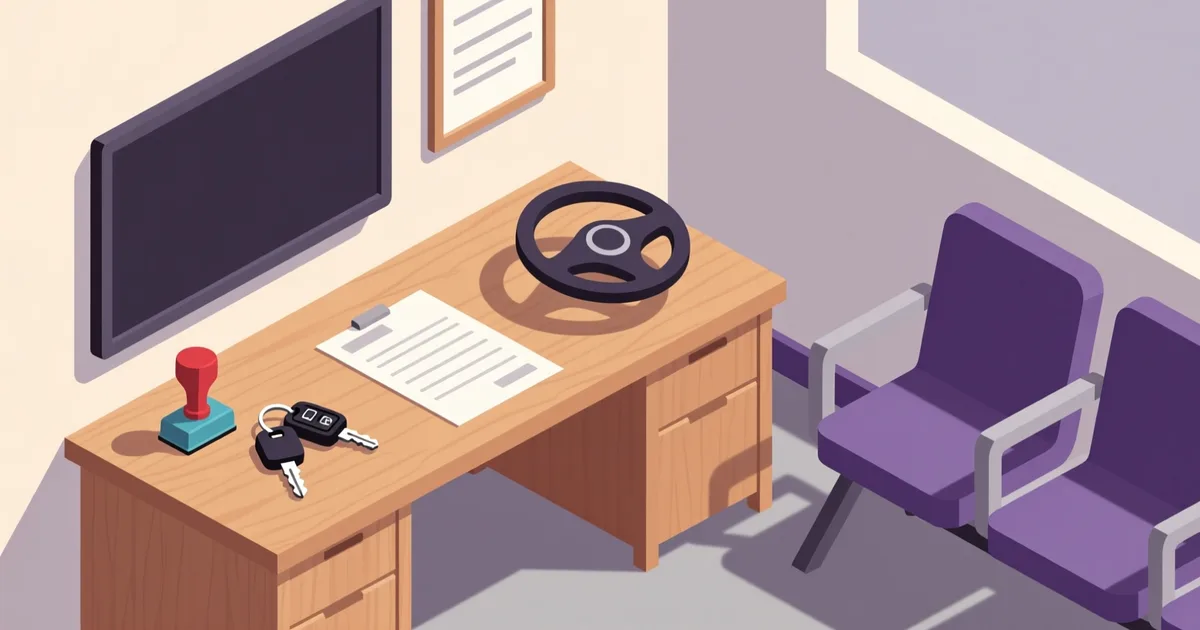
The new owner handles the used car transfer at the municipal office with extended powers. The seller provides them with the completed registration application, the purchase agreement, the records check protocol, and the vehicle registration certificate. The whole process usually takes just one visit.
The new owner needs valid liability insurance registered in their name. Without a green card, the office won’t record the change. The transfer fee is eight hundred crowns. If you’re selling to a company, the procedure differs slightly and requires an extract from the commercial register.
As the seller, you are obligated to report the change of ownership within ten working days if the buyer fails to do so. You fulfill this reporting duty by submitting a written notice to the same office. Always get a receipt confirming your submission.
Until the transfer is complete, the car remains registered in your name. You’ll keep receiving speeding tickets from traffic cameras and could be held liable for damages caused by the new driver. That’s why you should insist on a quick transfer or include a deadline in the contract for providing proof of the transfer.
What to consider before deciding to sell a used car privately?
Choosing between a private sale, a dealer trade-in, and consignment depends on how quickly you need the money and how much effort you’re willing to invest. Each path carries different costs and risks. You’ll find an overview in the table below.
| Criteria | Private sale | Dealer trade-in | Consignment sale |
|---|---|---|---|
| Speed of sale | Weeks to months | Within two days | Months |
| Achieved price | Highest possible | Lowest | Average |
| Paperwork | You handle everything | Dealer handles everything | Shared responsibility |
| Risk of fraud | Falls on you | Minimal | Borne by the dealer |
| Fees | Free or low | None | Sales commission |
A private sale requires time for communication. If you work shifts or live outside a major city, scheduling viewings can be tricky. To publish your listing, use post a listing, where you can reach buyers directly in your district. A dealer will offer less money, but they’ll spare you the hassle of paperwork.
A consignment sale means the car physically sits on the dealer’s lot, but you remain the owner until it sells. The dealer deducts a commission, usually ten to fifteen percent. Consider whether the higher price justifies this cut. To compare offers, browse used cars and see what similar vehicles are actually listed for.
What not to forget before publishing your listing?
Before clicking the publish button, run through a short checklist. This ensures you have everything ready and won’t have to delete and recreate the listing later.
- Wash the car inside and out, and vacuum the floor mats.
- Check that all photos are sharp and free of foreign license plates in the background.
- Cross-check the VIN in your text against the registration certificate.
- Prepare a folder with documents for potential buyers during viewings.
- Turn on notifications for new messages so you can respond within a few hours.
Frequently asked questions about selling a used car
Do I need a valid vehicle inspection to sell my car?
The inspection doesn’t have to be valid on the day you sign the contract, but the buyer will need it to transfer ownership at the registration office. If it has expired, you must pass a records check to verify that the vehicle matches its documents. Cars without a valid inspection have a lower market value because the new owner will have to cover any repair costs required to pass one.
What should I do if the buyer refuses to sign the purchase agreement?
End the negotiation immediately. A purchase agreement is the core legal document protecting both parties. Without it, you can’t prove you handed over the vehicle, and the authorities won’t process the transfer. Insist on signing two copies before handing over the keys. No verbal agreement can replace a written record with signatures and a date.
Can I sell a car if the owner is subject to enforcement proceedings?
A vehicle burdened by enforcement proceedings cannot be legally transferred to a new owner. The bailiff will block the transfer in the vehicle register. Before selling, check your status in the central register of executions. If there is an active enforcement order, you must first settle the debt or reach an agreement with the bailiff to release the asset.
How long does the ownership transfer take at the transport department?
If the new owner has all the required documents, including valid liability insurance and the records check protocol, the office will process the transfer during a single visit. The actual counter processing takes about thirty minutes. The buyer receives the new registration certificate on the spot, or the office mails it within a few days.
I’m selling a car as a private individual-do I have to pay tax?
Income from selling a personal car used for private purposes is exempt from income tax if you owned it for at least one year. For vehicles included in a sole trader’s business assets, the income is taxed as regular business revenue. Consult your accountant for your specific situation.
A step-by-step process for selling a used car safely
Selling a used car requires a systematic approach from the moment you first consider it to the final signature at the office. Start by researching local prices and organizing your documents. Photographing the car in good lighting and writing an honest description will make your listing stand out from hundreds of others. When communicating with buyers, stay factual and insist on safe handover conditions.
Don’t underestimate the transfer phase. As long as the vehicle remains in your name, you are responsible for it. Use available advertising tools, compare offers, and never let anyone pressure you into unfavorable terms. A private sale gives you control over the price and the choice of buyer, provided you follow these steps and act with caution.