Buying a used car requires preparation, a thorough vehicle inspection, and choosing the right seller. Buyers must verify the technical condition of the bodywork and engine, check the vehicle's legal history, and compare market prices. Following the right steps during the inspection and price negotiation will protect you from hidden defects and unnecessary expenses.
Hundreds of thousands of used vehicles are sold in the Czech Republic every year. Prague, Brno, Ostrava, and Pilsen offer the widest selection of classified ads from both private sellers and dealerships. Every buyer is looking for a reliable car at a reasonable price, but the used car market hides many pitfalls-from rolled-back odometers and hidden crash damage to unresolved ownership issues. This guide will walk you through the entire process step by step. We'll focus on practical tips you can use directly during your inspection. You'll learn where to look for offers, how to read ad specifications, and what factors should drive your decision. We'll also explain the vehicle transfer process at the registry and the associated costs.
- Before the inspection, prepare a checklist and verify the vehicle's history using its VIN.
- During the inspection, thoroughly check the bodywork, engine bay, and electronics, and always take a test drive.
- Compare offers from private sellers and dealers, and keep an eye on seller ratings on classified platforms.
- You can complete the vehicle transfer at the registry within a few days; just remember to factor in the fee for the evidence inspection.
Where to buy a used car and how to filter listings?
The search for a used car begins on classified portals, at authorized dealers, or in smaller used car lots. Each channel has its own specifics regarding price, warranty, and transparency. Private ads often offer lower prices, while dealers provide greater legal certainty.
Most buyers today browse offers on their mobile phones. Filters by city, district, or desired category save time. You can set a ten-kilometer radius around your home to display only relevant results.
Various types of sales locations operate on the market. Large lots in Prague or Brno keep hundreds of cars in stock. Smaller sellers in Ostrava or Pilsen offer a narrower selection but often provide a more personal approach. It's important to track the seller's history and reviews from previous customers.
We've noticed that buyers on classified platforms most frequently filter offers by price, mileage, and year of manufacture. On the EX & GO platform, you can view a seller's history and read reviews from other users before you even contact them. Rules for posting ads and platform conduct can be found on the /cs/rules page.
Private sellers, dealers, and online marketplaces
Choosing between a private individual and a professional dealer affects the entire purchasing process. The following table summarizes the main differences you should keep in mind when you want to buy a used car safely.
| Criteria | Private Seller | Dealership | Classifieds with Reviews |
|---|---|---|---|
| Vehicle Price | Generally lower | Higher margins | Depends on the advertiser |
| Defect Warranty | Limited by the Civil Code | Statutory warranty often offered | Depends on the specific seller |
| History Transparency | Depends on the owner's honesty | Declared, but must be verified | Visible profile rating |
| Negotiation Room | High | Lower | Individual |
When buying from a private seller, you pay less but take on more risk. A dealership will offer you a car ready for sale, but with a markup. Online marketplaces combine the advantages of both approaches, provided you take the time to verify the seller's profile.
What to check before you decide to buy a used car?
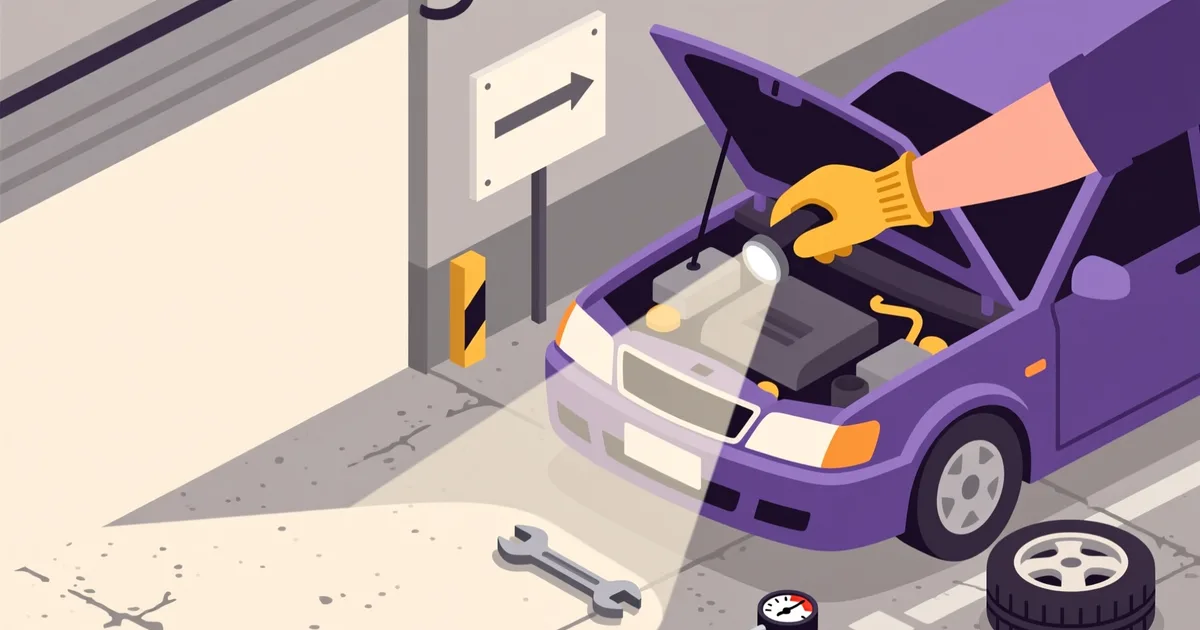
Before signing the purchase agreement, you must physically inspect the vehicle's technical condition and verify its legal history. Without this check, you risk buying a car with hidden accident damage, a tampered odometer, or outstanding debts. The inspection should take at least an hour.
Prepare a flashlight, a magnet to detect body filler, and a paint thickness gauge if you have one. Bring along someone who knows their way around cars. Four eyes see more than two, especially when it comes to minor irregularities in the sheet metal.
Bodywork, engine, and electronics
Go over the bodywork systematically, from the roof down to the sills. Look for color shade differences between individual panels. Uneven gaps between doors and fenders indicate previous repairs. Check the wheel arches for signs of corrosion.
Open the hood and inspect the engine bay. Look for oil or coolant leaks. Check the condition of the timing belt and the date of its last replacement. If the seller doesn't have service records, proceed with caution.
Electronics require testing all systems. Turn on the air conditioning, try all windows, locks, and lights. Connect a diagnostic tool to the OBD port and read the error codes. These will reveal problems that the onboard computer doesn't show at first glance.
Test drive and chassis behavior
A test drive is essential. Start the cold engine and listen for knocking or rattling. While driving, watch out for the car pulling to one side. Test the brakes at various speeds.
Drive over a speed bump and listen to the chassis. Clunks or squeaks suggest worn bushings or steering joints. Test the gearbox when shifting up and down. Shifting must be smooth without grinding.
Always check the manufacturing tags on the seatbelts during your inspection. If the production date of the belts differs from the vehicle's manufacturing date, it means they were replaced. This is often a strong indicator of a serious traffic accident that the seller is trying to hide.
How to find out the true history and legal status of a vehicle?
A vehicle's history is verified using the Vehicle Identification Number (VIN) and registry searches. The ad alone is not enough. You need to confirm the number of previous owners, the actual mileage, and the absence of liens or enforcement orders.
You can find the VIN at the bottom of the windshield, on a sticker inside the door frame, or stamped into the bodywork. Enter this number into available databases. This will tell you if the car was registered abroad or if it appears in the stolen vehicle database.
Verify the legal status in the Central Register of Vehicles. Information on vehicle operation is managed by the Ministry of Transport. Here you can find out if there are any debts attached to the car. Buying a vehicle burdened by an enforcement order could lead to its seizure.
Always ask for the service book or repair invoices. A regularly serviced car with verifiable history poses less risk. Missing documents should reduce your willingness to pay the asking price.
How does the vehicle transfer work and how much does it cost?
The vehicle transfer is carried out at the transport department of a municipal office with extended powers. The seller and buyer can come together, or the buyer can use a power of attorney. The entire process requires filling out an application and submitting the necessary documents.
You will need a valid ID card, a green insurance card, an evidence inspection protocol, and the original vehicle registration document. The evidence inspection is performed at an MOT station and costs a few hundred CZK. Without it, the office will not process the transfer.
The fee for recording the change of ownership is standardly eight hundred CZK. If the vehicle is older and doesn't meet certain emission standards, an additional ecological tax may apply. The transfer usually takes just one visit to the office, provided all your documents are in order.
You must arrange insurance before driving the car away. The seller's original insurance expires upon sale. Take out a new insurance policy in your name and bring the confirmation with you to the office. Driving without valid third-party liability insurance is illegal.
How to determine the price and negotiate when buying a used car?
The price of a used car depends on its age, mileage, equipment, and overall condition. Before negotiating, research the average market prices for the given model. Monitor offers in your area and compare similarly equipped examples.
Cheaper cars are tempting, but they often hide high costs for imminent repairs. When looking for cheaper options, focus on models with readily available spare parts. Older generations of common European cars are significantly cheaper to maintain than luxury brands.
When negotiating, use the facts you discovered during the inspection. If you found rust on the sills or worn brake pads, calculate the repair costs. Propose deducting this amount from the asking price. Sellers respect buyers who argue based on specific faults.
Never pay a deposit in advance to an unknown person's account. Hand over the money only when signing the contract and receiving the keys. The contract must contain an exact description of the vehicle, the VIN, an agreement regarding the odometer reading, and any known defects. If you're unsure about the wording, have the contract reviewed by a professional. Consumer rights during purchases are governed by the Civil Code, and market supervision is carried out by the Czech Trade Inspection Authority.
See also: used cars, used cars in Prague.
What do people most often ask before deciding to buy a used car?
How can I tell if a car has a rolled-back odometer?
You can spot a clocked odometer by comparing data from the service book, MOT certificates, and vehicle history databases. Check the wear on the steering wheel, pedals, and gear stick. If a car is advertised with 50,000 kilometers but the steering wheel is completely worn smooth, the numbers don't add up. Diagnostics via the OBD port can read the actual mileage stored in other control units.
Does the seller have to be present for the vehicle transfer?
The seller's presence isn't mandatory if they provide you with an officially certified power of attorney. With this document and a complete set of paperwork, you can handle the registration transfer yourself. Both parties must have valid ID. The transfer can be completed at any municipal office with extended powers across the country.
What should I do if a hidden defect appears after purchase?
When buying from a dealer, you have the right to claim for hidden defects under warranty. In a private sale, the seller is liable for defects that existed at the time of handover, though proving it is more complicated. You must report the defect without undue delay. If the seller refuses to resolve the issue, contact a consumer advice center or use alternative dispute resolution.
What documents do I need to successfully transfer ownership?
To transfer ownership, you need a valid ID card, the large technical certificate (vehicle registration document), the small registration certificate, a valid green insurance card, and the evidence inspection protocol. A purchase or donation contract is also required. If you are taking over the vehicle based on a power of attorney, the signatures must be officially verified. Keep all original documents safe.
Is it better to buy a used car from a private seller or a dealership?
It depends on your experience and budget. Private sellers usually offer lower prices but less legal protection. Dealerships provide statutory warranties and inspected vehicles, albeit at a higher markup. Classified platforms with seller ratings offer a middle ground, allowing you to verify the counterparty's reliability before even meeting them.
How much does the evidence inspection cost and how long does it take?
An evidence inspection at an MOT station usually costs a few hundred CZK and takes about thirty minutes. The technician checks whether the vehicle's identification details match the documents. It is not a regular roadworthiness test, but a one-time procedure required to change the owner in the registry. You will receive the result as a protocol, which you submit to the office.
The decision to buy a used car requires patience and a systematic approach. Don't rush the inspection and don't let anyone pressure you into signing immediately. A well-prepared checklist will help you uncover flaws that might otherwise remain hidden. Use available tools to verify the vehicle's history and monitor seller reviews on classified platforms. Comparing offers in Prague, Brno, Ostrava, and Pilsen will give you a realistic overview of current prices. A carefully drafted contract and a properly executed transfer at the vehicle registry wrap up the entire process. Following these steps reduces the risk of problems and increases your chances of getting a reliable car worth what you paid for it.