To check a used car in Poland, ask the seller for the VIN, the registration document and the service history before you meet. Then inspect the car in daylight with a phone checklist and a short test drive. Match the VIN on the car, the documents and the listing. Pay only after the paperwork is signed and you have the keys.
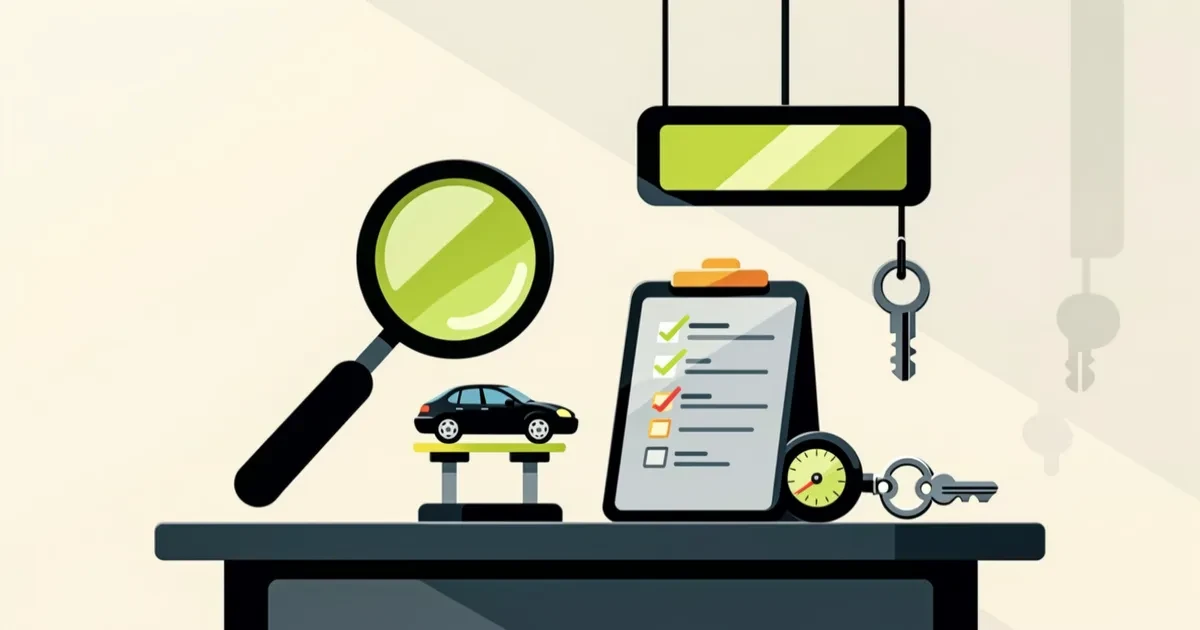
Most private car sales in Poland happen face to face: a listing on a marketplace or a classifieds site, a phone call, a meeting in a car park or under a block of flats, cash or a bank transfer. That format works, but it leaves the checking to you. Nobody inspects the car for you, and a listing photo taken in summer tells you little about a car parked on a Polish street through five winters. The checklist below runs in the order you will use it: questions before the meeting, documents to request, a viewing you can follow on a phone, hidden defects worth knowing about, and how to close the deal. Where official rules matter, check the official source rather than a forum post.
What should you ask the seller before the meeting?
Ask five things in writing before you travel: the VIN, the number of owners, the service history, the reason for selling and whether the car has been in a collision. A seller who answers these by message, with photos of documents, saves you a wasted trip across the city. Vague answers are information too. Request the VIN first and check that the same number appears in the listing and in the registration document.
Ask for the current mileage and the mileage on the last service entry. A gap of tens of thousands of kilometres between the two deserves a question. Ask where the car is serviced and whether invoices exist, not just stamps in a booklet.
Also ask about the tyre set: summer and winter tyres, and whether both come with the car. In Poland that is a real cost, and a seller who cannot say which tyres are fitted has probably not looked at them recently.
Write your questions as a short message and keep the reply. If the answers change between the message and the meeting, treat that as a reason to slow down rather than a reason to argue.
Which documents and proof should you request?
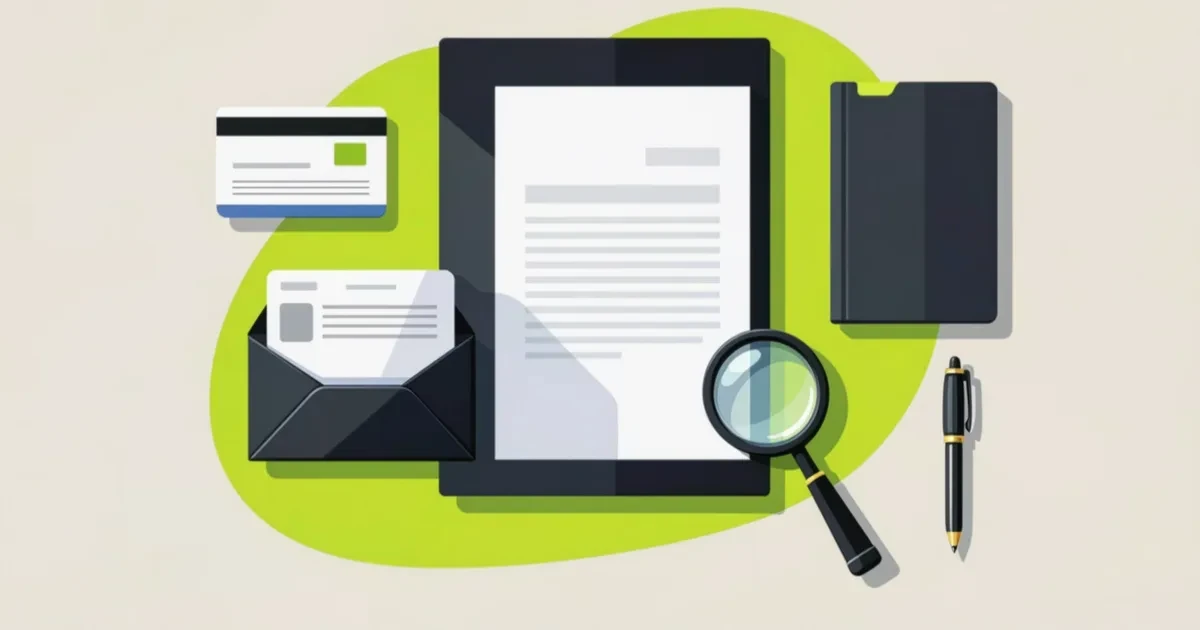
Before any money moves, ask to see the registration document, the seller's ID, the service records and any invoices for recent repairs. The name on the document should match the person in front of you. If it does not, ask who the seller is acting for and get that in writing. For the official side of a Polish car purchase, including what the registration document must contain and how the transfer is recorded, check the current rules at gov.pl. Consumer guidance from UOKiK is worth reading if you are buying from a business rather than a private person, because the two situations differ.
Keep a photo of every document you are shown, including the VIN plate and the odometer. Photos taken at the meeting are the cheapest record you will have if something turns out to be wrong later.
What to check at the viewing: a phone checklist
Work through this list in order at the car, in daylight, with the engine cold when you arrive. Cold matters: a warm engine hides starting problems and some noises. If the seller has already warmed it up, note that and check again after the test drive.
- Walk around the car and look along each panel from a low angle for colour differences, uneven gaps and overspray on rubber seals.
- Open and close every door, the boot and the bonnet. Listen for a dull thud versus a tinny rattle.
- Check the VIN plate and the stamped VIN, then compare both with the registration document and the listing.
- Look at the tyre tread depth and the date code on each tyre. Mismatched brands on one axle suggest a replaced wheel.
- Sit inside, turn the key to the first position and confirm every warning light comes on, then goes out after starting.
- Switch on the air conditioning, the heater, all windows, the mirrors and every light, including the hazards and the rear fog light.
- Press the brake pedal and hold it. It should feel firm, not sink slowly toward the floor.
- Check the oil, coolant and brake fluid levels and the colour of the oil on the dipstick.
- Look under the car for fresh drips, rust on the sills and damage to the underbody covers.
- Take a test drive of at least fifteen minutes, including a stretch of rough road and a stop on a slope.
During the drive, listen for knocking over bumps, vibration through the steering wheel at speed and any hesitation under acceleration. Test the brakes properly once the road is clear. After the drive, look under the car again while it is still warm.
Common hidden defects and how to spot them
Most expensive surprises on a used car are not visible in photos: rust under the sills, a slipping clutch, a failing turbo or a repaired collision. Each leaves a trace you can find at the viewing with your eyes, your ears and a torch.
| What to check | How to check it | What a problem looks like |
|---|---|---|
| Body and paint | Look along panels in daylight, check gaps and seals | Colour mismatch, overspray on rubber, uneven panel gaps |
| Rust | Feel the inner sills and the wheel arches with your fingers | Soft or crumbly metal, fresh underseal over rough patches |
| Mileage | Compare the odometer with service records and the VIN | Worn pedal rubbers and a low odometer reading |
| Engine | Start from cold, listen, check oil and coolant | Blue or white smoke, milky oil, rattles on start |
| Gearbox and clutch | Test every gear, including reverse, and pull away on a slope | Crunching, a high bite point, slipping under load |
| Suspension | Drive over rough road and listen | Knocking, a car that wanders or sits unevenly |
| Electronics | Switch on every function one by one | Warning lights that stay on, dead windows or sensors |
| Tyres | Read the date code and measure tread | Old rubber, uneven wear, mismatched pairs |
A car that has spent years on a Polish street will show some surface rust. The question is whether it is surface or structural. If you cannot tell, a paid inspection at a workshop is cheaper than a repair.
How do you close the deal safely?

Close the deal in one sitting: agree the price, write a short sale agreement with both names, the VIN, the mileage, the date and the amount, then exchange money and keys. Do the payment in a way you can prove, such as a bank transfer with a clear title, rather than cash handed over in a car park. Count the keys, the documents and the tyre set before the seller leaves. Photograph the signed agreement and the odometer on the day. If the seller asks for a deposit before you have seen the car, decline politely; a deposit paid by transfer to a stranger is hard to recover.
Listings on EX & GO are moderated, but moderation is not a guarantee of identity, ownership, condition or transaction safety. Direct deals are arranged between the parties, and any optional Safe Deal applies only to eligible listings under its own payment terms. Check the current posting rules and terms before you rely on any feature.
Where a complaint goes depends on who sold you the car. For a business seller, the platform's support channel and the official guidance above are the places to start. For a private seller, the signed agreement and your photos are what you have, which is why they are worth taking.
How to compare prices and spot a listing that is too good
Compare at least five similar cars of the same model, year and rough mileage in your area before you agree a price. A listing far below the local range usually means a hidden problem, a different specification or a seller who is not the owner. Ask which it is. On EX & GO you can search by city, radius and category to see what comparable cars cost near you, and contact sellers through in-site messaging before you travel. used cars
Phone verification requirements depend on configuration and available verification channels, so do not assume every seller or phone number is verified. Treat verification as one signal among several, not as a substitute for checking the car. used cars in Warsaw
Your next step: pick one car from your shortlist, send the five questions from the first section, and book the viewing for a morning so the engine is cold when you arrive.
Frequently asked questions
How do I check a used car before buying it in Poland?
Ask for the VIN, registration document and service history first, then inspect the car in daylight with the engine cold. Follow a fixed checklist: panels, VIN, tyres, fluids, every switch and a fifteen minute test drive. Compare the price with several similar cars nearby. If anything is unclear, pay for an inspection at a workshop before you hand over money.
What should I check before the deal is finalised?
Confirm that the name on the registration document matches the seller, that the VIN on the car matches the document and the listing, and that the mileage on the odometer matches the service records. Read the sale agreement before signing it. Pay by bank transfer with a clear title so you have a record. Take photos of the documents, the odometer and the signed agreement on the day.
How can I buy a used car in Poland safely?
Meet in daylight, bring a checklist on your phone and do not rush the viewing. Keep the conversation in writing before the meeting so answers are on record. Check official sources for the paperwork side rather than relying on forum advice. On marketplaces such as EX & GO, remember that moderation does not guarantee the car's condition, and arrange payment only once the documents are signed.