To buy second-hand toys in Bulgaria, search listings from the city where you live, compare the photos with the description, and arrange an in-person inspection before you pay. The lowest prices come from private sellers in Sofia, Plovdiv, Varna, Burgas, and Ruse, but that is exactly where checking the condition matters most.
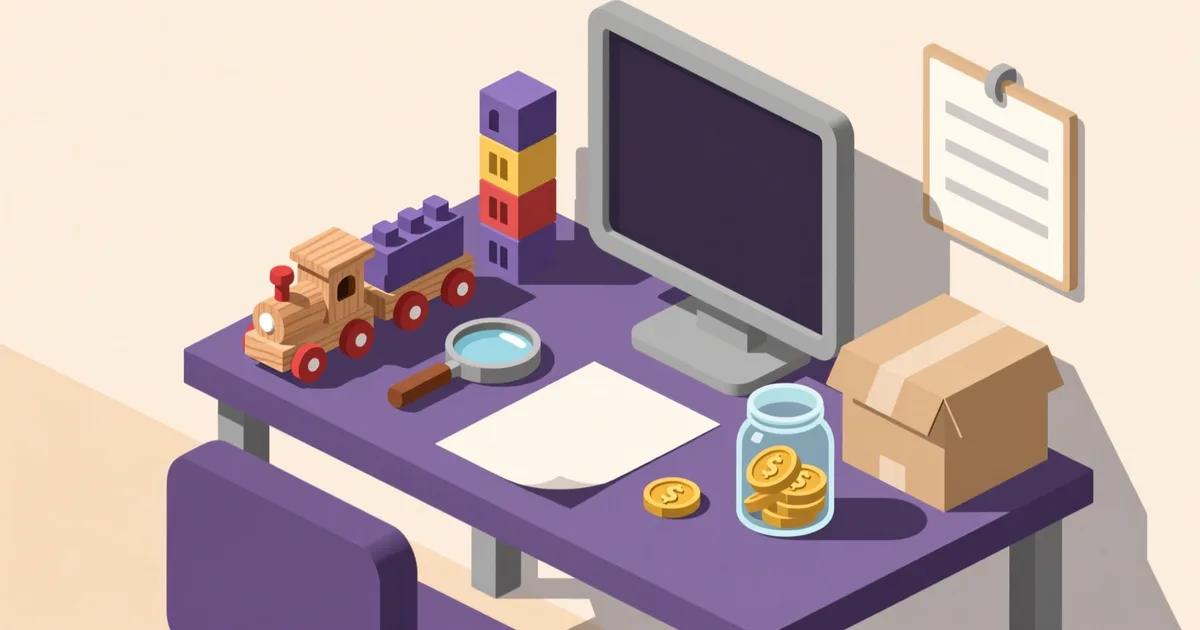
The market for second-hand children's goods in the country is large and scattered. Some of it goes through specialized second-hand stores, some through neighborhood listings, and some through social media groups. For a parent on a tight budget, the difference between 20 and 90 leva for the same building set is real, but it comes at a cost: you need to spend time inspecting, ask the right questions, and recognize when a listing is not what it seems. This text is a practical guide for the buyer who is reading on their phone and wants a checklist to use at the meeting.
- Search listings from your city or neighborhood so you can see the item in person instead of relying on a courier.
- Compare at least three listings for the same model before deciding what price is normal.
- Never pay a deposit to an unknown seller without an inspection and without a payment record.
- Bring a small checklist: missing parts, broken edges, batteries, certification marking.
Where to Buy Second-Hand Toys in Bulgaria
The largest supply is in online listings, where private sellers post photos, price, and city. Listings platforms let you filter by city, by district, and by category, so you only see what is within a few kilometers of you. For a parent in Sofia, that means listings from Lyulin, Mladost, and Studentski Grad in one list, not a page of offers from the whole country.
The second option is second-hand children's goods stores. There, the item has been inspected and is often cleaned, but prices are higher than from a private seller. The third is social media groups and neighborhood flea markets, where the deal is arranged verbally and there is almost no seller history.
If you are looking for a specific model, listings are more useful than groups because you can compare several offers at once and see which seller is active. In the EX & GO children's goods category, listings from private individuals and small stores are collected, and the city and district filter cuts down travel to the inspection. second-hand toys
How to Read a Listing Before You Call
A good listing answers five questions: what exactly is for sale, how old it is, whether there are missing parts, which city it is from, and why it is being sold. If any of these is missing, ask in a message before you set out. A seller who answers briefly and clearly is usually real.
Photos say more than text. Ask for a close-up photo of the item, not just a wide shot. If you see the same photo in several listings from different cities, that is a sign of fraud. Blurry or dark photos where the edges of the toy are not visible also deserve suspicion.
Prices: What Is Normal to Pay
The price depends on three things: the original value, the condition, and whether the set is complete. A complete set from a popular building block brand or a wooden puzzle usually sells for between one-third and half of the store price. A missing part drops the value sharply, because the child will notice the gap on the very first day.
Cheap listings are not always a bargain. If the price is below one-quarter of the new price, ask why. Sometimes the reason is simply clearing out a closet, sometimes it is hidden damage. Compare at least three listings for the same model before judging whether the asking amount is reasonable. second-hand toys in Sofia
How to Recognize a Scam When Buying Second-Hand Toys
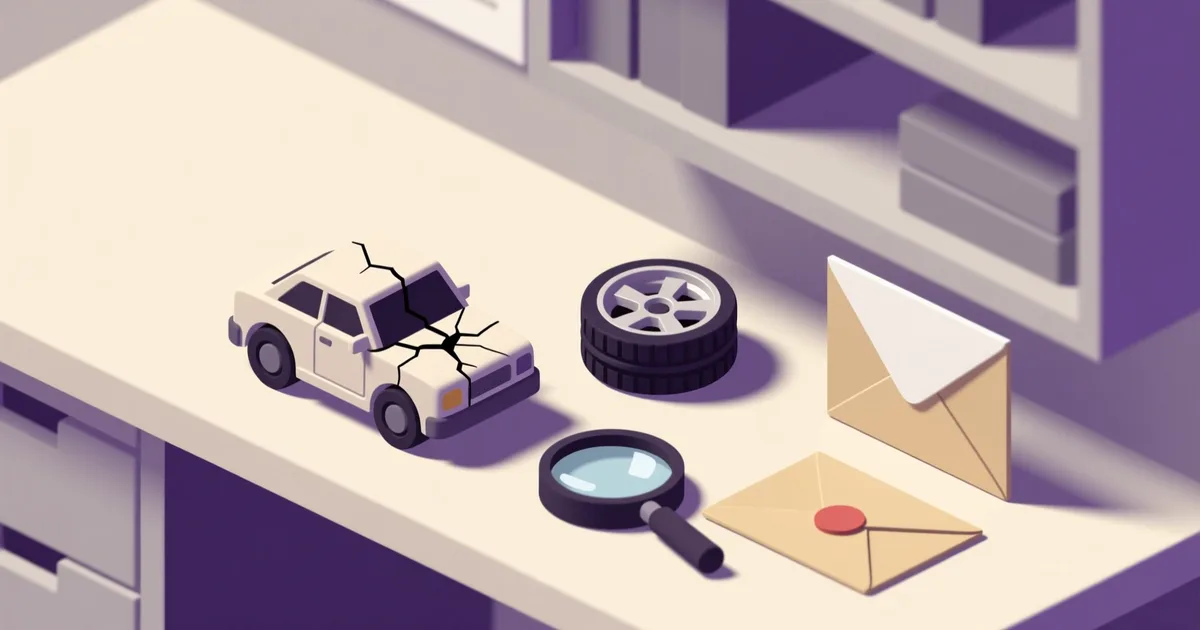
Scams with children's goods are rarely complicated. The most common scenario is a request for a deposit by bank transfer before you have seen the item, after which the seller stops responding. The second is a courier scheme where the "package" turns out to be an empty box or a completely different item.
The third sign is photos taken from the internet. Do a quick image check and if the same photo appears on another website or in a listing from another city, end the conversation. Ask for a photo of the toy next to an item with today's newspaper or next to a hand, so it is clear it was taken now.
Also check the seller's profile. How long has it been active, are there other listings, are there reviews from previous transactions. A new registration with a single listing and pressure for quick payment is a combination that should stop you. If you pay by bank transfer, keep the payment order. In case of fraud, a report to the police is filed by calling 112 or at the nearest district office, and the platform's safe transaction rules are described at /bg/rules.
The rule that saves the most money and nerves: pay only after you have held the toy in your hand. There are no exceptions, no matter how convincing the seller is.
On-Site Inspection Checklist
The inspection takes ten minutes if you know what you are looking for. Do it in daylight, not on a dark staircase, and do not rush, even if the seller is in a hurry.
Condition Checks
Look at all edges and corners for cracks, especially on plastic and wooden toys. Press the moving parts: wheels, handles, buttons. If there are batteries, ask to put them in and see whether the device works. For electronic toys, check whether the sound is distorted and whether the buttons respond.
Count the parts if the set has a specific number of elements. A missing part is not fatal if the child will not notice it, but it is a reason to lower the price. For toys for the youngest children, check whether there are any loose small elements that could come off.
Safety Checks
Look for the CE marking and the age group designation. On old toys imported years ago, the marking may be missing or illegible. If it is missing, assess the risk according to the child's age. For strollers, high chairs, and swings, check the straps, brakes, and all locking mechanisms, because there a defect poses a real risk.
Do not buy a helmet, car seat, or other protective equipment second-hand if you cannot verify whether it has suffered an impact. With these products, signs of impact are not always visible, and the protection is no longer reliable. Information about product safety and reporting a defect is available on the website of the State Agency for Metrological and Technical Surveillance DAMTN.
How the Deal Is Made and What Rights You Have
A deal between two private individuals is a purchase and sale contract. You pay on the spot, receive the item, and it is done. Keep a receipt or at least a screenshot of the correspondence if the amount is larger.
Your rights as a consumer are different when you buy from a trader and when you buy from a private individual. When buying from a store, you have the right to a claim for a hidden defect and to a warranty if one is agreed. From a private seller, the statutory warranty does not apply in the same way, so inspecting before paying is your only real protection. The general rules for transactions between consumers and traders can also be found on the website of the Ministry of Interior MVR, where there are guidelines on how to react to fraud.
If you buy from a trader on a listings platform, check whether company details and a correspondence address are provided. The absence of such data is a valid reason to look for another seller. If a dispute arises, first write to the seller on the platform so there is a written trail, and only then look for other channels. The rules for reporting and for conduct on the platform are described at /bg/support.
How to Negotiate the Price
Negotiating on second-hand children's goods is normal and sellers expect it. Your strongest argument is not "it's expensive," but a concrete fact: a missing part, a worn surface, the need for new batteries, the distance to travel.
Ask whether the price is firm before you make your offer. If the listing has been active for weeks, the seller is more likely to accept a reasonable discount. If it was posted today and there are other inquiries, the pressure is the other way. An offer of ten to twenty percent off during an on-site inspection often works, because the seller has already spent time and wants to close.
Do not buy on the spot if you are not sure. If the toy does not match the description, you have the right to walk away before you pay. That is normal and requires no explanation.
Private Seller, Store, or Platform: Comparison
| Criterion | Private seller | Second-hand store | Platform with seller history |
|---|---|---|---|
| Price | Lowest | Higher by about 20 to 40 percent | Average, depends on the seller |
| Condition | Not inspected | Inspected and cleaned | Described by the seller |
| Return if there is a problem | Almost impossible | Possible according to store rules | Depends on the seller |
| History and reviews | None | Store name available | Visible history and reviews |
| Convenience | On-site inspection | In-store inspection | Filter by city and district |
| Suitable for | Experienced buyer | Buyer who wants certainty | Buyer who compares prices |
We see that the most common question from buyers is whether the set is complete, not how big the discount is. That is why listings with clearly listed parts and close-up photos get a response faster. If a seller posts the same photo in several listings or refuses an inspection, the listing is removed after review by a moderator.
Frequently Asked Questions
How much do second-hand toys cost in Bulgaria?
The price depends on the type, brand, and condition. Wooden puzzles and simple plastic toys often sell for between 5 and 20 leva. Building sets, strollers, and large outdoor toys usually range from 30 to 120 leva. A complete set from a popular brand costs about one-third to half of the retail price. A missing part or worn surface lowers the value significantly. Compare at least three listings for the same model before deciding whether the asking price is reasonable.
Where should I look for second-hand toys near me?
The most practical approach is to search on a listings platform with a filter by city and district. That way you only see offers within a few kilometers and can walk or take public transport to inspect. In Sofia, that means listings from your district; in Plovdiv, from neighborhoods around the center; in Varna, Burgas, and Ruse, from the relevant city areas. Second-hand children's goods stores are also an option, but prices there are higher.
How do I know if a seller is reliable?
Check how long the profile has been active, whether there are other listings, and whether there are reviews from previous transactions. A seller with history and clear photos is more reliable than a new profile with a single listing. Ask a question about a specific detail, such as how many parts the set has. If the answer is evasive or there is strong pressure for quick payment, look for another seller. Do not send a deposit before you have seen the item.
Can I return a toy bought from a private individual?
When buying from a private individual, the statutory warranty does not apply in the same way as when buying from a trader. Returns depend on the seller's goodwill and what you agreed. That is why inspecting before paying is your main protection. If you buy from a store, you have the right to a claim for a hidden defect and a warranty if one is agreed. Keep the receipt or a screenshot of the correspondence if the amount is larger.
Is it safe to buy battered or old toys?
It depends on the type. Wooden and plastic toys without sharp edges and without loose small parts are usually safe after cleaning. Be careful with toys for the youngest children, where a small element could come off. Do not buy a second-hand helmet, car seat, or other protective equipment if you cannot verify whether it has suffered an impact. Look for the CE marking and the age group designation, and if missing, assess the risk based on the child's age.
How should I pay if the seller is in another city?
The safest option is not to pay in advance, but to arrange an inspection during a trip to that city or through someone you know who lives there. If that is not possible, ask for a photo of the toy with today's newspaper and a video call. Cash on delivery lets you open the package before paying the courier. Never send a deposit by bank transfer to a stranger, because getting the money back is difficult.
Conclusion
To buy second-hand toys in Bulgaria is a perfectly reasonable decision, as long as you approach it with a clear plan. Search listings from your city or district, compare at least three offers for the same model, and do not pay before you have held the item in your hand. Check the edges, parts, batteries, and safety marking. If you suspect fraud, end the conversation and keep the correspondence.
If you follow these steps, you will buy with more confidence and pay a fair price. Start from the children's goods category, filter by city, and check the seller's history before you write. One on-site inspection costs less than one bad online transfer.