If you want to buy second-hand kids' clothes, first set the size and season, then search listings by city and category, and finally check the labels, seams and wear when you meet in person. With cash on delivery or a bank transfer, only pay upfront when you know the seller. Prices for ordinary pieces in online listings range from one to five euros each.
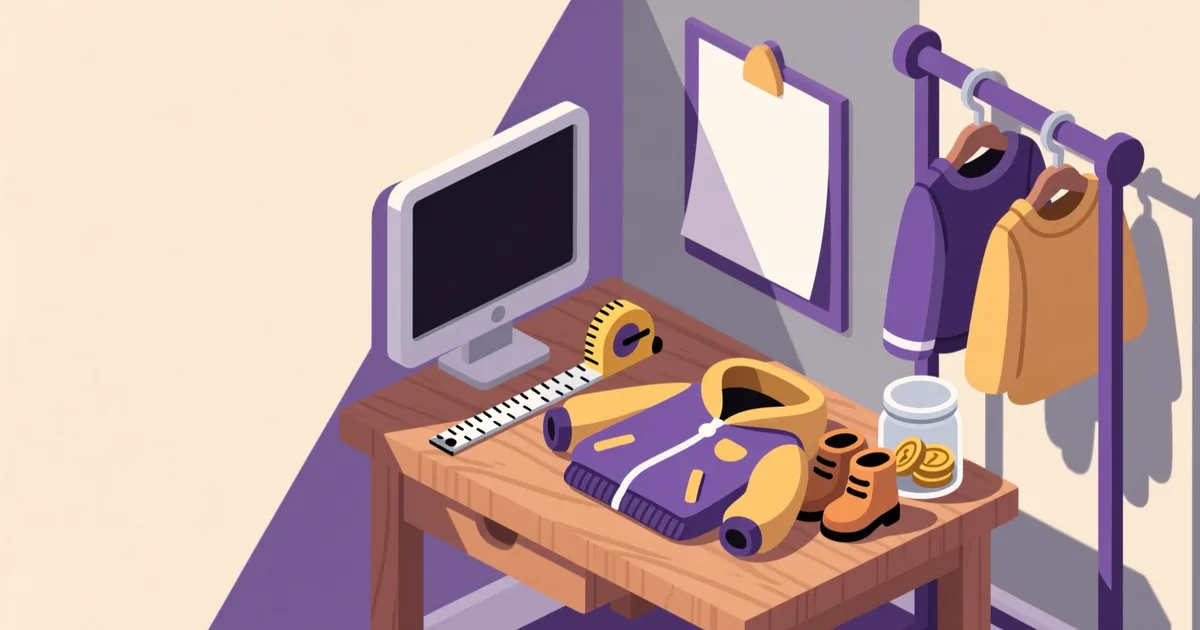
Second-hand kids' clothes are items someone has already worn and is now passing on, usually through a listing, a second-hand shop or a swap between parents. Children outgrow clothes quickly, so pieces worn for only a few months keep appearing on the market. In cities such as Bratislava, Košice, Prešov, Žilina and Nitra the supply is densest, but almost any seller can ship by post or courier. The advantage is a low price and a wide choice of brands; the downside is that you often only see the condition of an item in person. This guide explains where to look, how to read a listing, what to check at a meeting and how to agree on a price.
- Search by city and category, not across the whole country, and you will save both time and shipping costs.
- If you pay upfront, ask for a photo of the label showing the size and check the seller's history.
- At the meeting, check the seams, elastic, zips and inner labels, not just the front.
- The usual price is 1 to 5 euros per item; branded jackets and shoes can cost more.
Where to buy second-hand kids' clothes
The widest choice is in online listings, where both private individuals and smaller shops sell. The catalogue can be filtered by city, district and category, so you can view only what is within reach by car or public transport. In Bratislava and Košice the supply is densest; in Prešov, Žilina and Nitra you will find fewer pieces, but often at lower prices and with no shipping.
Listings from private sellers
A private seller is selling their own children's clothes. The advantage is that they are often willing to negotiate and you can see the item in person. The downside is that the condition may not be described accurately and the seller has no obligations as a business. When browsing listings, note how many items the seller is offering at once. If they are selling dozens of identical T-shirts in various sizes, it is more of a commercial operation than a wardrobe clear-out.
Brick-and-mortar and charity sales
In many cities, seasonal sales are run by parent centres, schools or parishes. Clothes there are usually sorted by size and the price per item is often symbolic. The advantage is that you see the item in person and can return it if it does not fit. Dates for these events are announced locally, so it is worth watching notices in your area.
Second-hand shops
Second-hand and charity shops sell clothes as businesses. Unlike a private seller, when you buy in a shop you have consumer rights. Prices tend to be higher than in listings, but the goods are often washed and sorted. When you buy, ask for a receipt; without one, making a claim is more complicated.
How to read a listing and spot a scam
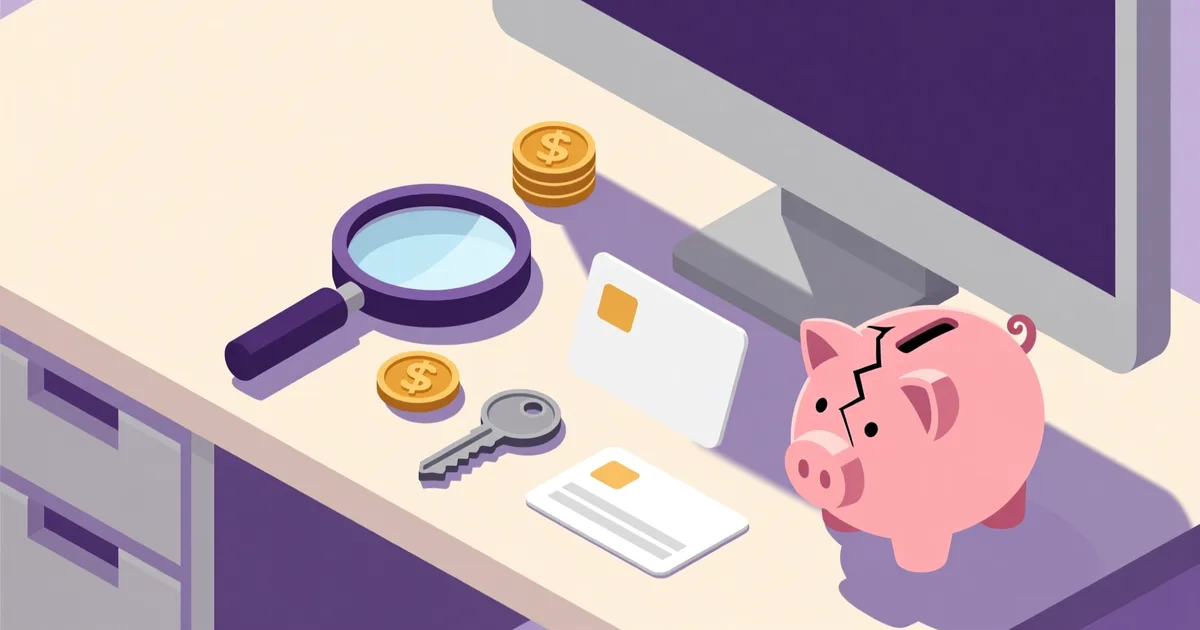
A scammer gives themselves away in a listing through details you notice on a careful read. Most often it is a demand to pay upfront into an account or through a link that redirects off the listing site. It is safe to pay on collection, or through a platform that holds the money until you confirm. If the seller pressures you to hurry and claims another buyer will pay immediately, it is a pressure scenario.
Photos and description
Photos from the manufacturer's catalogue or from the internet are a warning sign. Ask for a photo of the label showing the size and a close-up of a seam or elastic. If the seller sends only illustrative images and refuses to photograph the actual item, it is better not to go through with the deal. If there are several items, ask for one group photo showing the whole offer.
Payment and delivery
If you pay upfront, you have no guarantee the goods will arrive. If you do make a transfer, use a payment that leaves a trace, and never send money to an account whose name does not match the seller's. Courier scams work by the fraudster sending a link to a fake carrier website and asking for card details. A carrier never asks for card details through a link from the seller.
When you meet in person, take a bag and cash in the exact amount. If the item does not fit after you have looked it over, simply do not buy it. An agreed price is not binding until you hand over the money.
What to check at the meeting: a checklist
An inspection on the spot takes a few minutes and reveals most problems. Pick the clothes up, do not just look at them on the hanger. Check the places that wear out first: knees, elbows, crotch and hems. If the seller refuses to let the item out of their hands, that is a reason to walk away.
Material, labels and size
The composition label tells you whether the item can be washed at 60 degrees. Cotton withstands more; synthetics wear out quickly. Sizes vary between brands, so compare the label with what your child wears now. With baby clothes, look at the buttons and poppers, as they are usually the most fragile.
Seams, elastic and zips
Pull at a seam and watch whether the thread comes loose. The elastic in a waistband should be springy, not stretched out. Run the zip along its full length, including where the fabric meets. On shoes, check the sole and whether it is coming away at the toe.
Smells and stains
The smell of fabric softener or mould tells you how the item was cared for. Stains from markers, grass or food often will not wash out. Hold the item up to the light; by a window you will see thin spots and fabric that has gone see-through.
Comparison: private seller, shop and a marketplace with seller history
Each option offers a different balance of price, certainty and rights. A private seller is the cheapest, a shop is the safest, and a marketplace with seller history is a compromise. Decide based on whether you need to save more or want the option of making a claim.
| Where you buy | Price per item | Consumer rights | Seller history | Risk |
|---|---|---|---|---|
| Private seller via a listing | 1 to 5 euros | Limited, it is a civil-law relationship | You see the number of listings and ratings | Condition may not match the description |
| Second-hand or charity shop | 3 to 15 euros | Full, you have a receipt and can make a claim | Not shown | Higher price per item |
| Online marketplace with seller history | 1 to 10 euros | Depends on whether the seller is a private individual or a business | You see ratings and previous listings | Paying upfront with no protection |
On the EX & GO marketplace you can compare prices from several sellers nearby and look at the history of the person you are dealing with, so it is a good first place to get an overview of the market. The rules for posting listings and what moderation removes can be found on the rules page. If you need help with your account or with how communication works, support can help.
We can see that buyers' most common questions concern sizes their child has already outgrown and how to pay. When comparing prices for second-hand kids' clothes, it is worth looking at second-hand kids' clothes and also browsing second-hand kids' clothes in Bratislava, where items from the same seller are often available at a single price.
How to agree on a price and close the deal

With second-hand kids' clothes, the price is almost always open to negotiation. The seller expects someone to come with an offer. If you buy several items at once, you are in a stronger position, because the seller saves time and shipping. A reasonable offer is specific: a sum for the whole bundle, not a discount on a single item.
How to read the price
A price per item under one euro usually means an ordinary T-shirt or bodysuit. Branded jackets, snowsuits and winter shoes cost more, often five to fifteen euros. If the price is much lower than similar items nearby, ask why. Sometimes the reason is a quick sale during a move, sometimes it is a hidden defect.
From agreement to handover
Message the seller with the size, colour and city so you do not waste time on items that are elsewhere. Arrange to meet in a public place, for example at a shopping centre entrance or a bus stop. At the handover, look the goods over once more and only then pay. If it is a shipment, agree on cash on delivery or payment on collection.
What rights do you have when buying second-hand
The scope of your rights depends on who you are buying from. With a private seller you are entering a civil-law relationship and you do not automatically have the right to withdraw from the contract or to make a claim as you would in a shop. With a seller who is a business, consumer protection rules apply. That matters for more expensive items, where it is worth having a receipt.
If the seller is acting as a business, you have the right to information about the goods and to have a claim handled. When buying at a distance from a business, you have a statutory period in which to withdraw from the contract without giving a reason. The conditions and exceptions are set by Slovak legislation, so check the current wording before you buy. The Slovak Trade Inspection Authority publishes what you are entitled to when making a claim and how to file a complaint.
If you suspect fraud, keep the communication, a photo of the listing and proof of payment. You can also report it to the police, who publish procedures on the Ministry of the Interior of the Slovak Republic website. The sooner you act, the greater the chance of stopping the payment.
Frequently asked questions
How do I buy second-hand kids' clothes safely?
First pick a specific size and season, then search listings by city and category. Before paying, ask for a photo of the label and check the seller's history. At an in-person meeting, inspect the seams, elastic and zips, and pay only after you have looked the item over. If you are buying remotely, choose cash on delivery or payment on collection. Paying upfront into an account means you carry the risk yourself, so only do it with a seller you know.
How much do second-hand kids' clothes cost?
Everyday pieces such as T-shirts, bodysuits and trousers sell for roughly one to five euros. Branded jackets, snowsuits and winter shoes cost more, often five to fifteen euros. The price depends on the brand, the condition and whether the seller is selling a whole bundle. If you buy several pieces from one seller, you can agree on a combined price. Compare at least three similar listings nearby so you know what is reasonable.
Where can I buy cheap second-hand kids' clothes?
The lowest prices are usually at seasonal jumble sales run by parent centres and schools, and in listings from private sellers. In smaller cities such as Prešov, Žilina or Nitra the choice is smaller, but prices are often lower than in Bratislava and Košice. If you buy several pieces at once, you save on shipping. Also watch the listings at the end of the season, when parents clear out their wardrobes.
How do I spot a scam in a kids' clothing listing?
Warning signs include photos taken from the manufacturer's catalogue instead of real pictures of the item. Another is pressure to pay upfront quickly and a claim that the seller has another buyer waiting. Scammers send links to fake courier websites and ask for card details. Ask for a close-up of the label and a seam, check the seller's history and pay only on collection. If something does not add up, simply do not go through with the deal.
Can I return clothes bought from a private seller?
When you buy from a private individual, you do not automatically have the right to return the item or make a claim as you would in a shop. The relationship is governed by civil law and depends on what you agreed. If the seller is acting as a business, consumer protection rules apply, including the right to withdraw from a distance purchase. That is why you should ask for a receipt on more expensive pieces and clarify in advance what happens if the item does not fit.
What sizes should I prepare before buying?
Measure your child and compare the measurements with the size chart for the specific brand, because sizes vary between manufacturers. For baby clothes, length and chest circumference matter most; for older children, it is height. If you are buying ahead for a season, go one size up, but not two. An item that is too big wears badly and your child will be uncomfortable in it.
Summary
You can buy second-hand kids' clothes quickly and cheaply if you follow the right order. First set the size and season, then search by city and category, and finally inspect the item thoroughly. Prices from one to five euros for an ordinary piece are common on the Slovak market; more branded items cost more. Be careful when paying upfront, and at an in-person meeting check the seams, elastic and labels. If the seller is acting as a business, you have stronger rights, so ask for a receipt. Stick to trusted sellers and only close the deal after you have looked the item over.