When you buy a used phone in Slovenia, you choose between private sellers on classifieds platforms and local retail shops. You inspect the hardware, verify the IMEI number, and negotiate the price before handing over cash. Most transactions happen face-to-face in cities like Ljubljana, Maribor, Celje, or Koper.
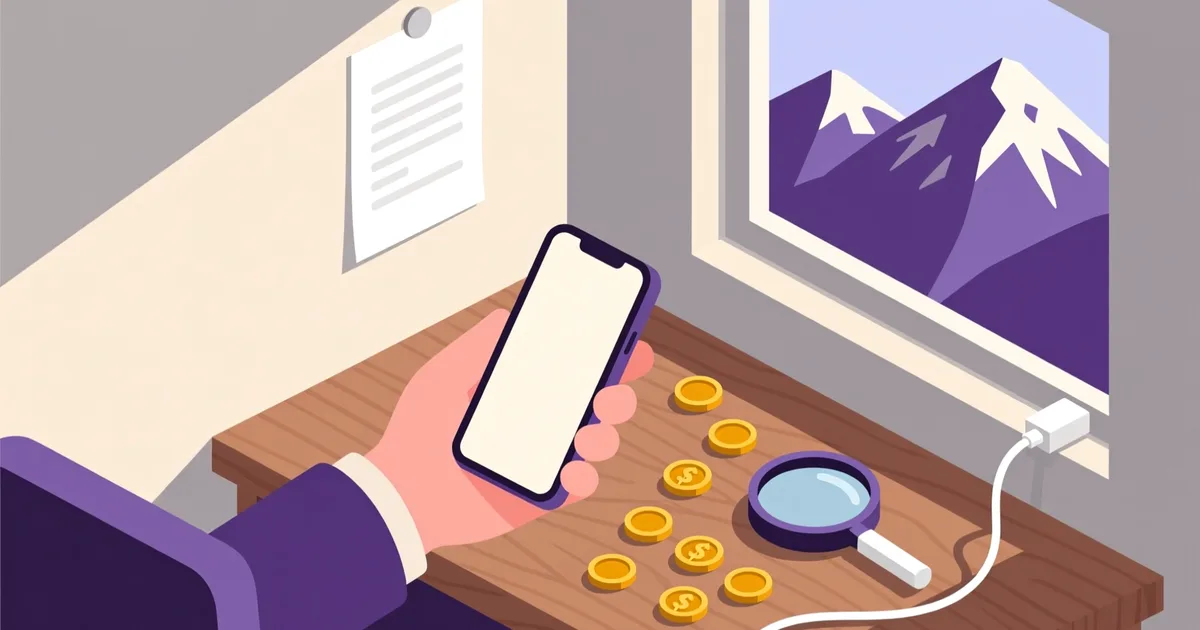
Slovenia has a compact geography, which makes meeting a seller from another city realistic. A train from Ljubljana to Maribor takes under two hours. This proximity means you have access to listings across the entire country rather than just your immediate neighborhood. Prices vary based on the model, storage capacity, battery health, and cosmetic condition. Sellers typically list devices they upgraded after buying a new flagship, so the market holds relatively recent models alongside older budget handsets. You need to know how to filter these listings, what physical defects to look for during an inspection, and how Slovenian consumer law applies to secondhand goods. Private sales operate differently from shop purchases. Understanding this distinction prevents unpleasant surprises if the device stops working a week later.
- Filter classifieds by city and district radius to find sellers near you.
- Never send prepayment or agree to courier delivery with unknown sellers.
- Test the screen, cameras, speakers, and charging port before paying.
- Verify the IMEI number to confirm the device is not stolen or blacklisted.
Where do people actually buy a used phone in Slovenia?
Most residents looking for affordable secondhand electronics turn to online classifieds rather than physical stores. These platforms aggregate private listings from across the country, letting you compare prices for specific models instantly.
You can filter results by city, district radius, and category to narrow down the options. If you live in Koper, you can set the search radius to include only the coastal region or expand it to include Ljubljana.
We check every listing that enters our catalogue to ensure phone numbers are verified and photos match the description. EX & GO operates as a free marketplace where private sellers and businesses post items, and buyers message them directly to arrange the deal.
The platform does not hold payments. You negotiate the price and meet the seller yourself. Read the posting rules at EX & GO rules to understand what sellers must provide when creating a listing.
Searching by city and category
Larger cities generate more listings. Ljubljana produces the highest volume of smartphone ads. Maribor and Celje follow closely behind. Smaller towns might have fewer options, but sellers there often price devices lower due to reduced local demand.
Browsing electronics categories specifically isolates smartphones from tablets and laptops. This saves time when you already know the exact brand or operating system you want.
What should you expect to pay for a secondhand device?
Pricing depends entirely on the model, age, and condition of the handset. Flagship models from the previous year usually sell for forty to sixty percent of their original retail price. Budget phones depreciate faster.
A two-year-old mid-range Android device often costs between eighty and one hundred fifty euros. Older iPhones hold their value longer due to extended software support. Always compare at least five similar listings before deciding on a fair price.
Sellers who include original boxes, chargers, and purchase receipts typically ask for ten to twenty percent more. Decide if those accessories matter to you. A bare phone works perfectly fine if you already own compatible charging cables.
Negotiation is standard practice. If a listing asks for two hundred euros, offering one hundred seventy or one hundred eighty is normal. Point out visible scratches or missing accessories to justify your counteroffer.
Many buyers start by browsing used phones">current mobile phone listings to establish a baseline price for their preferred model before contacting anyone.
How do you spot scams in classified ads?
Scammers rely on urgency, stock photography, and requests for advance payment. A legitimate seller will show actual photos of the device, including any scratches or dents on the casing.
If a listing uses generic promotional images instead of real photos taken on a table, move on. Ask the seller to send a photo of the phone next to a piece of paper with today's date written on it.
Prepayment and courier tricks
Never transfer money before holding the device. Scammers frequently claim they are moving abroad and offer to ship the phone via courier once you wire funds. The package never arrives.
Always meet in a public place with good lighting, such as a cafe or shopping center lobby, so you can inspect the screen properly without rushing.
Another common trick involves fake payment confirmation emails. The scammer claims they sent money and pressures you to hand over the phone immediately. Verify funds in your bank application before releasing anything.
Check the seller's history and reviews on the platform. Accounts created yesterday with no transaction history carry higher risk than profiles active for several months with positive feedback from other buyers.
What exactly should you test before handing over cash?
Physical inspection separates a working device from an expensive paperweight. Bring a portable power bank, a SIM card from your network provider, and wired headphones to the meeting.
Do not rush this process. Tell the seller upfront that you need ten minutes to run through your tests. Honest sellers will agree without hesitation.
The hardware checklist
Insert your SIM card first. Verify that the phone connects to your mobile network and can make a short call. This confirms the device is not locked to a foreign carrier or reported stolen.
Dial the IMEI check code on the keypad. Compare the number displayed on screen with the number printed on the SIM tray or the back of the device. Mismatched numbers indicate replaced parts or tampering.
Open the camera application. Test both the front and rear lenses. Take a photo of a white surface to check for dead pixels or dust trapped inside the lens assembly.
Plug in your headphones. Play audio to confirm the headphone jack or USB-C port transmits sound correctly. Test the loudspeaker by playing a video without headphones.
Connect to a Wi-Fi network. Open a webpage to confirm the wireless chip functions. Toggle Bluetooth on and off. Check if the fingerprint sensor or facial recognition responds accurately.
Buyers comparing multiple options often use used phones in Ljubljana">filtered search tools to shortlist devices that fit their budget before scheduling these inspections.
Does Slovenian consumer law protect secondhand purchases?

Your legal protection depends entirely on who sold you the device. Buying from a registered business triggers different rules than purchasing from a private individual.
Registered shops must provide a statutory warranty for goods sold. If a refurbished phone fails within that period, the shop must repair or replace it. Information regarding general consumer rights is available through official channels Government of Slovenia.
Private sales versus shop warranties
Private sales operate on a sold-as-seen basis. Once you hand over the cash and walk away, the transaction is complete. You cannot return the phone because you changed your mind or found a cheaper option elsewhere.
If the seller deliberately hid a known defect, you have grounds for a civil dispute. Proving intentional deception is difficult and rarely worth the legal fees for a low-value item.
| Feature | Private seller | Retail shop | Marketplace with reviews |
|---|---|---|---|
| Price level | Lowest | Highest | Variable |
| Warranty | None | Statutory | None unless stated |
| Seller history | Unknown | Company record | Visible profile |
| Negotiation | Expected | Rarely possible | Expected |
| Return policy | No returns | Defined by law | Agreed privately |
Use the messaging system on the platform to ask questions before meeting. Written communication provides a record if disagreements arise later. Contact platform support at EX & GO support if a user violates the terms.
What are the most common mistakes when you buy a used phone in Slovenia?
Rushing the inspection is the most frequent error. Buyers feel pressured by the seller or by their own excitement and skip basic hardware tests. Take your time regardless of the environment.
Ignoring iCloud or Google account locks causes major problems. If the previous owner did not sign out of their accounts, the device becomes unusable after a factory reset. Demand that the seller removes all accounts while standing in front of you.
Failing to research the current market rate leads to overpaying. Spend five minutes checking similar listings in your area before agreeing to a price. Knowledge gives you leverage during negotiation.
Ready to buy a used phone in Slovenia safely?
Purchasing secondhand electronics requires patience and attention to detail. You save money compared to retail prices, but you assume responsibility for verifying the hardware condition. Filter listings by your preferred city, whether that is Ljubljana, Celje, or Koper, to minimize travel time.
Bring your testing tools to every meeting. Check the IMEI, test the cameras, and verify network connectivity before transferring funds. Avoid sellers who pressure you into skipping these steps or demand advance payments.
Understanding your limited legal recourse in private transactions encourages thoroughness. Rely on platform reviews and seller histories to gauge reliability. When you buy a used phone in Slovenia using these methods, you reduce financial risk significantly.
Questions about buying secondhand phones locally?
Is it safe to buy secondhand electronics from strangers?
It is safe if you follow standard precautions. Meet in public locations like cafes or shopping malls. Never send money in advance. Inspect the device thoroughly before completing the transaction. Platforms that verify phone numbers and display seller histories reduce the risk of encountering fraudulent accounts.
How do I check if a device is stolen?
Dial the IMEI check code on the phone keypad to reveal its unique identification number. Enter this number into a public IMEI database online. The database will indicate if the device was reported lost or stolen. You can also contact your mobile operator to verify the status before inserting your SIM card.
Can I return a device bought from a private person?
Generally, no. Private sales in Slovenia operate on a sold-as-seen basis. Unless the seller explicitly agreed to a return window in writing, you cannot force them to take the device back. This differs from retail shops, which must honor statutory warranty periods for defective goods.
What accessories should I bring to the meeting?
Bring a portable power bank to ensure the device has enough charge for testing. Carry a SIM card from your network provider to test cellular connectivity. Wired headphones help verify audio output. A small flashlight helps inspect ports for lint or damage.
Why do sellers prefer cash transactions?
Cash transfers ownership instantly without bank processing delays or reversal risks. Bank transfers can be disputed or recalled, leaving the seller without money or the device. Cash eliminates chargeback fraud, making it the preferred payment method for face-to-face meetings between private individuals.
Do prices drop during specific seasons?
Prices often decrease shortly after major manufacturers release new flagship models. Owners upgrade their devices and flood the market with previous-generation handsets. September and October typically see increased supply following annual product announcements, giving buyers more negotiating power.