To buy a used motorcycle in Bulgaria, first set your budget and model, then compare listings from private sellers, used-motorcycle shops, and platforms with seller history. Inspect the bike in person, check the documents and the frame and engine numbers, and pay only after signing a contract. The real price depends on the year, mileage, and condition.
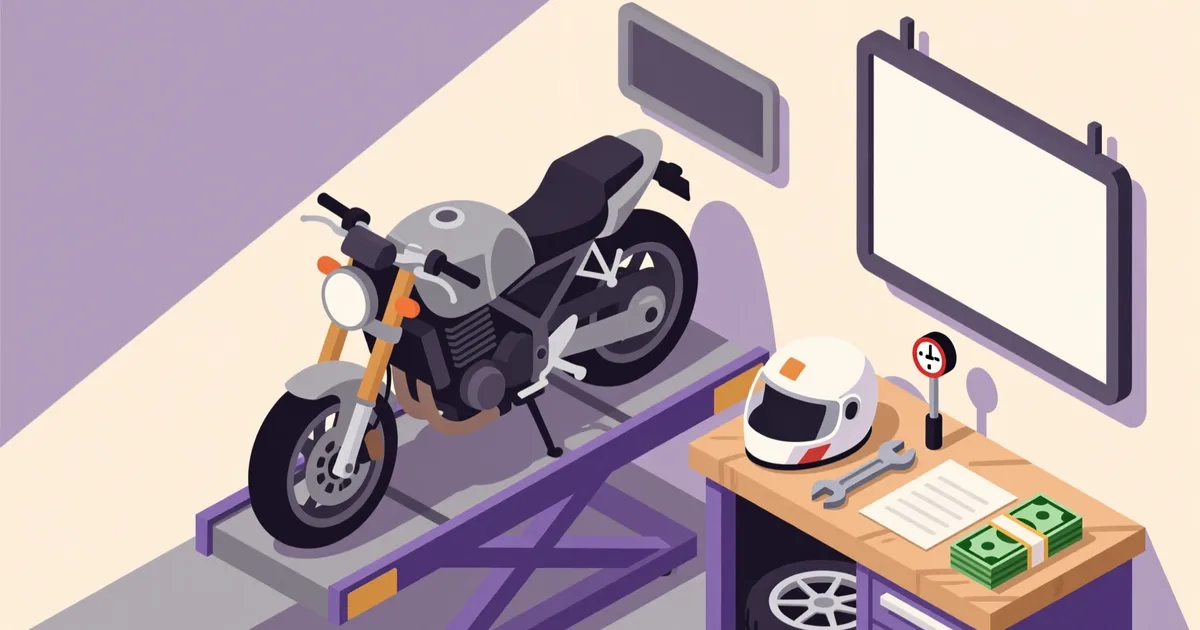
The used motorcycle market in Bulgaria is large and fragmented. The same model can cost 4,000 BGN in Sofia and 5,200 BGN in Varna because demand and supply differ. So your first task is not to find the cheapest bike, but to understand what a normal price is for the specific model, year, and condition. Then you will also recognize a suspiciously low offer.
Below is a practical sequence: where to look, how to read a listing, what to check at the meeting, how the deal is closed, and what rights you have as a buyer. Many people read from their phone while standing in front of the bike, so I have laid out the checks as a short list you can open and follow point by point.
- Compare at least 5 listings for the same model before you talk about price.
- Check the frame, engine, documents, and service history on site.
- Never send a deposit to an unknown seller without a contract.
- Pay when the motorcycle is handed over and sign a contract in two copies.
Where to look for used motorcycles
Private sellers in Bulgaria mainly post in three places: specialized motorcycle forums and Facebook groups, listings on classified sites, and in front of used-motorcycle shops. Each channel has a different seller profile and a different risk.
The biggest advantage of listing platforms is filtering. In the EX & GO catalog you can choose a city, a radius in kilometers, and a category so you only see bikes near you. If you are in Plovdiv, there is no point browsing listings from Ruse unless the model is rare. The radius filter saves hours of scrolling.
Forums give more context. A seller who has been active for years, has posted photos from repairs, and has discussed problems is easier to verify. The problem is that forums offer no protection and searching them is clunky.
Used-motorcycle shops give a warranty for a certain period and often offer leasing or installment payments. The price is higher, however, because it covers inspection, preparation, and warranty. The difference between a private listing and a shop for the same model is often between 800 and 1,500 BGN.
How to compare listings
Write down the model, year, mileage, and asking price in a table. After five listings you will see where the market is. If one bike is 2,000 BGN below the others, there is a reason: hidden damage, a document problem, or a scam.
Also pay attention to how long the listing has been up. A bike that has not sold for two months is usually overpriced or has a problem that buyers find during inspection.
How to read a listing and recognize a scam
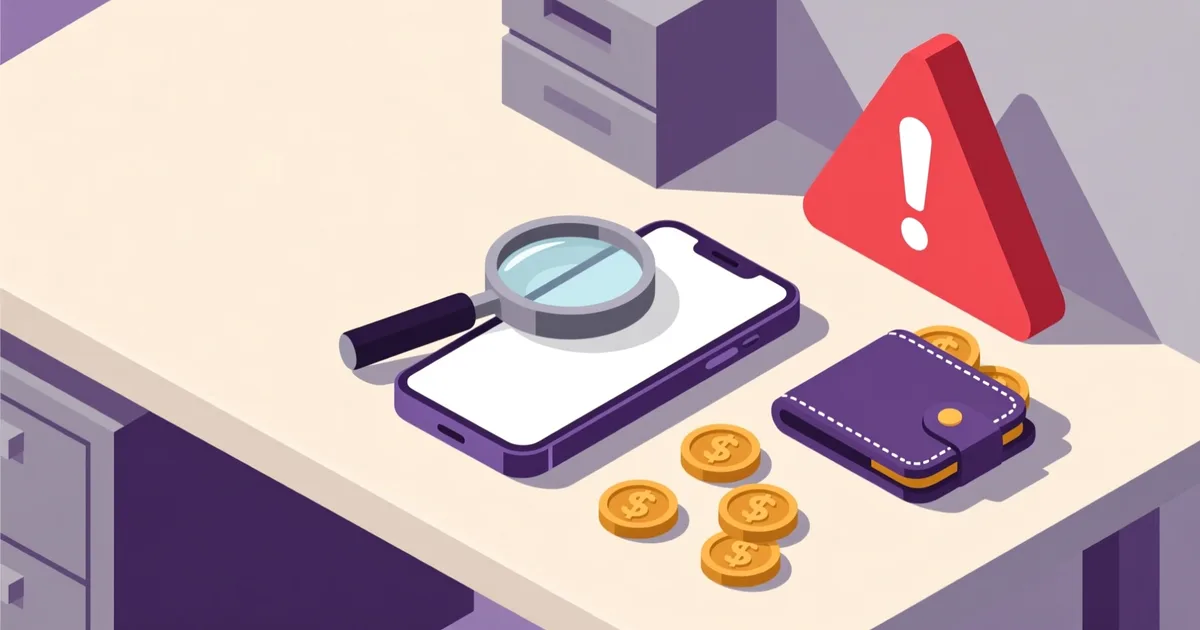
Most scams follow the same scenario: a price below market, pressure for a quick decision, and a request for prepayment. If the seller asks for a deposit by bank transfer before you have seen the bike, that is reason enough to stop.
The steps scammers repeat:
- Prepayment or deposit to "hold" the bike.
- A story about a courier who will bring the bike or collect the money.
- Stock photos or photos from other sites, often with a foreign license plate.
- The seller is "abroad" and will send a brother, friend, or driver.
- A price well below market and insistence that you act immediately.
Check the photos with a reverse image search. If the same photo appears in a listing from another country, the conversation is over. Ask for a photo of the frame and the odometer taken today.
Also be careful with listings without a visible license plate or with a blurred plate. Sometimes this is just a desire for discretion, but more often it hides the bike's history.
If the seller refuses to give you the frame number before the inspection so you can "check the history," that is a red flag. The frame number is not a secret and every serious seller gives it without hesitation.
What to check at the meeting with the seller
Inspect the bike in daylight and in a dry place. A cold engine is a must: if it is warm when you arrive, it probably hides hard starting. Ask to wait 20 minutes before starting it.
Documents and identification
Compare the frame number and engine number with those in the registration document. Check the seller's name in the ownership document. If the bike was imported and is not yet registered in Bulgaria, ask what customs duties and fees remain to be paid, because they often hide hundreds of leva.
You can find information about vehicle registration and checks on the Ministry of Interior website: Ministry of Interior.
Technical inspection
Here is a list you can follow in front of the bike:
- Cold start, idle running, engine sound.
- Leaks under the engine and on the front forks.
- Condition of the chain and sprockets.
- Play in the handlebars, wheel bearings, and swingarm.
- Brake discs, pads, and brake fluid.
- Tires: year of manufacture and remaining tread.
- Electrics: lights, turn signals, brake light, dashboard, battery.
- Signs of a fall: scratched covers, bent steering stops, welds on the frame.
If you do not feel confident, pay an independent workshop for an inspection. Between 50 and 120 BGN for a check is a small price against an expensive repair. In Sofia and Plovdiv there are workshops that offer this service for motorcycles.
Test ride
Ride the bike if you have the right license category and the seller allows it. Check the gears during acceleration and braking, the behavior in corners, and vibrations at certain revs. If the seller refuses a test ride on the grounds that the bike is not insured, ask if they can ride it in front of you.
How the deal is closed and what rights you have
A deal between private individuals is settled with a written contract in two copies. Include the details of both parties, the bike's details, the price, the date and time, and a declaration that the bike is free of liens and unpaid fines.
Payment is made when the bike and documents are handed over, not earlier. If the amount is large, make the transfer at a bank branch in front of the seller or use a signed receipt. Keep the contract and receipt until you register the bike in your name.
Vehicle registration is done within the period set by law at a regional police department at your permanent address or residence address. Check the current requirements and fees before you go, because they change.
Rights when buying from a dealer
When you buy from a shop, you are a consumer and have rights under the Consumer Protection Act. The trader is liable for any lack of conformity of the goods with the contract within the statutory period. Keep the invoice and warranty card, because without them it is difficult to file a claim.
When buying from a private individual, these rights do not apply in the same way. That is why the inspection and the contract are your main protection. If you buy through a listing platform, the publishing terms describe what is checked and what remains the responsibility of the parties: see the publishing rules.
Where to compare prices and seller history
One of the advantages of a platform like EX & GO is that you see the seller's history and feedback from previous deals before you get in touch. This does not replace an inspection, but it helps you filter out profiles created a week ago. You can filter by city and category and compare several listings in one place.
When you ask questions in messages, be specific: year of manufacture, mileage, last service, any liens. The answers give you a basis for negotiation. used motorcycles
If you run into a problem with a listing or seller, first check how to report it and what the terms of use are. used motorcycles in Sofia
How to negotiate the price
Negotiations start with facts, not emotions. Come with information about the market price and a specific list of flaws you have seen. "The tires are from 2018 and I will have to replace both" is an argument. "It is too expensive" is not.
Calculate the costs you will face immediately: tires, service, registration, insurance, possible repairs. If the seller wants 5,000 BGN and you immediately need 700 BGN for tires and service, the real price is 5,700 BGN. That is the basis for a discount.
Do not push with a final offer in the first conversation. Leave yourself the option to come back if you do not find a better deal. And vice versa: if the bike checks all the boxes and the price is fair, do not lose the deal over 100 BGN.
Private seller, shop, or platform: comparison
The three channels differ in price, risk, and convenience. The table below summarizes the differences so you can choose according to what you can tolerate.
| Criterion | Private seller | Used-motorcycle shop | Platform with seller history |
|---|---|---|---|
| Price | Lowest | Higher by 10 to 25 percent | Average, depends on the seller |
| Warranty | None | Usually 3 to 12 months | None, the deal is between the parties |
| Seller verification | Difficult | A company with an address | History and feedback in the profile |
| Documents | You check them | The shop prepares them | You check them |
| Payment | Direct | Direct, sometimes installments | Direct, the platform does not hold money |
| Best for | An experienced buyer | A buyer who wants security | A buyer comparing many listings |
If this is your first bike, a shop reduces the risk but raises the price. If you have experience or a mechanic friend, the private market gives better value. Platforms are convenient for comparison and for checking the seller before you meet.
Frequently asked questions
How much does a used motorcycle cost in Bulgaria?
The price depends on class, year, and condition. Small bikes and scooters between 125 and 300cc start at around 1,500 BGN and go up to 4,000 BGN. Touring and sport models between 600 and 900cc usually range from 4,000 to 12,000 BGN. A rare or newer-generation bike can be over 15,000 BGN. Compare at least five listings for the exact model and year before deciding whether a price is normal.
Where should I buy a used motorcycle?
Three channels: private listings on platforms and forums, used-motorcycle shops, and leasing auctions. Platforms with city and category filters are convenient for comparison because you see many listings in one place. Shops offer a warranty but at a higher price. Auctions can be good deals, but the bike may come without keys or with an unknown history.
How can I tell if a listing is a scam?
The main red flags are requests for prepayment, a courier story, stock photos, and a price well below market. Check the photos with a reverse image search. Ask for a photo of the frame number and odometer taken today. If the seller refuses an inspection or insists you pay before seeing the bike, end the conversation. A serious seller has no reason to rush.
What documents are needed when buying a motorcycle?
You need the registration certificate, proof of ownership, and a contract between the parties. Compare the frame and engine numbers with the details in the registration document. Check that the bike has no liens or unpaid fines. If it was imported and not yet registered, clarify what customs duties and fees remain. Keep the contract and receipt until you register the bike in your name at a regional police department. Check the current requirements at the Ministry of Interior.
Should I pay a deposit to hold the motorcycle?
When buying from a private individual, a deposit is a risk because there is no guarantee the bike will be handed over. If you do pay, do it with a written document describing the bike, the amount, and the refund conditions. Never send money by bank transfer to a stranger before you have seen the bike and the documents. Shops usually work with a deposit under clear rules and an invoice, which is different.
Can I check the motorcycle's history?
Partially. The frame number can be checked in insurer databases and service history if the bike was serviced at an official dealer. For imported bikes, check the documents from the country of origin. A full history like with cars is not always available. That is why an inspection by an independent mechanic remains the most reliable way to assess condition.
How do I negotiate a lower price?
Come with market price data and a specific list of flaws. Calculate the costs you will face immediately: tires, service, registration, insurance. Use them as arguments for a discount. Do not push with a final offer in the first conversation. If the bike checks all the boxes and the price is fair, do not lose the deal over a small amount.
Conclusion
Buying a used motorcycle in Bulgaria is realistic if you approach it with a plan. Start with a budget and model, compare at least five listings, filter by city and category, and check the seller's history before you meet. At the meeting, follow the list: cold start, leaks, documents, frame number. Pay on handover and sign a contract in two copies.
If you are not sure about the technical inspection, pay for a check at an independent workshop. If you buy from a shop, keep the invoice because you have consumer rights. If you buy from a private individual, your protection is your attention and the documents. Price matters, but a bike without a clear history costs dearly later.