To buy a used motorcycle in Poland, you need to go through three stages: find a listing from a verified seller, inspect the machine in person using a checklist, and complete the purchase contract. The price depends on the year, mileage, tire and drive condition, and on whether the seller has full service records.
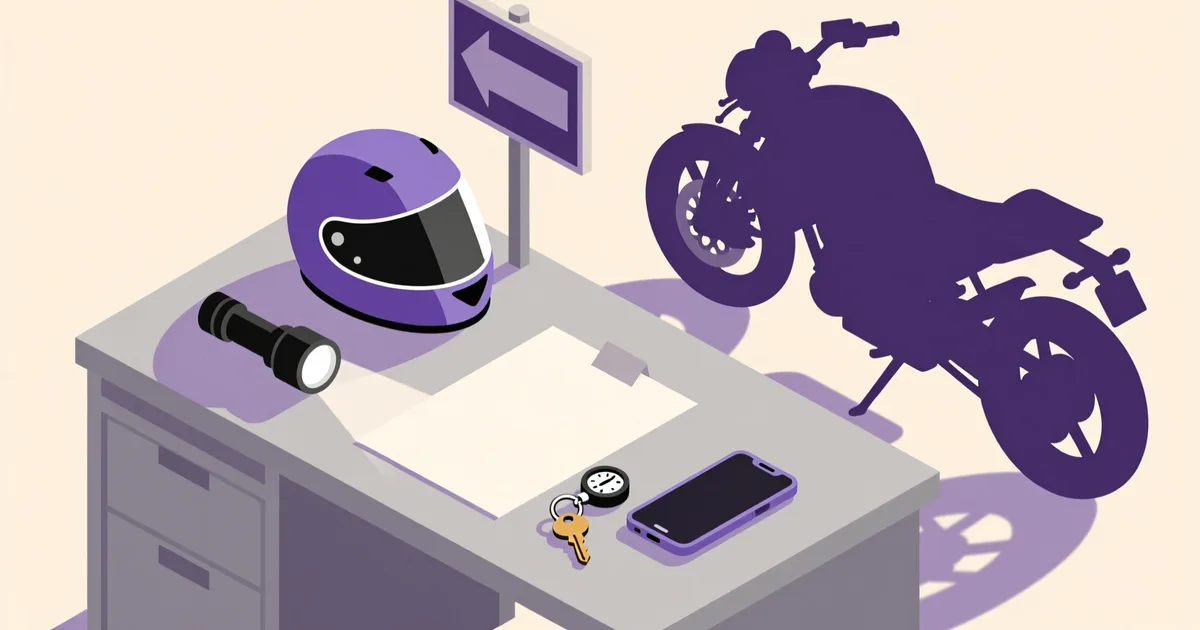
The second-hand market in Poland is large and highly fragmented. Some offers come from private individuals, some from dealerships and showrooms, and some from salvage auctions. For the buyer, this means one thing: you can't compare prices without looking at several listings side by side. Most listings appear in Warsaw, Kraków, Łódź, Wrocław and Poznań, but interesting machines also turn up in smaller cities, where there is less buyer competition and it's easier to negotiate.
This guide walks you through it step by step: where to look, how to read a listing, what to check in person, how to talk about price, and what you sign at the end. Everything in a format you can open on your phone right next to the motorcycle.
- Check the seller, not just the motorcycle: listing history and reviews say more than a photo alone.
- Never pay a deposit before seeing the machine in person.
- On site, check the VIN, marks on the fork tubes, tire and chain condition, and whether the mileage matches the documents.
- Both parties sign the contract, with full details and the amount, and you confirm handover with a handover report.
Where to buy a used motorcycle: listing categories and filters
First choose your channel, because the level of risk depends on it. A private seller usually gives the lowest price, but you don't get a guarantee or the full range of statutory warranty. A dealership or showroom offers an invoice and sometimes a short warranty, but adds a margin. A classifieds platform combines both and also shows the seller's history.
Private listings and dealerships
Private listings have one advantage: you talk to the person who actually rode the motorcycle. Ask how long they've had it, where they serviced it and why they're selling. The answers are often more valuable than the listing itself. Dealerships, on the other hand, often don't know the full history of the machine, because they bought it to resell.
Filters worth setting right away
In the EX & GO catalogue you can filter offers by city and radius from a chosen point, and by category. For motorcycles, set a radius of 50 to 100 km, because longer trips to inspect a bike cost time and fuel. Also check the automotive and parts category, not just the general one. Listing publication rules describe what an offer must include to pass moderation.
How to read a listing
A good offer gives the year, mileage, engine capacity, power and VIN, or at least a willingness to show it. If the photos come from the manufacturer's catalogue rather than the seller's backyard, that's a warning sign. Pay attention to the background: a licence plate, a garage, the same building in several photos all build trust.
A short description with the phrase "urgent, moving abroad" and a request to contact only via messenger is a typical scam pattern. An honest seller answers questions about servicing, damage and the number of owners.
How to avoid scams when buying a used motorcycle
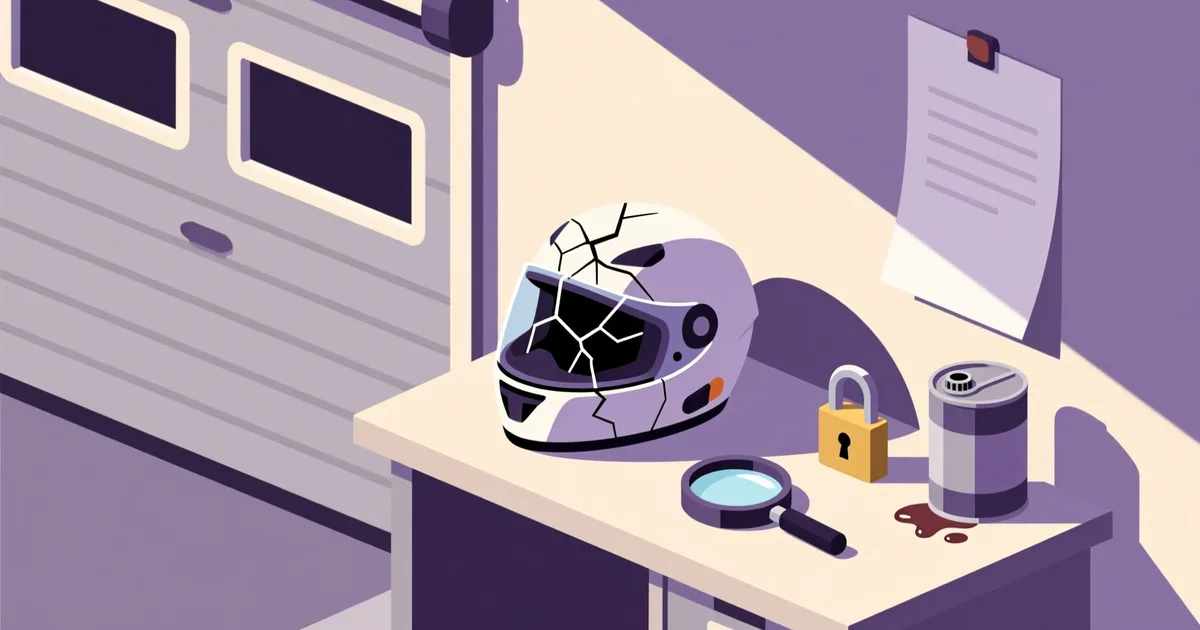
The most common mechanism is simple: time pressure and payment upfront. The seller claims there are several interested buyers, asks for a deposit to their account, and promises to ship the motorcycle by courier or transport company. After the transfer, contact breaks off. There's no new technology here, just ordinary haste.
Warning signs
- A request for prepayment or a deposit before inspection.
- A price clearly below market value for that model and year.
- The motorcycle "is at a cousin's place" and the seller can't show it in person.
- Courier shipping at the seller's expense, with a promise of a refund.
- No way to check the VIN and vehicle history.
- Pressure for a quick decision and same-day payment.
If any point matches, walk away. There are enough offers on the market that you don't need to risk several thousand zloty. The Office of Competition and Consumer Protection publishes materials on consumer rights and how to report unfair practices. It's worth knowing them before the conversation, not after. Office of Competition and Consumer Protection
How to verify the seller
On platforms with seller profiles, check how long the account has existed, how many listings it has, and whether it has reviews. The EX & GO service shows the seller's history and other buyers' reviews, so comparing a few profiles takes just a few minutes. Phone numbers go through verification, and listings go to moderation. Support explains how to report a suspicious offer.
We see that the most common buyer questions are about the deposit and whether the seller will agree to an inspection at a workshop.
Inspection checklist: what to check on site
Do the inspection in daylight, on a hard surface, preferably with a second person. Bring a flashlight, a tape measure and a phone with a charged battery. If the seller refuses a workshop visit or gets evasive when asked about the frame number, that's already your answer.
Documents and identification
The registration document must match the plate and the VIN on the frame. Check whether the seller is the owner, not just an intermediary. For motorcycles imported from abroad, ask for customs documents and confirmation of registration in Poland.
Technical condition
| Component | What to check | Possible repair cost |
|---|---|---|
| Front fork tubes | Oil marks, scratches from a slide, leak at the seal | from a few hundred to over a thousand zloty |
| Tires | Year of manufacture on the sidewall, tread depth, cracks | a few hundred zloty for a set |
| Drive | Chain tension and wear, sprocket condition | from a few hundred zloty |
| Engine | Cold start, sound, exhaust smoke, leaks | hard to estimate without disassembly |
| Frame | Welds, signs of straightening, VIN match | often disqualifies the purchase |
| Brakes | Disc and pad thickness, lever operation | a few hundred zloty |
Compare the mileage with the service book entries and with wear on consumable parts. A motorcycle with a claimed 20,000 km and tires worn down to nothing from 2015 doesn't add up. Ask about the last oil and filter change, and whether the motorcycle has ever been dropped.
Schedule the inspection with a cold engine. That way you'll hear how it starts without warming up, and the seller won't have time to hide starting problems or leaks that only appear after a night.
Test ride
Before the ride, agree on the route and duration. Check the clutch, gear changes, brakes at low and higher speed, and whether the motorcycle pulls to one side. After the ride, look at the parking spot for fresh oil stains.
How much to pay for a used motorcycle and how to negotiate
The price depends on four things: year, mileage, technical condition and completeness of documents. A motorcycle with full service history is worth more than an identical model without paperwork, even if it looks the same. The difference can reach a dozen or so percent and reflects the risk the buyer takes on.
How to establish a benchmark
Collect five to eight listings of the same model from a similar year and compare them in one table. Discard the extremes: the cheapest offers are often crash-damaged machines, and the most expensive sit in dealerships with a margin. The real price lies in the middle, closer to the median than the average.
To compare prices and offers in one place, a catalogue with a filter by city and category is useful, for example used motorcycles. Then you can see what a given model costs in Warsaw versus Łódź or Poznań, and judge whether it's worth travelling further.
Negotiation arguments
Don't negotiate "dry". Specific faults give grounds for a reduction: tires due for replacement, a chain near the end of its life, a fork leak, a missing second key or an expired inspection. Calculate the repair costs and present them calmly. A private seller usually knows about these flaws and expects the buyer to notice them.
Agree on the amount and payment method before signing the contract. A bank transfer is safer than cash, because it leaves a trail. If the seller insists on cash outside the viewing location, treat that as a warning sign.
How finalising the purchase works and what rights you have
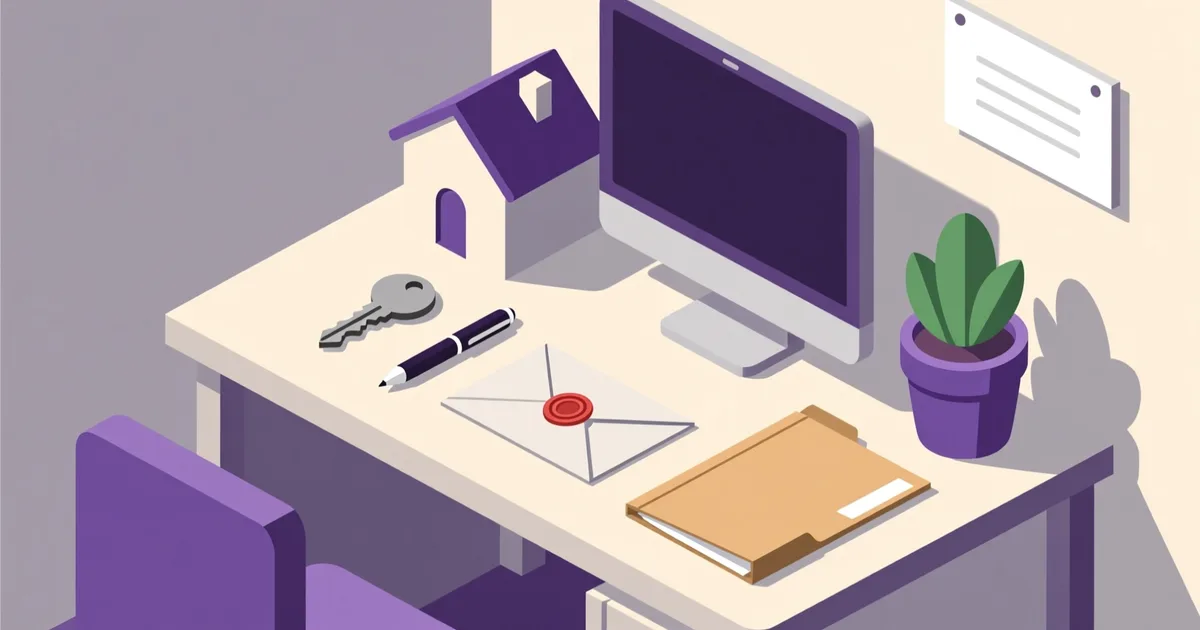
The purchase ends with signing a contract of sale in two copies. Write in the details of both parties, the make, model, VIN, mileage, price and date. Both parties sign both copies. Attach a handover report as well if you're also handing over a helmet, top box or service documents.
Registration and insurance
After purchase you have 30 days to submit a registration application at the vehicle registration office. Buy third-party liability insurance before you ride, not after. Check whether the seller has any outstanding fines or fees that could pass to you. You'll find useful information about official obligations on Gov.pl.
Consumer rights and statutory warranty
Buying from a private individual doesn't give you consumer protection to the same extent as buying from a business. A private seller is liable under statutory warranty for defects, but pursuing claims can be more difficult. At a dealership or showroom you have an invoice and a stronger position if you need to make a complaint. The rules for purchases and complaints on the consumer side are described by UOKiK. Office of Competition and Consumer Protection
Comparison: private seller, dealership and a platform with seller history
Each channel has different risk and different cost. The table below helps you choose consciously, instead of being guided only by the lowest price.
| Channel | Price | Safety | Documents | When to choose |
|---|---|---|---|---|
| Private seller | lowest | depends on verification | contract of sale | when you know the model and can assess condition |
| Dealership or showroom | higher by a margin | higher, invoice and sometimes warranty | VAT invoice | when you want formal protection |
| Platform with seller history | average, depends on the offer | moderation, number verification, reviews | contract between parties | when you want to compare many sellers side by side |
The platform doesn't handle payments and isn't a party to the contract. You finalise the transaction directly with the seller, and the service helps by letting you see their history and reviews before contact. That reverses the order: first you assess the seller, then you go see the motorcycle.
Before you head out for the inspection, prepare your questions and checklist on your phone. used motorcycles in Warsaw
Frequently asked questions about buying a used motorcycle
Can you buy a used motorcycle without seeing it in person?
You can, but it carries significant risk. Photos don't show leaks, engine sound or slide marks. If you can't inspect the motorcycle yourself, ask for a cold-start video and additional photos of the VIN and forks. Never send a deposit until someone you trust has inspected the machine on site.
What deposit is safe when buying a motorcycle?
The safest option is not to pay any deposit before inspection. If you do pay one, do it after viewing the motorcycle, by bank transfer, with a clear reference and written confirmation of refund terms. The amount should be small, and the agreement should state what happens if the sale falls through. A transfer leaves a trail that helps in case of a dispute.
How much does insurance and registration cost for a used motorcycle?
The third-party liability premium depends on engine capacity, rider age, claims history and region, so it's hard to give a single figure. Registration involves a fee for the plate and documents, plus a possible technical inspection. It's best to ask at the vehicle registration office for your area and compare offers from several insurers before signing a policy.
How can you check if a motorcycle has been in an accident?
Inspect the frame, welds and signs of straightening, compare the VIN with the documents, and check the tire year and wear on consumable parts. Ask for service history and repair photos. If the seller avoids the topic or won't let you take the motorcycle to a workshop, treat it as a serious warning and look for another listing.
Does the buyer need a category A driving licence?
For the purchase itself, no, but for riding on public roads, yes. The category depends on the motorcycle's engine capacity and power, as well as your age and how long you've held a licence. If you don't have the right entitlement, you can buy the motorcycle but you can't legally ride it. Check current regulations before buying so you don't end up with a machine you can't use.
Where can you report fraud when buying a motorcycle?
Report the matter to the police if fraud or deposit extortion has occurred. You can also report a suspicious listing through the form on the site where you found it, so it goes to moderation. Keep all correspondence, transfer confirmations and screenshots of the listing. These materials are needed for the report and for any subsequent claims.
Summary
Buying a used motorcycle in Poland comes down to three habits: check the seller, inspect the machine with a cold engine, and sign a contract with full details. The price is a combination of condition, documents and location, so compare several offers before setting your budget. Warsaw, Kraków, Łódź, Wrocław and Poznań offer the widest choice, but smaller cities sometimes offer a better price-to-condition ratio.
Don't rush. A motorcycle that looks good in a photo may need several thousand zloty in repairs, and a seller who answers questions factually is worth as much as a good machine. Take a checklist with you, ask a few tough questions, and only then talk about price. If you want to buy a used motorcycle without overpaying, patience and comparing offers in one place are the most important things.