Used home appliances in Bat Yam are sold mainly through private listings and small second-hand shops, not big chains. Search by neighborhood: in the Center and on the Promenade, refrigerators and washing machines are more often listed when people move; in Ramat Yosef and Ramat Hanasi there's more compact equipment; and in Shikun Amidor you'll find offers from workshops after repair.
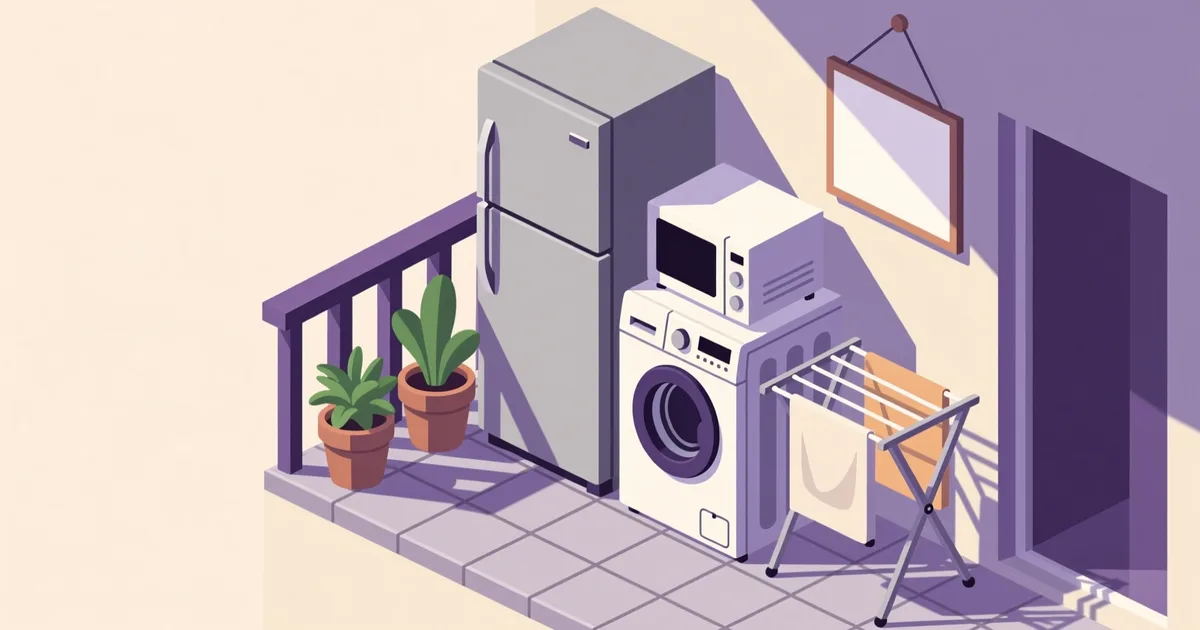
Bat Yam is a small city, and that works in your favor. The distances between neighborhoods are short enough that you can combine an inspection with your commute or errands, and finding a vehicle for transport is sometimes easier than it seems. Used appliances here move quickly: people relocate, downsize or upsize apartments, renovate kitchens. Sellers are usually willing to negotiate if you come to see it the same day. It's important for a buyer to understand the difference between an appliance "from one owner" and one that's already been repaired. The first is more common in residential areas from private individuals; the second from resellers and workshops. Below we'll break down where to look for what, how to compare prices, and what to check before handing over money.
- Private sellers cluster in the Center, Ramat Yosef and the Promenade; shops and service points along main streets and in Shikun Amidor.
- Prices in Bat Yam are usually lower than in Tel Aviv and Ramat Gan, but higher than in cities in the south of the country.
- Test appliances while they're running, not from photos: noise, heat, smell and water traces say more than a description.
- Arrange to meet where parking is easy and there's an outlet for testing.
Which Bat Yam neighborhoods are good for finding used appliances
The neighborhood determines both the type of offer and how convenient the inspection is. In the Center, around Bialik and Herzl streets, there are many rental apartments, so appliances appear regularly: people move in and out, and they don't take a washing machine with them.
Center
The densest area for the number of listings. Refrigerators, washing machines and gas stoves are listed here most often. Inspections are easy on foot; parking is tough on weekday afternoons, but spaces free up in courtyards in the evening. Many deals close right at the building entrance.
Ramat Yosef and Ramat Hanasi
Residential areas with apartments and private houses. Listings are less frequent here, but the quality of appliances is usually higher: people sell during a planned replacement, not before moving out. Dishwashers, built-in ovens and air conditioners are more common. The streets are quiet, and parking is easier than in the Center.
Shikun Amidor
An area with more affordable prices. Here you'll find offers from small workshops and resellers: appliances after repair, sometimes with a short warranty from the seller. It's worth checking the repair history more carefully and asking to see a receipt or at least the name of the technician.
Promenade
Apartments by the sea are often rented short-term, so appliances change more often. There are many compact models: countertop stoves, small refrigerators, narrow washing machines. In summer the area is busy, so it's better to schedule inspections in the morning.
How much do used appliances cost in Bat Yam and how to compare prices
Specific numbers depend on the model, year and condition, so you should focus not on the city average but on the spread within one category. Refrigerators and washing machines hold their value better than microwaves or small kitchen appliances: they're harder to transport, and sellers know it.
In terms of quality, prices in Bat Yam are lower than in Tel Aviv, Ramat Gan and Herzliya, where rent and demand for compact appliances are higher. Compared to southern cities like Ashdod and Ashkelon, the difference is smaller, but Bat Yam has a denser supply because the city is small.
| Category | What affects the price | What to check during inspection |
|---|---|---|
| Refrigerators | Volume, year, defrost type | Compressor noise, side heat, door seals, smell |
| Washing machines | Load capacity, dryer, brand | Drum at idle, rust traces, drainage, play |
| Stoves and ovens | Type (gas or electric), number of burners | Even heating, thermostat operation, grate condition |
| Dishwashers | Place settings, energy class | Water intake, drainage, limescale traces, filter condition |
| Air conditioners | Capacity, installation year, refrigerant type | Cold airflow, no vibration, clean filters |
Before you go, compare several similar listings in one neighborhood. If the same model in the Center is noticeably cheaper than in Ramat Yosef, that's a reason to ask about condition, not to celebrate the difference. It's useful to look at the seller's history and reviews: on EX & GO this is visible right in the profile, and it shows whether someone is selling their own appliance or reselling regularly.
Don't agree to prepayment or a transfer before inspection. An inspection takes twenty minutes, and testing an appliance under load, such as a full wash cycle or half an hour of refrigerator cooling, rules out most problematic purchases.
How to check an appliance before you pay
Checking comes down to three things: running it under load, a visual inspection, and documents. Photos in the listing show appearance but not how components work, so an on-site inspection is a must.
Start with the body. Dents on the side of a refrigerator, water traces under a washing machine, darkened plastic on an oven all tell you how the appliance was treated. Then turn it on and let it run. Ask to start the washing machine on at least a quick cycle: that's how you hear the bearings and see if water drains. A refrigerator should reach cold in twenty to thirty minutes, and the compressor shouldn't hum unevenly.
What to ask the seller
How old is the appliance, has it been repaired, are there documents and a receipt, why is it being sold, can it be plugged in for testing. The answers matter more than any promises. If the seller can't turn it on or rushes your decision, that's a reason to walk away.
For large appliances, confirm dimensions and connection type in advance. In older Bat Yam buildings, niches for refrigerators and washing machines are often non-standard, and a model may simply not fit. Measure the opening before you go, not after you buy.
We see from listings that buyers most often ask about the year of manufacture, repair history, and whether the appliance can be tested on site, and those three questions most often decide the deal.
Where to find used appliance listings in Bat Yam
The main channel is online classifieds with a filter by city and neighborhood. They're more convenient than entrance bulletin boards and building group chats because you can filter listings by category, price and distance from you.
On EX & GO, listings are moderated, phone numbers are verified, and the buyer can see the seller's history and reviews. The city and radius filter helps you avoid crossing the whole city: set Bat Yam and get offers nearby, including neighboring streets and closest areas. Messaging happens on the site, and the parties arrange the deal directly: the platform doesn't hold payments, so money changes hands at the inspection. Before publishing your own listing or replying to a seller, it's worth reading used home appliances in Bat Yam to understand what's prohibited and how moderation works.
The second channel is small second-hand appliance shops and service points. They usually offer a short warranty, but the price is higher than from a private seller. The third is acquaintances, neighbors, building chats: that's how appliances go that people don't want to photograph and list. If you're looking for a bargain, combine all three channels and check new listings every day: good lots go within a day.
If you need a specific category, start with the city catalog listings in Bat Yam and narrow your search by neighborhood and price. That way you'll see the real spread of offers in Bat Yam, not national averages.
How to arrange a meeting and transport the appliance
Choose the meeting place based on two criteria: the ability to test the appliance and convenient parking. In the Center and on the Promenade parking is harder, so schedule inspections in the morning on a weekend or after six in the evening. In Ramat Yosef and Ramat Hanasi parking is easier; you can calmly plug in the appliance in a courtyard or at the entrance.
For transporting large appliances, sort out transport in advance. A refrigerator can't be transported lying down: the compressor may fail afterward, and the seller isn't obligated to compensate. A washing machine should be moved with transport bolts or at least a secured drum. If you don't have a car, look for a cargo taxi or arrange delivery with the seller for an extra fee, discussing it before the deal.
Hand over money after inspection and loading. If the seller insists on a transfer beforehand, refuse: Bat Yam has enough offers that you don't need to take the risk. Disputes over listings are resolved through platform support; the rules and procedure for appeals are described in the help section.
Frequently asked questions about buying used appliances in Bat Yam
Should I buy used appliances from a private seller or a shop?
A private seller is usually cheaper and you can see how the appliance was used. A shop costs more but often gives a short warranty and connects the appliance themselves. If you're not ready to assess condition, a shop lowers the risk. If you're willing to inspect on site, a private listing gives the better price.
How do I know if the price is fair?
Compare five to seven similar listings in Bat Yam and nearby cities. Look at the spread within one model and year, not the average. If the price is much lower than the rest, find out why: repair, age, hidden defect. If it's much higher, ask what justifies the difference.
Can I check a washing machine without connecting it?
Not fully. A visual inspection shows rust and drum condition, but the pump, bearings and electronics only show under operation. Ask the seller to run a short cycle. If connection isn't possible, assess the risk and lower the price accordingly, or walk away.
What if the appliance breaks after purchase?
If you bought from a private seller, a refund is unlikely: a warranty applies only if it was promised and confirmed in writing. From a shop, keep the receipt and warranty terms. If you bought through a listings platform, keep the messages: they help if you need to resolve a dispute through support.
Where in Bat Yam is it most convenient to meet for handover?
In the Center and on the Promenade, choose weekend mornings when parking is easier. In Ramat Yosef and Ramat Hanasi, you can meet in a building courtyard with a power outlet. In Shikun Amidor, spots near workshops are handy: they often have a way to plug in the appliance for testing.
Should I check the seller before the deal?
Yes. Look at the seller's history and reviews if the platform shows them. Many identical listings from one profile suggest reselling, not a personal sale. A verified phone number and passed listing moderation reduce risk, but they don't replace inspecting the appliance.
What to remember
Used home appliances in Bat Yam are primarily private listings by neighborhood, not a single market with fixed prices. The Center and Promenade offer more listings and compact models; Ramat Yosef and Ramat Hanasi offer appliances in better condition; Shikun Amidor offers cheaper options and post-repair units. Prices here are lower than Tel Aviv's but higher than in the south of the country, and they depend on model, year and condition.
Test the appliance while it's running, ask direct questions about repairs and documents, and arrange to meet where you can plug it in and park. Don't transfer money before inspection. If you narrow your search by city and neighborhood, compare several similar listings, and check the seller's history, your chance of buying a working appliance at a reasonable price is much higher.