"What is this actually worth?" is the key question for both buyer and seller. Here's how to answer it in five minutes without being an appraiser.
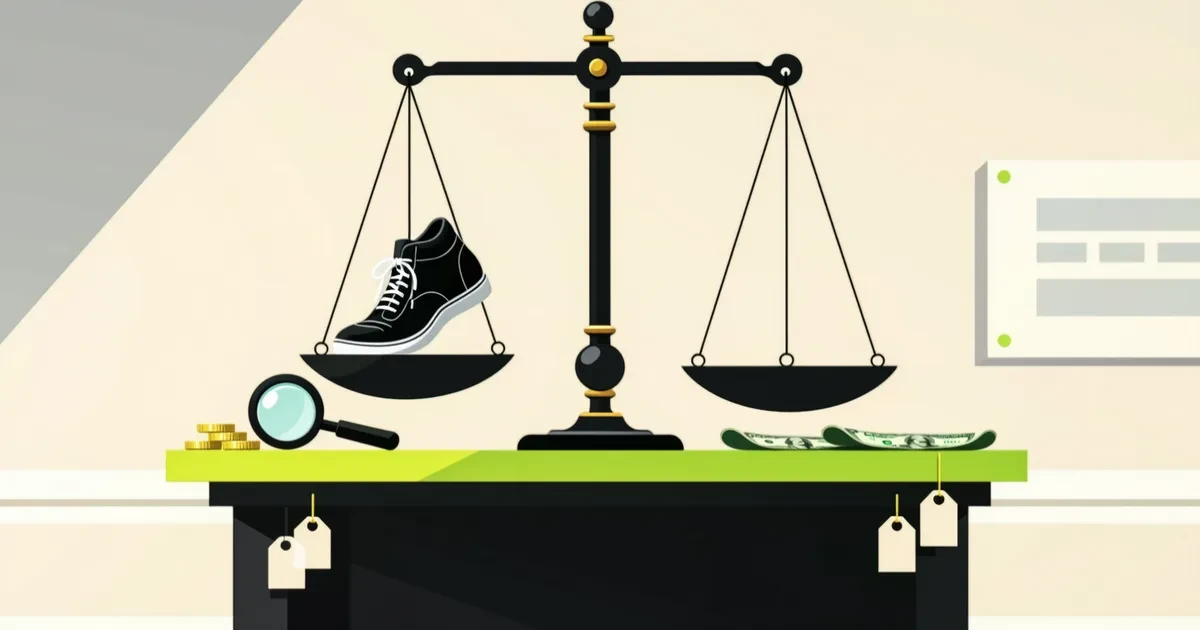
Look at the market, not a single listing
Open the category page for your city — for example, "Phones in Kyiv". We automatically compute the minimum and average price across active listings, so you instantly see the market corridor.
One listing is not the market: some people overprice "just in case", others underprice for a quick sale. The reference point is dozens of listings at once.
Five factors of a used item's price
Condition (mint / used / for parts), completeness (box, receipt, accessories), age and warranty, seasonality (bikes cost more in spring, heaters in autumn), and city (Kyiv prices are usually higher than in small towns).
New listings appear every day, so the "average price" is a live indicator: check it right before buying or publishing.
How to negotiate politely
Buyer: justify the discount with facts (a defect, missing accessories, a lower price on a neighbouring listing), not "because I want it". 5–10% off the asking price is the market norm.
Seller: if bargaining wasn't planned, write "final price" in the description — it filters out half the haggling, but be ready for some buyers to move on.
When the price is "too good"
A price 30–50% below average with no explanation is most likely fraud, stolen goods or a hidden defect. Ask directly: "Why this price?" Honest sellers answer calmly and specifically.