Selling books fastest is possible through a well-prepared classified ad on a listing site: a few clear photos, an honest description of condition, a price close to similar offers, and a clear pickup method. The rest is prompt replies to messages and caution with payments. This guide shows you step by step how to do it.
The second-hand book market is large and local. Buyers look for specific titles, editions, and series, but they also browse nearby to avoid paying for shipping. That's why an ad works best when it includes the title, author, publisher, year of publication, condition, and city. A seller who provides this information upfront gets fewer questions and more serious inquiries. Also keep in mind that as a private individual selling your own books, you operate differently from a shop or antiquarian bookstore, and that affects what you must tell the buyer.
- Set a realistic price by looking at similar listings in the same city and condition, not the cover price.
- Take photos in daylight, showing the spine, cover, title page, and any damage.
- In the description, include author, title, publisher, year, and condition. This filters out random questions.
- Don't ship the book before confirming the money has arrived. A screenshot is not proof of transfer.
How to set a price to sell books in a reasonable time
Set the price based on what similar copies actually sell for, not what the book cost in a bookstore. Go to the category, enter the author and title, filter by city, and see how many active listings there are and how long they've been up.
A book that's been listed for three months without change is probably overpriced. A copy that sells in two days might have gone too cheap, but when selling single items, time matters more than the last few dollars.
What determines the price of a used book
Several things affect the price that buyers check first. Go through them before publishing.
- Edition and year. First editions and titles that are out of print hold their value longer.
- Condition. A broken spine, scribbled margins, or water damage lower the price more than a bent corner.
- Completeness. Box sets, included CDs, dust jackets, and maps inside raise the price.
- Local demand. An academic textbook sells better in a city with a university than in a small town.
For sets, calculate the value of the whole set but list it as one offer. Splitting a series into individual volumes rarely pays off because buyers want the complete set.
Three strategies: fast, higher price, trade-in
| Strategy | When it pays off | Time to sell | Notes |
|---|---|---|---|
| Quick sale | Many books, no space, moving out | A few days | Price at 40 to 60 percent of rates from similar listings |
| Best price | Rare editions, complete series, good copies | From a few weeks to months | Requires patience and refreshing the listing |
| Trade-in | Antiquarian bookstore or buyback accepts books | Immediately | You get less but don't deal with shipping or buyers |
If you have dozens of books, mix strategies. List rare titles separately at a higher price, and popular items in one combined listing to avoid creating a hundred separate entries.
How to prepare an ad that gets responses

An ad works when buyers see in seconds exactly what you're selling and whether it's worth asking. Photos and description do more here than any marketing trick.
Photos that don't scare people off
Take four to six photos. The first should show the entire cover, straight on, without fingers in the frame. Then: spine, title page with the year visible, table of contents, and each defect up close. Photos on a bed under yellow light look bad even for a good book. Go out on the balcony or stand by a window during the day. If you're selling a set, take one photo of the whole stack and one close-up of the most damaged copy.
Description that answers questions before they're asked
In the title, include the author and title, not just "book" or "textbook". In the body, write the publisher, year, number of pages, condition, and pickup city. Mention if the book has underlining, pencil notes, a library stamp, or sticker residue. The latter sounds unfavorable, but if hidden it'll come out at pickup and the buyer will back out. If you're selling a textbook, add the edition number and whether it matches the current course syllabus.
The most common reason an ad gets no inquiries is a missing price or "price negotiable". Buyers see that as an invitation to haggle and look elsewhere.
EX & GO lets you filter listings by city and radius, so buyers near you see your ad without searching the whole country. Check the listing rules so you know what moderation won't allow before you post.
How to respond to buyers and filter out scammers
Most scam attempts when selling books look similar and rely on urgency. Someone writes briefly, wants to move fast, suggests their own payment method, and asks no questions about the book. That's the first red flag.
Schemes worth knowing
A fake transfer confirmation screenshot is the most common trick. An image can be edited in minutes, so a screenshot alone isn't proof. Check your bank app balance before you send anything.
The second scheme is courier and prepayment. The buyer claims they'll arrange a courier and sends a link to a "form" where you enter card details to "receive money". No legitimate courier company asks the seller for card details to get paid. The third variant is overpayment: someone sends more than agreed and asks for the difference back to another account. Later, the original payment turns out not to exist.
Safe payment methods for private sales
For in-person pickup, the simplest is to take cash and count it in front of the buyer. For shipping, a regular bank transfer works, but only pack the book after the funds clear. Don't agree to off-platform payment if you don't understand the mechanism, and don't click links sent in messages.
Where to meet and how to hand over the book
Choose a pickup spot with foot traffic and good lighting. You'll be checking the book's condition with the buyer, so it should be possible to open it and inspect the pages.
Good spots include a train station hall, shopping mall, café on a main street, or near a university on weekdays. In smaller towns, the market square or area near the town hall works. Avoid apartments and stairwells, especially when selling a single copy for a few dollars. If the buyer asks for shipping, pack the book in cardboard and plastic, because a plastic envelope won't protect the spine.
For larger amounts, it's worth signing a short receipt with the date and title. This isn't a legal requirement for one book, but for a set worth a few hundred dollars, it keeps things clear.
What the law says about private sales
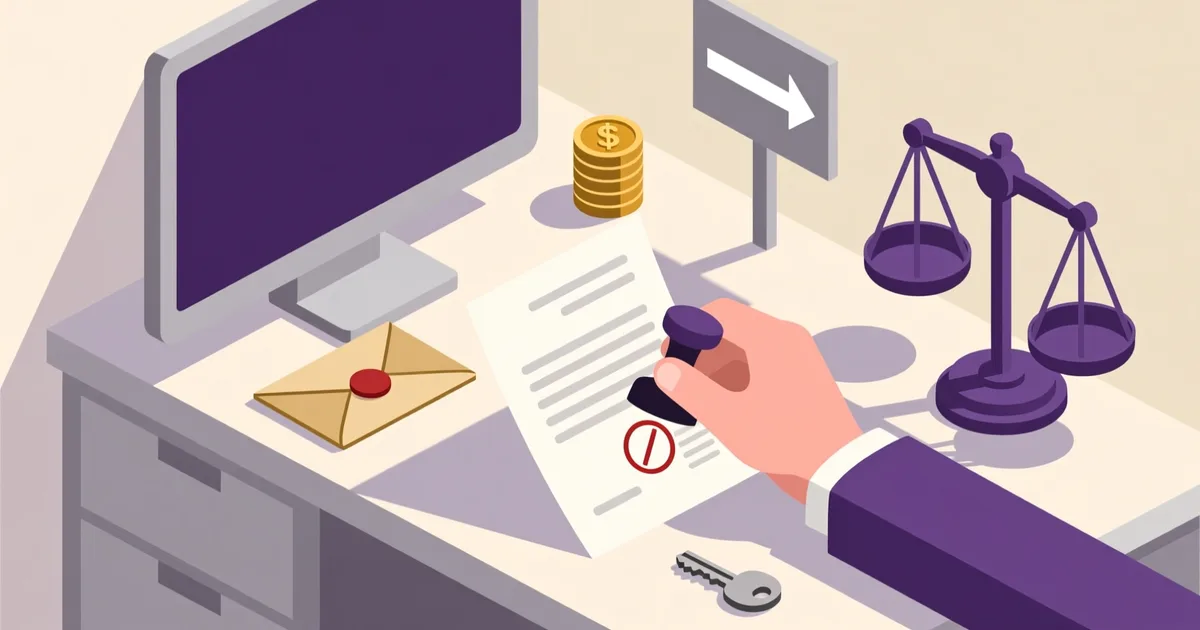
When you sell your own used books as a private individual and don't do it as a regular business, you don't have the information obligations that apply to businesses. The buyer then has no right to return the goods just because they changed their mind.
The situation is different if you sell regularly, in an organized and profit-oriented way. Then the activity may be treated as a business, and a buyer who is a consumer gains rights you must inform them about. The line isn't defined by a single number; it depends on scale and repetition. If you run an antiquarian bookstore or buyback service, check current guidelines on the UOKiK and gov.pl websites before you start listing in larger numbers.
Regardless of scale, the listing description must be truthful. A buyer who receives a copy with an undisclosed defect can demand a price reduction or cancel the contract.
How much to pay for shipping and how to settle it
Shipping cost depends on weight and size. A single paperback usually fits in the cheapest tier; a set of volumes or a coffee-table book may require a higher rate. State the shipping cost in the ad so you don't have to negotiate it after the fact.
Decide who pays for shipping before the buyer sends money. The simplest model: book price plus shipping cost, paid in one transfer. If you offer both in-person pickup and shipping, make that clear in the description. add a listing
For shipping, keep the proof of dispatch and tracking number. Send it to the buyer in a message. In case of a dispute, you then have evidence that the book left your hands. used books
Checklist before publishing your ad
- The title includes the author and full title, not just the word "book".
- The description includes publisher, year, and condition with specific defects.
- Photos are sharp, taken in daylight, and show the spine and damage.
- The price is compared with several similar listings in your city.
- The city and pickup location are given, along with shipping availability.
- You know what payment you expect and don't agree to unclear methods.
- You've checked the rules of the site where you're publishing.
Frequently asked questions about selling books
How much can I get for used books?
There's no single rate. Popular novels and required reading usually sell for a few to a dozen or so dollars per copy, while academic textbooks and specialist books go for more if they're current. Rare editions and complete series can fetch higher amounts. The best reference point is active listings in your city with similar condition and edition, not the cover price.
Do I need to report selling private books anywhere?
Occasional sales of your own belongings, including books, don't require registering a business. The situation changes if you sell regularly and in an organized way, as authorities may consider that a business activity. At a larger scale, check current information on gov.pl and consult an accountant if you're unsure.
How can I quickly sell dozens of books?
Take one photo of the whole stack, list the titles in the description, and offer the set as a single listing with a price for the lot. Set aside rare items separately. If you're in a hurry, drop the set price by a few dozen percent compared to the sum of individual listings. Bulk buyers respond to a clear, complete list and a specific price.
How do I spot a scammer when selling books?
A scammer rarely asks about the book itself. They write briefly, push for a quick decision, suggest their own payment method, and send a link to a 'form' or a screenshot of a transfer. A real buyer asks about condition, edition, and pickup time. Check your bank balance, don't trust images, and don't click links from messages.
Can I ship a book before receiving payment?
No, if you don't know the buyer. Wait until the transfer appears in your account, not just in a notification. For in-person pickup, take cash and count it in front of the buyer. Exceptions are when you work with a trusted regular buyer and have established payment rules.
What should I do if a buyer claims the book doesn't match the description?
Ask for photos and compare them with what you wrote in the listing. If the flaw was described, explain calmly and point to that part of the description. If you missed a defect, offer a price reduction or a return. In a private sale, the buyer doesn't have an automatic right to return, but a compromise usually resolves things faster than a dispute.
Where's the best place to list books for sale?
Where buyers can filter listings by city and distance, because books are rarely worth shipping individually. It also helps to have the ability to check the seller's history and message within the platform. You'll find publishing rules and message support in the help center.
Summary
You can sell books without much risk if you stick to a few rules: honest description, realistic price compared to similar listings, and a clear pickup method. Take photos in daylight, include publisher, year, and condition in the description, and in messages don't trust screenshots or links to "forms". Meet in public places and pack the book so it arrives undamaged.
With dozens of copies, mix strategies: list rare titles separately, group popular ones into sets. Check the rules of the site where you publish, and keep the checklist from this guide handy. Then selling goes smoothly, and you don't waste time on questions that should have been answered in the ad from the start.