Buying used books in Israel is easiest through private sellers' listings: on classifieds, in city groups and at library sales. Prices usually range from 10 to 60 shekels per volume, with rare editions costing more. Before paying, check the condition, edition and seller, and arrange to meet in a public place.
The used book market in Israel rests on three pillars. First: people clearing out apartments before a move and selling entire shelves. Second: second-hand bookshops in Tel Aviv, Jerusalem and Haifa, where the selection is wider but the markup is higher. Third: online listings, where seller and buyer deal directly. For the buyer the difference is fundamental: in a shop you pay for curation and a guarantee, from a private seller you save but take on the checking yourself.
Below is a breakdown without fluff: where books actually get listed, how to read a listing, what to look at during the meeting, and how much it costs in different cities. This material is for a buyer reading on a phone who wants a checklist they can use right at the building entrance.
- Private sellers offer the lowest price, a shop offers a condition guarantee, and a classifieds site with seller history offers a balance.
- Paying a stranger before inspecting the book is the main sign of a scam.
- At the meeting, check the edition, year, binding, pages and smell, not just the cover.
- Haggling is almost always appropriate, especially when buying several volumes at once.
Where to buy used books in Israel: private sellers, shops and listings
The main channel for private sales is online listings. The seller posts photos, price and city; the buyer filters by locality and category, messages within the platform and arranges a meeting. That's how EX & GO works, for example: listings are moderated, phone numbers are verified, and the deal stays between the parties-the platform doesn't hold the money.
The second channel is second-hand bookshops. There aren't many, but they carry Russian-, English- and Hebrew-language stock. Plus: you can browse the book before buying. Minus: the price is higher, and rare items go fast.
The third channel is library sales and fairs. Municipal libraries in Tel Aviv, Haifa and Rishon LeZion periodically clear their collections and put withdrawn books out at symbolic prices. Watch municipal event calendars: dates are published in advance.
Why listings beat shops on price
A shop factors rent, wages and curation time into the price. A private seller is selling what's already in their home and often just wants to free up space. Hence the two-to-three-fold gap on the same edition.
What a shop gives you that a private seller won't
The option to come back. If a day later you find pages missing, a shop will usually work with you. With a private seller that conversation almost always goes nowhere, so checking before paying is critical.
How to read a listing and avoid getting scammed
A good listing answers four questions: what the book is, what condition it's in, where it is and how much it costs. If even one point is vague, that's a reason to ask before the meeting, not to travel across half the city.
Look at the photos. A single cover shot tells you nothing. A proper seller shows the spine, the title page spread and where the binding is splitting. Stock images from the internet, perfect studio shots and no household background are a signal you won't be seeing the book.
Read the listing text for contradictions. The publication year doesn't match the cover, a translation is named but the translator isn't, the price is noticeably below market for a rare volume. Every such mismatch is worth clarifying with a direct question.
Signs of fraud
A request to transfer prepayment or a deposit before inspection. An offer to send the book by courier because the seller is supposedly in another city. Time pressure: "there's already another buyer, transfer now." A demand to move to a messenger and delete the conversation on the platform.
A separate note on payment links. If you're sent a form to enter card details, that's not a book sale. A real deal at a meeting looks different: you see the book, pay in cash or by transfer, and take it.
At the meeting, open the book to the middle and gently pull both halves apart. If the page block holds firm and doesn't split, the binding is sound. A split block you'll feel immediately, and that's the defect photos don't show.
Checklist before the meeting and during inspection
Preparation takes five minutes and saves a trip. First confirm the city and neighborhood with the seller, then agree on a time, then check that the book hasn't sold yet. Then the list below comes into play.
Before you leave
Ask for the exact edition: author, title, publisher, year. For translated literature, confirm the translator-different translations are priced differently. Ask for photos of the spine and title page. Agree that the inspection will take a few minutes and that the purchase depends on condition.
On site
Check in order: the cover and its corners, the spine top and bottom, the title page, whether all pages are present, signs of moisture, mold and smell, pen marks and bookmarks. Flip through to the end, not just halfway. If it's a heavy volume or a multi-volume set, check that the set is complete.
Arrange the meeting in a crowded place: a mall entrance, a station, a library. This is normal practice, and sellers take it calmly.
How much to pay for used books in Israel
Price depends on language, condition and rarity. Mass-market Russian-language paperback fiction sits at the lower end. Textbooks, dictionaries, art books and antiquarian items cost more. A hardcover adds to the price but won't save a book with a split block.
| Purchase channel | Typical price | Condition | Seller check | Returns |
|---|---|---|---|---|
| Private seller | 10-40 shekels | as described, you check yourself | via messages and reviews | no |
| Second-hand bookshop | 30-120 shekels | curated | shop's reputation | often possible |
| Classifieds with seller history | 10-60 shekels | depends on seller | profile, reviews, moderation | no, but there's history |
| Library sale | 5-20 shekels | withdrawn stock | organizer is known | no |
The ranges above are a guide for major cities: Tel Aviv, Jerusalem, Haifa, Rishon LeZion, Petah Tikva. Prices are higher in Tel Aviv due to demand; in Petah Tikva and Rishon LeZion they're often lower, but the selection is smaller. Buying several books from one seller almost always lowers the per-item price.
Where to compare: used books. It's useful to see what similar editions have sold for in your city in recent weeks and start the conversation from that number.
How the deal works and what the law says
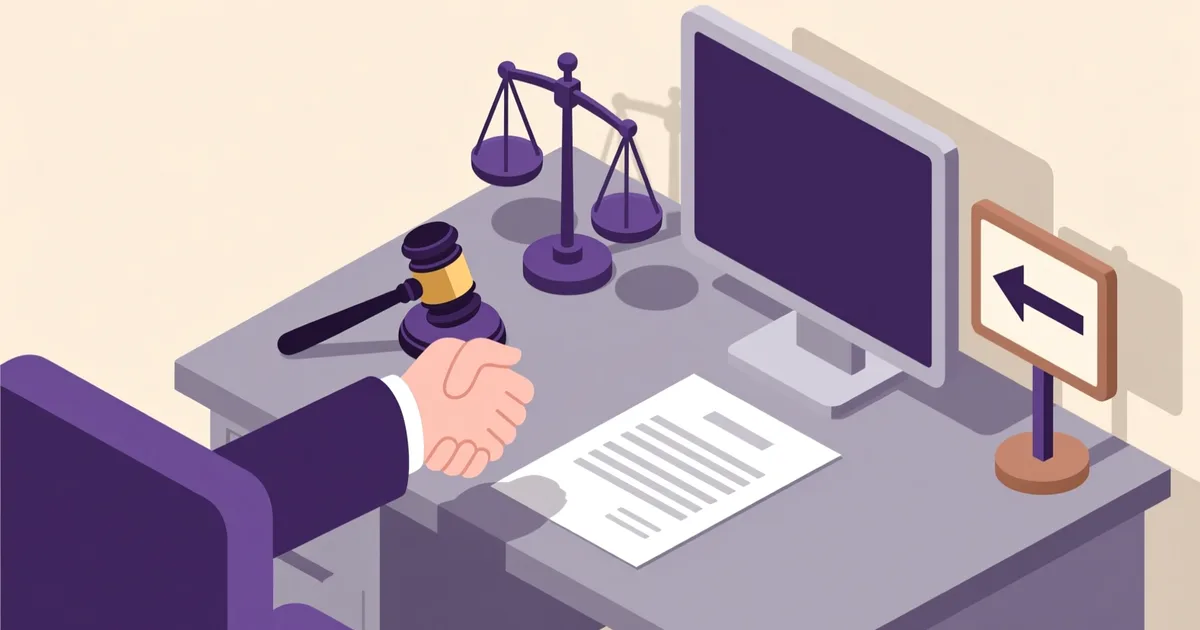
A deal between private individuals in Israel is simple: inspection, agreed price, payment, handover of the book. No contracts are needed for a single book. If the seller asks for prepayment before inspection, it's reasonable to decline and look for another listing.
Consumer rights protect the buyer in dealings with a business, not with a private individual. Buying from a shop falls under general trade rules, including the possibility of returns in established cases. Buying from a private individual offers no such guarantees, so all responsibility for checking rests with you.
If you're buying from a seller who trades regularly, keep the messages and receipt. This will help if a dispute arises. The rules for posting and behavior on the platform are described in the /ru/rules section, which also states which listings moderation removes.
We see from the catalog that buyers most often ask about multi-volume completeness and binding condition, so listings with spine photos close deals faster.
How to haggle for books
Haggling is normal in Israel, but it only works with an argument. State your reason: a worn spine, missing dust jacket, margin notes, a price in a nearby shop. The seller either agrees or explains their number.
Buying three books? Ask for a price for all together. This benefits both sides: the seller closes several items in one meeting. Don't pressure with urgency and don't start at half the asking price if the book is genuinely rare.
It helps to decide in advance how much you're willing to pay and stick to that number. If the seller won't budge and the book isn't critical for you, walk away calmly: similar editions come up regularly. You can compare current offers by city here: used books in Tel Aviv.
Frequently asked questions
Where in Israel can I find used books cheaply?
The lowest prices come from library sales and private listings: books go for 5-40 shekels there. Follow municipal event calendars in Tel Aviv, Haifa and Rishon LeZion and listings in your city. Shops are pricier but let you inspect the book before paying. Buying several volumes from one seller lowers the per-item price.
Can I buy books from private sellers without prepayment?
Yes, and that's standard practice. Payment happens at the meeting after inspection. Being asked to transfer money in advance, especially to an unfamiliar seller in another city, is a common scam. If the seller insists on prepayment, look for another listing: there are plenty of options.
How do I check a book's condition at the meeting?
Inspect the cover and corners, then the spine at the top and bottom. Open the book to the middle and check whether the page block holds together. Flip through to the end and make sure all pages are present and there are no signs of moisture or mold. Also check the title page: it lists the publisher, year and translator.
How much do used books cost in Israel?
Mass-market paperback fiction usually costs 10-40 shekels. Textbooks, dictionaries and antiquarian books are more expensive, from 40 to 120 shekels and up depending on rarity. Prices are higher in Tel Aviv due to demand, lower in Petah Tikva and Rishon LeZion. Check current listings for an exact range in your city.
What should I do if the book turns out to be incomplete?
When buying from a private individual, getting a refund is hard: consumer protection law covers transactions with businesses. That's why you check completeness before paying. If the seller trades regularly, keep the messages and receipt; they'll help if there's a dispute. For platform-related issues, contact support: /ru/support.
Meeting a seller: where is it safer?
Choose crowded places: a mall entrance, a station, a library, a roadside cafe. During the day and in your area if possible. Don't agree to meet in a stairwell or a parking lot in an industrial zone. A normal seller is fine with such a suggestion.
Key takeaways
Buying used books in Israel is cheapest through private sellers' listings, and that's also where the risk is higher, so checking the condition and the seller matters more than saving. Keep three things in mind: look at photos of the spine and title page, don't pay before inspecting, and meet in a crowded place. A shop and a library sale are a good alternative when you need a specific volume or a condition guarantee.
Prices vary across major cities, so before buying it's useful to compare several listings in your area and negotiate from a real number. If you're unsure about a seller, check their history and reviews on the platform, and clarify the posting rules in the /ru/rules section. This approach saves both money and time.