To rent an apartment in Israel you need to search local classifieds, verify the owner, inspect the property and sign a written contract. Prices vary by city, with Tel Aviv costing more than Haifa or Ashdod. You pay a deposit, monthly rent and utility bills directly to the landlord after checking the listing details.
Finding housing here requires patience. The market moves fast, especially in Tel Aviv and Jerusalem. Landlords expect quick decisions, but rushing leads to costly mistakes. You must understand where owners publish their properties, how to filter options by district and what documents protect your money. Many newcomers overpay because they skip basic checks or trust unverified agents. This guide explains the exact steps tenants take when they rent an apartment in Israel, from the first search to handing over the deposit. We cover pricing differences across major cities, red flags in listings and the specific clauses your contract needs.
- Search verified classifieds and filter results by city, district radius and price.
- Verify the landlord's identity using the Tabu land registry before signing anything.
- Inspect water pressure, mold, electrical outlets and window seals during the viewing.
- Sign a written lease that specifies the deposit amount, maintenance duties and notice period.
Where to look when you rent an apartment in Israel
Owners list properties on general classifieds platforms, dedicated real estate sites and social media groups. General classifieds often provide better tools for filtering by specific neighborhoods and allow you to see seller history. Dedicated agencies charge fees but handle paperwork.
Social media groups move quickly but lack moderation. Scammers operate freely there. A structured marketplace gives you filters for city, district radius and category. You can message the seller inside the site and review their past transactions.
We check every new real estate listing on EX & GO to confirm phone numbers and remove duplicate posts before buyers see them. This moderation matters because fake listings waste your time and expose you to fraud.
Tel Aviv has the highest demand. Listings disappear within days. Haifa offers lower prices, particularly in the Hadar and Bat Galim neighborhoods. Jerusalem splits between expensive central areas and cheaper outskirts like Pisgat Ze'ev.
Netanya attracts many immigrants, creating steady demand near the beach. Ashdod provides larger units for less money compared to the center. If you want to compare current asking rates across these cities, browse apartments for rent to see what private owners actually ask for their units today.
Filtering by city and neighborhood
Broad searches return thousands of irrelevant results. Narrow your search to specific streets or a set radius around your workplace. Proximity to a train station in Netanya or a light rail stop in Jerusalem changes the daily commute significantly.
Setting price alerts
Good deals vanish in hours. Set up notifications for your target area so you receive a message the moment a matching property appears. Call immediately rather than sending a text message.
What should you check before you rent an apartment in Israel?
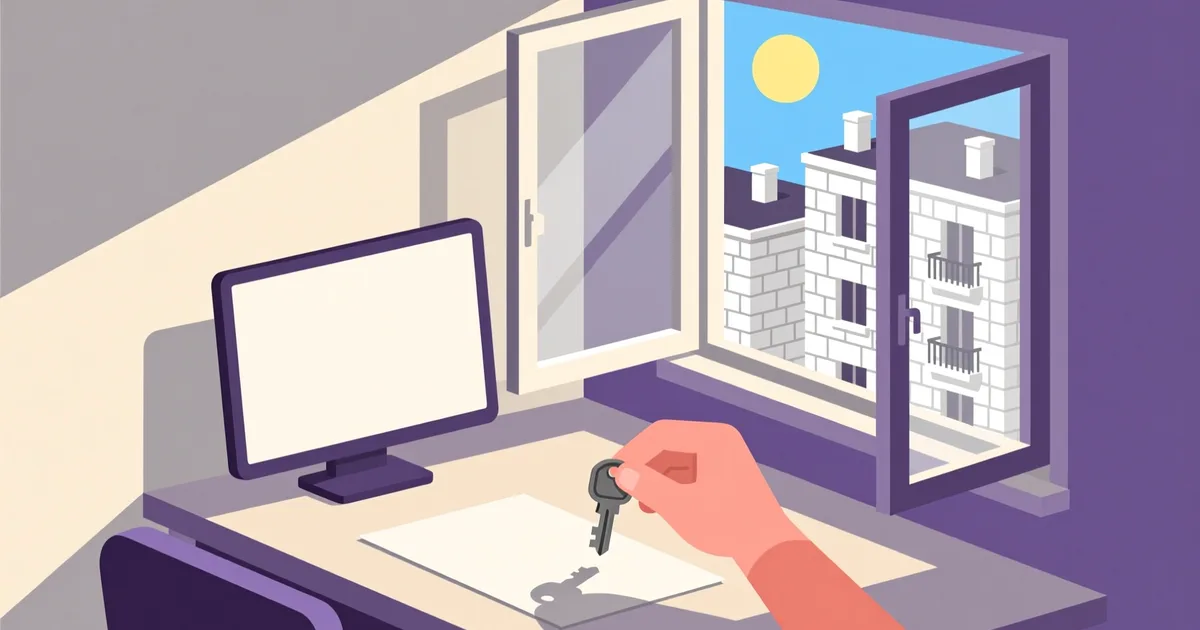
You must verify ownership, inspect the physical condition and confirm utility costs before committing. Skipping these steps leaves you vulnerable to eviction or unexpected repair bills. Always request the Tabu extract.
The Tabu is the Israeli land registry. It proves who owns the unit. Ask the landlord for the parcel and sub-parcel numbers. You can cross-reference this data through official government channels Government of Israel. Never hand over money to someone who cannot prove ownership or show a valid power of attorney from the registered owner.
Physical inspections require attention to detail. Do not just look at the furniture. Open cabinets, run taps and check the ceiling corners for brown spots that indicate leaks. Visit the building stairwell to gauge overall maintenance.
Always visit the property twice. Go once during the day to check natural light and structural condition. Return in the evening to hear the actual noise levels from neighbors and street traffic. A quiet street at noon might sit directly under a flight path or next to a busy restaurant by eight o'clock.
Viewing checklist for tenants
Bring this list on your phone when you attend a viewing. Check each item before agreeing to terms.
- Water pressure in the shower and kitchen sink.
- Mold spots behind wardrobes and under windows.
- Number of working electrical outlets per room.
- Condition of window seals and air conditioning units.
- Cellular reception inside the rooms, especially in older concrete buildings.
- Parking availability and whether it requires a separate fee.
How much does it cost to rent an apartment in Israel?
Rental costs depend heavily on location, size and building age. A two-bedroom unit in south Tel Aviv costs significantly more than a similar space in Ashdod or upper Haifa. Budgeting requires calculating base rent plus mandatory extras.
Tenants pay Arnona, which is the municipal property tax. This bill arrives every two months and varies by municipality and apartment size. Jerusalem charges different rates than Netanya. Water and electricity are billed separately based on consumption.
Building maintenance fees, known as Vaad Bayit, cover stairwell cleaning, elevator upkeep and shared gardens. Ask the landlord for the exact monthly amount. Older buildings without elevators charge less, but you carry your own groceries up four flights of stairs.
If your budget is tight, look toward peripheral cities. Beersheba and Karmiel offer substantially lower monthly payments than the coastal center. You trade commute time for financial breathing room. To find affordable options posted directly by owners, use apartments for rent in Tel Aviv and sort the results by lowest price first.
Negotiating the monthly payment
Landlords expect negotiation. If the unit sat empty for weeks, you have leverage. Offer to sign a longer lease, such as two years instead of one, in exchange for a lower monthly rate. Point out necessary repairs as bargaining chips.
Which rental method works best when you rent an apartment in Israel?
You can deal directly with owners, hire a real estate agent or use a moderated marketplace. Each approach carries different costs and risks. Direct deals save commission fees but require you to handle all legal checks yourself.
Agents typically charge one month of rent plus VAT. They arrange viewings and draft contracts, saving you time if you just arrived in the country. However, some agents represent the landlord, not you. Clarify who pays the fee before viewing properties.
Moderated marketplaces sit between these extremes. Platforms like EX & GO let private sellers and businesses post listings with photos and prices. You can read the posting rules at EX & GO rules to understand how moderation protects users. The platform verifies phone numbers and holds no payments, meaning you arrange the deal directly with the owner.
The main advantage of a structured marketplace is transparency. You see the seller history and reviews left by previous tenants. This context helps you avoid problematic landlords who refuse to fix broken appliances or withhold deposits illegally.
| Method | Cost to tenant | Verification level | Contract support |
|---|---|---|---|
| Direct from owner | No commission | You must verify Tabu | You draft or hire a lawyer |
| Real estate agent | One month rent plus VAT | Agent checks ownership | Agent provides standard form |
| Moderated marketplace | No commission | Platform verifies phones and reviews | Parties arrange directly |
What belongs in the contract when you rent an apartment in Israel?
A proper tenancy agreement must include the rent amount, payment date, deposit size, maintenance responsibilities and the notice period. Verbal agreements hold little weight in disputes. Insist on a written document signed by both parties.
The deposit usually equals one or two months of rent. Landlords hold it to cover unpaid bills or damage. The contract must state exactly when and how the deposit returns after you leave. Some landlords ask for a bank guarantee instead of cash.
Specify who handles repairs. Standard practice dictates the landlord fixes structural issues and major appliance failures, while you replace lightbulbs and unclog minor drain blockages. Write this down clearly to prevent arguments later.
The notice period allows either party to end the lease early. Thirty to sixty days is standard. Ensure the contract states whether you can sublet the unit if you need to leave the country unexpectedly. Many expats overlook this clause and lose their deposit when work forces a sudden relocation.
Understanding utility transfers
You must register the electricity meter and water account in your name upon moving in. Leaving them under the previous tenant creates liability for their unpaid debts. Visit the local municipality office to update the Arnona registration immediately.
Questions people ask when they rent an apartment in Israel?
Do I need a guarantor to rent an apartment in Israel?
Many landlords require an Israeli guarantor who signs the contract alongside you. If you lack local connections, you can offer several months of rent in advance or purchase a bank guarantee. Some landlords accept foreign employment contracts as proof of income instead of a guarantor, but this depends entirely on the individual owner.
How much is the standard security deposit?
Landlords typically ask for one to three months of rent as a security deposit. The exact amount depends on the property value and your perceived reliability. The contract must specify the conditions for returning this money. Landlords cannot legally deduct funds for normal wear and tear, only for actual damage or unpaid utility bills.
Who pays the real estate agent commission?
In most Israeli cities, the tenant pays the agent fee if the agent showed the property. This fee usually equals one month of rent plus value added tax. Sometimes the landlord and tenant split the cost. Always confirm the commission structure in writing before attending any viewings arranged by an agency.
Can a landlord increase the rent during the lease?
No. The signed contract locks the monthly payment for its entire duration. A landlord can only raise the price when the lease expires and you negotiate a renewal. If the contract includes an option to extend for a second year, it should state the exact percentage of the permitted increase beforehand.
What happens if the landlord sells the property?
Your existing lease remains valid even if the building changes hands. The new owner inherits the contract and must honor its terms until the agreed end date. They cannot force you to vacate early unless the original contract contains a specific diplomatic or sales clause allowing termination with proper notice.
Securing housing here demands preparation. When you rent an apartment in Israel, rely on documented facts rather than verbal promises. Verify ownership through the Tabu, inspect the plumbing and electrical systems thoroughly, and read every line of the lease before signing. Compare options across Tel Aviv, Haifa, Jerusalem, Netanya and Ashdod to match your budget with the right neighborhood. Use moderated platforms to review seller history and avoid common scams. Keep copies of every payment receipt and utility transfer document. Taking these steps protects your deposit and prevents disputes. The process feels overwhelming initially, but following a strict checklist turns a stressful search into a predictable transaction.