Buying used women's clothing in Poland usually ends well when you buy from a verified seller, zoom in on photos, and pay on delivery. This guide shows where to look for offers, how to read listings, what to check at the meeting, and how much to realistically pay for used women's clothing in 2025.
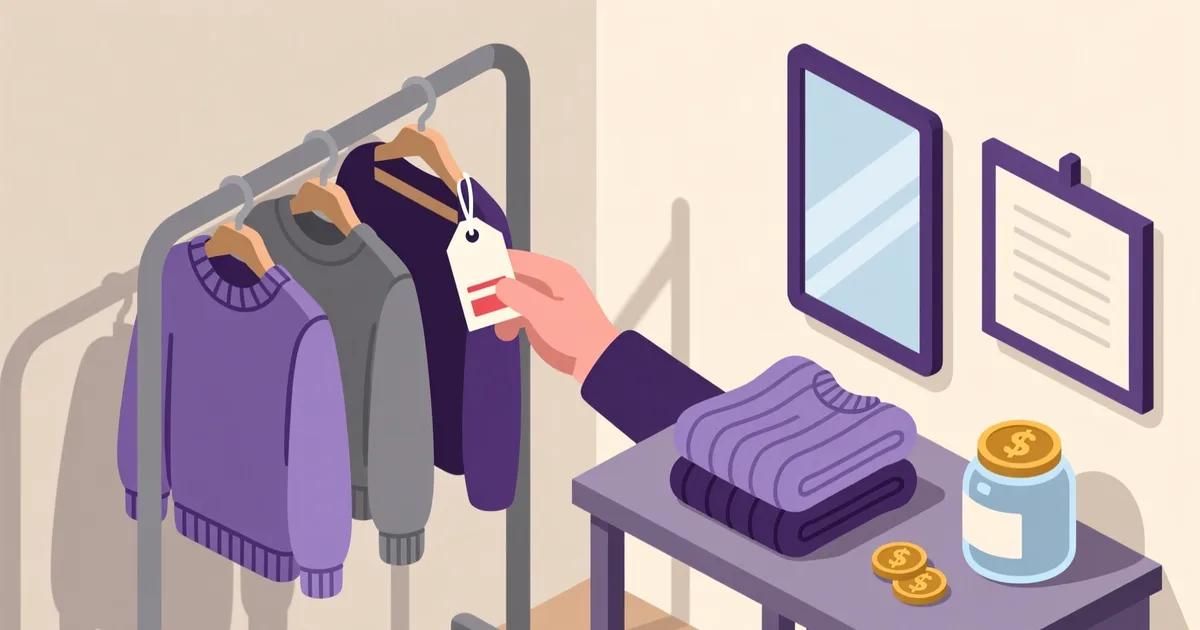
The second-hand market in Poland works differently from a chain of stores. Some clothes end up in consignment shops and thrift stores, while others circulate between private individuals on apps and listing sites. For the buyer, this means one thing: the price depends on the brand, condition, and whether the seller wants to get rid of the item quickly or is waiting for a specific amount. In Warsaw, Krakow, or Wroclaw, supply is greater, so it's easier to negotiate. In smaller cities, the selection may be more modest, but prices are lower.
Before you start browsing offers, make a list. Size, style, brand, maximum amount. Without it, you'll end up with five items you'll never wear. This guide walks you through step by step: from searching, through reading the listing, to closing the deal and the rights you're entitled to.
- First decide on size, brand, and budget, then start looking.
- Zoom in on photos and check the seller's history, not just the price.
- Don't pay a deposit before seeing the item, unless you know the seller.
- Go to the meeting with a list of questions and cash for the agreed amount.
Where to buy used women's clothing in Poland
You'll find the most private listings on classified sites and local groups. The second place is consignment shops and second-hand stores, where you can try the item on on the spot. The third is flea markets and swap meets, which take place on weekends in larger cities.
Classified sites have one advantage: filtering by city and category. On EX & GO, listings include photos, price, and location, and buyers can filter by city and district radius. This matters when you're looking for something today and don't want to travel across half the country. In the women's clothing category, there are fewer offers than in electronics, so it's worth setting up notifications.
Social media groups move fast, but they're hard to search. A listing disappears within an hour under a flood of new posts. Consignment shops have a steady selection and fitting rooms, but the seller's markup raises the price by 30 to 50 percent compared to a private sale.
Cities with the largest supply
Warsaw, Krakow, Lodz, Wroclaw, and Poznan are the markets with the widest selection. In Warsaw, districts like Mokotow and Praga-Poludnie dominate, where many people sell off-season items. In Krakow, keep an eye on Podgorze and Krowodrza. Lodz has a strong second-hand scene around Piotrkowska Street. In Wroclaw, many listings come from Krzyki and Nadodrze. In Poznan, from Jezyce and Wilda.
This doesn't mean there's nothing to find in smaller cities. Quite the opposite: less buyer competition means easier negotiations. Just expand your search radius by 20 to 30 kilometers.
How to read a listing and spot a scam

A good listing has four elements: original photos, measurements or size, a condition description, and clear pickup details. If any of these is missing, ask a question before the meeting. A seller who avoids answering usually has a reason.
Stock photos from the brand's catalog are the first warning sign. The second is a price much lower than market value for a brand that rarely loses value. The third is a request for prepayment to an account or BLIK before shipping, especially when the seller has no history or reviews.
If a seller asks for a deposit but won't show the label or a close-up photo, walk away. Losing a few minutes is cheaper than losing money.
Scams that repeat most often
A courier that doesn't exist. The seller sends a link to a payment page that looks like a well-known provider, but the address differs by one letter. After you enter your details, the money disappears. Such sites impersonate payment providers, and UOKiK regularly warns about these practices UOKiK.
The second version is overpayment. The buyer gets a message that they paid too much and should refund the difference. In reality, the transfer never arrived. The third is a fake shipping confirmation with a tracking number that doesn't exist in the carrier's system.
How to protect yourself? Check the tracking number on the carrier's website, not via a link from the seller. Pay on delivery if possible. Read reviews about the seller, not just the number of listings. On EX & GO, phone numbers are verified and listings are moderated, so the risk is lower than in unmoderated groups. You can find the publishing rules in the site terms.
Meeting checklist
Go to the meeting in a public place, preferably during the day. A cafe, shopping mall, or bus stop on a busy street. Don't let a stranger into your home and don't go to theirs alone if you don't have to.
Once there, examine the item in daylight. Artificial light in an apartment hides scuffs and stains. Ask to try it on if possible, or bring a tape measure and measure the item flat.
What to check on specific parts of clothing
Under the arms: yellow stains and scuffs. This is the most common wear area on shirts and sweaters. On the zipper: does it run smoothly and does the slider stay put. In the lining: tears at the seams. On the label: composition and washing instructions, because wool and silk require different care than cotton.
On shoes, check the sole from underneath and the condition of the heel. On bags, examine the bottom and handles, as wear shows there fastest. On skirts and dresses, check the zipper and lining, and on jeans, the crotch and pockets.
Ask directly: has the item been washed, does it come from a pet-free home, does it have any hidden flaws. An honest seller will mention a flaw before you find it. If something doesn't feel right, you have the right to walk away without explaining yourself.
How much to pay for used women's clothing
Prices depend on brand, condition, and season. A sweatshirt from a chain store in good condition usually costs 20 to 50 zloty. A branded dress 60 to 150 zloty. A wool coat 150 to 400 zloty if the condition is very good. A leather bag from a well-known brand 200 zloty and up.
In consignment shops, the same items cost more because the seller adds a markup. At flea markets you can find cheaper deals, but the selection is random. On classified sites, the price depends on how much the seller needs a quick sale.
How to negotiate without stress
Negotiate before the meeting, not on the spot. Write that you're interested but your budget is lower. Give a specific amount, not "can you knock something off". Sellers find it easier to accept 10 percent less than 40 percent less.
If you're buying several items from one person, ask for a bundle price. It's a natural argument and often works. If an item has a flaw that wasn't in the listing, you have grounds to ask for a lower price. Don't push if the seller says no. Sometimes it's better to wait for another offer.
Compare prices in several places before you decide. On EX & GO, you see the price, photos, and seller history in one place, so it's easier to judge whether the amount is fair. used women's clothing
How to close the deal and what rights you have
Buying from a private individual in Poland isn't subject to the same rules as buying in a store. You don't have a statutory right to return within 14 days, unless the seller offers one. You also don't have the same warranty as in a consumer sale.
It works differently at a consignment shop or second-hand store. There you buy as a consumer and are entitled to consumer rights, including the ability to file a complaint if the item has a defect. The seller must inform you about the item's condition. You can find more about seller obligations on government websites gov.pl.
When buying from a company online, you have 14 days to withdraw from the contract, provided the seller hasn't excluded this right in a way that complies with regulations. When buying from a private individual, there's no such mechanism. That's why inspecting the item before paying is so important.
What to do if something goes wrong
Keep all correspondence: messages, photos, transfer confirmations. If the seller misled you about the item's condition, you can pursue your rights. In a dispute with a company, file a written complaint and wait for a response. If you don't get a response within 14 days, the complaint is considered resolved in line with your request.
In case of fraud, report it to the police. Keep the seller's details, account number, and all correspondence. The more documents you have, the easier it is to handle the case. If you buy through a listing site, check whether it has a mechanism for reporting abuse. On EX & GO, reports go to moderation, and the rules of use are described in the help center.
Comparison: private seller, consignment shop, and marketplace with seller history
| Criterion | Private seller | Consignment shop or store | Marketplace with seller history |
|---|---|---|---|
| Price | Lowest | 30 to 50 percent higher | Depends on the seller |
| Fitting option | Usually yes, at the meeting | Yes, on site | Depends on arrangements |
| Consumer rights | No statutory return | Full consumer rights | Depends on seller status |
| History and reviews | None or minimal | None | Visible in profile |
| Fraud risk | Higher | Low | Lower thanks to verification |
| Selection | Depends on the city | Steady, limited | Wide, filterable by city |
The choice depends on what you're looking for. When you need a specific brand and size, a marketplace with seller history gives you the most information before purchase. When you want to try items on and have the right to complain, a consignment shop is safer. When price matters most, a private seller wins, but it requires more caution.
We see that in the women's clothing category, buyers most often ask about exact measurements and photos of the label, and the most moderation reports concern listings with stock photos from brand catalogs. used women's clothing in Warsaw
Frequently asked questions about buying used women's clothing
Can I return used clothing bought from a private seller?
No, if you buy from a private individual, you don't have a statutory right to return. The seller may voluntarily agree to a return, but doesn't have to. It's different at a consignment shop or store, where you act as a consumer and can file a complaint for a defect. That's why you should inspect the item in person and ask about its condition before buying.
How do I check if a seller is trustworthy?
Check their listing history, reviews from other buyers, and how they communicate. A seller who answers specifically, sends their own photos, and agrees to payment on delivery gives you more confidence. Avoid people who push for a quick payment, won't show the label, or send a payment link instead of a bank account number.
How much does used women's clothing cost in Poland?
Prices depend on the brand and condition. A sweatshirt from a chain store is usually 20 to 50 zloty, a branded dress 60 to 150 zloty, a wool coat 150 to 400 zloty. Consignment shops charge more because the seller adds a markup. At flea markets and local groups you can find cheaper deals, but the selection is smaller.
Where is it easiest to find used women's clothing in my city?
The most convenient option is listing sites with a filter by city and district. Warsaw, Krakow, Lodz, Wroclaw, and Poznan have the most offers. It's also worth checking local swap groups and consignment shops in the city center. Set up notifications for your size and brand so you don't miss new listings.
How do I negotiate the price of used clothing?
Negotiate before the meeting, not in person. Give a specific amount and justify it with the item's condition or the fact that you're buying several pieces. Asking for 10 percent off works better than asking for 40 percent. If the seller disagrees, don't push. Patience often helps you find a better offer.
Is buying used clothing safe?
Yes, if you follow basic rules. Meet in a public place, pay on delivery, check photos and the seller's history. Wash clothes according to the label before wearing them. The risk mainly involves prepayment scams, not the act of buying second-hand items.
Summary
Buying used women's clothing in Poland is now a normal way to shop, not a choice out of necessity. The most important thing is preparation: size, brand, budget, and a list of questions. Then reading the listing, checking the seller, and meeting in a public place. Pay on delivery, examine the item in daylight, and don't be embarrassed to negotiate.
Remember the difference in rights. From a private individual, you don't have a statutory return; at a consignment shop, you have consumer rights. Choose consciously, depending on what matters more to you: the lowest price or transaction safety. If you're looking for a specific brand, set up notifications and compare offers in several places before you decide.
Start with one item, not five. Your first successful purchase will teach you more than ten guides you've read. Stick to the checklist, and buying used women's clothing will become a simple and predictable task.