Buying used audio gear in Poland starts with choosing where to look: private listings, a shop with a warranty, or a marketplace with seller history. The best deals come from private sellers in big cities, but only if you know what to check and what to realistically pay before the meeting.
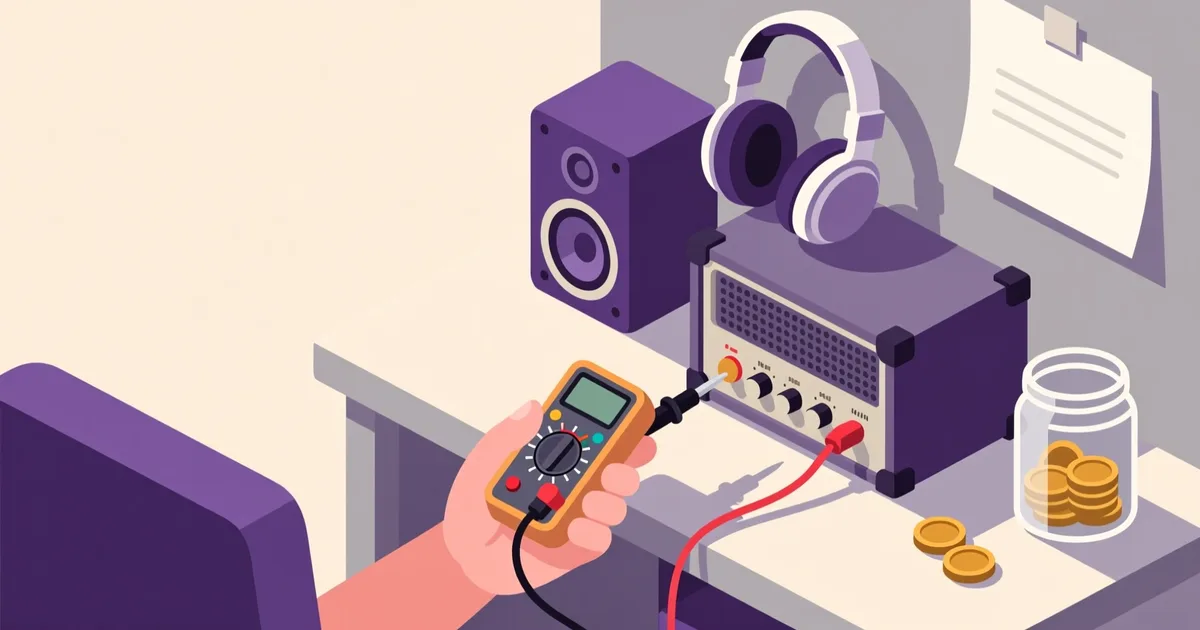
The second-hand market in Poland works differently from Germany or the UK. There's no single site with full price history, so buyers compare offers from several sources and judge for themselves whether the price makes sense. 90s amplifiers, floorstanding speakers, turntables, sound cards, and planar headphones circulate between Warsaw, Kraków, Łódź, Wrocław, and Poznań. Gear often changes hands during moves, renovations, or simply because someone got bored with the sound. Your advantage lies in patience and in the questions you ask before traveling to pick it up.
- A private seller gives the lowest price, but no warranty and no right of return.
- A physical shop or consignment store adds a startup warranty and the option to file a claim.
- A marketplace with seller history lets you check whether someone has cheated before.
- Always check the serial number, signs of repairs, and whether the photos come from the internet.
Where to buy used audio gear and how to filter listings
Private listings offer the widest selection, but they're scattered across several places. Classified sites, Facebook groups, audiophile forums, and local bulletin boards. The EX & GO catalog organizes this differently: you filter by city, district radius, and category, so you only see what you'll realistically travel for. In Warsaw, narrowing down to Praga or Mokotów works better than typing in all of Mazovia.
Every listing goes through moderation, and phone numbers are verified. That doesn't mean a scammer won't try, but it filters out the simplest attempts. You send messages through the service, so you don't have to give out your private number right away. The seller has a visible history and reviews, which is worth checking for gear worth several thousand zlotys.
You'll find the publishing rules and what's not allowed in the site terms: /pl/rules. It's worth a look if you plan to resell an amplifier or speakers later.
City matters more than you think
In Kraków and Wrocław, supply is high because of technical universities and 70s housing estates where people are replacing old setups. Łódź and Poznań are similar. Smaller towns can be cheaper, but getting there costs time and fuel. For floorstanding speakers, courier shipping is usually a bad idea.
Is used audio gear from a listing always a risk?
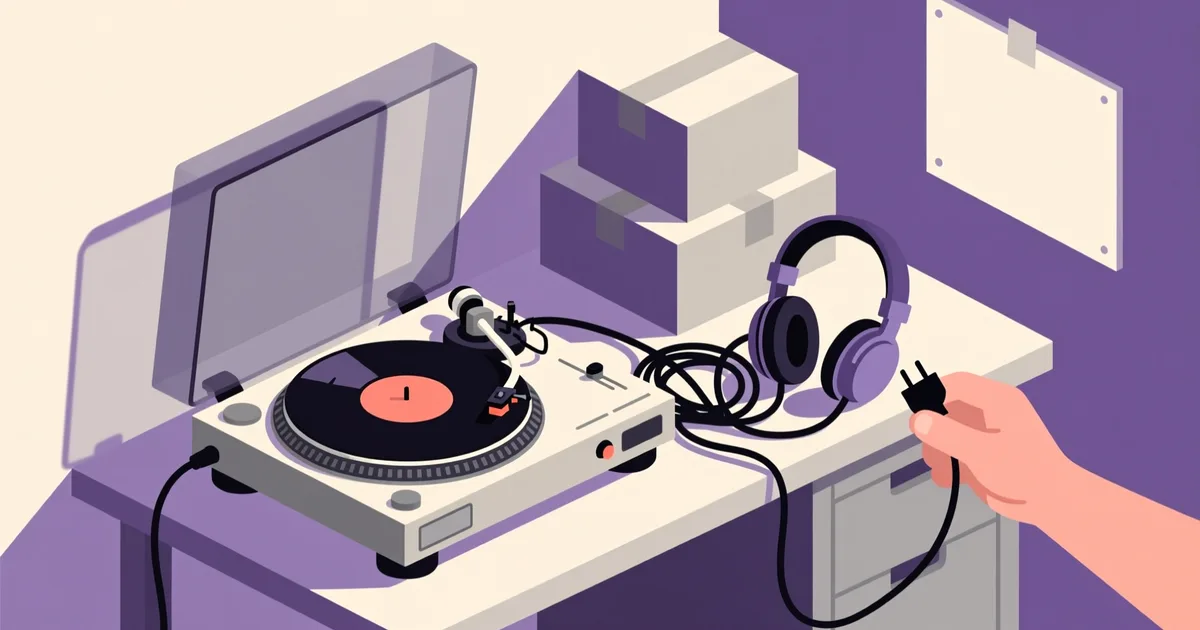
Not always, but the risk increases when the seller pushes for a quick decision. The most common warning signs are a request for prepayment before viewing, an excuse about going abroad, and photos that look too professional for a private listing. The second problem is a "courier" set up by a scammer who demands extra for customs clearance.
It's worth checking photos with a reverse image search. If the same shot appears on several accounts or on a foreign site, walk away. Ask for the serial number and request a close-up photo of the nameplate. A seller with legitimate gear will provide it without resistance.
Bring your own sound source and your own cable to the meeting. A phone with a track you know by heart, plus a jack-to-RCA adapter. If the seller won't let you connect your source, the conversation is over.
Also check that the price isn't absurdly low. An amplifier that normally goes for 1200 PLN listed at 300 PLN has a reason. Sometimes it's a damaged channel, sometimes a missing remote, sometimes just a scam.
What to check at the meeting: a list to use on your phone
A short list works better than memory. Open it on your phone and go point by point, even if the seller gets impatient.
- Inspect the casing under light. Scratches are normal, soldering marks and unscrewed screws are not.
- Turn the gear on and listen to silence without a signal. Clicks, hums, and noise in one channel are a signal to negotiate or walk away.
- Turn all potentiometers and switches. Crackling when turning means dirty contacts, which can be fixed but costs money.
- Check both channels separately with the same track. Swap the cable to rule it out.
- See if the remote, cables, and original packaging are included. A missing remote for a receiver costs around 100 to 300 PLN.
- Ask about service history. Replaced capacitors are a plus, a hidden repair is a minus.
For speakers, touch the driver surround. If it's crumbling or sticky from a DIY job, expect to replace it. For turntables, check the stylus and belt. A stylus costs from a few dozen to several hundred zlotys, depending on the model.
How much to pay for used audio gear in 2025
Prices depend on the model and condition, but you can define ranges. The table below shows typical ranges for gear in good technical condition, excluding collector's items.
| Category | Typical price range | What to watch out for |
|---|---|---|
| 90s stereo amplifier | 400 to 1500 PLN | Crackling potentiometers, dried-out capacitors |
| Home theater receiver | 500 to 2000 PLN | Missing remote, outdated HDMI ports |
| Bookshelf speakers | 300 to 1200 PLN | Damaged driver surround |
| Floorstanding speakers | 800 to 4000 PLN | Dented cones, water marks |
| Turntable | 300 to 2500 PLN | Worn stylus, missing belt |
| Over-ear headphones | 150 to 1500 PLN | Flattened pads, frayed cables |
Prices vary between cities. In Warsaw and Kraków, sellers stick to the upper limit; in Łódź or Poznań, it's easier to get 10 to 15 percent off. Comparing several listings of the same model within a 50 km radius helps. used audio gear
Before settling on a price, check if the gear is still under the manufacturer's warranty. That's rare for older models, but it happens with headphones and sound cards. Proof of purchase raises the value and makes reselling easier later.
How to negotiate the price without conflict
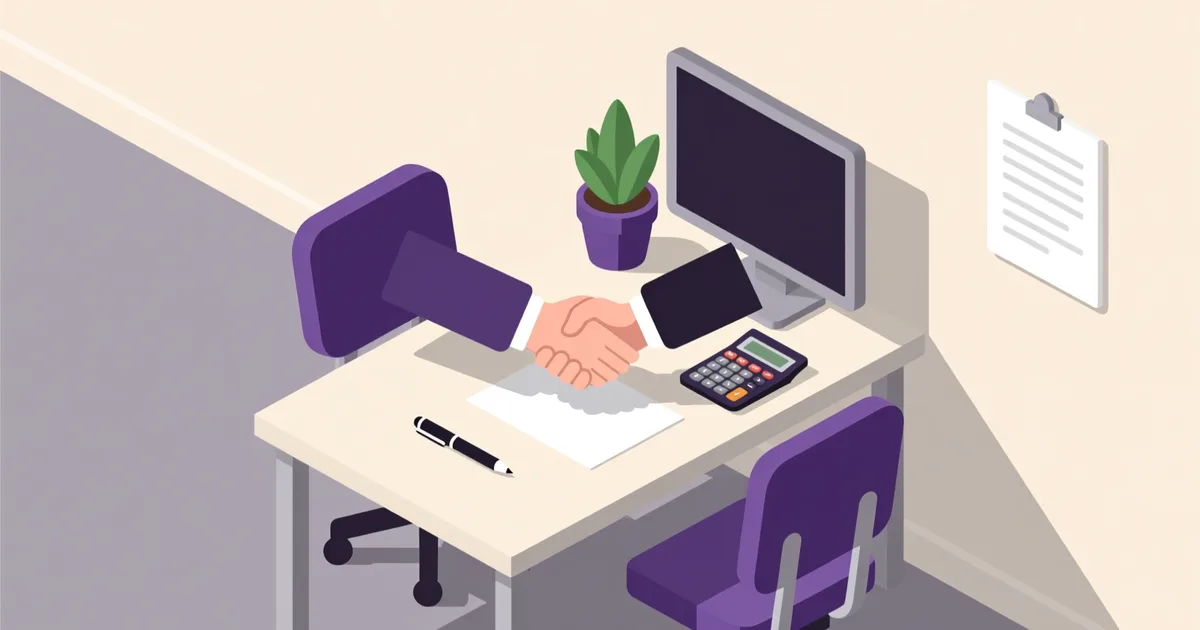
Negotiations are won by the person with a specific argument, not the one who lowballs hard. Instead of saying "I'll give you half," point to a fact: worn pads, a cracked hinge, a missing power cable. The seller sees you're not negotiating blindly.
Set your range before you travel. If the model goes for 900 PLN and someone wants 1400 PLN, don't go. If they want 900 PLN and you see minor flaws, an offer of 800 PLN is realistic. Discounts of 20 to 30 percent only work for gear that's been listed for months.
Pay on pickup, after inspection. Don't send a deposit to an account if you haven't seen the device. When buying from a company, ask for a receipt or invoice, because without a document it's harder to file a claim. Consumer rights when buying from a business include statutory warranty, but private sales don't. You'll find the basics on the Office of Competition and Consumer Protection website: UOKiK.
When to walk away
If the seller won't show the gear working, doesn't answer the question about the serial number, or changes the terms during the conversation, end it. You'll lose an hour, but not your money. used audio gear in Warsaw
Comparison: private seller, shop, and marketplace with history
| Criterion | Private seller | Shop or consignment | Marketplace with seller history |
|---|---|---|---|
| Price | Lowest | 20 to 40 percent higher | Close to private |
| Warranty | None | Startup warranty, usually 3 to 12 months | Depends on the seller |
| Return option | None | Usually 14 days for online purchases | None, unless the seller allows it |
| Seller verification | None | Physical location, company details | History, reviews, listing moderation |
| Model selection | Large, scattered | Limited to what's in stock | Large, filtered by city and category |
| Complaints | Agreement between parties | Statutory warranty and guarantee | Report to the service, contact the seller |
We see that most buyer questions are about whether the gear has been serviced and whether the seller agrees to let you test it on site. These are two questions worth asking in your first message, before you set a meeting time.
If you're looking for a specific model and don't want to drive across the country, set the filter to your city and a radius of a few dozen kilometers. Then the list becomes short, and you can inspect the gear in one weekend. Remember that the service doesn't handle payments, so you settle directly with the seller.
What rights do you have when buying in Poland?
A lot depends on who you buy from. From a private individual, there's no statutory warranty or right of withdrawal, unless the seller offers them. The deal works on a "what you see is what you get" basis, so what matters is what you check on site.
With a company, the situation is different. A business is liable for defects, and for distance purchases you have 14 days to return without giving a reason. Exceptions apply to custom-made items and recordings, but audio gear usually doesn't fall into that. You'll find details in government materials: gov.pl.
Keep the correspondence and proof of transfer. In a dispute with a company, filing a report with UOKiK or the municipal consumer ombudsman helps. In a dispute with a private individual, only civil action remains, which rarely pays off for amounts of a few hundred zlotys. That's why checking on site is cheaper than any claim.
The site's operating principles and how to contact support are described on the /pl/support page. It's worth a look if you want to report a listing that looks like a scam attempt.
Frequently asked questions about buying used audio gear
Is it worth buying used audio gear instead of new?
With a budget up to 2000 PLN, used gear usually gives better sound quality than new at the same price. Older amplifiers and speakers have sturdier cabinets and better drivers. When you buy new, you also pay for the warranty and service. The decision depends on whether you prefer peace of mind or better sound for less money.
How can I check if audio gear isn't stolen?
Ask for the serial number and a photo of the nameplate. Check that the number matches the one on the device. Ask about the proof of purchase. If the seller avoids the topic, won't give the number, or claims the documents are lost, walk away. For gear worth over 1000 PLN, it's worth keeping the listing description and contact details.
How much can I negotiate when buying used audio gear?
A realistic discount is usually 10 to 20 percent off the asking price. For gear that's been listed for months, you can get 25 to 30 percent off. Technical arguments, like worn pads or a missing remote, work better than general complaints about the price. Don't start at half the price, or the seller will stop taking the conversation seriously.
Is buying used audio gear from a company safer?
Yes, mainly because of the statutory warranty and the right to return when buying online. A company is liable for defects, and you have 14 days to cancel an online purchase. However, the price is often 20 to 40 percent higher. If you care about a specific model and peace of mind, the extra cost makes sense. For rare models, the selection in shops is small.
Where to look for cheap audio gear listings in Poland?
Most offers are in big cities: Warsaw, Kraków, Łódź, Wrocław, and Poznań. It's worth filtering by district and radius so you don't drive across half the country. Thematic groups and forums, where people who know gear sell, are a separate category. Compare several listings of the same model before setting your budget.
What should I do if the gear turns out to be faulty after purchase?
When buying from a company, file a warranty claim, preferably in writing, describing the defect. When buying from a private individual, you're left with contacting the seller and trying to reach a settlement. Keep the messages and proof of purchase. If the seller acted deliberately, you can report it to the police. For amounts of a few hundred PLN, legal action rarely pays off.
Summary
Buying used audio gear in Poland comes down to three decisions: where you look, what you check, and how much you pay. Private listings give the lowest price, a shop adds a warranty, and a marketplace with seller history lets you check who you're talking to. Choose one source, set the filter to your city, and prepare a list of questions before the meeting.
On site, check both channels, the potentiometers, and the serial number. Negotiate based on specific flaws, not gut feeling. Pay only after inspecting the gear and keep the correspondence. If you want to buy used audio gear without surprises, you'll gain the most from patience and one well-asked question before you travel.