Buying a used car means going through several stages: browsing listings, inspecting the mechanical condition, running a legal check, and completing the transfer of ownership. Whether you're looking for a vehicle in New York, Los Angeles, or Chicago, the rules are the same everywhere. This guide explains how to read a listing, what to check on-site, and how long the paperwork takes at the registration office.
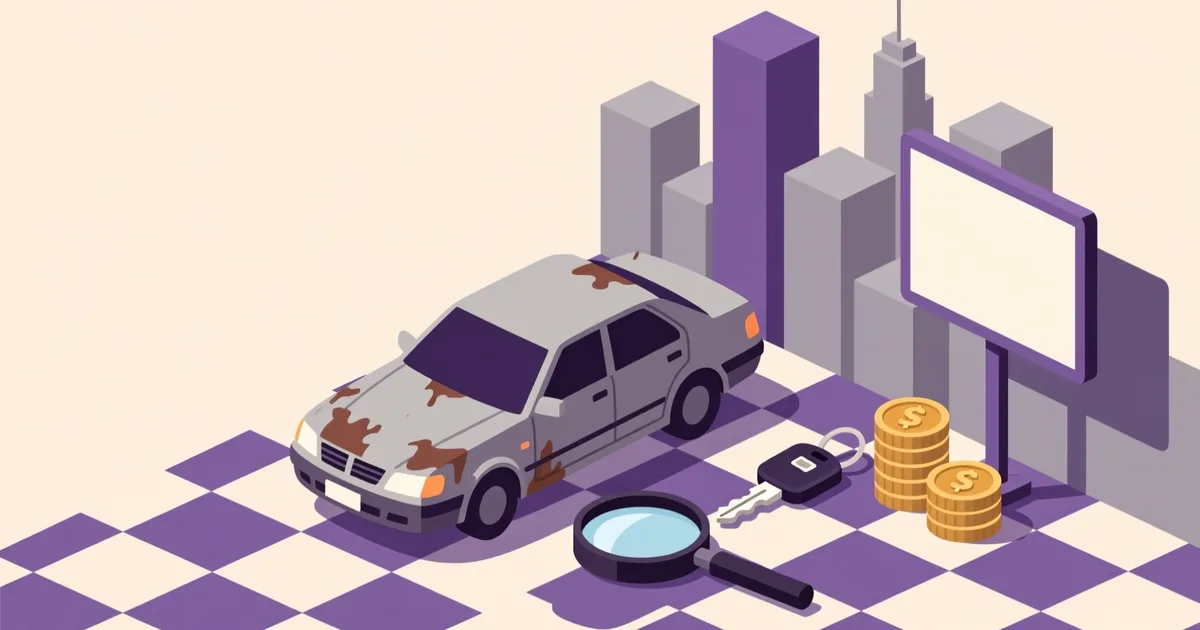
The pre-owned car market has its own set of rules. A seller might hide an accident history, roll back the odometer, or try to sell a vehicle still tied to a loan. Your goal isn't just to find a cheap deal-it's to secure a vehicle free of debts and hidden defects.
In major cities, the selection is wider, but competition among buyers is also fierce. Listings with a fair asking price disappear within hours. That's why you need to know exactly what you're looking for beforehand and have a ready-to-use inspection checklist for your meetup.
- Check the vehicle history through official registries before handing over any money.
- Inspect the body panels with a paint thickness gauge and start the engine cold.
- Compare offers from private sellers and platforms with verified reviews.
- Transfer of ownership is handled at the local motor vehicle agency Main Service Center of the Ministry of Internal Affairs.
Where to search for listings when you want to buy a used car
Private sellers post their vehicles on classified boards, social media, and dedicated groups. Each channel comes with its own risks. Classified websites make it easier to compare prices for different models within the same city.
In large metropolitan areas, you'll see hundreds of new listings daily. Private individuals often sell for less because they don't pay dealership overhead. However, they offer zero warranties after the sale.
Dealerships selling pre-owned inventory charge a markup. For that extra money, they sometimes perform pre-sale prep work. But this preparation is frequently limited to a quick exterior polish and interior detailing.
We've noticed that listings without real photos, or those using a single phone number for dozens of different cars, usually turn out to be spam. That's exactly why on EX & GO, every listing goes through moderation, and phone numbers are verified.
If you want to buy a vehicle affordably, pay attention to the seller's profile. If they have a transaction history and reviews from other buyers, the risk of fraud drops significantly. Our posting and conduct guidelines are outlined on the platform rules page.
| Channel | Pros | Cons |
|---|---|---|
| Direct from a private seller | Lower price, direct communication | No warranty, risk of hidden defects |
| Dealership | Test drives available, organized lot | Markup, potentially superficial prep work |
| Platform with reviews | Visible seller history, neighborhood filters | You must negotiate the deal yourself |
How to properly inspect a used car before buying?
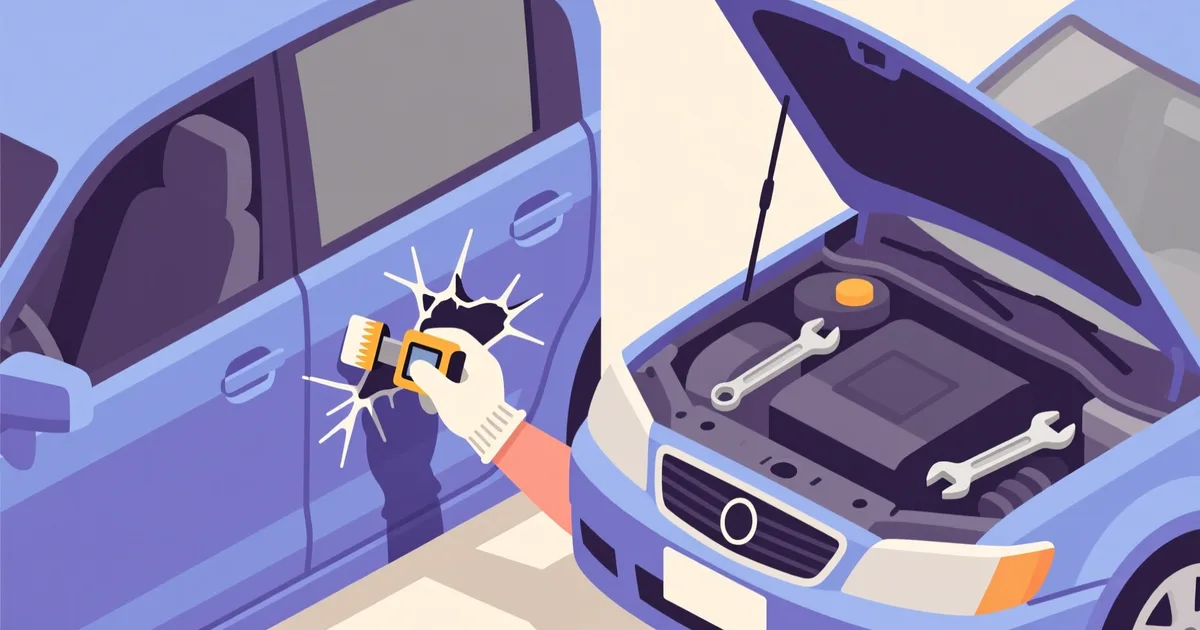
The inspection starts with the paperwork before you even pop the hood. The VIN must match the one listed on the registration certificate. Any discrepancy means you should walk away immediately.
Body and paintwork
A paint thickness gauge will reveal if a panel has been repainted. Factory paint typically measures between 80 and 150 micrometers. A reading over 300 micrometers indicates body filler applied after a collision.
Check the panel gaps between the doors, fenders, and hood. They should be uniform on both sides. Uneven gaps point to replaced parts or structural misalignment following an accident.
Engine and suspension
Always start the engine completely cold. Unusual noises, knocking, or blue smoke from the exhaust indicate wear in the piston group. Check the oil color on the dipstick: it shouldn't smell burnt.
During the test drive, go over some speed bumps. Suspension clunks become obvious immediately. Try braking hard in an empty area: the car shouldn't pull to either side.
Electronics and interior
Test all power windows, the air conditioning, heated seats, and the infotainment system. Signs of moisture under the floor mats could mean the cabin was previously flooded.
Always test an automatic transmission across all modes. Shifting between drive and reverse should happen smoothly, without clunks or delays. If you feel jerking during acceleration, repairing the valve body will be incredibly expensive.
How much does a used car cost, and how should you negotiate?
Your budget depends on the make, model year, mileage, and trim level. The price of the exact same Volkswagen Golf can vary from one city to another due to local demand.
To figure out the true market value, filter listings in your city and surrounding area. Discard the most expensive and cheapest options. The average of the remaining listings will serve as your baseline.
Sellers usually build a 5-10% negotiation margin into their asking price. If you spot scratches, bald tires, or worn brake pads, use them as leverage to lower the price. Browsing used cars will help you compare current local offers before meeting the owner.
Don't show excessive enthusiasm. If the seller sees that you've already mentally bought the car, they won't budge on the price. Negotiate based on facts, pointing out the actual costs required to fix the flaws. Searching for used cars in Kyiv allows you to contact the seller directly to discuss details before the inspection.
Legal checks: how to safely buy a used car
A vehicle's clean title is even more important than its mechanical condition. A car might be seized, used as bank collateral, or tied up in litigation. All of this can be verified through public government databases.
Use the national registry of movable property to check for liens. If the car was bought on credit and the loan isn't paid off, the bank has the right to repossess it regardless of who is currently behind the wheel.
Run the seller's name through the database of enforcement proceedings. If the person has outstanding debts, bailiffs may have placed a lien on their assets. Such a transaction will be voided, and you'd have to fight in court to get your money back.
It's also worth cross-referencing the VIN with insurance company databases. This will show whether the car was involved in any serious traffic accidents. Some sellers hide this information to avoid losing resale value.
How to register a used car after purchase?
The transfer of ownership takes place at the local motor vehicle service center Main Service Center of the Ministry of Internal Affairs. Both the buyer and seller must appear together with their IDs, tax identification numbers, and the old registration certificate.
The procedure includes an expert inspection where a specialist verifies the component numbers. Afterward, you pay the agency fees and receive a new registration certificate in your name. The entire process takes two to four hours, assuming there are no long lines.
You can choose to get new license plates or keep the old ones if they meet current standards. New plates come with an additional fee. Payments are accepted via bank terminals right inside the facility.
Once you receive your new registration document, you have ten days to obtain a mandatory liability insurance policy. Driving on public roads without it is illegal, and you'll be fined at the very first police checkpoint.
Common questions when you want to buy a used car
Can I re-register a car without the seller being present?
Yes, if the seller has issued a notarized power of attorney to a third party or signed a purchase agreement through a notary. However, vehicle registration authorities recommend that both parties be present to avoid disputes. A notarized contract costs extra but offers the buyer stronger legal protection.
What should I do if the seller refuses a test drive?
Refusing a short test drive is a major red flag. The seller might be hiding issues with the transmission, engine, or brakes. In this case, it's best to walk away and look for another option. A reasonable owner will always let you drive a few miles if you leave a deposit or show your ID.
How can I verify a car's actual mileage?
Contact an official dealer for that specific brand. They keep service records that log the mileage during every visit. Indirect signs of a rolled-back odometer include worn steering wheels, pedals, and driver seat bolsters. Computer diagnostics can sometimes reveal the true mileage stored in the control modules.
Does the number of previous owners affect a car's lifespan?
Many owners over a short period often points to hidden defects-everyone was trying to get rid of a problematic vehicle. However, if a car stayed in one family for ten years and only changed hands due to inheritance, that's perfectly normal. Always analyze the length of ownership, not just the number printed on the title.
How do I protect myself from scammers on classified sites?
Never send an advance payment to a card before inspecting the car. Use platforms where you can see the seller's transaction history and reviews from other users. If someone offers to arrange delivery without meeting in person via an unknown service, it's a scam. Meet in crowded places, preferably during the day, and bring a friend along.
Finding a reliable vehicle takes time, attention to detail, and a systematic approach. When you plan to buy a used car, don't rush to hand over your cash based on a first impression. Inspect the body with a thickness gauge, listen to a cold engine, and cross-check the data against state registries. Compare offers in your area, read seller reviews, and negotiate based on the actual condition of the parts. Re-registering the vehicle at the motor vehicle agency finalizes the process and makes you the legal owner. Stick to trusted platforms where listings are moderated to minimize your risks. Thorough preparation saves you both money and stress long after the purchase.