To sell a used bike in the US, price it based on similar listings, take photos in daylight, and describe the mechanical condition without embellishment. A listing with a price, city, and frame number attracts serious buyers, and meeting in a public place with cash on pickup protects you from fraud.
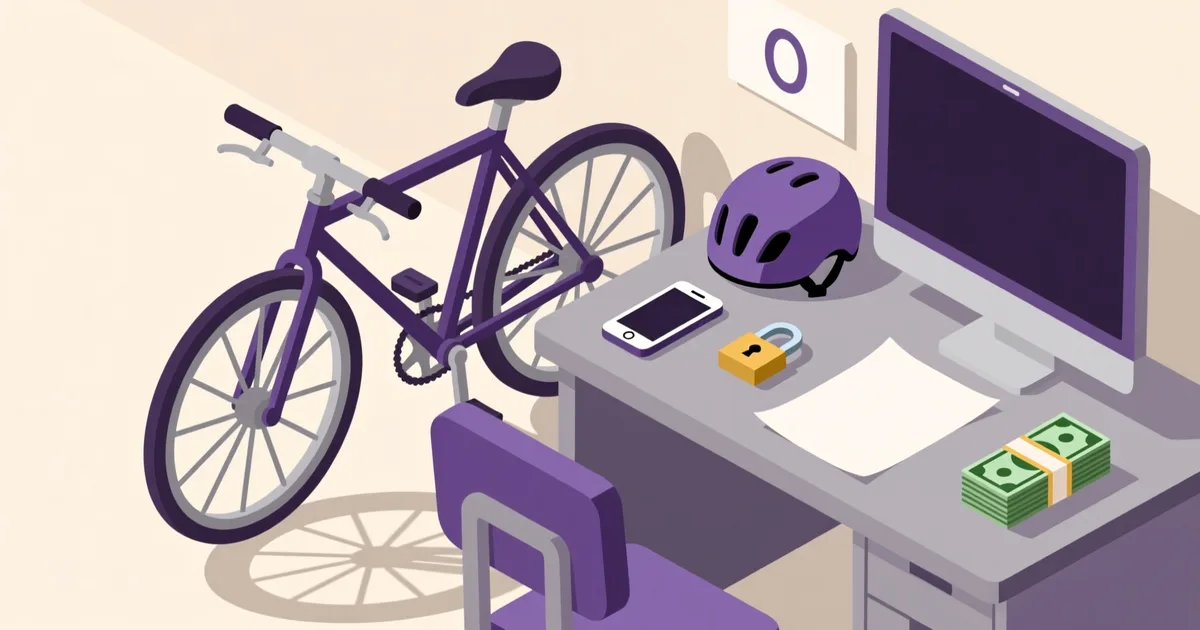
The used bike market in the US works well, but only when the seller treats the listing like a commercial offer, not a note on a building bulletin board. The season runs from March to September, and city, mountain, and electric bikes find buyers fastest in spring. Off-season, prices drop and the wait for a buyer grows by several weeks. Before you list the bike, check what similar models cost in your area. A 2018 mountain bike in good condition and an electric bike with a depleted battery are two different price categories, even though both have two wheels and a frame.
- Set the price by comparing 5 to 10 similar listings in your city and within a 30-mile radius.
- Take 8 to 12 photos in daylight, including the frame number and mechanical flaws.
- Meet in a public place, preferably during the day, and accept cash on pickup.
- Do not ship the bike before receiving payment, and do not click payment links sent by the buyer.
How do you price a used bike in the US?
You set the price based on current listings, not on the purchase price. A bike's value depends on the brand, model year, drivetrain condition, and whether there is demand for that type in your area. In large cities, city and electric bikes sell faster than in smaller towns, where buyers more often look for mountain bikes.
The three-price method
Write down three numbers: the price similar bikes are listed at, the price they actually sell for, and the amount below which you do not want to go. That third number is your negotiation limit. In your listing, set the price 5 to 10 percent above your target price so you have room to haggle.
Do not rely only on auction site prices, where bidding starts at a dollar. Fixed-price listings show realistic seller expectations. Also check whether the bike has original tires, whether the drivetrain was replaced, and whether you are including accessories such as fenders, a rack, or a computer. A complete set of accessories raises the price by tens to hundreds of dollars.
What lowers the price
A cracked frame, a leaking fork, a worn drivetrain, and missing purchase documents are the most common reasons for price reductions. A bike without a frame number or with a scratched-off number raises suspicion and is hard to sell. If you have an invoice or receipt, include a copy. It is not a legal requirement for a private sale, but it increases buyer trust.
How do you take photos and write a listing that gets messages?
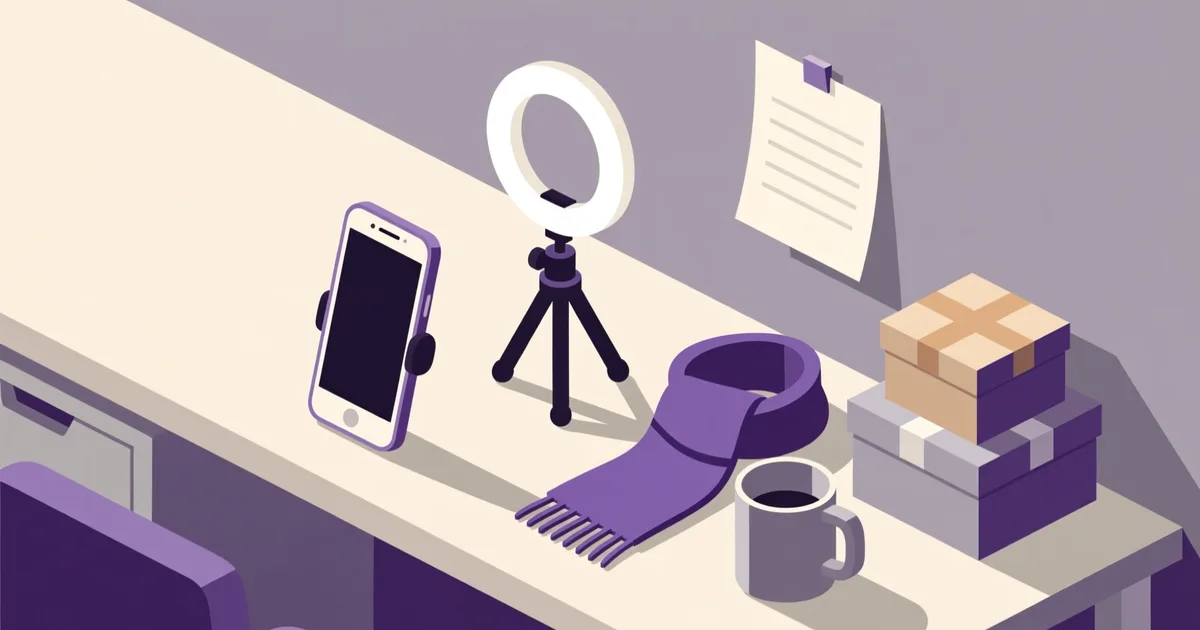
Good photos and a specific description determine whether you get messages on the first day. Buyers scroll through dozens of listings and skip the ones where they cannot see the bike from the side, the drivetrain, or the frame number. Photos taken in the evening, in the kitchen, under yellow light look like you are hiding flaws.
Photos that work
Take a photo of the whole bike from the side, against a wall or lawn, during the day. Add close-ups: the drivetrain with the crank and derailleur, brakes, tires with tread, saddle, handlebar, and frame number. If the bike has scratches or dents, photograph them separately and describe them in the text. A hidden flaw costs more than an honest description, because the buyer may come back with a complaint or leave negative feedback.
A description that answers questions
Give the brand, model, model year, frame size, and wheel size. Write how many miles the bike has, if you know, and when you last serviced the drivetrain. List the pros and cons. State whether you are including accessories and whether the bike has documents. At the end, give the city and neighborhood so the buyer immediately knows whether they can get there.
The biggest mistake sellers make is a photo of the bike from one side and a description like "excellent condition." The buyer has no way to check what that means. Write what was replaced and when, and the number of inquiries will rise without changing the price.
In the used bikes and sports gear category, the price depends on how complete the description is. A bike with a stated frame size and model year sells faster than an identical model described as "mountain bike, good."
Where should you list the bike, and how should you respond to buyers?
Publish the listing on a marketplace that lets you filter by city and category. EX & GO is a place where buyers filter offers by city and neighborhood radius, see the seller's history and reviews, and messages go to an inbox on the site. Before publishing, it is worth reading the listing rules to avoid rejection by moderation.
Respond within a few hours. Buyers often message several sellers at once and choose the one who answers specifically first. Answer questions about the bike's condition with facts, not assurances. If someone proposes a lower price, give your counteroffer and justify it with the mechanical condition.
We see that in the bikes and sports gear category, the most common questions are about frame size, model year, and whether the bike has purchase documents, so adding those three pieces of information to the description shortens the message exchange by several days.
How to filter out scammers
Fake screenshots confirming a transfer are the most common method. The scammer sends an image showing the money is "on the way" and asks you to release the bike. There is no payment method that requires releasing the goods before the funds clear in your account. Check your balance in your banking app, not in a message.
The second method is a request to cover courier costs. The buyer claims they ordered shipping and needs a partial refund or a fee for "shipping insurance." Do not pay anything to sell a bike. The third method is a link to a supposed payment that leads to a fake bank page. Do not click links sent by the buyer and do not share card details.
If the buyer pressures you for a quick decision, writes incoherently, or avoids a phone call, treat it as a warning sign. The FTC publishes materials on consumer rights and online fraud at UOKiK. It is also worth knowing the rules for safe contracts described at gov.pl.
Where and how should you hand over the bike safely?
Arrange the meeting in a public place, during the day, preferably near your home or at a shopping center. Do not invite strangers to your apartment, especially when you are alone. If possible, bring another person with you.
Before handing over the bike, check that the buyer has looked at the frame number and that it matches the one in the listing. Write a short confirmation of sale: date, parties' details, brand, model, frame number, and price. Such a document helps both sides if a dispute arises later. Accept payment in cash or by transfer that you see in your account before releasing the bike. Do not accept payment in cryptocurrency or through unknown apps.
If you are selling an electric bike, show the buyer how to remove the battery and how the charger works. It is worth charging the battery before the meeting so the buyer can check the range. Also check whether the bike has a valid inspection if one is required for that type of vehicle.
Quick sale, best price, or trade-in?
The choice of strategy depends on whether you care about time or the amount. The table below shows the differences between the three routes.
| Criterion | Quick sale | Best price | Trade-in |
|---|---|---|---|
| Time to sale | a few days | from a few weeks to two months | immediately when buying a new one |
| Amount received | 10 to 25 percent lower | the highest possible | usually the lowest |
| Effort | small | large | minimal |
| Risk | low | medium, longer negotiations | low |
| When to choose | when you need space or cash | when the bike is well-maintained and a brand-name model | when you are buying a new bike at a shop |
Selling through a listing usually brings a higher amount than trading in the bike, but it takes time and work. A shop will take the bike quickly, but pay less because it has to add a margin. A quick sale at a reduced price makes sense when the bike is taking up space in the basement or when you are moving away.
If you want to compare prices of similar bikes in your area, browse offers in the bikes and sports gear category at add a listing. It also helps to check how other sellers describe mechanical flaws so you do not repeat their mistakes. More tips can be found in used bikes and sports gear.
What should you check before publishing a listing?
A short checklist before adding a listing:
- Price set based on at least five similar offers.
- Photos in daylight, including the frame number and flaws.
- Description with brand, model, model year, and frame size.
- City and neighborhood included.
- Information about accessories and documents.
- Phone number verified on the account.
- Safe transaction rules read before publishing.
Frequently asked questions about selling a used bike
Does a private bike sale require a receipt or invoice?
No. A private sale between individuals does not require a receipt or invoice. It is still worth writing a short confirmation of sale with the date, the parties' details, brand, model, frame number, and price. Such a document helps if the buyer later files a complaint or a dispute over bike ownership arises. A private seller is liable for hidden defects, so an honest description of the mechanical condition protects both sides.
How fast can you sell a used bike in season?
In season, from March to September, a well-described bike at an attractive price usually finds a buyer within a few days to two weeks. City and mountain bikes in popular frame sizes sell fastest. Off-season, the wait extends to several weeks, and buyers negotiate more often. Posting the listing on a Thursday or Friday increases the chance of contact over the weekend.
How do you spot a scammer when selling a bike?
A scammer most often sends a fake screenshot confirming a transfer and asks you to hand over the bike before the money clears. Another signal is a request to cover courier costs or a link to a supposed payment. Do not click links sent by the buyer and do not share card details. Check your balance in the bank's app. If the buyer pressures you for a quick decision and avoids a phone call, break off contact.
Where is the best place to meet a buyer?
Choose a public, well-lit place during the day. Parking lots at shopping centers, areas near a police station, gas stations, or busy squares work well. Do not invite a stranger to your home, especially when you are alone. If possible, bring another person. Meeting in a public place reduces risk and provides witnesses in case of a dispute.
Is it worth trading in a bike when buying a new one?
Trading in a bike is convenient but usually gives the lowest amount. The shop has to add a margin and the cost of preparing the bike for resale. If you are short on time and do not want to deal with a listing, it is a reasonable solution. If the bike is a well-maintained brand-name model, selling through a listing will bring more money, though it requires photos, a description, and meeting a buyer.
What buyer details should you note before handing over the bike?
Note the full name, phone number, and transaction date. In the confirmation of sale, also include the brand, model, frame number, and price. Such details help if a dispute arises later or the bike is reported as lost. Do not copy an ID document or photograph an ID card. A short two-copy agreement signed by both parties is enough.
Summary
You can sell a used bike in the US quickly and without risk if you treat the listing like a commercial offer. Set the price based on real offers, take honest photos, and describe the mechanical condition along with any flaws. Answer specifically, verify payment in your bank account, and meet in a public place. The choice between a quick sale, the best price, and a trade-in depends on whether time or the amount matters more to you.
Before you publish the listing, go through the checklist and read the site rules. If you want to reach buyers in your area, check how the city and category filters work and what the seller's history looks like. If you have doubts about transaction safety, reach for FTC and gov.pl materials. A good listing is one that answers the buyer's questions before they even ask them.