The easiest way to buy a used bike in Israel is through classified ads where private owners sell: you filter by city and category, look at photos, price, and seller history, and close the deal in person. A shop gives a warranty and receipt, but costs more; a private seller is cheaper, but you have to check everything yourself.
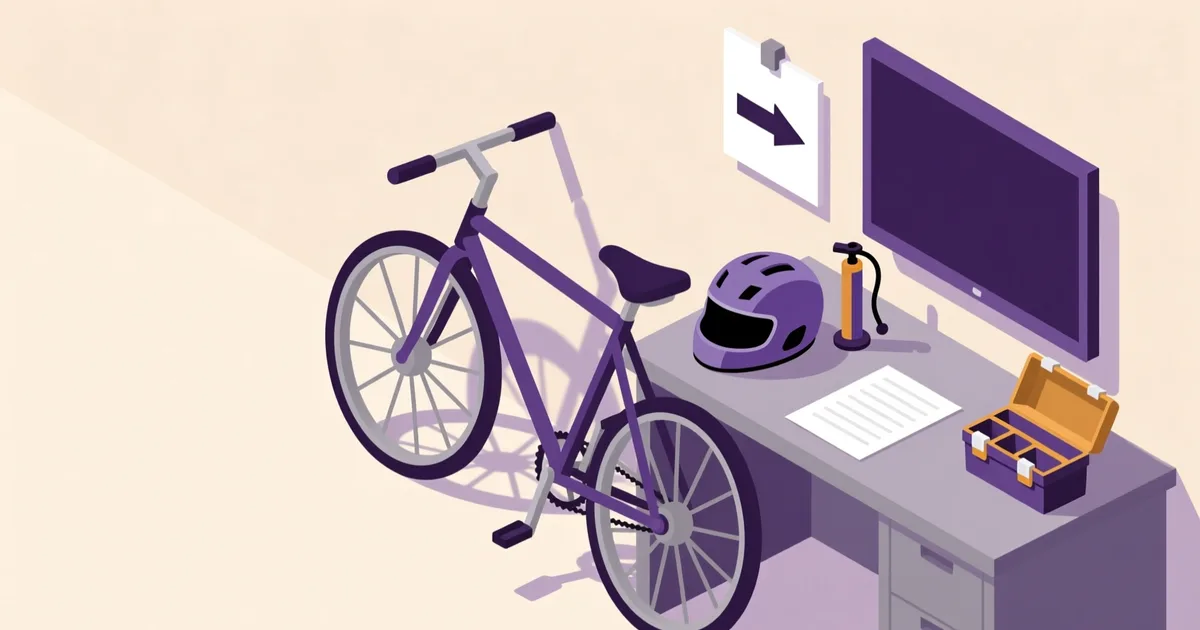
The price difference between a new and a used bike in Israel is noticeable, so the second-hand market is lively all year round. In Tel Aviv and Rishon LeZion there are more city and folding models, while in Jerusalem and Haifa people more often choose mountain and hybrid bikes for the terrain. Many buyers look not only for a bike but also for a helmet, lights, lock, child seat, and spare parts, and all of that is in the same listings. Below we'll cover where private sellers actually list bikes, how to read a listing, what to check at the meeting, how to negotiate, and what rights a buyer has under Israeli law.
- Private listings are a third cheaper or more than a shop, but without warranty: the entire inspection is on you.
- Prepayment by transfer before inspection, courier, and stock photos from the internet almost always mean fraud.
- At the meeting, check the frame for cracks, wheel play, brake and shifter operation, not just the appearance.
- Negotiation is appropriate if you name a specific defect and repair cost, not just ask for a discount.
Where used bikes and sports gear are sold in Israel
The main platforms for private sales are classifieds and themed groups. A classifieds site is where the seller publishes photos, price, and city, and the buyer contacts them directly. On such platforms, bikes are listed by both private owners and small bike workshops that take gear for sale.
The catalog is most convenient to filter by city and radius around it. If you live in Petah Tikva, there's no point driving halfway across the country to Beersheba for a model that can be found within a twenty-kilometer radius. The category filter cuts out the irrelevant: bikes, spare parts, gear, and kids' items are in different sections.
We see that moderation removes listings without real photos and with artificially low prices, and buyers most often ask about the year of purchase, frame size, and reason for selling. That's why on EX & GO the seller's history and reviews are visible before the first message, and this helps filter out random people. The rules for posting and moderation are described on the rules page.
Besides classifieds, there are social media groups and ads by building entrances, but there's no moderation or seller history there. Used bike shops in Tel Aviv and Haifa give a receipt and a short warranty, but their price is closer to new. used bikes and sports gear
How to read a listing and spot a scammer
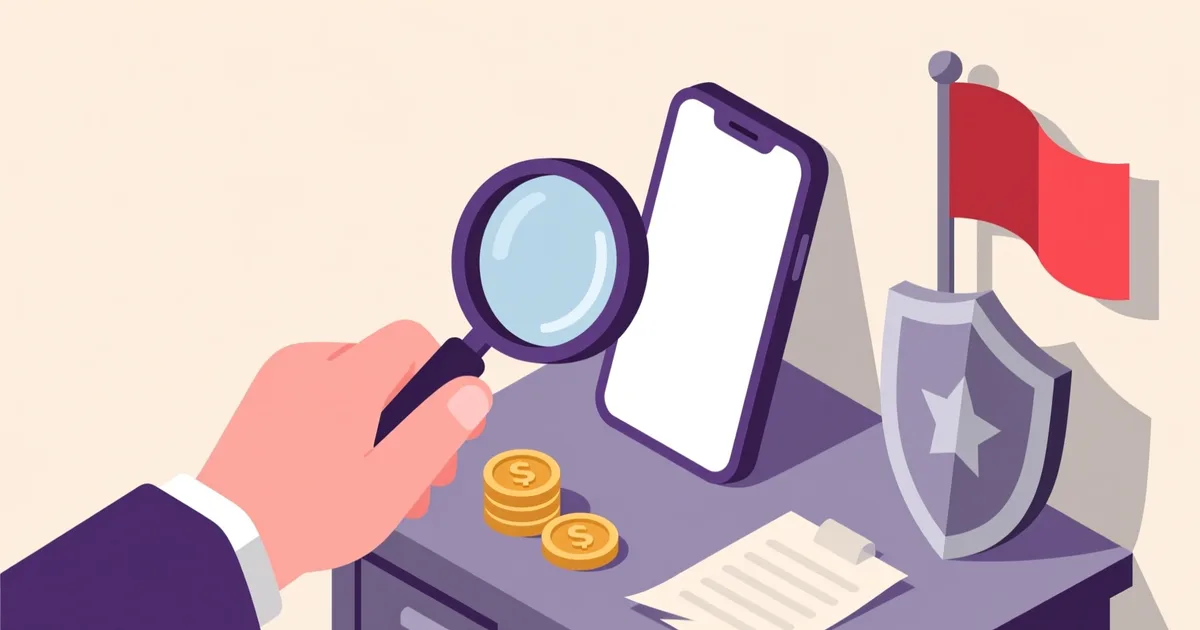
A good listing answers four questions: what model is it, what frame size, how old is it, and why is it being sold. If even one answer is missing, that's a reason to ask before the meeting, not after.
Signs of an honest listing
Several live photos from different angles, including the frame, brakes, and shifters. Frame size stated in centimeters or letters S, M, L. Reason for selling given: switched to another, kid outgrew it, moving. Price comparable to other similar offers in the same city.
Signs of fraud
A request to transfer a prepayment before inspection. Shipping by courier or mail without a personal meeting. Photos found by reverse image search. A price half the market average with a perfect description. The seller doesn't name the neighborhood and suggests meeting only in a crowded place without an address. Time pressure is especially alarming: "we decide today, tomorrow it'll be gone."
Never transfer money before you've held the bike in your hands and ridden it. If the seller rushes you for a prepayment, it's worth ending the conversation.
The check is simple: copy the photos and run them through an image search. If the same picture pops up in listings from other cities, you're dealing with a reseller or a scammer. used bikes and sports gear in Tel Aviv
Meeting checklist: what to check on the bike
The inspection takes twenty minutes and saves hundreds of shekels on repairs later. Come during the day to see the frame in the light, and bring a pump and a wrench to check the components.
Frame and geometry
Inspect the tubes at the welds for cracks and dents. Aluminum doesn't rust but cracks; steel rusts from the inside, so look under the bottom bracket. Check if there was a serious accident: shifted stickers and repainted areas give it away.
Wheels, brakes, drivetrain
Lift the wheel and spin it: a wobble in the rim is immediately visible. Rock the wheel side to side; hub play means the bearings will need replacing soon. Squeeze the brake levers and check that the pads engage before the lever touches the grip. Shift through all gears under load; the chain shouldn't skip.
Size and fit
Ride the bike for at least a hundred meters. Your legs should almost straighten at the bottom of the pedal stroke, and you shouldn't have to reach for the handlebars. The wrong size can't be fixed by adjusting the saddle.
What to ask the seller
When it was bought, where it was serviced, whether the chain and brake pads were replaced, and if there's a receipt or warranty card. Cross-check the answers against the condition of the bike, don't just take their word for it.
Private seller, shop, or platform with seller history
Three channels offer a different balance of price, risk, and convenience. Below is a comparison by key parameters for the buyer.
| Parameter | Private seller | Used bike shop | Platform with seller history |
|---|---|---|---|
| Price | Lowest | A third higher or more | Varies, visible in listings |
| Warranty | None | Yes, usually short | None, but reviews are visible |
| Inspection | Entirely on you | Partly done by the shop | On you, but there's transaction history |
| City selection | Depends on acquaintances | Limited by stock | Filter by city and radius |
| Risk of fraud | Medium | Low | Lower due to moderation |
| Returns | Not available | Per shop policy | Resolved between parties |
A shop wins if you're not ready to deal with the technical side and want a receipt. A private seller wins on price if you know what to look for. A platform with seller history bridges the gap: you see how many items they've sold before and what people wrote about them.
How to close the deal and what rights the buyer has in Israel
The price agreement is fixed at the meeting, and money is handed over when you receive the bike. Classified platforms don't process payments themselves, so the transaction is directly between the parties. Bring cash or make sure the transfer goes through before you leave.
Buyer rights in Israel protect transactions with a business seller, not a private individual. The Consumer Protection Law applies to purchases from companies and shops, where return conditions and quality liability apply. When buying from a private owner, there's no such protection: the principle of "buyer beware" applies. This means that after the money changes hands, claims are almost impossible to make.
It's useful to keep the chat and the listing until the deal is done. If the bike is reported stolen or was stolen, this will come to light when you try to register it or contact the police. It's worth checking the frame serial number and asking the seller for a purchase document before paying. The general terms of the platform and how to contact support are described in the support section. Details about consumer rights and police work are on the government portal gov.il.
How to negotiate for a used bike
Negotiation works when it's based on facts, not on the desire for a discount. Name a specific defect and the approximate cost to fix it: worn chain, rim wobble, worn pads. The seller sees you know your stuff and is more likely to meet you halfway.
Use three or four similar listings in your city as a reference to understand the real price level. If the seller holds firm on price, ask them to include a lock, lights, or helmet: sometimes that's better than a discount. Don't push or invent defects you haven't confirmed during inspection; that breaks the conversation.
Frequently asked questions
How much does a used bike cost in Israel?
The price depends on type, condition, and city. A city or kids' bike costs noticeably less than a mountain bike with good components. A simple rule: compare three or four similar listings in your city and within a twenty-kilometer radius. If a specific offer is half the average, that's a reason to reverse-image-search the photos and ask the seller more questions about condition and documents.
Where to find used bikes cheap?
The cheapest is from private owners on classifieds, especially at the end of the season and after relocations when gear is sold quickly. Filter by city and category, check seller history and reviews. Used bike shops are more expensive but give a receipt. Social media groups are cheap, but there's no moderation and the risk of running into a scammer is higher.
How to check a bike before buying?
Inspect the frame at the welds for cracks and signs of an accident, spin the wheels and check the rim for wobble, rock the wheel to feel hub play, squeeze the brakes and shift through all gears under load. Ride a hundred meters and assess the fit. Ask about the year of purchase, service history, and reason for selling. Check the frame serial number against documents if available.
What to do if the seller asks for a prepayment?
Refuse to transfer money before an in-person inspection. Prepayment, courier, and mail shipping without meeting are typical scam schemes on classifieds. Arrange to meet in a public place, pay upon receiving the bike, and keep the chat history. If the seller insists on a transfer and pressures you, it's better to end the conversation and look for another offer.
What are the buyer's rights for a used bike in Israel?
When buying from a private individual, protection is minimal: the principle of 'buyer beware' applies, and after the money changes hands, claims are hard to make. Consumer protection law applies to transactions with a business seller, where there's a receipt, warranty, and return policy. Therefore, inspection, checking the serial number, and keeping the chat history are as important as the price itself.
How to tell if a bike is stolen?
Red flags include a price significantly below market, missing documents and a clear purchase history, a seller who doesn't know the model and frame size, and refusal to meet at an address. Ask to see the frame serial number and check it against documents. If in doubt, walk away: buying a stolen bike creates problems for the buyer too.
What to remember before buying
Buying a used bike in Israel pays off if you approach it as an inspection, not a blind purchase. Set your budget and bike type, filter listings by city and category, study the seller's history and reviews. At the meeting, go through the checklist: frame, wheels, brakes, gears, fit. Don't transfer money before inspection and keep the chat history.
A shop gives a warranty and receipt, a private seller gives a price, a platform with seller history gives transparency. Choose based on what matters more to you: saving money or reducing risk. If you're unsure about a specific model, compare several similar listings in one city and only then arrange a meeting. That way you'll buy a bike that will last more than one season.