To buy a used musical instrument in Bulgaria, start with classifieds and marketplace listings filtered by your city, compare three or four comparable offers, then inspect the instrument in person before any money changes hands. Private sellers in Sofia, Plovdiv, Varna, Burgas and Ruse post guitars, keyboards, accordions and brass on local classifieds, and the price gap between a private sale and a shop can be wide enough to matter.
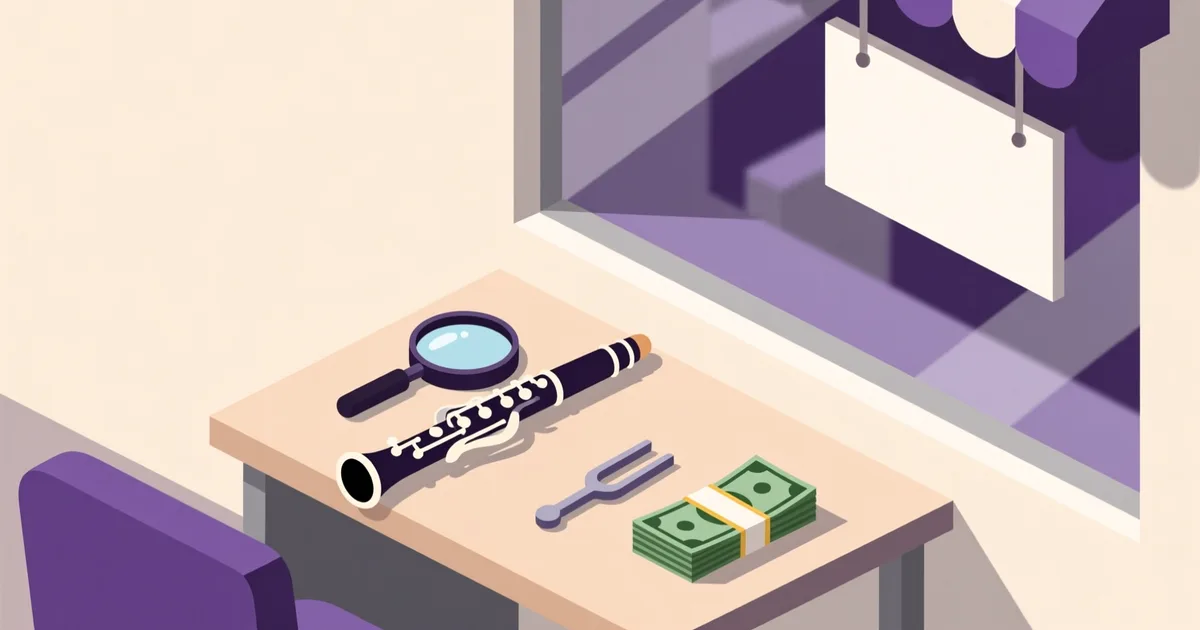
Most buyers in Bulgaria begin the search on their phone during a commute, save a few listings, and only then sit down to compare. That order works, but only if you know what to filter out early. A listing with three photos, a real city and a seller who answers specific questions is worth a call. A listing with one stock image and a price far below everything else is not.
This guide covers where used musical instruments actually get listed in Bulgaria, how to read a listing before you message anyone, what to check when you meet the seller, what consumer rules apply, and how to negotiate without wasting the trip. The sections below are written to be used at the meeting, not read once and forgotten.
- Filter by city first, then category. A 400 km trip to inspect a 300 BGN guitar rarely pays off.
- Never send a deposit before you have held the instrument. Prepayment is the most common scam pattern in Bulgarian classifieds.
- Test every note, every key and every jack in person, and check the serial number against the model.
- Private sellers usually price lower than shops, but you carry the risk. A shop gives a receipt and a short warranty.
Where to buy a used musical instrument in Bulgaria
Private sellers in Bulgaria list mostly on general classifieds platforms and in Facebook groups tied to a city or an instrument type. The general platforms reach more buyers, which is why most listings live there. Niche forums and music-school notice boards still move accordions, brass and orchestral strings, but volume is lower.
On EX & GO, the catalogue lets you filter by city, by a radius around your district and by category, so you can narrow a search to Sofia or Plovdiv without scrolling past listings in Varna. Sellers post photos, a price and a city, and you message them inside the site rather than handing over a phone number on the first reply.
That last point matters more than it sounds. Seller history and reviews are visible, so you can see whether someone has sold before and how those deals went. used musical instruments
City by city, what the market looks like
Sofia has the deepest supply. Guitars, digital pianos and studio gear turn up constantly, and prices sit at the top of the national range because demand is highest. Plovdiv is close behind and often cheaper for the same model.
Varna and Burgas follow the coast. Summer listings rise as students and seasonal players sell, and accordions and folk instruments appear more often than in the capital. Ruse draws from the Danube corridor and often shows listings cross-posted from Romania, so check whether the seller is in Bulgaria before you plan a trip.
Smaller towns are where the real bargains sit, but supply is thin and you may wait weeks for the right model. Set a saved search and check it twice a week rather than daily.
How to read a used instrument listing before you message
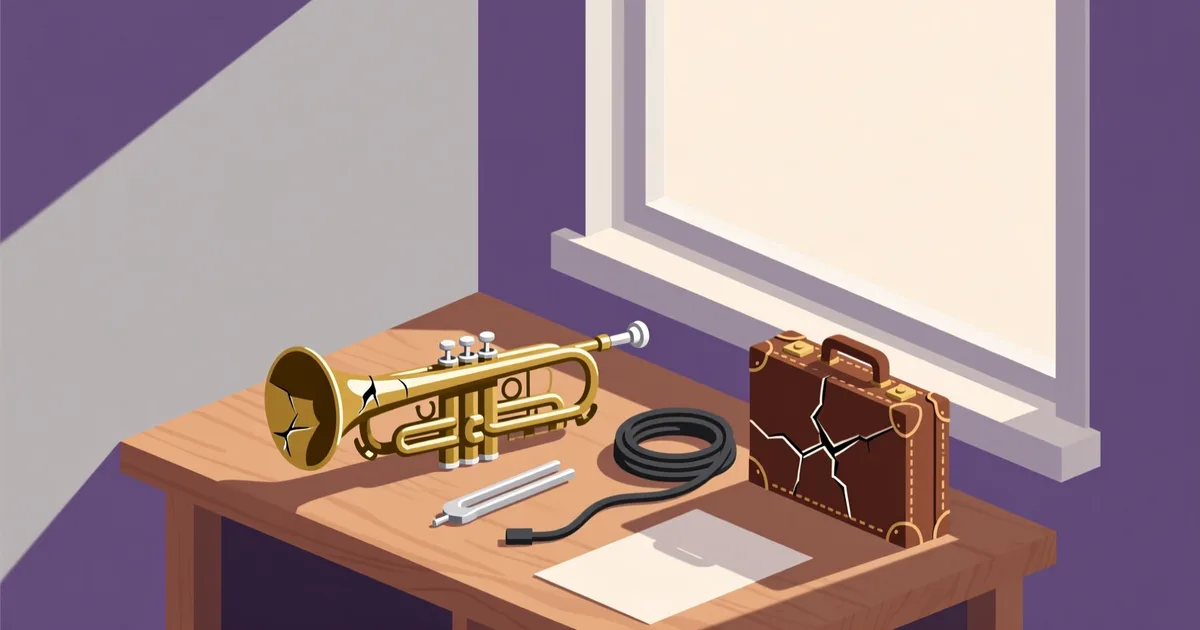
A good listing answers four questions: what exactly is it, how old is it, what condition is it in, and where is it. If any of those is missing, ask before you travel.
Photos are your first filter. Look for shots of the front, the back, the headstock or keyboard, the serial number plate and any damage the seller mentions. Stock images pulled from a manufacturer site are a warning sign, especially when the same photo appears in several listings across different cities.
Red flags in Bulgarian classifieds
Requests for prepayment by bank transfer or a mobile wallet, before you have seen the instrument, are the clearest signal. So is a seller who insists on a courier arranged by them, with payment sent to the courier. That pattern has no legitimate version.
A price far below the market is the second signal. If a Yamaha digital piano that normally sells for 900 BGN is offered at 250 BGN with "urgent sale, moving abroad", slow down and ask for a video call showing the instrument working.
Third: a seller who will not give a phone number or meet in a public place. Legitimate sellers meet at home, at a music shop, or in a mall car park. Anything else deserves a second look.
Ask the seller to send a short video of the instrument being played, with the serial number visible in the same clip. A genuine seller sends it within minutes. A scam listing usually goes quiet at that request, and you have lost nothing but a message.
What to check when you meet the seller
Bring a checklist and use it. The meeting is where most money is saved or lost, and fifteen focused minutes beats an hour of polite conversation.
The instrument checklist
| Check | What to look for | Why it matters |
|---|---|---|
| Serial number | Matches the model and year the seller claims | Rules out a stolen or misrepresented instrument |
| Every note or key | Play the full range, not just the middle | Dead notes and stuck keys are expensive to fix |
| Electronics | Every jack, knob, switch and output | Faulty pots and jacks are common on older gear |
| Neck and body (strings) | Straight neck, no cracks near the headstock | Repairs here often exceed the instrument's value |
| Action and pedals | Keys or pads return smoothly, pedals do not squeak | Signals wear in the mechanism |
| Case and accessories | Original case, power supply, straps, reeds | Replacing them adds real cost |
| Smell and storage | No damp or mould, especially on accordions | Damp storage damages reeds and bellows |
For acoustic instruments, ask when the strings were last changed and whether the instrument has been kept in a case or on a stand. For keyboards and digital pianos, plug in headphones and check both the speakers and the headphone output. For wind instruments, check the pads and ask when the instrument was last serviced.
Take your own tuner, a cable and headphones if the instrument needs them. Sellers rarely have spares, and a missing cable should not stop you from testing.
How the deal is closed and what your rights are in Bulgaria
Used goods bought from a private individual in Bulgaria fall outside the consumer protection rules that apply to shops. That is the trade-off for the lower price: no statutory return window, no mandatory warranty, no right to a refund because you changed your mind.
Buy from a registered trader and the picture changes. Under Bulgarian consumer law, a trader owes you a receipt and a guarantee of conformity, and the standard period for used goods can be shorter than for new ones but must be stated. If the seller is a shop or a registered dealer, ask for the terms in writing before you pay.
With a private seller, protect yourself by testing before payment, agreeing the price in the chat so there is a written record, and paying in cash at the meeting or by instant transfer once the instrument is in your hands. Never pay in full before you have it. The posting rules on EX & GO explain what listings must contain and what moderation removes, which is worth reading before you post or reply.
If something goes wrong with a private deal, your options are limited to civil claims, which for a 400 BGN instrument is rarely worth the cost. That is why the inspection matters more than any paperwork.
Private seller, shop or marketplace: which is right for you?
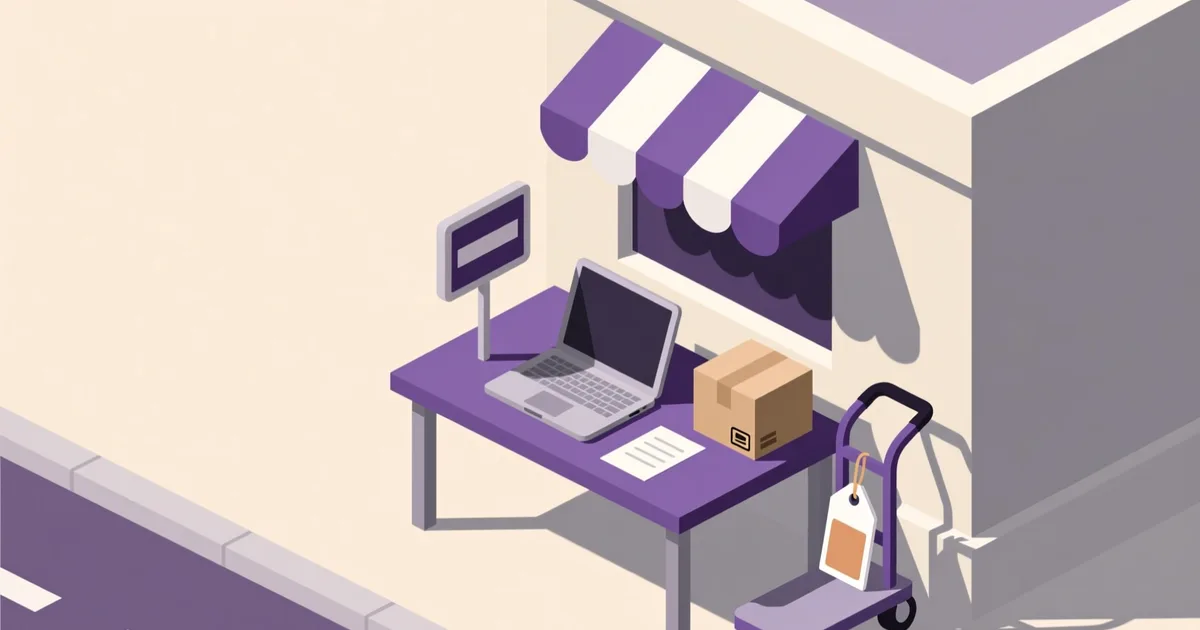
Each route trades price against risk. Pick the one that matches how much uncertainty you can absorb.
| Route | Typical price | Risk | Best for |
|---|---|---|---|
| Private seller | Lowest | No warranty, no returns | Buyers who can inspect and test |
| Music shop | Highest | Low, receipt and warranty | Beginners and expensive instruments |
| Marketplace with seller history | Middle to low | Moderated listings, visible reviews | Buyers who want signals before travelling |
A shop makes sense when the instrument is expensive, when you cannot judge condition yourself, or when you want a service record. A private seller makes sense when you know the model well and can spot problems.
A marketplace with visible seller history sits between the two. You see how the seller has behaved in past deals, you can compare several listings in one place, and you can ask questions before committing to a trip. used musical instruments in Sofia
We see the same pattern in our catalogue: listings with clear photos, a named city and an honest description of wear get replies within a day, while listings with one blurry photo and a price that looks too low sit unanswered or get removed by moderation.
How to negotiate a used instrument price in Bulgaria
Negotiation in Bulgaria is normal and expected, but the room you have depends on how the listing is written. A price marked "firm" usually means firm. A price with no such note is open.
Anchor on evidence, not on feelings. Before you meet, note the prices of three comparable instruments in the same city. If the seller wants 850 BGN and the closest comparable sold for 700 BGN, you have a number to work from.
Point to specific flaws you found during the inspection. A scratch is not leverage. A dead note on the twelfth fret, a noisy output jack or a missing power supply is. Ask what the seller would take if you collect today and pay cash.
Do not push so hard that the seller walks away over a small gap. On a 700 BGN instrument, arguing over 20 BGN costs you the trip and the instrument. On a 3,000 BGN instrument, a 10 percent difference is worth a second conversation.
Frequently asked questions
Is it safe to buy a used musical instrument from a private seller in Bulgaria?
It can be, if you follow the same rules you would anywhere. Meet in person, test the instrument before paying, and never send a deposit to someone you have not met. Listings on moderated platforms with verified phone numbers and visible seller reviews reduce the risk, but they do not remove it. The deal itself is always between you and the seller.
How much should I pay for a used instrument in Bulgaria?
Prices vary widely by type and condition. A used student guitar in Sofia often sells for 150 to 400 BGN, a digital piano for 600 to 1,500 BGN, and a used accordion for 400 to 1,200 BGN depending on the register count and condition. Compare at least three listings in your city before you decide what a fair price looks like.
Where can I find cheap used musical instruments in Bulgaria?
Smaller cities and towns usually price lower than Sofia, and supply is thinner. Seasonal timing helps: listings rise in September when school starts and in late spring when students sell. Saved searches with a city filter and a radius around your district let you catch new listings early, before the seller gets ten other messages.
What should I check before buying a used guitar or keyboard?
For a guitar, check the neck for twists, the frets for wear, the headstock for cracks and every note up the fretboard. For a keyboard, test all keys, both speakers, the headphone output, every knob and the power supply. Ask when the instrument was last serviced and whether it has been stored in a case or in a damp room.
Do I have consumer rights when buying used goods from a private seller in Bulgaria?
No. Bulgarian consumer protection rules apply to purchases from traders, not to private-to-private sales. A shop owes you a receipt and a guarantee of conformity, with the period for used goods stated in writing. From a private individual, you rely on the inspection you did before paying. Treat the test at the meeting as your only warranty.
How do I avoid prepayment scams in Bulgarian classifieds?
Never send money before you have the instrument. Scam listings often use stock photos, a price well below the market, and pressure to pay a deposit or a courier fee upfront. Ask for a video of the instrument being played, with the serial number visible. If the seller refuses or goes quiet, end the conversation and move on.
What to do next
Search by city first, then narrow by category and radius, and save the search so new listings reach you without daily effort. Read each listing against the four questions: what, how old, what condition, where. Message the seller with specific questions before you plan a trip, and ask for a video with the serial number visible.
When you meet, use the checklist above and test everything you can. Agree the price in writing in the chat, pay only once the instrument is in your hands, and keep the conversation record until the deal is done. If you are buying a used musical instrument in Bulgaria for a beginner, a shop or a dealer with a receipt is often the calmer route. If you know the model and can inspect it properly, a private seller will save you real money. Either way, the inspection is the part that protects you, not the listing text.