Buying a used musical instrument in Israel is easiest through private seller ads: guitars, keyboards, violins and wind instruments are most often sold on classifieds and in local groups, less often through shops. Before buying, check the instrument in person, verify the serial number and don't wire a deposit to a stranger. Below is a step-by-step breakdown.
Instruments in Israel are expensive: a new Fender, Yamaha or Casio in a store costs noticeably more than the same instrument second-hand. That's why the secondary market here is lively. People sell after moving, after a child's bar mitzvah, when someone quits lessons or upgrades to a higher model. Such deals happen in Tel Aviv, Haifa, Jerusalem, Rishon LeZion, Petah Tikva, and it's almost always a face-to-face meeting, not delivery.
Next you'll find where exactly to look, how to read an ad, what to bring to the meeting and how to negotiate the price. This material is for a buyer who reads on their phone and wants a short list of actions, not theory.
- Look at private sellers and stores that take instruments on consignment, and compare both prices.
- Pay attention to photos, serial number, seller history and payment method, not just the price.
- Meet during the day in a crowded place, check the sound and mechanics before paying.
- Don't wire a deposit to a stranger: pay in person.
Where to Buy a Used Musical Instrument in Israel: Channels and Platforms
The main channel is private seller ads. A classifieds board works simply: the seller posts photos, price and city, the buyer filters by city, area and category, messages within the site and sees the seller's history and reviews. This format saves time because you immediately cut out other cities.
The second channel is stores that accept instruments on consignment. Prices there are higher, but you get a warranty for a few months and the option to return the instrument if something's wrong. For expensive items, like a well-known brand acoustic guitar or a digital piano, the price difference is often justified.
The third channel is local groups and acquaintances of teachers. A music teacher in Haifa or Petah Tikva usually knows which student is selling an instrument, and this reduces the risk of running into a reseller with a repainted body.
How to Filter Ads by City and Category
Start with the city filter: Tel Aviv, Jerusalem, Haifa, Rishon LeZion, Petah Tikva. If you're willing to travel, expand the radius to neighboring areas, but remember: the road costs your time and gas. Within a category, look at the subcategory so you don't scroll through everything.
Comparing prices across several ads at once is convenient on EX & GO: there you can see how much people ask for a similar instrument in your city, and there's seller history. Posting and moderation rules are described on the rules page, and site-related questions are handled by support.
How to Read an Ad and Avoid Scammers
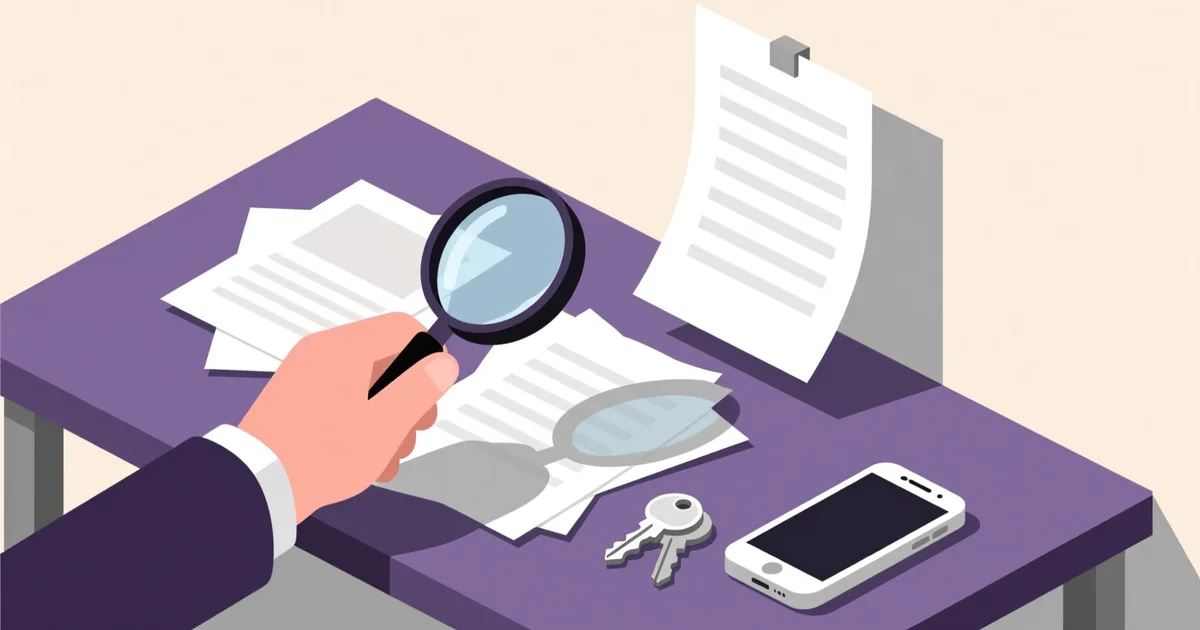
A scammer gives themselves away in the details. A good ad contains several live photos, a price, a city and willingness to meet. A bad one consists of a single stock image, a price half the market rate and the phrase "message me only on messenger".
A request for a deposit or "holding payment" before meeting should raise a red flag. Another trick is the courier: the seller says they'll ship the instrument via a delivery service and you pay in advance. In Israel this is rarely done, because the instrument is fragile and always inspected in person.
Check the seller's profile. If they registered long ago, have reviews and other listings, the risk is lower. A fresh account with no history is a reason to be more careful, but not a verdict: the person might simply be selling their son's guitar for the first time.
We see that buyers most often complain about ads with stolen photos and below-market prices: moderation removes such posts, but you should still check the seller yourself.
Checklist for Inspecting an Instrument at the Meeting
The inspection takes 15-20 minutes if you go in order. First appearance, then mechanics, then sound. Hand over the money only after you've gone through all the points.
Guitar and Strings
- Inspect the neck: cracks near the headstock and at the heel are expensive repairs.
- Check the neck relief and string height above the frets: if strings buzz, a setup is needed.
- Listen for humming or rattling inside the body: loose braces are fixed in a workshop.
- Check the tuning pegs: they should turn smoothly, without play.
- Verify the serial number matches the model, especially with well-known brands.
Keyboards and Digital Pianos
- Press every key: look for sticking and uneven volume.
- Check all jacks: headphones, MIDI, pedal.
- Turn it on and let it run for 10 minutes to hear any power supply noise.
- Ask if the original power supply and pedal are included: replacing them costs extra.
Wind and Percussion
For wind instruments, check the valves and pads; for drums, the heads and rims. Pads and heads are consumables, replacing them is normal, but a discount is appropriate. If the instrument smells musty, there may be mold inside, and that's a reason to walk away.
How Much to Pay: Price, Negotiation and Channel Comparison
The benchmark is the median price across similar ads in your city. Look at five to seven offers, discard the cheapest and the most expensive, and you get a working range. Then negotiation is based on the instrument's condition, not emotions.
| Channel | Price | Inspection | Risk |
|---|---|---|---|
| Private seller | Below market | Yours only, at the meeting | Medium |
| Store, consignment | 20-40 percent higher | Store's technician | Low |
| Platform with seller history | Average | Reviews and profile | Below average |
Arguments for negotiation: worn strings or plastics, needed repairs, no case or power supply, seller is in a hurry. State your price calmly and be ready to walk away. In Israel, a 10-15 percent discount off the asking price is normal if there are real issues.
If you're looking for a cheaper option, used musical instruments will help filter ads by budget and city. For expensive instruments, used musical instruments in Tel Aviv is worth checking separately, as items with a warranty are more common there.
Buyer's Rights and How the Deal Is Closed
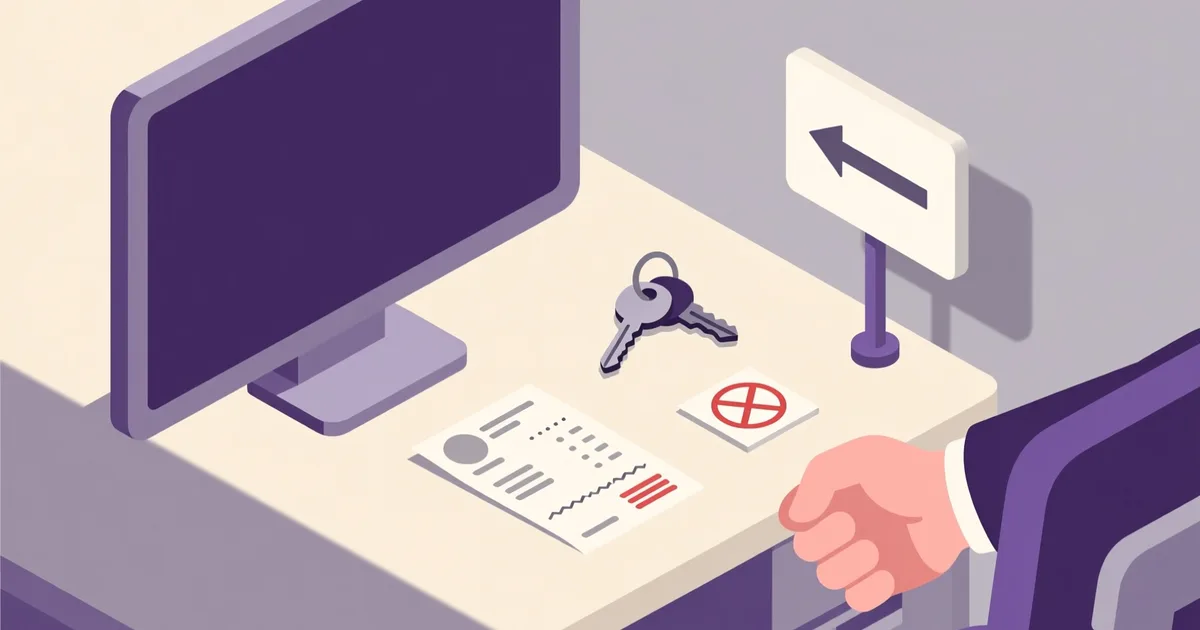
A deal between private individuals is a sales contract, and by default the principle of "buyer beware" applies. This means that after the money changes hands, claims for hidden defects are hard to make. That's why inspection is your main protection.
A store is another matter. Buying from a seller who operates commercially falls under Israeli consumer law: there's a right to return and a warranty, conditions depend on the type of goods. General norms are published by the Government Portal of Israel, and you should also check current rules there before a major purchase.
Close the deal simply: inspect the instrument, agree on the price, hand over the money and take the instrument right away. Ask for a receipt or keep the ad correspondence if the purchase is expensive. A receipt from a private seller usually isn't available, and that's normal.
Frequently Asked Questions
Should I buy a used instrument from a private seller or better in a store?
From a private seller it's cheaper, but you do all the checking yourself. A store charges more but gives a warranty and the option to return the item. For a child's first instrument or an expensive model, a store is often more convenient; for a budget guitar or synthesizer, a private seller is better on price.
How do I tell if an ad is a scam?
Signs: a single stock photo, a price half the market rate, a request to wire a deposit, refusal to meet in person, shipping via courier. Check the seller's profile, reviews and other listings. If the person isn't willing to show the instrument in person, it's better not to start the deal.
Can I check an instrument if I don't know how to play?
Yes. Bring a friend who plays, or ask the seller to play. Look for external defects, cracks, loose tuning pegs, and check that keys and jacks work. This won't replace a musician's ear, but it filters out most problematic instruments.
What discount can I realistically get when negotiating?
Usually 10-15 percent off the asking price if there are specific issues: wear, needed repairs, missing case or power supply. State your price calmly and justify it. If the seller won't budge and the instrument suits you, decide based on your budget.
Is a warranty needed when buying second-hand?
A private seller gives no warranty; the deal is closed on the spot. Warranties are offered by stores and sellers who operate commercially. If a warranty matters, buy where it's provided in writing, and clarify the term and return conditions in advance.
Where to find used instruments cheaply?
Look at private seller ads in your city and neighboring areas, filter by category and budget. Cheaper instruments are usually sold after a move or when a child quits lessons. Don't chase the lowest price: it's most often a sign of a scam.
What to Do Next
Buying a used musical instrument in Israel is realistic within a few days if you act in order. Choose a city and category, shortlist three or four ads with live photos and seller history, arrange a daytime meeting and go through the inspection checklist. Compare the price across several offers, not just one.
Hand over the money only after checking and only in person. If something feels off about the seller or the instrument, calmly walk away: there are enough offers on the market. That way you'll buy an instrument that brings joy, not one that drains money on repairs.